 English
 русский
 Português
 عربى
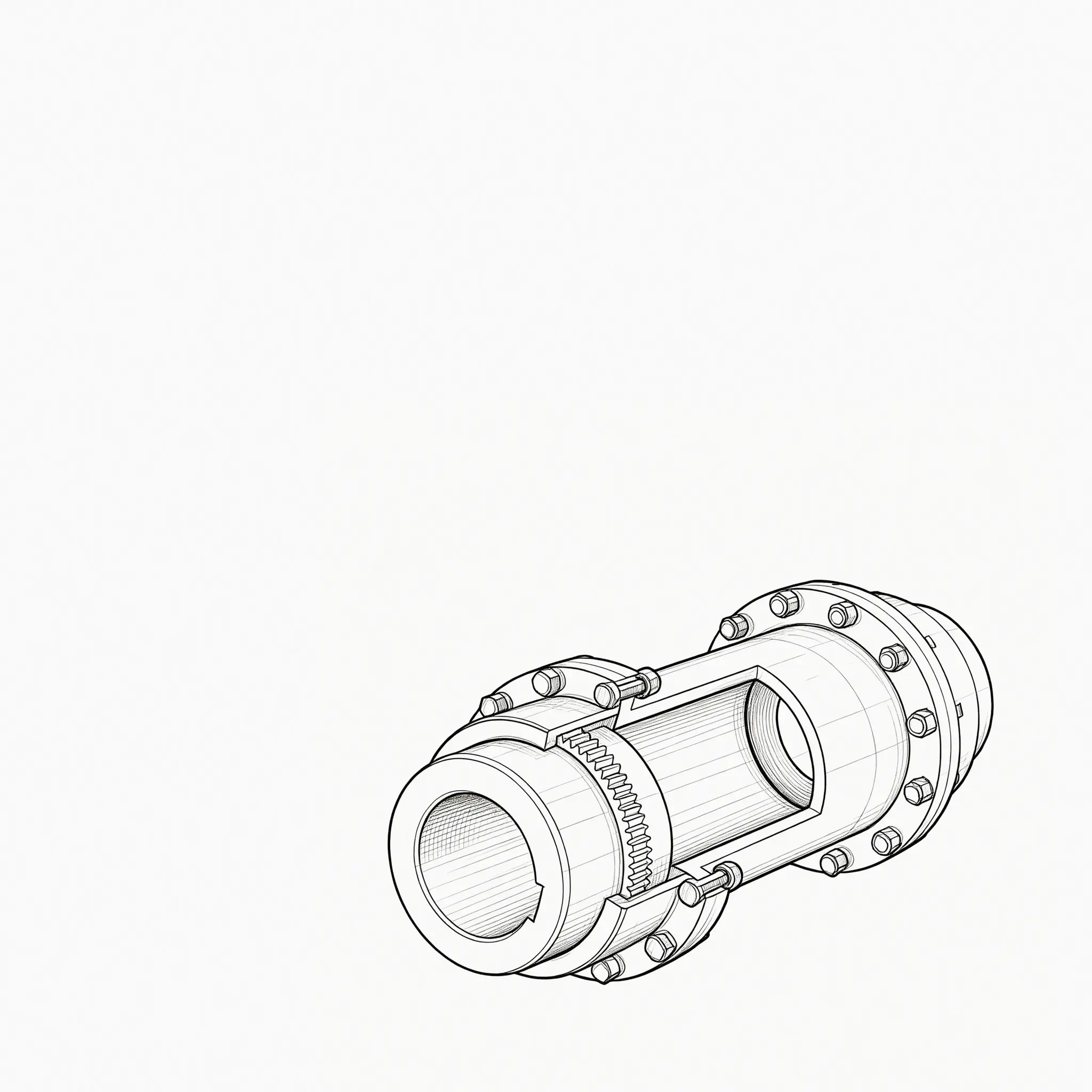
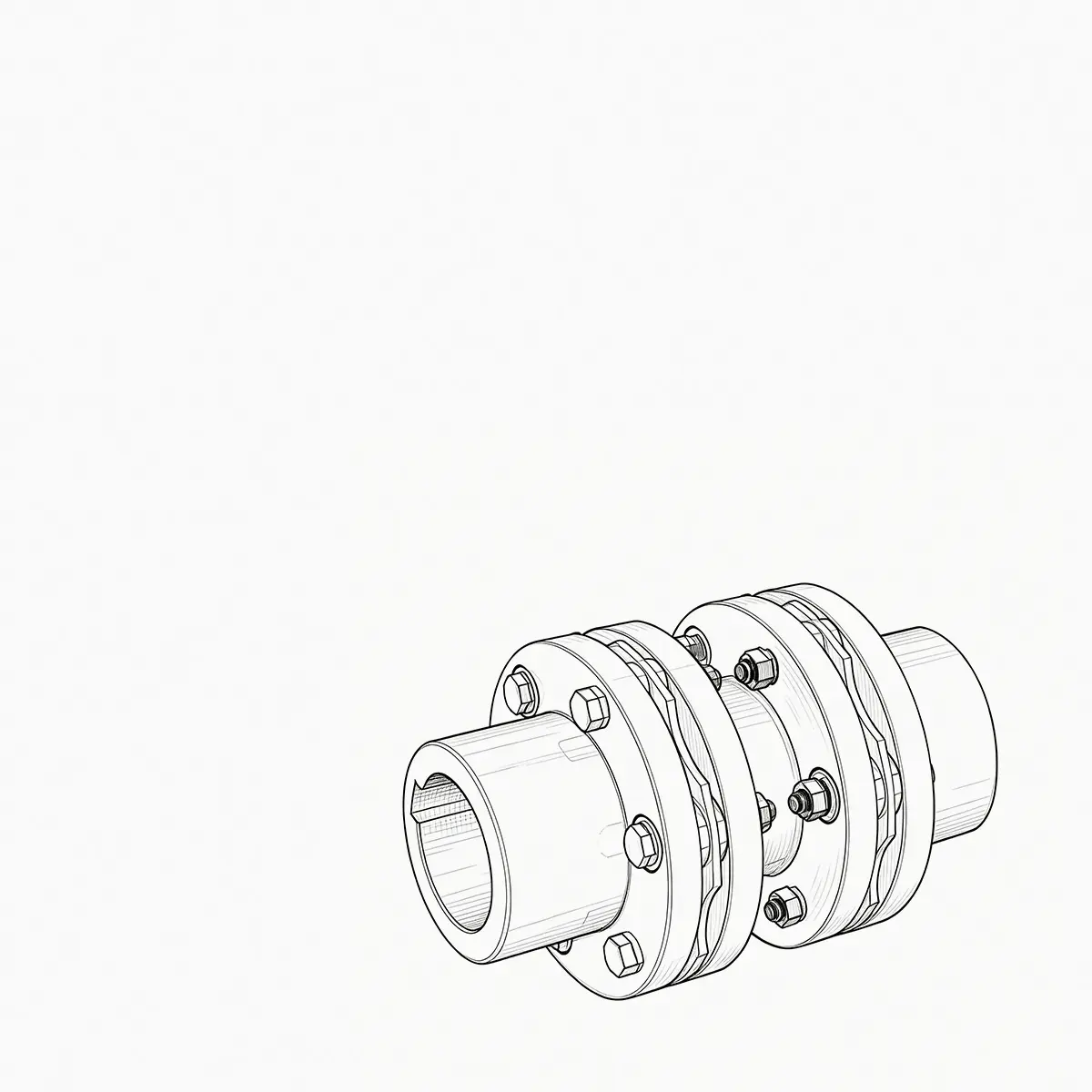
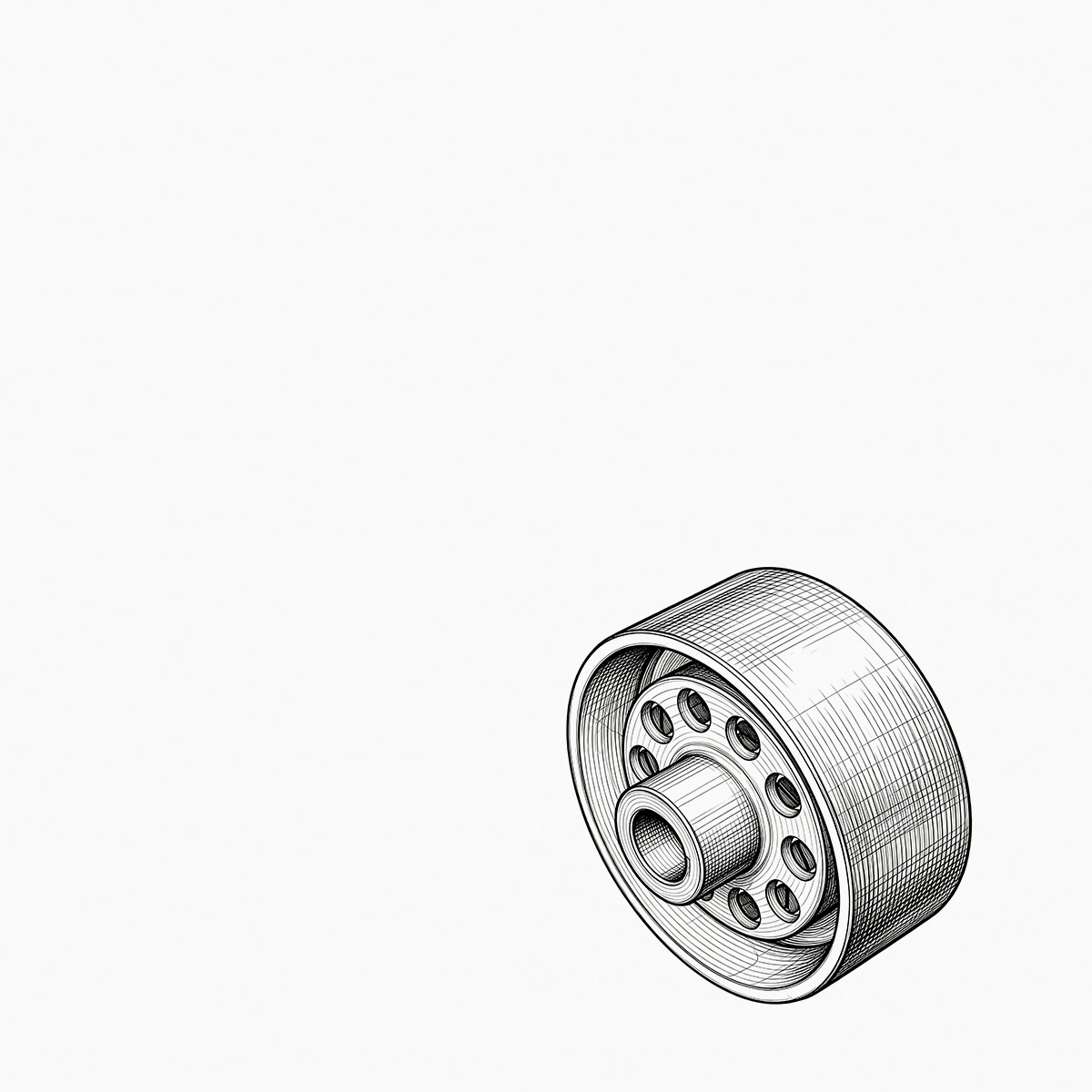
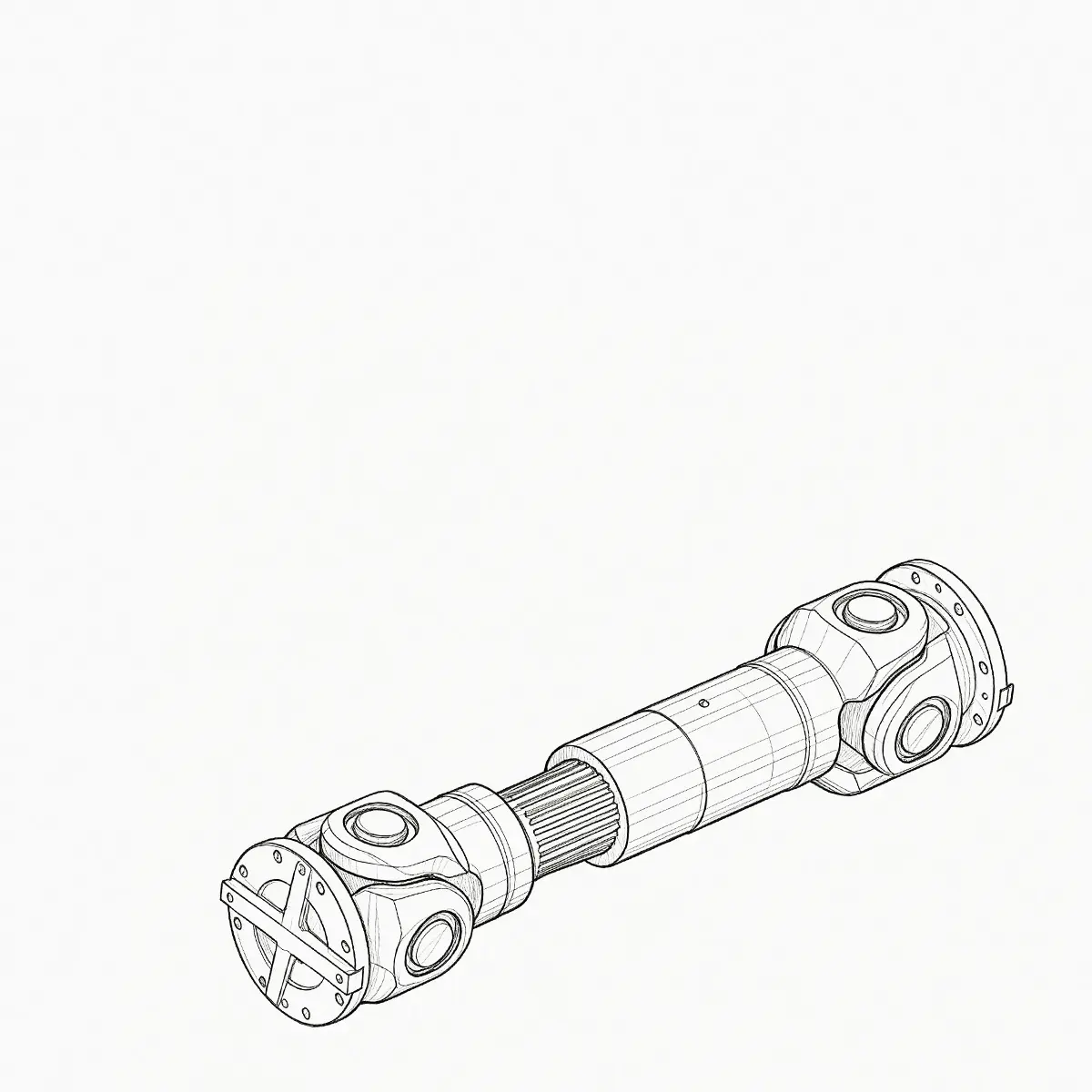

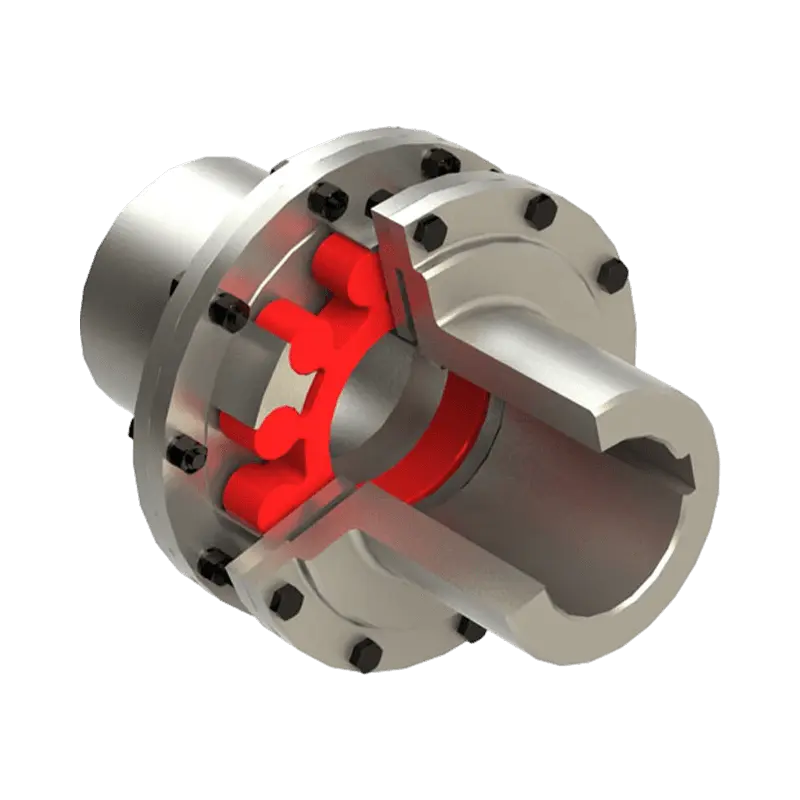
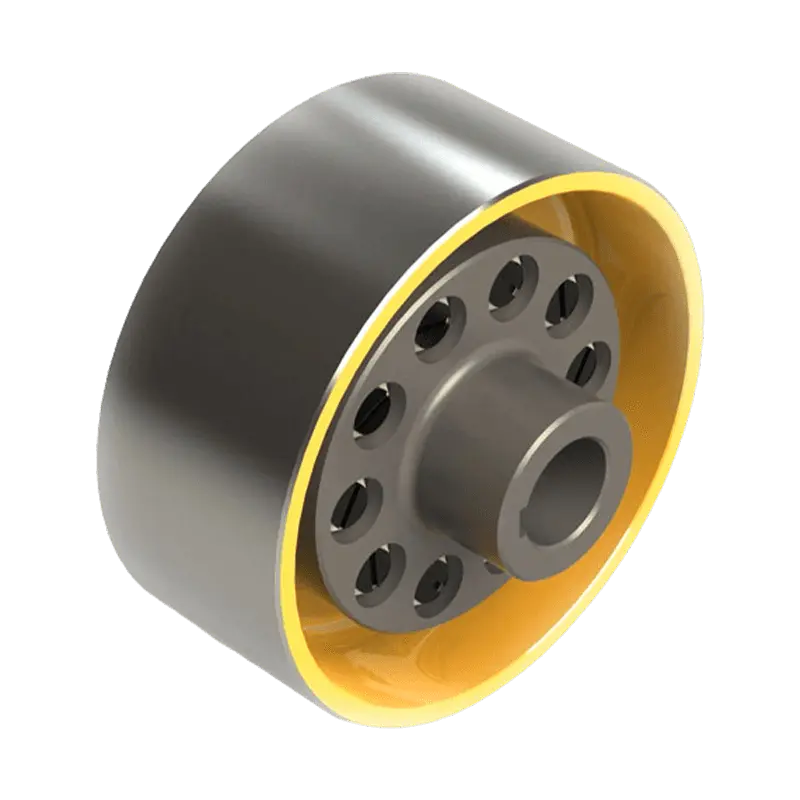
A maintenance engineer pulls a failed coupling from a pump drive. The elastomer sleeves are cracked, the pin bolts are ...
READ MORE
LMD (MLZ) Spider Elastic Coupling with Intermediate Shaft
Admin 2026-09-01Content
- 1 Product Overview
- 2 Operating Principle of the Plum Elastic Coupling
- 3 Transition Coupling Design and Maintenance Advantage
- 4 Key Product Advantages
- 5 Comparison with Other Coupling Solutions
- 6 Manufacturing Quality and Engineering Capability
- 7 Important Manufacturing Processes
- 8 Application Areas
- 9 Coupling Selection Guidelines
- 10 Installation Recommendations
- 11 Maintenance and Service Practices
- 12 Safety Considerations
- 13 Total Cost of Ownership
- 14 Customization and Technical Support
- 15 Why Choose This Coupling for Demanding Equipment?
- 16 Frequently Asked Questions
- 16.1 What is an LMD (MLZ) Spider Elastic Coupling?
- 16.2 What is the main difference from a conventional plum elastic coupling?
- 16.3 Can the coupling compensate for shaft misalignment?
- 16.4 Does the coupling require lubrication?
- 16.5 What industries commonly use this coupling?
- 16.6 How should the elastomeric spider be selected?
- 16.7 How often should the spider be replaced?
- 16.8 Can the intermediate shaft length be customized?
- 16.9 What information is required for a quotation?
- 16.10 Why is alignment still important if the coupling is flexible?
- 16.11 Is the LMD (MLZ) coupling suitable for high-speed applications?
- 16.12 What maintenance advantage is most important in a fixed installation?
- 16.13 How does the coupling protect motors and gearboxes?
- 16.14 What quality advantages does the manufacturer provide?
- 17 Conclusion
- 18 References
- 19 Product: LMD(MLZ) Spider Elastic Coupling with Intermediate Shaft
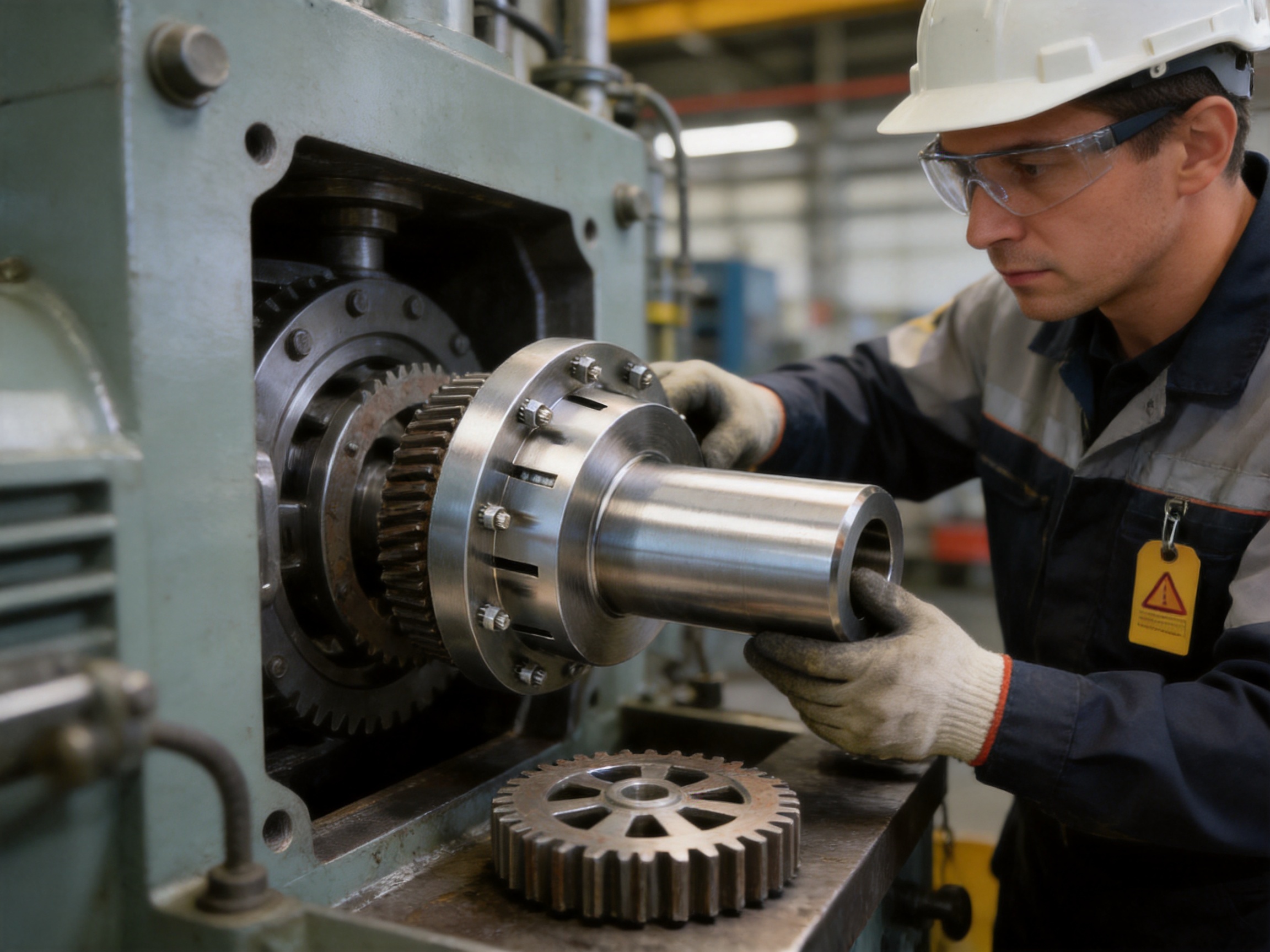
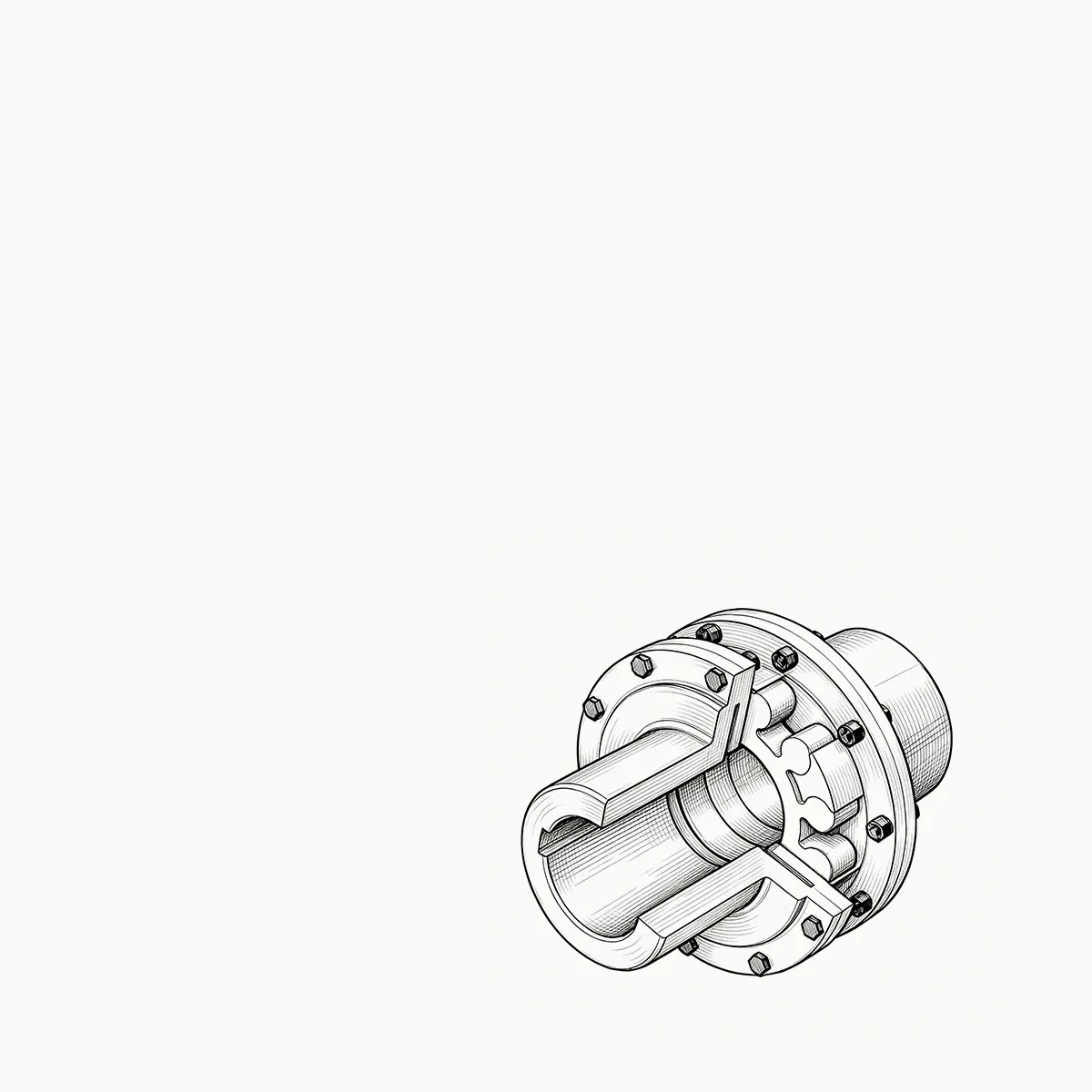
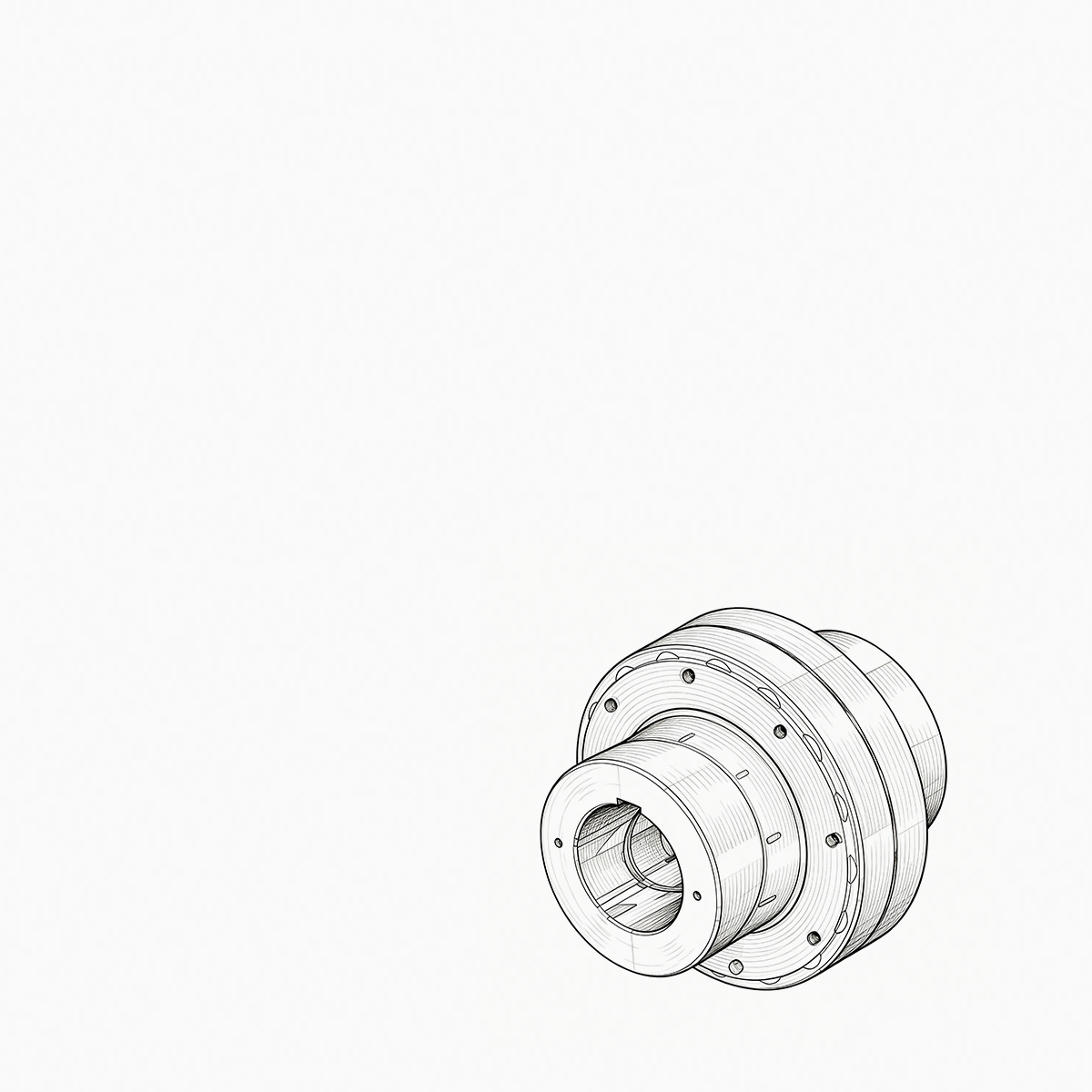
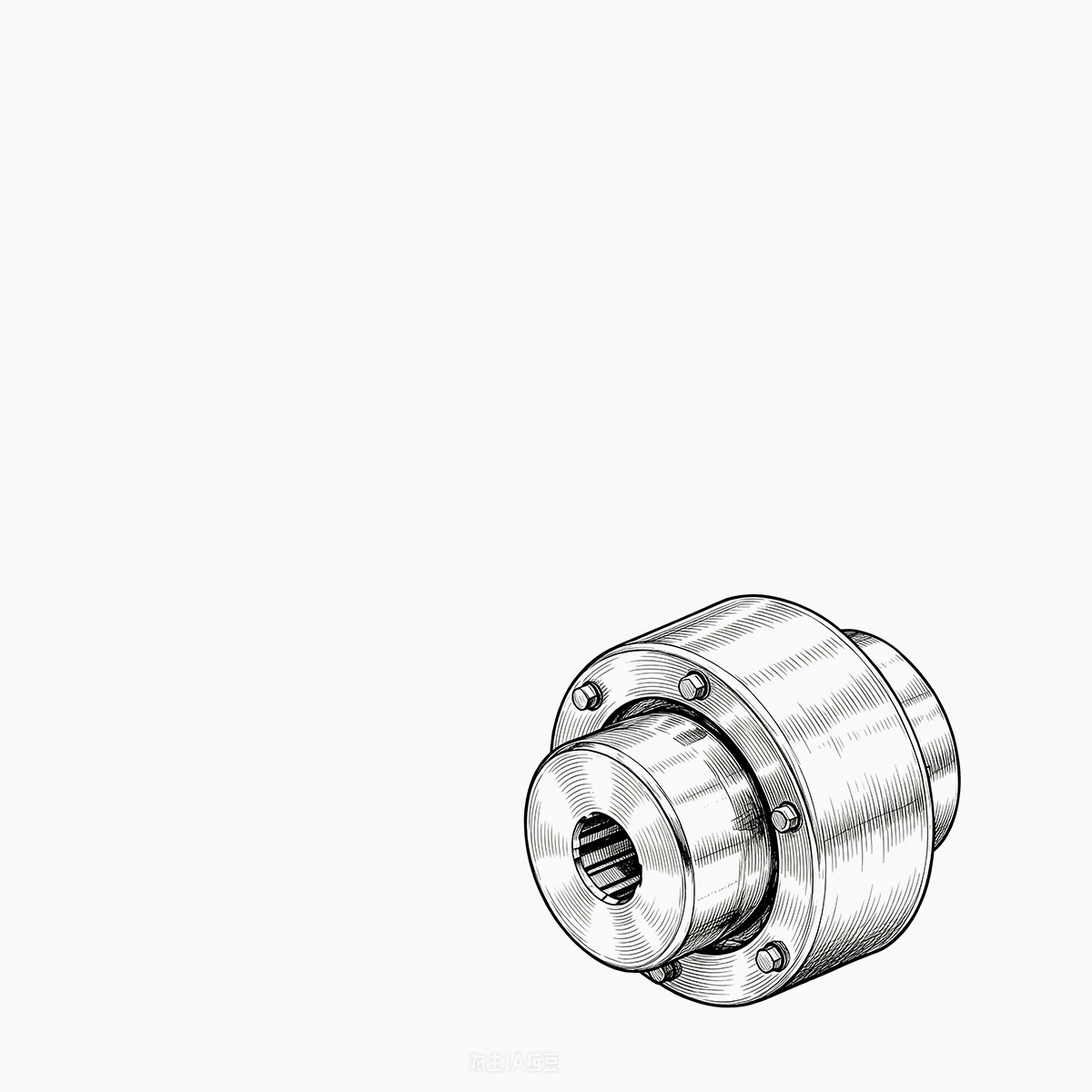
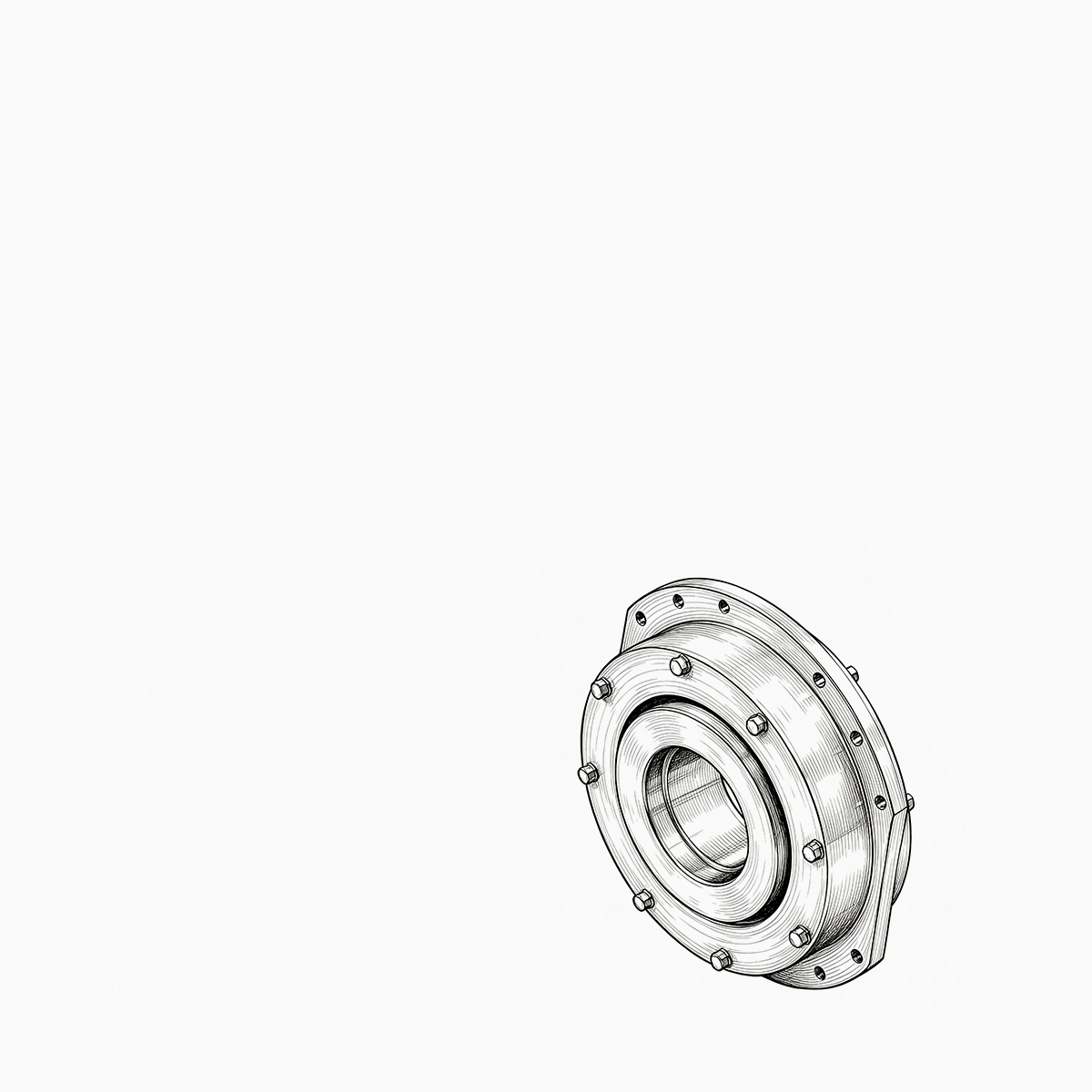
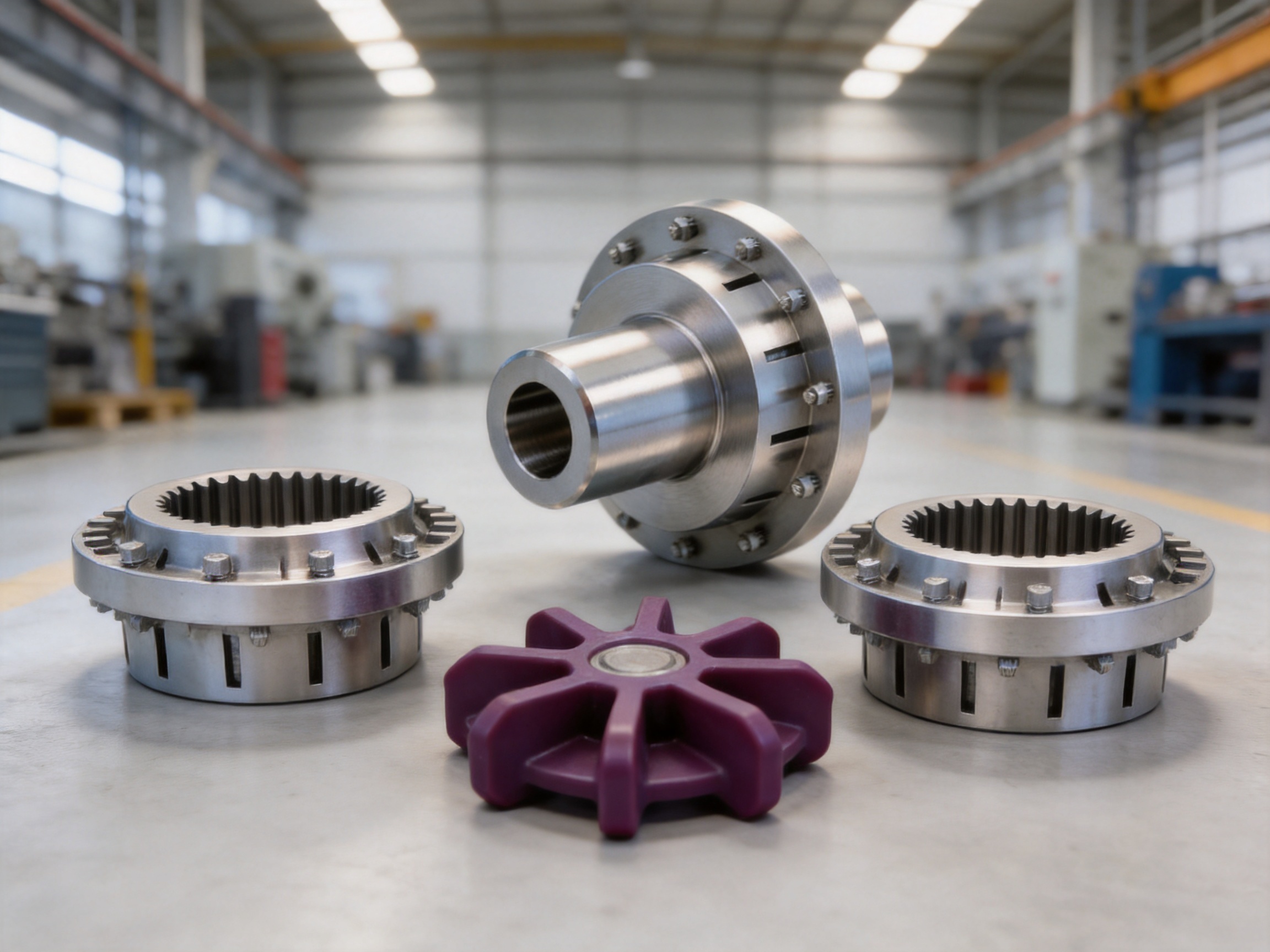
The LMD (MLZ) Spider Elastic Coupling with Intermediate Shaft is a maintenance-oriented shaft connection solution designed for industrial equipment that requires reliable torque transmission, vibration control, and practical servicing. Based on the proven operating principle of the plum elastic coupling, this design combines two toothed half-couplings, an elastic spider element, and an intermediate shaft or transition arrangement. Its most important structural improvement is that the elastic element can generally be replaced without moving the connected half-couplings axially. This feature can substantially simplify maintenance in machines where motors, gearboxes, drums, pumps, conveyors, or other driven components are difficult to reposition.
In conventional plum elastic coupling arrangements, replacing the elastic element may require axial movement of one or both half-couplings. That task can be inconvenient when the coupling is installed between closely spaced machines, inside a guarded assembly, beneath a conveyor, or in an area with limited lifting and access space. The LMD (MLZ) configuration addresses this limitation through its transition coupling design. By improving the accessibility and replaceability of the elastic spider, it reduces maintenance complexity and supports shorter service interruptions.
The coupling is suitable for a wide range of industrial applications, including metallurgy, mining, construction, material handling, transportation, textile machinery, hoisting systems, and other equipment exposed to frequent starting, stopping, shock loading, or load variation. Its elastic element transmits torque through engagement with the teeth of the half-couplings while also absorbing torsional vibration and accommodating limited angular, radial, and axial misalignment. This combination makes the LMD (MLZ) coupling a practical choice for systems that need both mechanical flexibility and dependable power transmission.
Product Overview
A coupling connects two shafts so that torque can be transmitted from a driving machine to a driven machine. Although this function appears simple, industrial shaft systems are affected by alignment errors, vibration, thermal expansion, foundation movement, starting loads, and changes in operating speed. A rigid connection may transmit these disturbances directly into the motor, gearbox, bearing housings, or driven machine. An elastic coupling provides a degree of flexibility between the shafts, helping the complete drive system operate more smoothly.
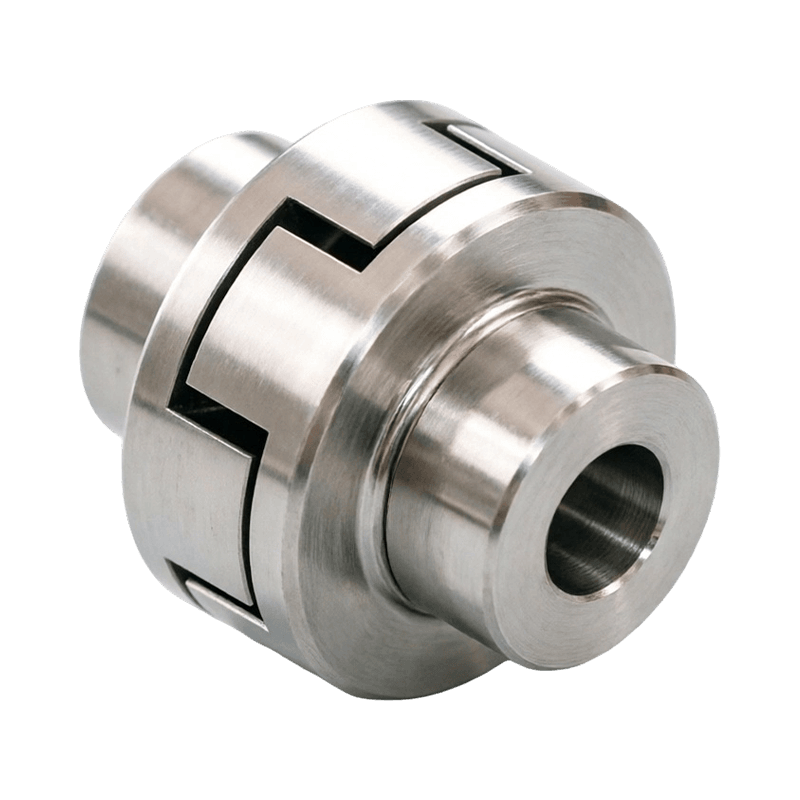
The LMD (MLZ) Spider Elastic Coupling is built around a compact toothed coupling structure and a plum-shaped elastomeric spider. The two metal half-couplings contain projecting teeth or claws that engage with the lobes of the elastic element. When the driving shaft rotates, the teeth compress and drive the spider, which then transfers torque to the opposite half-coupling and driven shaft. The elastomer does not merely act as a connection component. It also performs a dynamic function by absorbing shock, reducing torsional oscillation, and limiting the transmission of high-frequency vibration.
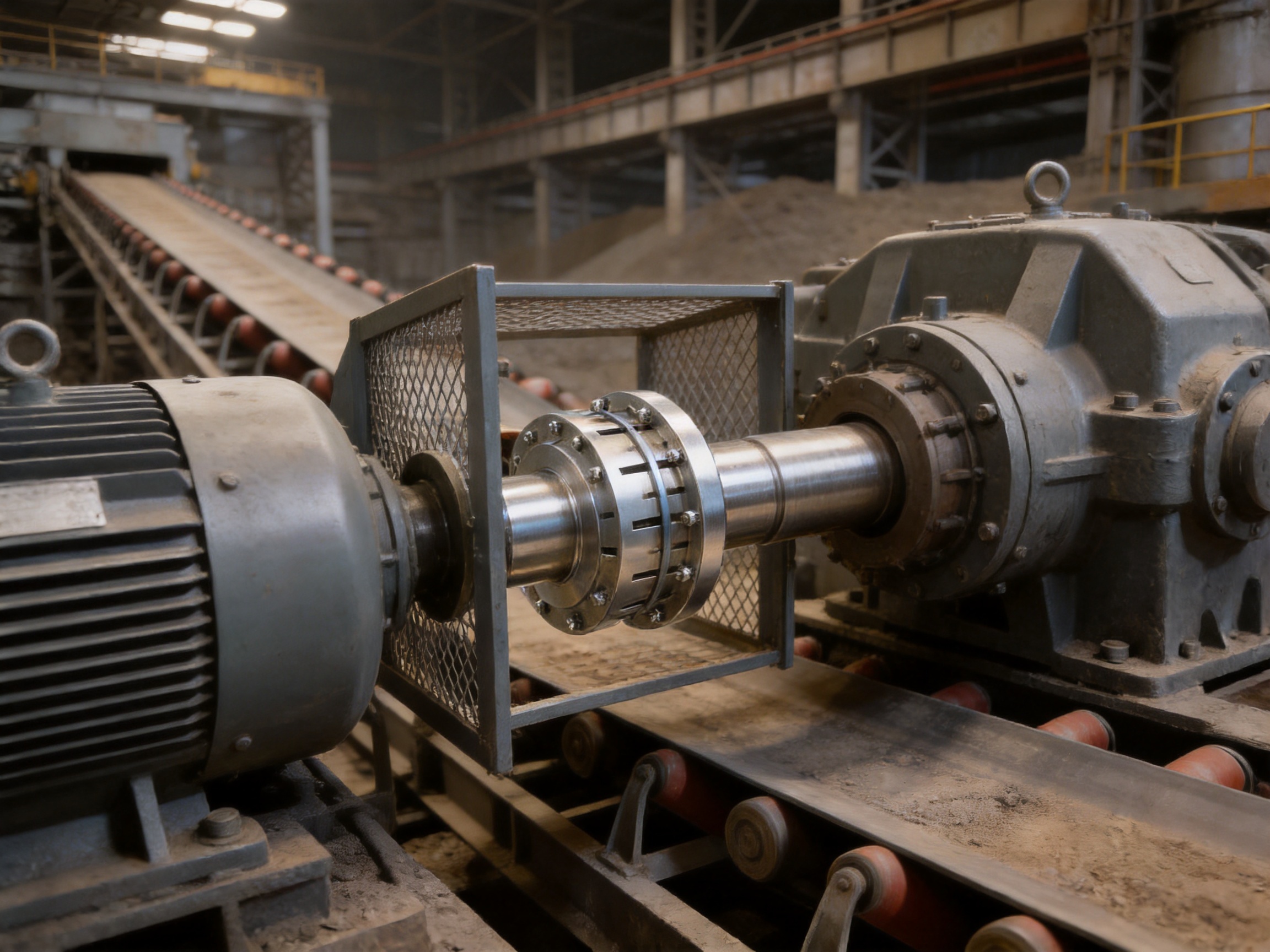
The intermediate shaft arrangement extends the application range of the basic plum elastic coupling. It can be used where the driving and driven shafts are separated by a greater distance, where a transition section is needed, or where the machine layout requires more installation flexibility. Depending on the equipment design, the intermediate shaft may help accommodate a longer span between connected units and create a practical service interface between the two coupling sides.
The design is especially valuable for equipment where downtime has a high economic cost. In a mining conveyor, crane mechanism, rolling line, or production machine, even a relatively small maintenance task can require isolation procedures, guard removal, component support, alignment checks, and production scheduling. A coupling that allows the elastic element to be replaced with reduced axial movement can make the maintenance sequence more direct and less disruptive.
Operating Principle of the Plum Elastic Coupling
The operating principle is based on the interaction between metal claws and an elastomeric spider. Each half-coupling is mounted on a shaft using an appropriate bore and shaft connection arrangement. The projecting teeth of the two half-couplings are positioned around the lobes of the elastic element. When the input half-coupling turns, its teeth apply circumferential force to the spider. The spider transfers this force to the teeth of the output half-coupling, causing the driven shaft to rotate.
Unlike a fully rigid coupling, the elastomeric element can deform under load. This deformation allows the coupling to absorb part of the torsional impact generated during motor starting, sudden loading, reversing, or emergency braking. The same elastic behavior helps reduce the direct transmission of vibration between the two machines. The coupling therefore acts as a mechanical buffer between the driving and driven components.
Limited shaft misalignment can also be accommodated through controlled deformation of the spider. Angular misalignment occurs when the two shaft centerlines meet at an angle. Radial or parallel misalignment occurs when the centerlines remain parallel but are offset. Axial movement refers to a change in the distance between the two shaft ends. The allowable values depend on the coupling size, elastomer grade, operating speed, torque, temperature, and manufacturer’s technical data. The coupling should not be selected as a substitute for proper shaft alignment, but its flexibility provides useful tolerance for normal operating conditions.
The elastomer is a working component rather than a permanent structural member. Its service life is influenced by torque, speed, temperature, chemical exposure, misalignment, installation accuracy, and the frequency of starts and stops. Correct selection of the spider hardness and material is therefore important. A softer element may provide greater damping and flexibility, while a harder element may offer higher torque capacity and reduced deformation. The correct balance must be determined from the actual operating conditions.
Transition Coupling Design and Maintenance Advantage
The defining advantage of the LMD (MLZ) model is its transition coupling design. Traditional couplings may require the connected machines or half-couplings to be moved axially before the elastic element can be removed. This requirement can create several practical difficulties. The motor or gearbox may be mounted on a fixed base. The shafts may be connected to drums, rollers, pumps, or other inaccessible machinery. Guarding may restrict movement. In some cases, lifting equipment is needed simply to create enough axial clearance for the maintenance operation.
The LMD (MLZ) arrangement is designed to reduce or eliminate the need for such axial movement when replacing the spider. The intermediate shaft and transition structure provide a service-friendly interface, allowing the worn elastic element to be accessed through a more manageable disassembly procedure. The exact replacement sequence should follow the applicable assembly instructions, but the general concept is to preserve the position of the connected machinery while servicing the flexible element.
This maintenance feature can deliver benefits beyond convenience. Reduced machine movement means fewer opportunities for accidental misalignment. It can also reduce the need to disconnect adjacent components, remove large guards, or disturb bearing housings and shaft supports. After replacement, the alignment verification process may be simpler because the principal machines have not been substantially repositioned.
For production equipment, maintenance time is often more important than the purchase price of an individual coupling. A lower-cost coupling that requires extensive disassembly may produce higher total ownership costs than a more serviceable coupling. The LMD (MLZ) design supports a life-cycle approach by considering installation time, spare-part replacement, labor, safety, and production availability in addition to initial equipment cost.
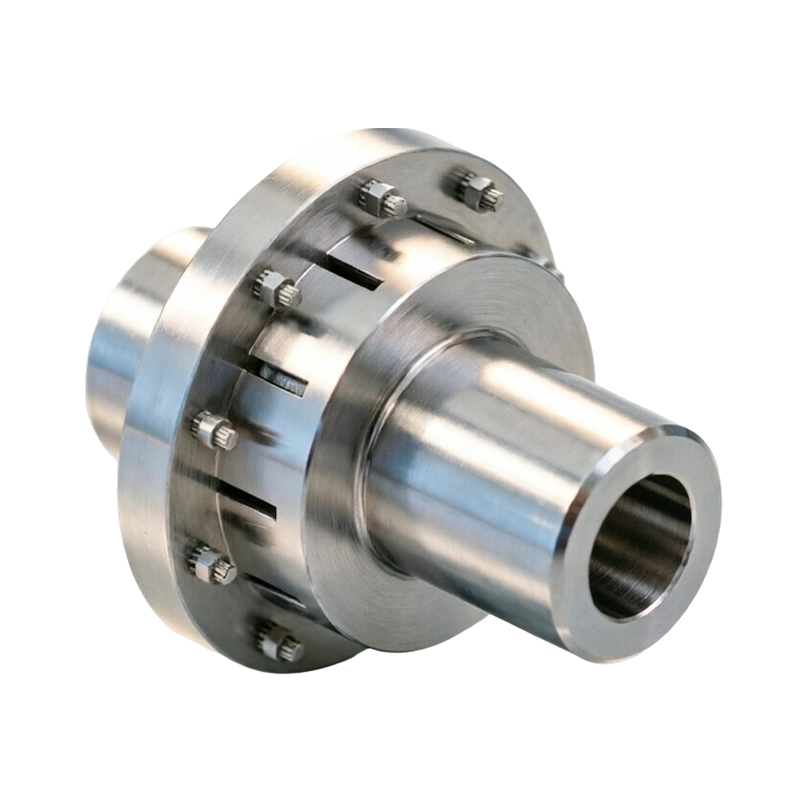
LMD(MLZ) Spider Elastic Coupling with Intermediate Shaft
Key Product Advantages
Reduced Axial Movement During Spider Replacement
The primary advantage is the ability to replace the elastic element without routinely moving the half-couplings axially. This is particularly useful in compact machine layouts or installations where one shaft is connected to a heavy or fixed assembly. Maintenance personnel can focus on removing and installing the service component rather than relocating the entire drive unit.
Effective Vibration Damping
The elastomeric spider helps reduce torsional vibration and cushion mechanical impacts. This is useful in drive systems with motors, gear reducers, drums, conveyors, or reciprocating load changes. By moderating torque fluctuations, the coupling can help protect connected equipment from sudden stress peaks and contribute to smoother operation.
Shock Load Absorption
Metallurgical, mining, hoisting, and construction equipment may experience shock loads caused by material impact, uneven feed, sudden engagement, load catching, or changes in direction. The elastic element deforms under transient loads and can absorb part of the resulting energy. It does not remove the need for proper drive selection or overload protection, but it can reduce the severity of load transfer through the shaft line.
Compact Construction
The basic plum coupling structure is compact compared with many multi-component flexible coupling designs. A compact coupling can simplify equipment layout and reduce the space needed around the shaft connection. The LMD (MLZ) configuration adds an intermediate shaft and transition arrangement while retaining a practical overall design suitable for industrial machinery.
Compensation for Normal Misalignment
The flexible spider can accommodate limited angular, radial, and axial movement. This capability helps compensate for ordinary alignment tolerances and operating movement caused by thermal changes or foundation conditions. Proper alignment remains essential, because excessive misalignment can produce additional heat, accelerate spider wear, and impose unwanted loads on connected bearings.
Simple Inspection and Replacement Concept
The coupling has a visually understandable working structure. The condition of the spider, the engagement surfaces, the fasteners, and the shaft connection can be checked during scheduled maintenance. When the elastic element shows cracking, hardening, excessive wear, deformation, or loss of elasticity, it can be replaced according to the service procedure.
Adaptability to Frequent Starts and Stops
Frequent cycling can create repeated torsional impacts. The LMD (MLZ) coupling is suited to applications where the drive starts and stops regularly, provided that the torque, speed, duty cycle, and elastomer selection are correctly evaluated. Its damping behavior can make it more suitable than a rigid connection for equipment exposed to repeated transient loads.
Comparison with Other Coupling Solutions
Industrial couplings are selected according to torque, speed, misalignment, environment, maintenance requirements, space, and safety considerations. No single coupling type is ideal for every application. The strength of the LMD (MLZ) coupling is its combination of elastic performance and maintenance accessibility.
| Coupling Type | Typical Strength | Potential Limitation | LMD (MLZ) Advantage |
|---|---|---|---|
| Rigid coupling | High positional accuracy and direct torque transfer | Provides little tolerance for misalignment or shock | Offers elastic compensation and vibration damping |
| Standard plum elastic coupling | Compact structure and simple torque transmission | Spider replacement may require axial movement | Transition design improves service accessibility |
| Gear coupling | High torque and speed capability | Requires lubrication and more detailed maintenance | Dry elastomeric operation can simplify routine service |
| Disc or diaphragm coupling | High torsional stiffness and precise motion transfer | May be less tolerant of shock and installation error | Elastomer provides cushioning and impact absorption |
| Pin and bush coupling | Flexible torque transmission and robust construction | Pin and bush replacement may be more involved | Spider replacement is designed for improved convenience |
| Tire coupling | Strong damping and substantial misalignment capacity | Can require greater radial space | Compact toothed and spider arrangement suits restricted layouts |
Compared with a rigid coupling, the LMD (MLZ) model is better suited to systems in which alignment changes, shock loading, or vibration are expected. Compared with a gear coupling, it can offer a simpler maintenance program because the elastic spider does not normally require gear-tooth lubrication. Compared with a standard plum coupling, the transition design provides a clear servicing advantage. Compared with a highly torsionally stiff diaphragm coupling, the elastomer offers greater cushioning where shock absorption is more important than precise angular synchronization.
These comparisons should not be interpreted as a replacement for engineering selection. A coupling must be evaluated against the complete duty cycle. High-speed precision systems, extremely high torque applications, elevated-temperature installations, and hazardous environments may require alternative designs or special materials. The correct choice depends on the actual operating data rather than on coupling type alone.
Manufacturing Quality and Engineering Capability
Zhenjiang Orienthold Machinery Co., Ltd. is a medium-sized industrial manufacturer specializing in couplings and papermaking machinery. Its business combines product design, manufacturing, inspection, and technical service. This integrated capability is important for coupling production because reliable performance depends on the relationship between geometry, material quality, machining accuracy, elastomer behavior, assembly control, and application engineering.
Coupling components must be produced with consistent dimensional accuracy. The bore, keyway, tooth profile, face alignment, bolt holes, and overall concentricity all influence the behavior of the installed product. Inconsistent machining may increase vibration, create uneven spider loading, or cause premature wear. A controlled manufacturing process helps ensure that repeated production batches maintain predictable fit and performance.
Advanced equipment supports the production of accurate metal components and intermediate shafts. Depending on the part and design, manufacturing operations may include raw material preparation, turning, milling, drilling, keyway processing, profiling, heat treatment where required, surface finishing, cleaning, and final assembly. Each stage should be controlled according to the technical requirements of the component and the intended service conditions.
Material control is another essential part of coupling manufacturing. Metal half-couplings and intermediate shafts must have suitable strength, toughness, machinability, and resistance to wear. The selected material should correspond to the transmitted torque, rotational speed, loading pattern, and environmental conditions. The elastomer must also be suitable for the expected temperature, oil or chemical exposure, ozone, humidity, and mechanical duty.
Orienthold Machinery operates under a strict quality supervision system and maintains inspection and testing equipment. Such a system can include incoming material checks, in-process dimensional inspection, finished-part verification, assembly inspection, and documentation review. The objective is to identify deviations before the product reaches the customer and to provide a traceable basis for quality improvement.
The company’s products comply with applicable national standards, while its machinery production technology and quality have reached international levels. For overseas industrial customers, this combination of domestic manufacturing capability and international service awareness can support customized orders, technical communication, export packaging, logistics coordination, and after-sales assistance.
Important Manufacturing Processes
Engineering Design
The manufacturing process begins with engineering design. The coupling must be configured according to shaft diameter, torque, speed, shaft spacing, installation orientation, allowable misalignment, environmental conditions, and maintenance requirements. The intermediate shaft length and connection arrangement must be coordinated with the machine layout. Design review is especially important for applications with large load fluctuations or frequent reversing.
Precision Machining
Precision machining creates the functional surfaces of the half-couplings and intermediate shaft. The shaft bore and keyway must provide a secure connection without producing excessive interference or looseness. The toothed areas must be accurately positioned so that the spider is evenly engaged. Face runout and concentricity should be controlled to reduce rotational vibration.
Surface Treatment and Protection
Industrial couplings may be exposed to water, dust, scale, oil mist, chemicals, and outdoor conditions. Appropriate cleaning, coating, painting, or surface protection helps maintain the condition of metal components. The selected treatment should not interfere with fit, assembly, inspection, or the movement of functional parts.
Elastomer Component Control
The elastic spider is central to the product’s performance. Its geometry, hardness, elasticity, resistance to fatigue, and dimensional stability directly influence torque transmission and vibration damping. Controlled molding and inspection help ensure that the lobes fit correctly between the coupling teeth. A spider that is too hard, too soft, dimensionally inaccurate, or chemically incompatible with the environment may not deliver the expected service life.
Assembly Verification
During assembly, the manufacturer must confirm the correct orientation and engagement of the coupling parts. Fasteners should be installed with the required tightening method. The intermediate shaft should be checked for straightness, balance requirements, and connection accuracy where applicable. Final inspection verifies that the assembled unit meets the specified dimensions and operating requirements.
Testing and Inspection
Inspection and testing methods may include dimensional measurement, visual examination, runout checks, bore and keyway verification, material documentation, elastomer inspection, and functional checks. The testing plan should reflect the coupling configuration and customer requirements. For critical equipment, additional testing and documentation can be discussed during the technical quotation stage.
Application Areas
Metallurgical Equipment
Rolling lines, transfer tables, cooling beds, processing lines, and other metallurgical machinery can experience high starting torque, impact loading, elevated dust levels, and frequent operating cycles. The elastic spider helps cushion the drive system, while the service-friendly design can reduce the time needed to restore production after wear-related maintenance.
Mining Machinery
Mining conveyors, crushers, screens, feeders, and auxiliary systems are commonly exposed to variable loads, material impact, dust, and difficult access conditions. The LMD (MLZ) coupling can be considered where the drive requires shock absorption and where maintenance access is limited. Selection must account for the abrasive environment, actual peak torque, starting method, and possible blockage loads.
Hoisting and Crane Systems
Hoisting machinery may undergo repeated starting, stopping, acceleration, deceleration, and load changes. A flexible coupling can reduce the severity of torsional shocks between the motor, gearbox, and drum drive. Because crane equipment has significant safety implications, the coupling must be selected and installed according to the applicable design standards, duty classification, braking arrangement, and inspection requirements.
Construction Machinery
Construction equipment often operates in changing environments with vibration, contamination, uneven foundations, and intermittent loading. The elastic coupling can provide useful flexibility in power transmission systems, especially where space is limited and servicing must be completed quickly at the job site.
Transportation and Material Handling
Conveyors, transfer systems, rollers, elevators, and material-handling equipment depend on reliable torque transmission. The intermediate shaft arrangement can support machines in which the motor and driven assembly are separated by a practical distance. The coupling’s damping characteristics may also help reduce belt or chain drive disturbances and protect gear reducers from abrupt torque changes.
Textile Machinery
Textile equipment often requires stable running, compact installation, and controlled vibration. In systems involving rollers, fans, pumps, or auxiliary drives, the LMD (MLZ) coupling may help isolate torsional disturbances while maintaining a relatively compact shaft connection. The actual elastomer selection should consider speed, temperature, and the cleanliness requirements of the production area.
Papermaking Machinery
Papermaking machinery contains multiple rotating sections and often operates continuously. Drive reliability and maintenance efficiency are important because unplanned stoppages can affect an entire production line. The manufacturer’s experience with papermaking machinery provides useful insight into continuous-duty equipment, shaft alignment, maintenance planning, and the need for dependable mechanical components.
Coupling Selection Guidelines
Correct selection begins with collecting complete operating information. The nominal motor power alone is not sufficient. Engineers should consider motor power, operating speed, starting torque, peak torque, service factor, duty cycle, reversing frequency, shaft sizes, shaft spacing, ambient temperature, installation orientation, and the presence of oil, water, dust, chemicals, or abrasive particles.
Nominal torque can be estimated from power and speed, but the coupling should be selected using the applicable service factor and peak conditions. A system with frequent starts, high inertia, shock loading, or reversing may require a substantially higher rating than a continuously running system with a smooth load. The selected coupling should not operate continuously at the edge of its rating.
Shaft connection details are equally important. The bore diameter, keyway dimensions, shaft tolerances, available shaft length, and axial position must match the coupling design. If the shafts use different diameters, stepped bores or other connection solutions may be required. The intermediate shaft must also be compatible with the distance between the machines and the required support arrangement.
Operating speed should be checked against the coupling’s permissible speed and balance requirements. An intermediate shaft can influence the dynamic behavior of the system, especially when its length increases. For higher-speed applications, the complete rotating assembly may require careful balance evaluation. The manufacturer should be consulted when speed, length, or configuration falls outside ordinary conditions.
Temperature and chemical exposure can strongly influence elastomer life. High heat may harden or soften the spider, while oils, solvents, acids, ozone, and ultraviolet exposure may degrade certain materials. The spider material should be selected according to the actual environment. If the application involves unusual chemicals or temperatures, relevant fluid and temperature information should be provided before ordering.
Installation Recommendations
Installation quality directly affects coupling performance and service life. Before installation, verify that the coupling model, bore, keyway, elastomer, fasteners, and intermediate shaft dimensions match the equipment drawing. Inspect all components for transport damage, burrs, corrosion, contamination, or dimensional defects.
The shafts should be cleaned and checked for damage. Remove burrs from keyways and ensure that keys fit correctly without excessive looseness. The coupling should be positioned at the specified axial location, and the shaft ends should not be forced into a position that creates unnecessary axial stress.
Alignment should be performed using suitable measurement equipment. Angular and parallel alignment should be checked in both horizontal and vertical planes. The equipment should be aligned in its normal operating condition as far as practical, taking thermal growth and operating movement into account. The coupling’s misalignment capacity is a safeguard for normal conditions, not permission to disregard alignment.
Fasteners should be tightened using the specified torque and sequence. Loose fasteners can cause fretting, movement, noise, and serious damage. Excessive tightening can distort components or damage threads. If locking devices or special washers are specified, they should be installed correctly.
After installation, rotate the shaft system manually where possible to confirm that there is no interference. Check guards, clearances, and the complete rotation path. Conduct a controlled trial run and observe noise, vibration, temperature, and abnormal movement. Any unusual condition should be investigated before the equipment is returned to full operation.
Maintenance and Service Practices
One of the strongest benefits of the LMD (MLZ) design is its maintenance accessibility, but regular inspection remains necessary. A service program should be based on operating hours, duty severity, manufacturer guidance, and the consequences of failure. Equipment that starts frequently or carries shock loads may need more frequent inspection than a smooth, continuously operating drive.
During inspection, check the spider for cracks, torn lobes, surface deterioration, permanent deformation, hardening, softening, or abnormal wear. Examine the metal teeth for impact marks, sharp edges, fretting, corrosion, or uneven contact. Check the intermediate shaft and fasteners for looseness, bending, damage, or signs of fatigue.
Abnormal noise or vibration may indicate misalignment, spider deterioration, loose fasteners, excessive torque, an incorrect elastomer, or another machine problem. A coupling should not be blamed automatically for every vibration issue. Bearings, gearboxes, foundations, keys, brakes, shafts, and driven components should also be examined.
When replacing the elastic element, isolate the machine from all energy sources and follow the site’s lockout and safety procedures. Ensure that the shaft cannot rotate unexpectedly and that suspended or stored loads are secure. Remove guards only after the equipment is safe. The transition coupling design can reduce disassembly, but it does not eliminate the need for controlled access and proper mechanical support.
Use the correct replacement spider for the coupling size and operating conditions. Substituting an element with an incorrect hardness, material, or geometry may change the torque capacity and misalignment behavior. Before reassembly, clean the engagement areas and inspect the teeth. Confirm that the spider is seated evenly and that no lobe is pinched or forced out of position.
After replacement, verify fastener tightening, shaft alignment, guard installation, and trial-run behavior. Record the replacement date, operating hours, observed wear, and possible causes of failure. This information can help determine whether the service interval is appropriate or whether alignment, overload, temperature, or material compatibility should be reviewed.
Safety Considerations
Rotating couplings can cause severe injury if they are exposed during operation. Guards should be installed wherever required by safety regulations and site practices. Personnel should never approach a rotating coupling with loose clothing, tools, or unprotected hands.
Before maintenance, disconnect electrical, hydraulic, pneumatic, and mechanical energy sources. Lock and tag the isolation points. Release stored energy and verify zero-energy status. In hoisting applications, support loads and prevent unintended movement before working on the drive system.
The coupling should not be operated with a missing spider, damaged guard, loose fastener, cracked half-coupling, or visibly distorted shaft. If the coupling experiences an overload or sudden seizure, inspect the complete transmission system before restarting. Damage may not always be visible from the outside.
Total Cost of Ownership
The purchase price is only one part of coupling economics. Total cost of ownership includes installation labor, alignment time, spare-part cost, inspection requirements, unplanned downtime, energy losses caused by misalignment, and the potential cost of secondary equipment damage.
The LMD (MLZ) design can reduce ownership cost through easier spider replacement and less extensive machine movement. Faster maintenance can improve production availability. Reduced disturbance to the motor and gearbox can lower the risk of introducing new alignment errors during routine servicing. The compact arrangement may also reduce the size or complexity of the surrounding machine structure.
Elastic damping may contribute to longer service life for connected components by moderating shock and torsional vibration. This benefit depends on correct selection and installation. An undersized coupling, excessive misalignment, unsuitable elastomer, or operation beyond the stated limits can eliminate the expected advantages.
For customers operating several similar machines, standardizing coupling sizes and spare spiders may simplify inventory management. A planned stock of suitable replacement elements can help maintenance teams respond quickly. The manufacturer can support this process by confirming model identification, component compatibility, and replacement recommendations.
Customization and Technical Support
Industrial equipment frequently involves non-standard shaft dimensions, special shaft spacing, unusual environmental conditions, or space restrictions. A coupling supplier with design and production capability can review these requirements rather than offering only a fixed catalog item. Customization may involve bore dimensions, keyway arrangements, intermediate shaft length, connection details, protective treatment, elastomer selection, or packaging.
Customers should provide as much technical information as possible during the inquiry stage. Useful data includes motor power, speed, shaft diameters, shaft spacing, torque or load characteristics, operating temperature, ambient contaminants, installation orientation, start-stop frequency, and available drawings. Photographs of the installation can also help identify access and clearance conditions.
Zhenjiang Orienthold Machinery Co., Ltd. provides pre-sales consultation, customization support, logistics coordination, flexible payment options, and maintenance assistance. Its integrated design and production structure enables communication between engineering, manufacturing, inspection, and service teams. This can be valuable when a coupling must be adapted to an existing machine rather than installed in a new standardized system.
International customers can benefit from coordinated export service, technical documentation, inspection arrangements, and packaging suitable for transportation. A reliable supplier should also clarify the scope of supply, recommended spare parts, installation requirements, inspection records, and after-sales communication before shipment.
Why Choose This Coupling for Demanding Equipment?
The LMD (MLZ) Spider Elastic Coupling is a strong candidate for equipment that combines high mechanical demand with difficult maintenance access. Its elastic spider provides a practical balance between torque transmission and vibration control. Its compact arrangement fits many industrial drive layouts. Its transition coupling design directly addresses one of the most common disadvantages of conventional plum couplings: the need for axial movement during elastic element replacement.
The product is particularly attractive when the connected machines are heavy, fixed, enclosed, or positioned in a restricted area. It can reduce the scope of maintenance work without sacrificing the basic advantages of an elastomeric coupling. For plants that depend on continuous operation, this serviceability can be as important as nominal torque capacity.
The manufacturing strength behind the product is also significant. Orienthold Machinery combines coupling production with engineering experience in papermaking machinery and other industrial applications. Its technical capabilities, advanced equipment, inspection resources, quality supervision system, and customization services support consistent production and application-oriented solutions.
Compared with a simple commodity coupling, the LMD (MLZ) model offers a more thoughtful approach to the complete equipment life cycle. It considers how the coupling will be installed, how it will respond to operating loads, how the spider will wear, and how maintenance personnel will eventually replace it. This practical engineering focus helps make the product suitable for modern industrial systems where reliability and maintainability are equally important.
Frequently Asked Questions
What is an LMD (MLZ) Spider Elastic Coupling?
It is a flexible shaft coupling that uses a plum-shaped elastomeric spider between two toothed half-couplings. The model includes a transition coupling and intermediate shaft arrangement intended to improve installation flexibility and simplify replacement of the elastic element.
What is the main difference from a conventional plum elastic coupling?
The main difference is the connection and transition design. The LMD (MLZ) configuration is intended to allow the spider to be replaced without routinely moving the half-couplings axially. This can reduce disassembly time and make maintenance easier in restricted installations.
Can the coupling compensate for shaft misalignment?
Yes, the elastomeric spider can accommodate limited angular, radial, and axial misalignment. The allowable values depend on the coupling size, spider material, speed, torque, and technical specifications. Correct shaft alignment is still required for reliable operation.
Does the coupling require lubrication?
The elastomeric spider itself is generally designed for dry operation and does not require the gear-tooth lubrication associated with many gear couplings. However, the shaft connection, bearings, or other adjacent machine components may have separate lubrication requirements. Lubricants should not be allowed to contaminate the spider unless compatibility has been confirmed.
What industries commonly use this coupling?
Typical industries include metallurgy, mining, construction, transportation, material handling, hoisting, textiles, papermaking, and general industrial machinery. It is especially useful in equipment with frequent starts and stops, variable loads, shock loading, or limited maintenance access.
How should the elastomeric spider be selected?
Selection should consider transmitted torque, peak torque, speed, start-stop frequency, temperature, chemical exposure, misalignment, and required damping. The correct hardness and material should be confirmed from the manufacturer’s technical information rather than selected only by physical appearance.
How often should the spider be replaced?
There is no universal replacement interval. Service life depends on load, speed, alignment, temperature, environment, and duty cycle. The spider should be inspected periodically and replaced when cracking, hardening, deformation, excessive wear, or loss of elasticity is observed.
Can the intermediate shaft length be customized?
Customized intermediate shaft dimensions may be possible depending on the application and manufacturing requirements. Customers should provide shaft spacing, shaft diameters, speed, torque, installation drawings, and any balance or support requirements for engineering review.
What information is required for a quotation?
Important information includes power, speed, shaft diameters, keyway dimensions, shaft spacing, torque, peak load, operating temperature, ambient conditions, start-stop frequency, installation orientation, and quantity. Drawings or photographs are useful when the coupling is intended for an existing machine.
Why is alignment still important if the coupling is flexible?
Flexibility is intended to accommodate limited operating movement, not excessive installation error. Misalignment beyond the permitted range can increase spider deformation, heat, vibration, and wear. Accurate alignment improves coupling life and reduces loads on connected bearings and shafts.
Is the LMD (MLZ) coupling suitable for high-speed applications?
It may be suitable for certain high-speed applications, but the permissible speed, balance condition, intermediate shaft length, and complete rotating assembly must be evaluated. Customers should provide the operating speed and configuration for technical confirmation before selection.
What maintenance advantage is most important in a fixed installation?
The ability to replace the elastic spider with reduced axial movement is particularly valuable. It can avoid shifting a motor, gearbox, drum, or other heavy machine and can reduce the amount of surrounding equipment that must be dismantled.
How does the coupling protect motors and gearboxes?
The elastomeric spider cushions transient torque and absorbs part of the torsional vibration between the driving and driven machines. This can reduce the severity of shock transmission and help protect connected components, provided the coupling is correctly selected and not overloaded.
What quality advantages does the manufacturer provide?
The manufacturer integrates design, production, inspection, and service. It uses advanced equipment, comprehensive testing methods, and a strict quality supervision system. This supports dimensional consistency, application customization, inspection control, and coordinated technical assistance.
Conclusion
The LMD (MLZ) Spider Elastic Coupling with Intermediate Shaft combines the established performance of a plum elastic coupling with a transition design focused on maintenance efficiency. Its elastomeric spider transmits torque while damping vibration, cushioning shock, and accommodating limited shaft misalignment. Its intermediate shaft arrangement provides additional installation flexibility for equipment with separated or difficult-to-access drive components.
The design’s principal competitive advantage is serviceability. Replacing the elastic element without routine axial movement of the half-couplings can reduce downtime, simplify maintenance, and lower the risk of disturbing machine alignment. This advantage is particularly important in mining, metallurgy, hoisting, construction, textile, transportation, and other industries where equipment access is limited and load conditions are demanding.
Supported by Orienthold Machinery’s design capability, manufacturing resources, inspection system, customization services, and industrial experience, the LMD (MLZ) coupling can serve as a practical solution for reliable shaft power transmission. Proper selection, alignment, installation, guarding, and inspection remain essential. When these requirements are addressed, the coupling offers an effective combination of compact construction, elastic performance, shock absorption, and maintainability.
References
1. General principles of flexible shaft coupling selection, industrial power transmission engineering practice.
2. Technical guidance for elastomeric coupling installation, alignment, inspection, and maintenance.
3. Industrial machinery design practices for torque transmission, torsional vibration control, and shock-load management.
4. Engineering references covering shaft alignment, coupling balance, rotating equipment maintenance, and bearing protection.
5. Manufacturer technical information for LMD and MLZ spider elastic coupling configurations.
6. Manufacturer quality and application information for industrial couplings and papermaking machinery.
Product: LMD(MLZ) Spider Elastic Coupling with Intermediate Shaft
PREV: WGP Type Crowned-Gear Coupling with Brake Disc: Integrated Torque Transmission and Reliable Braking for Heavy-Duty MachineryNEXT: No next article
Be the First to Know
For exclusive deals and latest offers, sign up by entering your email address below.
Related products
News
-
-
China's coupling industry is at a critical historical juncture of transformation from scale expansion to quality and eff...
READ MORE -
Gear Coupling vs. Drum Gear Coupling: The Core Difference The main difference is that "gear coupling" is a broad catego...
READ MORE -
Industrial Couplings: The Definitive Technical Encyclopedia – Classification, Sizing, Failure Prevention, and Lifecycle...
READ MORE -
During a routine vibration survey on a high-speed compressor train, engineers found a 4.5 mm/s velocity spike at the mo...
READ MORE -
Your compressor train is running at 9,800 rpm when the vibration monitor triggers an alarm. The first component your ma...
READ MORE


ABOUT US
PRODUCTS
INDUSTRIES
CONTACT US
- Phone: +86-18652865511
- Email: sales@ohmach.com
- Address: No.1, Minying Developing Zone, Zhenjiang, Jiangsu, China
Copyright Zhenjiang Orienthold Machinery Co., Ltd. All Rights Reserved.
 Custom Industrial Shaft Coupling Manufacturers