 English
 русский
 Português
 عربى
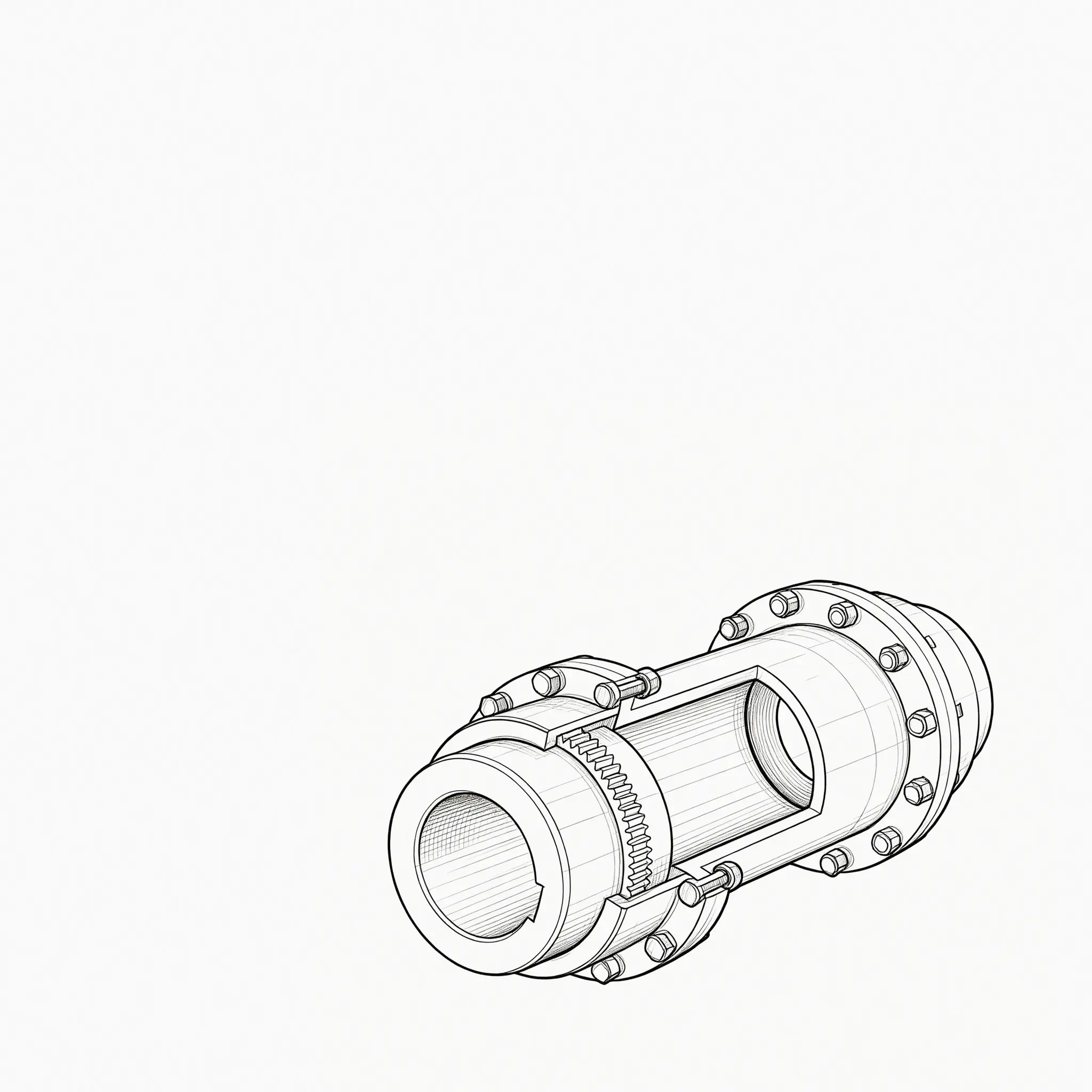
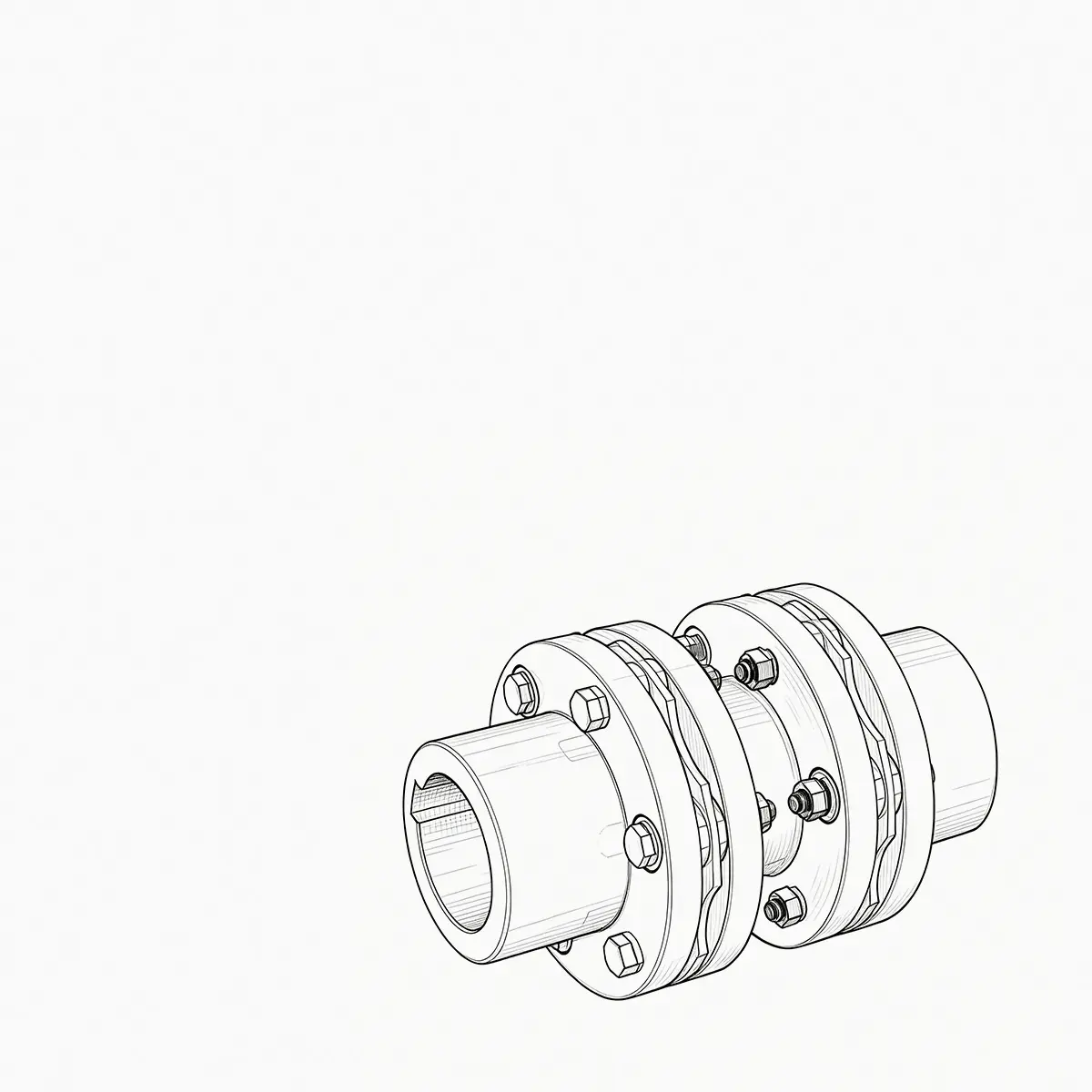
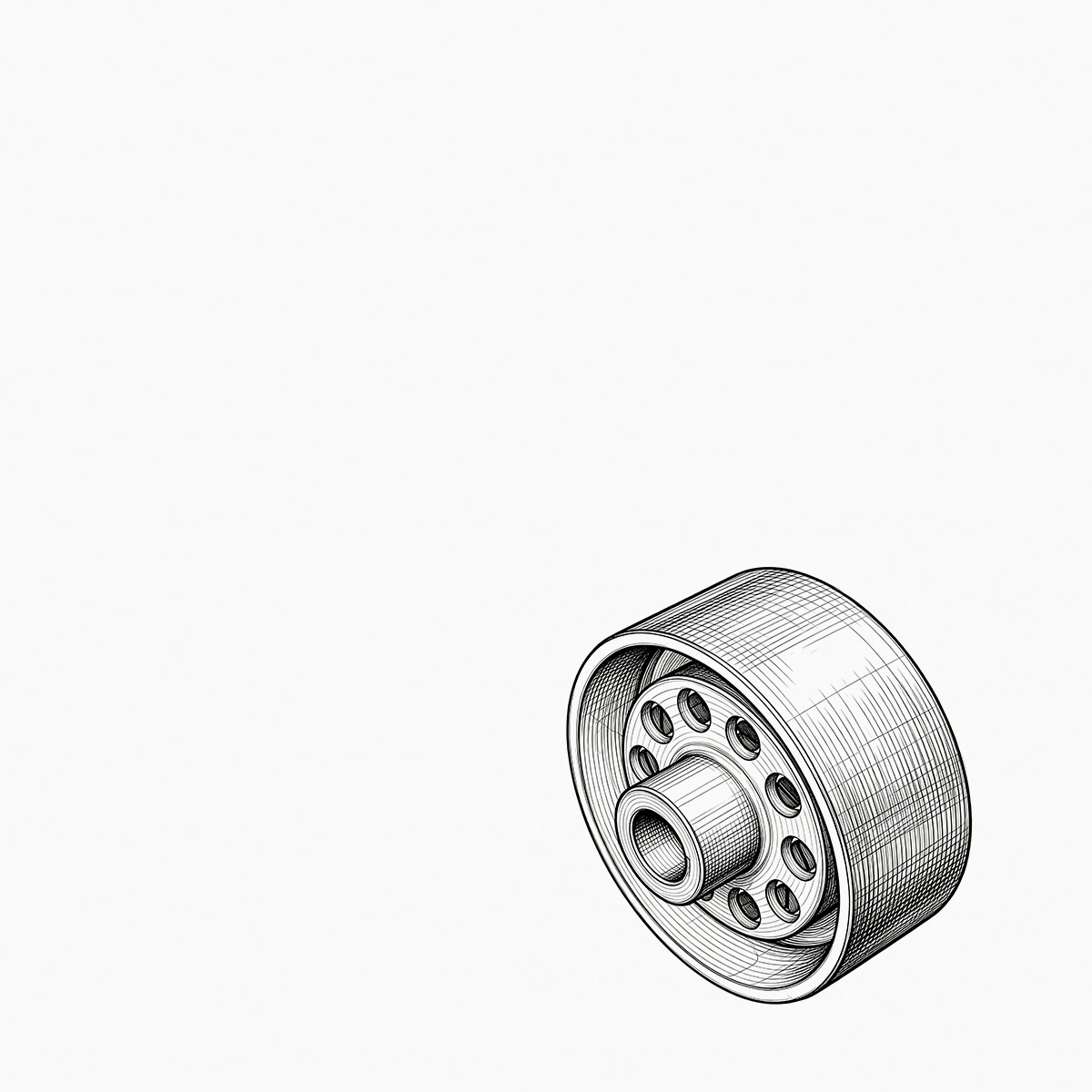
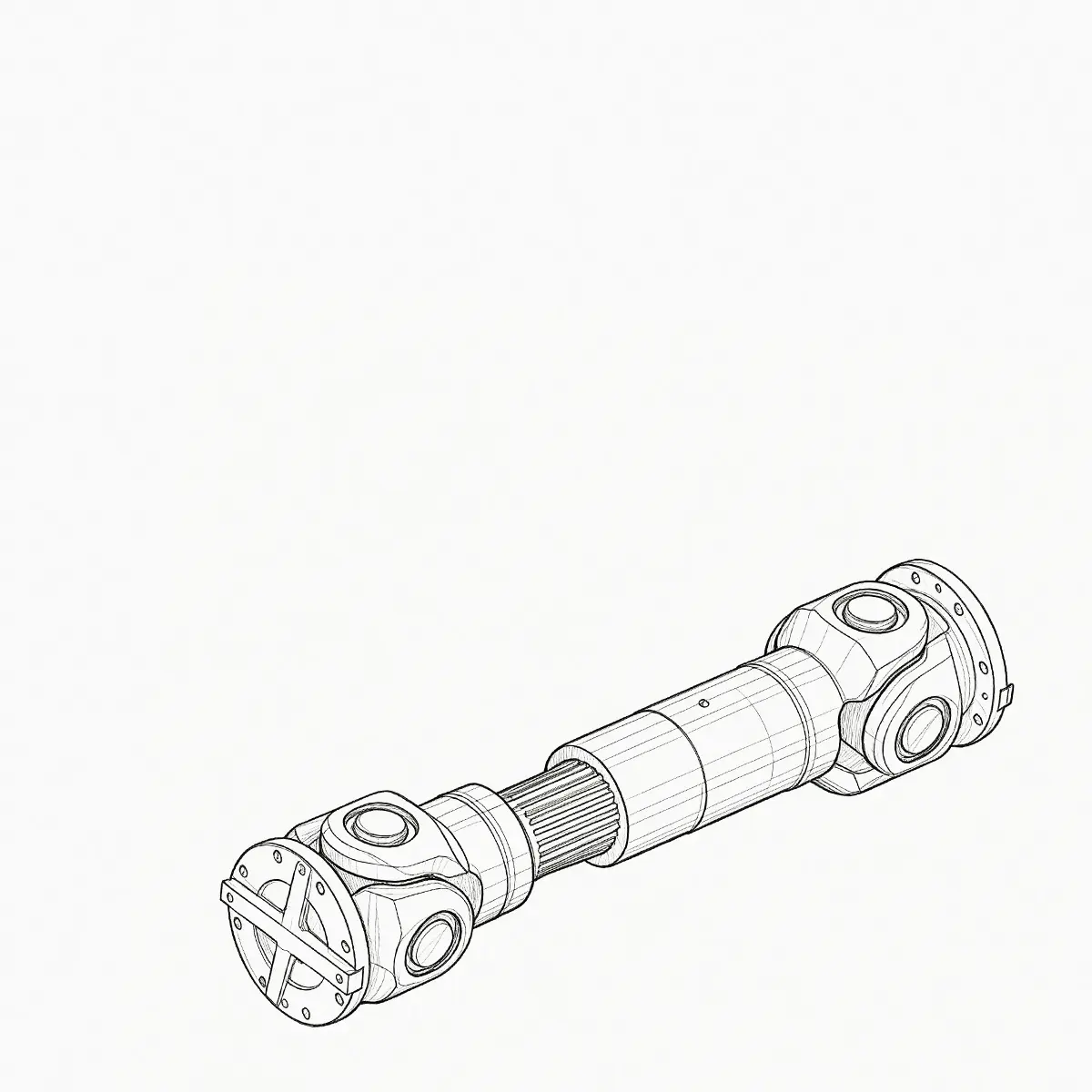
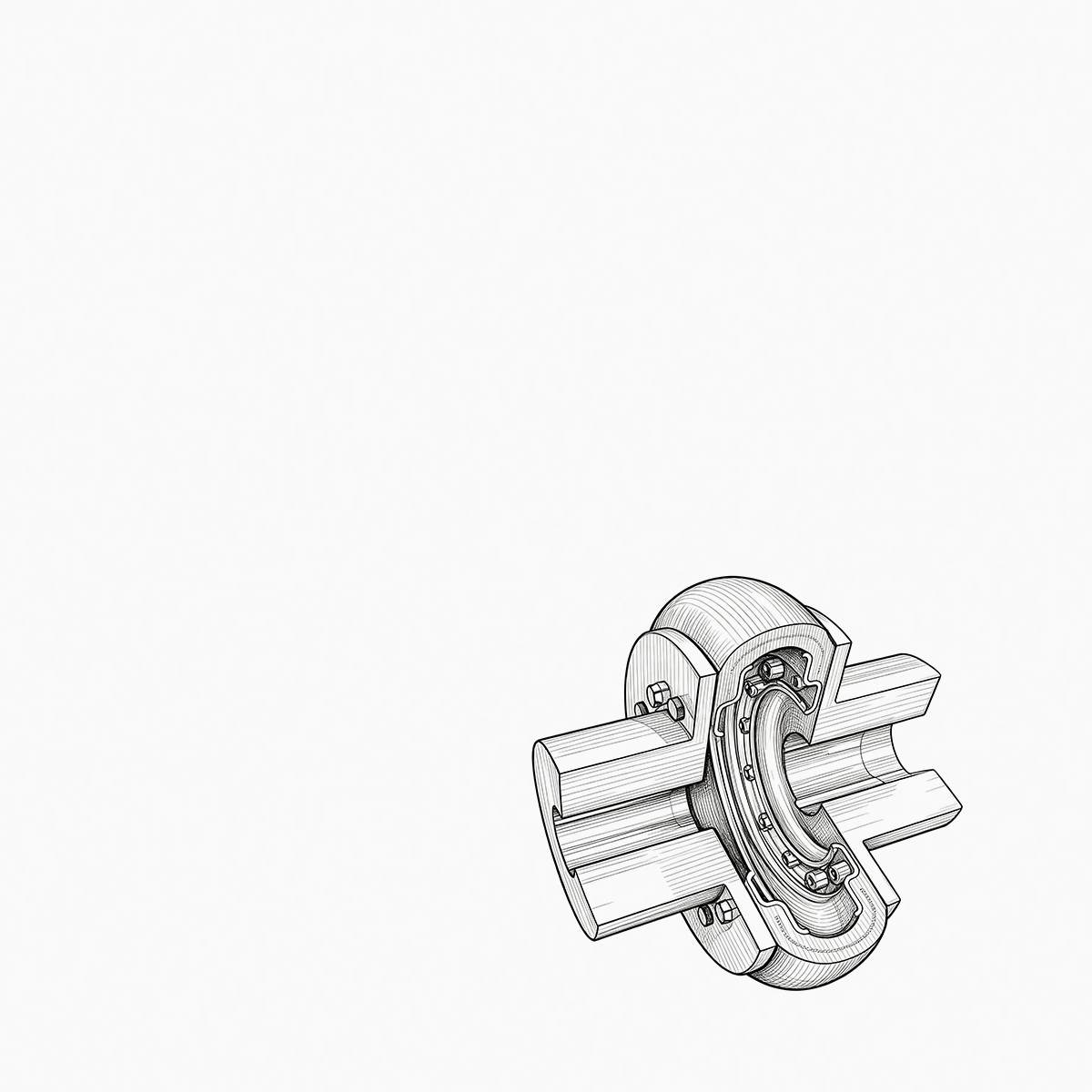

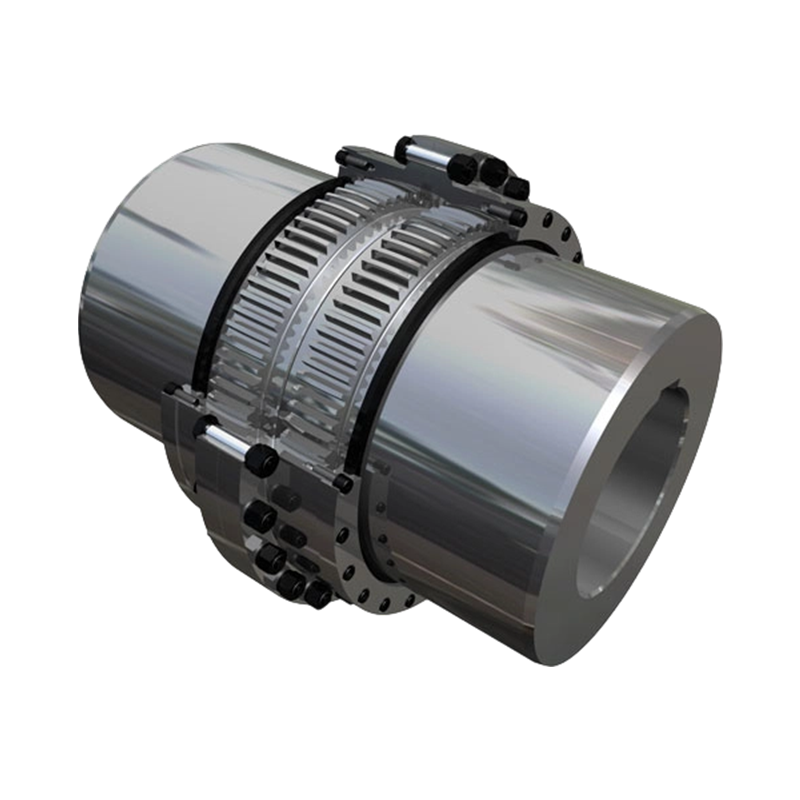
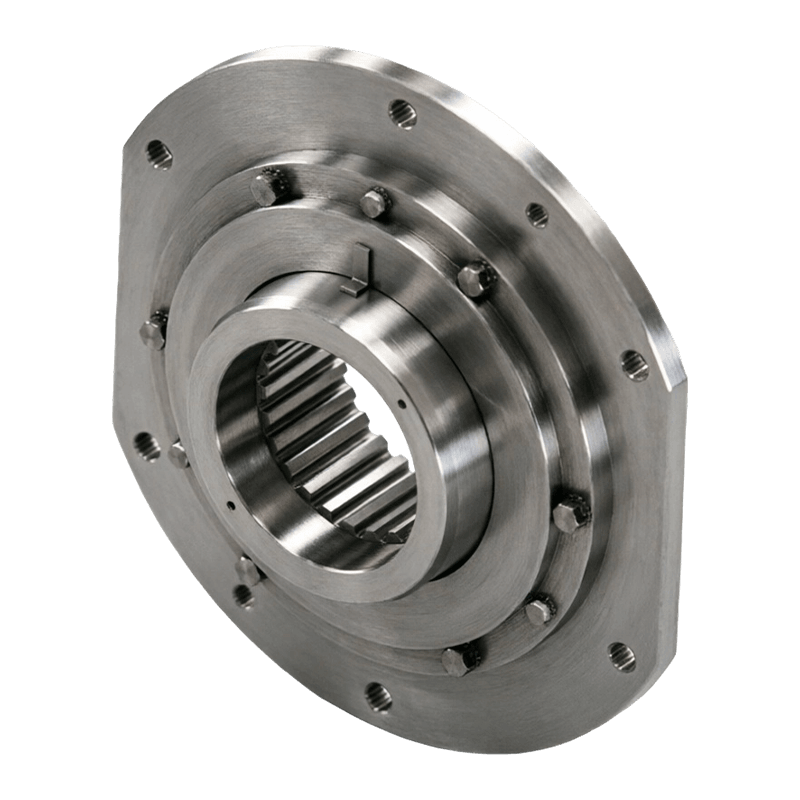
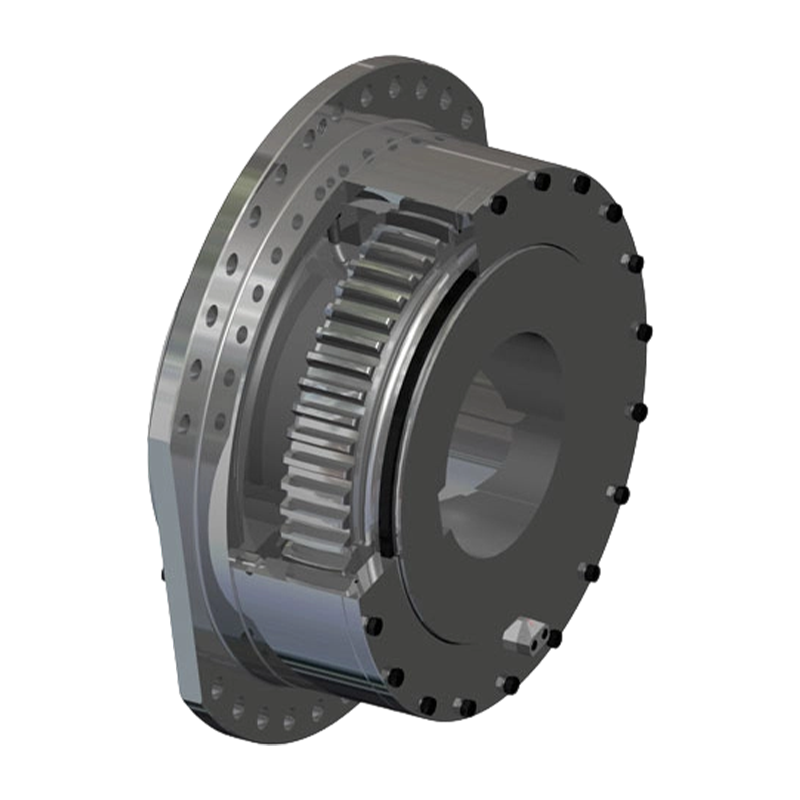
A mill drive rarely fails without warning. It knocks at speed, throws a smear of dark grease around the sleeve flange, ...
READ MORE
WZL Type Drum Coupling for Hoisting: Design, Performance, Manufacturing Quality, and Application Guide
Admin 2026-10-25Content
- 1 Why Coupling Selection Matters in Hoisting Equipment
- 2 Structural Design of the WZL Type Drum Coupling
- 3 Operating Principle
- 4 Performance Advantages Compared with Conventional Alternatives
- 5 Applications in Hoisting and Material Handling
- 6 Application Selection Considerations
- 7 Manufacturing Strengths of the Supplier
- 8 Manufacturing Process Considerations
- 9 Installation Guidance
- 10 Maintenance and Service Life
- 11 Safety Considerations
- 12 Why Work with an Experienced Coupling Manufacturer
- 13 Competitive Position of the WZL Design
- 14 Purchasing and Customization Information
- 15 Frequently Asked Questions
- 15.1 What is a WZL type drum coupling?
- 15.2 What is the maximum angular displacement it can compensate for?
- 15.3 Can it be used for overhead cranes?
- 15.4 How does it differ from a rigid coupling?
- 15.5 How does it differ from an elastomeric coupling?
- 15.6 Does the coupling eliminate the need for shaft alignment?
- 15.7 What is the purpose of the life indicator?
- 15.8 What information is needed to select the correct size?
- 15.9 What maintenance does the coupling require?
- 15.10 Can the coupling be customized?
- 15.11 Is the WZL coupling suitable for outdoor service?
- 15.12 What should be done if the coupling becomes noisy?
- 15.13 Why choose a manufacturer that also produces other coupling types?
- 16 Conclusion
- 17 References
- 18 Product: WZL Type Drum Coupling (for Hoisting)
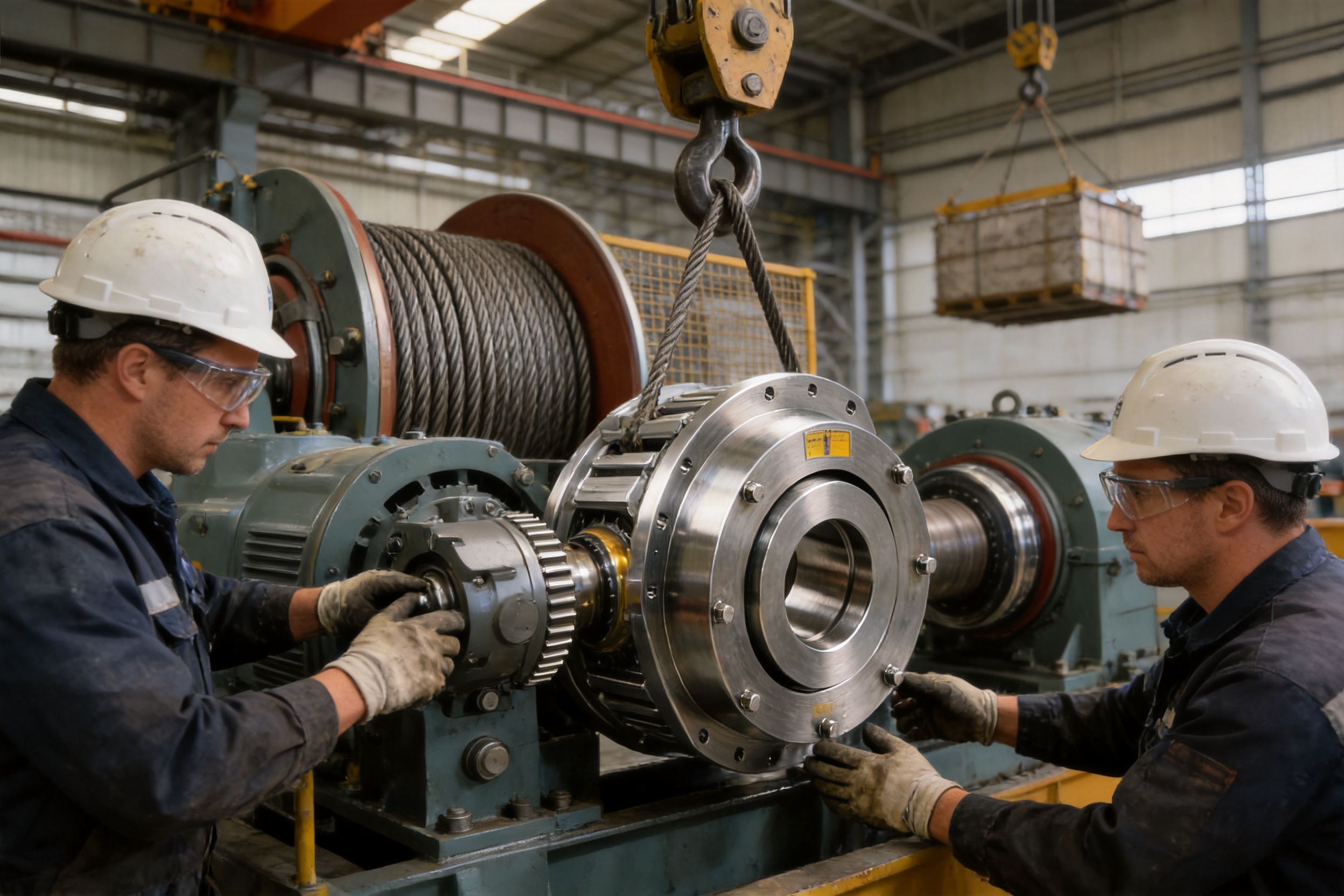
Hoisting equipment operates under demanding mechanical conditions. Cranes, lifting systems, winches, and material-handling machinery must transmit high torque while coping with shock loads, vibration, radial forces, changing operating cycles, and small but significant alignment errors. A coupling installed in such equipment is therefore much more than a simple connection between two shafts. It is a critical power-transmission component that influences safety, uptime, maintenance cost, and the service life of connected machinery.
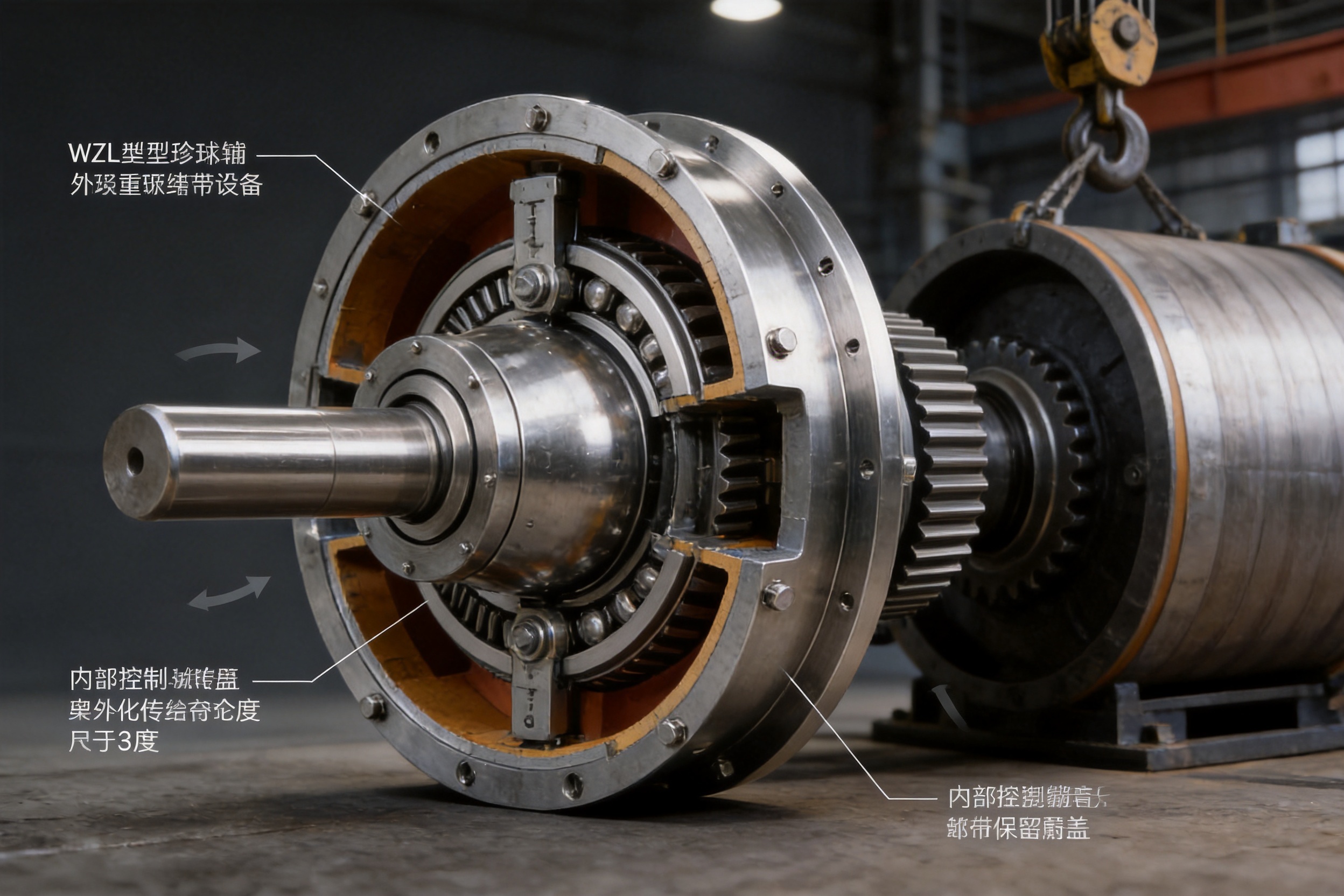
The WZL type drum coupling for hoisting is designed for this type of heavy-duty service. Its spherical joint structure combines a spherical inner connection flange with an outer spherical half-coupling sleeve. This arrangement creates a controlled ball-joint interface that allows torque to pass smoothly while accommodating angular displacement between connected components. The design can compensate for angular misalignment of up to 3°, making it suitable for hoisting arrangements in which the drum, gearbox, motor, and supporting structure may not remain perfectly aligned during operation.
Unlike a basic rigid connection, the WZL coupling can absorb the effects of installation tolerances, structural deflection, thermal movement, and operating vibration. Unlike some flexible couplings that depend primarily on an elastomeric element, its load-transmitting structure is intended for substantial torsional and radial loading. This makes it particularly relevant to industrial lifting equipment where reliability and load control are essential.
Manufactured and supplied by Zhenjiang Orienthold Machinery Co., Ltd., the WZL type drum coupling reflects the company’s experience in industrial couplings, shaft-transmission products, and machinery for demanding sectors. The company integrates design, production, inspection, and service, allowing customers to obtain a coupling that can be selected, configured, manufactured, and supported according to the operating requirements of the complete machine.
Why Coupling Selection Matters in Hoisting Equipment
A hoisting system commonly includes an electric motor, brake, gearbox, coupling, drum, rope arrangement, and structural support. Every element must work together under frequent starts and stops. During lifting, the drive may be exposed to acceleration torque. During lowering, it may experience braking torque and load reversal. Emergency stops and positioning operations can create additional dynamic effects.
In such conditions, a coupling must perform several functions at once. It must transmit torque without excessive backlash, tolerate permissible misalignment, maintain the relative position of connected components, and resist wear caused by repeated duty cycles. It should also support practical inspection and maintenance procedures so that developing problems can be identified before they lead to an unplanned shutdown.
A coupling that is too rigid may transfer alignment errors and structural deformation directly into the gearbox, drum, or motor bearings. A coupling with insufficient torsional capacity may suffer accelerated wear, deformation, or failure when exposed to peak loading. A coupling with inadequate retention may allow components to move axially or radially. The consequences can include vibration, noise, uneven rope winding, bearing damage, gear wear, and increased risk to the complete lifting installation.
The WZL type drum coupling addresses these concerns through a spherical connection, controlled internal splined transmission, specially engineered key, and inner and outer retaining covers. Together, these features create a coupling intended to maintain torque transmission and component security while allowing controlled angular movement.
Structural Design of the WZL Type Drum Coupling
Spherical Inner Connection Flange
The inner spherical connection flange is one of the defining elements of the WZL design. Its curved contact surface works with the outer spherical half-coupling sleeve to form a ball-joint interface. Instead of forcing two connected components to remain on exactly the same centerline, the spherical structure permits controlled angular movement within the specified operating range.
This geometry is valuable in hoisting equipment because alignment can change under load. A drum may deflect slightly when carrying a heavy suspended load. A frame may experience elastic deformation. Bearing housings can move by a small amount, and installation conditions may introduce minor angular deviations. The spherical interface helps accommodate these changes without requiring the coupling to act as a completely rigid link.
The spherical design also supports smooth movement when angular displacement occurs. A properly manufactured and assembled spherical interface distributes contact forces more effectively than a simple point or edge contact. This helps reduce localized stress and supports stable service under repeated movement.
Outer Spherical Half-Coupling Sleeve
The outer spherical half-coupling sleeve surrounds and cooperates with the inner spherical connection flange. Its role is to provide the external structural connection while allowing the inner and outer components to articulate within the permitted angle. This arrangement separates the functions of articulation and torque transmission, helping the coupling carry movement without losing the controlled transfer of drive power.
The sleeve must maintain sufficient strength and dimensional accuracy to resist the forces generated during lifting and braking. Its shape contributes to the overall compactness of the coupling and helps protect internal transmitting components from external contamination and accidental disturbance.
Transmission Key
The specially engineered transmission key supports positive load transfer between the relevant coupling components. Keyed transmission is important in applications where reliable torque transfer is required during acceleration, deceleration, reversing, and intermittent shock loading.
The key must be correctly fitted, dimensioned, and retained. Poorly manufactured or improperly installed keys can create backlash, impact loading, fretting, and concentrated stress. A precision-produced key and matching keyway help the coupling transmit torque consistently and reduce the risk of uneven contact.
Inner and Outer Retaining Covers
The inner and outer retaining covers help maintain the position of the spherical and transmitting components. Retention is particularly important in equipment subject to vibration and changing load direction. The covers contribute to assembly security and help protect the internal mechanism during operation.
They also provide a practical boundary around the working parts of the coupling. Depending on the installation arrangement, this can assist with lubrication control, contamination protection, and routine inspection. The retaining system should always be checked according to the equipment manufacturer’s maintenance instructions.
Internally Controlled Splined Sleeve
The internally controlled splined sleeve is designed to transmit torque through a controlled spline connection. Splines offer multiple contact surfaces around the circumference, allowing torque to be distributed across several teeth rather than concentrated at a single key interface. This is useful when the coupling must transmit substantial torque in a restricted installation space.
The spline arrangement is also suitable for controlled relative movement between connected parts, depending on the specific configuration. Proper control of spline geometry, fit, surface condition, and lubrication is essential. When these factors are managed correctly, the spline can support stable power transmission with limited backlash and reliable load distribution.
Operating Principle
During operation, the driving shaft or connected drive component applies torque to one half of the coupling. The transmission key and spline arrangement transfer this torque through the coupling body to the driven component, which may be connected to a hoisting drum or related mechanism. The spherical interface permits angular movement while the torque-transmitting elements remain engaged.
The coupling does not eliminate every form of misalignment. Instead, it compensates for angular displacement within a specified limit. The stated compensation capability is up to 3°. This value should be treated as a design limit rather than a target operating condition. Correct shaft alignment remains necessary, because excessive misalignment can increase contact pressure, accelerate wear, and reduce the service life of the coupling and connected bearings.
As the hoisting equipment starts, stops, or changes direction, the coupling must respond to changing torque. The spherical structure helps accommodate angular variation, while the key and spline system maintain positive drive transmission. The retaining covers help prevent unwanted movement of internal parts. The result is a mechanical connection intended to provide stable operation under demanding duty conditions.
The coupling’s function can be summarized in four principal tasks:
1. Transmit torque between connected hoisting components.
2. Accommodate controlled angular misalignment.
3. Resist torsional, radial, and dynamic operating loads.
4. Support maintainable and secure long-term operation.
Performance Advantages Compared with Conventional Alternatives
Improved Misalignment Compensation
A rigid shaft connection requires the connected shafts and housings to remain highly accurate relative to one another. Although rigid connections can be effective in stable, precisely aligned machinery, they may transfer structural movement directly into the connected equipment. The WZL type drum coupling offers a more tolerant alternative by accommodating angular displacement up to 3°.
This can simplify the practical installation of hoisting machinery and reduce the influence of normal frame deflection. It does not remove the need for alignment, but it gives the system additional mechanical tolerance. This is a significant advantage over rigid couplings when a drum and drive assembly experience changing loads.
Positive Torque Transmission
Some flexible coupling designs depend on a resilient element to transmit torque. Such elements can provide excellent vibration isolation, but they may be sensitive to temperature, aging, chemical exposure, compression set, or repeated overload. The WZL design uses a structural key and internally controlled spline arrangement to provide positive torque transmission.
This configuration is well suited to equipment requiring reliable power transfer during starts, stops, reversing, and braking. By distributing torque through controlled mechanical interfaces, the design aims to reduce backlash and avoid the inconsistent response that can occur when a flexible element becomes worn or permanently deformed.
Suitability for Heavy Radial and Torsional Loads
Hoisting systems may impose radial forces in addition to torque. These forces can result from drum loading, rope tension, structural deflection, bearing reactions, and uneven load distribution. The WZL coupling is designed for substantial torsional and radial loads, making it more appropriate for heavy industrial duty than a light-duty shaft coupling intended for low-load rotating machinery.
The actual allowable loads depend on the coupling size, material, shaft arrangement, speed, duty cycle, and application conditions. Nevertheless, the structural concept is directed toward heavy-duty power transmission rather than occasional or low-stress service.
Reduced Backlash
Backlash in a hoisting drive can create impact when torque direction changes. It may also reduce positioning accuracy and contribute to noise and vibration. The internally controlled spline and engineered key are intended to minimize unwanted clearance while maintaining necessary assembly and operating movement.
Low backlash is especially useful where the lifting system must stop accurately, coordinate with a brake, or repeatedly position loads at a defined height. Maintaining this advantage requires proper installation, lubrication, and inspection. Wear, contamination, or loose retaining hardware can eventually increase clearance and should be corrected through planned maintenance.
Stable Vibration Behavior
Vibration is a common source of damage in rotating equipment. It may originate from imbalance, misalignment, gear mesh, bearing wear, structural resonance, or changing load conditions. A coupling cannot correct every source of vibration, but a suitable coupling can reduce the amount of alignment stress passed between connected parts.
By allowing controlled articulation and maintaining a secure torque path, the WZL coupling contributes to smoother operation. Lower vibration can help reduce stress on bearings, gearboxes, shaft seats, fasteners, and the hoisting drum structure. It can also improve workplace conditions by reducing noise and mechanical shock.
Integrated Life Indication
A built-in life indicator provides feedback about operating status and supports preventive maintenance. In industrial machinery, a component may continue to rotate even while wear is developing. Visual or mechanical indication can help maintenance personnel identify when inspection or replacement should be considered.
The life indicator is not a substitute for a maintenance program. Operators should still monitor vibration, temperature, noise, lubrication condition, backlash, visible wear, and fastening security. Its value is that it adds another source of condition information and can help maintenance teams make decisions before a failure affects production.
Applications in Hoisting and Material Handling
Overhead Cranes
Overhead cranes operate in factories, warehouses, steel plants, ports, workshops, and production facilities. Their lifting mechanisms may experience frequent load cycles, repeated acceleration, and braking. The WZL type drum coupling can be used in suitable crane drum and hoisting-drive arrangements where torque transmission and angular compensation are required.
In overhead crane service, the coupling can help accommodate small changes in the relationship between the gearbox and drum. These changes may occur as the bridge structure, trolley frame, or hoisting frame responds to the suspended load. Correct selection must consider rated lifting capacity, drum torque, duty classification, speed, shaft dimensions, braking conditions, and environmental exposure.
Gantry Cranes
Gantry cranes often operate outdoors and may be exposed to dust, humidity, rain, temperature variation, and wind-induced movement. Their hoisting drives can also experience heavy and irregular working cycles. A robust drum coupling with protected internal components and controlled articulation can be beneficial in this environment.
Outdoor installations require special attention to sealing, corrosion protection, lubrication, and inspection intervals. Customers should confirm the required material and surface-treatment specifications when the coupling will operate in marine, coastal, chemical, or highly humid conditions.
Winches and Lifting Drums
Industrial winches and lifting drums depend on dependable torque transfer to wind and unwind wire rope or other lifting media. Uneven loading can generate radial forces and structural deflection. The WZL design can support the connection between a drive arrangement and drum where the mechanical configuration and load requirements are compatible.
For winch service, it is important to evaluate starting torque, peak torque, braking torque, rope tension, drum inertia, acceleration time, and the frequency of load reversals. A coupling chosen only according to nominal motor power may be undersized if the application has high inertia or severe shock loading.
Construction and Heavy Material Handling Equipment
Construction hoists, transfer systems, lifting platforms, and material-handling machines may require compact, durable couplings that function reliably despite structural movement. The coupling can be considered for applications in which a spherical connection and high mechanical load capacity are advantageous.
Construction environments commonly include dust, vibration, temporary installation conditions, and variable maintenance access. A coupling with a robust mechanical design can help, but installation protection and scheduled inspection remain essential for maintaining performance.
Metallurgical and Mining Equipment
Metallurgical and mining machinery often operates under high loads, abrasive dust, elevated temperatures, and irregular duty cycles. Conveying, lifting, charging, and processing equipment may transmit large torque and experience shock loading. The WZL coupling’s structural load path and misalignment capability make it a candidate for selected heavy industrial drives.
In high-temperature or abrasive environments, application engineering should address lubricant selection, heat transfer, sealing, material grade, surface protection, and cleaning procedures. The correct coupling specification must be confirmed using actual operating data rather than general application categories alone.
Application Selection Considerations
Choosing the correct WZL type drum coupling requires more than matching shaft diameter. A proper technical review should include the following information:
• Rated motor power and operating speed.
• Normal, peak, and braking torque.
• Shaft diameters, shaft lengths, and keyway dimensions.
• Required angular compensation.
• Radial loads and bending moments.
• Starting frequency and duty cycle.
• Direction of rotation and frequency of reversing.
• Ambient temperature, humidity, dust, and chemical exposure.
• Available installation space and access for maintenance.
• Required service life and inspection intervals.
• Applicable equipment and safety standards.
Peak torque deserves particular attention. A lifting system may have a relatively moderate continuous power requirement but a much higher short-duration torque during acceleration, emergency stopping, or load reversal. The coupling should be rated for these transient conditions, with an appropriate service factor established by the equipment designer.
| Selection Factor | Why It Matters | Recommended Engineering Action |
|---|---|---|
| Rated torque | Defines the continuous torque that the coupling must transmit. | Compare the operating torque with the selected coupling’s allowable rating. |
| Peak and braking torque | Hoisting systems can generate short-duration overloads during starting and stopping. | Apply a suitable service factor and review transient conditions. |
| Angular misalignment | Misalignment creates contact stress and affects wear. | Keep actual displacement within the stated limit of up to 3°. |
| Radial load | Drum and rope forces can impose additional load on the coupling. | Verify radial capacity and bearing reactions in the complete assembly. |
| Speed | Higher speed increases centrifugal effects, balance requirements, and heat generation. | Confirm operating speed and balancing requirements with the supplier. |
| Environment | Dust, moisture, temperature, and chemicals influence wear and corrosion. | Specify suitable sealing, lubrication, material, and surface protection. |
| Installation space | Limited access can affect assembly and maintenance. | Check overall dimensions, removal clearance, and service accessibility. |
| Maintenance requirements | Inspection and lubrication affect service life. | Establish a maintenance plan before commissioning the equipment. |
Manufacturing Strengths of the Supplier
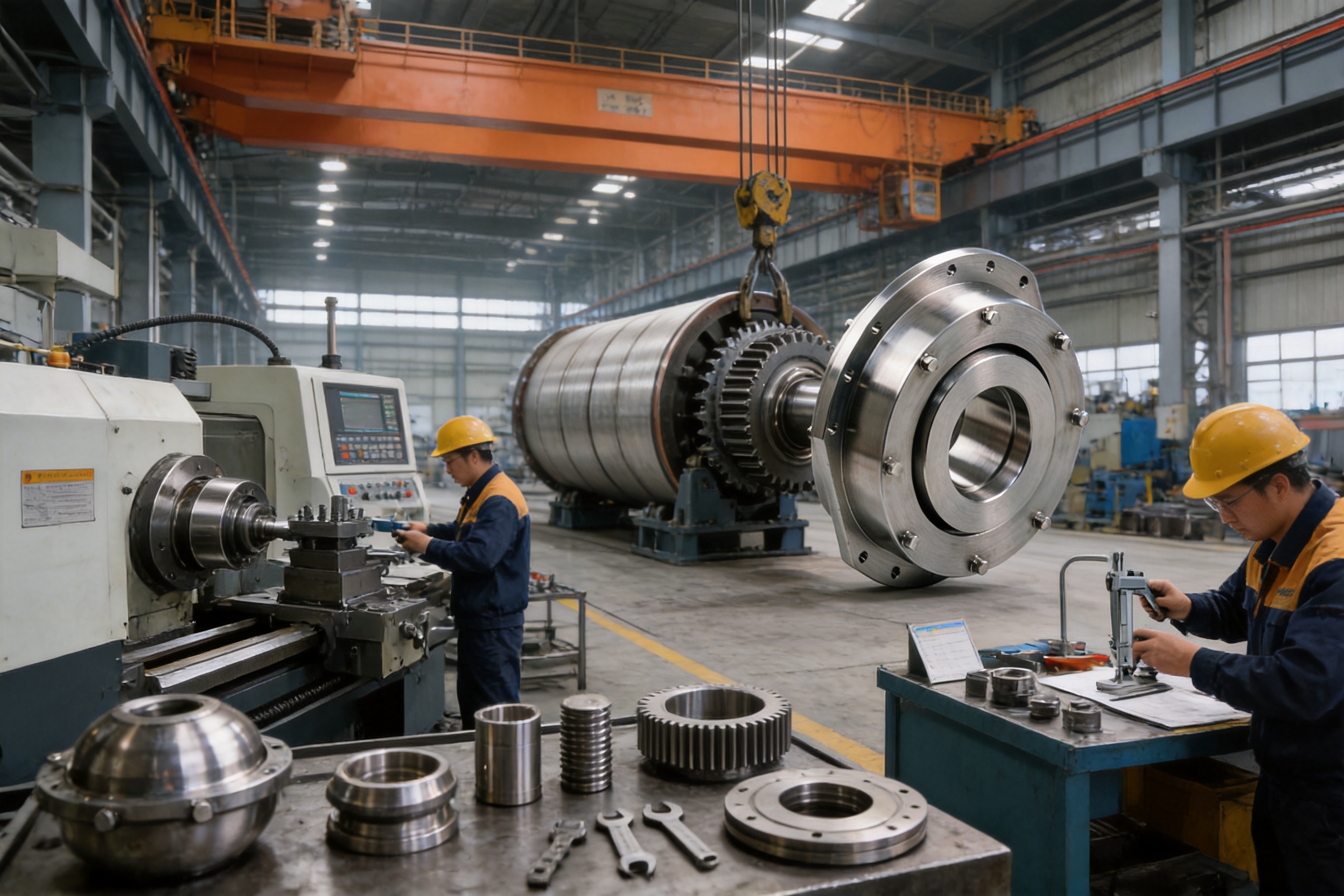
Zhenjiang Orienthold Machinery Co., Ltd. is a medium-sized enterprise specializing in couplings and papermaking machinery. Its business integrates design, production, and service. This integrated structure is valuable for industrial coupling customers because product performance depends not only on the basic design but also on manufacturing consistency, dimensional inspection, application support, and after-sales communication.
The company reports strong technical capabilities, advanced production equipment, and comprehensive testing methods. These resources support the production of couplings for transportation, metallurgy, chemical engineering, mining, construction, and hoisting applications. Such industry coverage indicates experience with different load conditions, installation arrangements, and operational environments.
Integrated Design and Production
Design and production capability within one organization can shorten communication paths. Customers can discuss shaft dimensions, torque requirements, misalignment, environmental conditions, and installation limitations with a technical team familiar with the manufacturing process. This helps reduce the risk of a product being selected solely from a general catalogue without considering the actual equipment.
Integrated production also allows engineering feedback to influence future product improvement. Manufacturing personnel can identify recurring assembly concerns, dimensional challenges, material requirements, or maintenance issues and communicate these observations to the design team. This connection between engineering and production is important for products such as drum couplings, where fit, alignment, retention, and surface condition all affect operating life.
Quality Supervision System
The company operates under a strict quality supervision system with inspection and testing equipment. For a coupling, quality supervision should cover raw material control, dimensional accuracy, key and spline geometry, surface condition, assembly fit, retention components, and final inspection.
A quality system is especially important for spherical couplings because the mating surfaces must work together accurately. Errors in spherical geometry can lead to uneven contact, excessive resistance, localized stress, or accelerated wear. Similarly, spline errors can cause backlash, tooth interference, or poor load distribution. Consistent inspection helps reduce these risks.
Compliance with National Standards
The company states that its products comply with national standards. Standards provide a framework for material selection, dimensions, testing, safety, and manufacturing consistency. Customers should identify the standards applicable to their own industry, country, crane classification, and project specification, then confirm the required documentation before ordering.
For international projects, technical documents may also need to include dimensional drawings, material certificates, inspection reports, operating instructions, packing information, and quality records. Early agreement on documentation can simplify project acceptance and commissioning.
Comprehensive Testing
Testing is a key part of coupling manufacturing. Depending on product design and customer requirements, inspection may include dimensional verification, material testing, hardness testing, surface examination, spline and keyway checks, balancing assessment, assembly inspection, and functional evaluation.
For a hoisting coupling, testing should be related to the actual operating risks. For example, a coupling that will transmit high reversing torque requires careful examination of the torque-transmitting parts. A coupling installed outdoors requires attention to corrosion protection and sealing. A coupling used in a high-cycle crane requires reliable dimensional control and repeatable assembly quality.
Manufacturing Process Considerations
The specific manufacturing route depends on the coupling size, material, design revision, and customer specification. However, a high-quality industrial coupling generally requires a controlled sequence from engineering review through final inspection.
Engineering Review
The process begins with review of the operating conditions. Engineers assess torque, speed, load cycles, shaft dimensions, misalignment, environment, and installation constraints. This information is used to confirm the coupling size and determine whether modifications are required.
For custom or project-specific orders, the engineering review may also consider flange dimensions, special keyways, spline requirements, mounting patterns, coating systems, lubrication arrangements, and inspection documentation. Clarifying these points before production helps avoid costly modifications after delivery.
Material Preparation
Materials must be suitable for the required strength, toughness, wear resistance, and environmental performance. The selected material should support the loads imposed on the spherical interface, spline, key, covers, and connecting components. Material traceability can be important for projects that require formal quality records.
Where the coupling is intended for severe conditions, the material and surface treatment may need to address corrosion, abrasive particles, temperature, or chemical exposure. These requirements should be defined during the technical quotation stage.
Precision Machining
Machining controls the dimensions and geometry of the spherical surfaces, bores, keyways, spline components, and mounting features. Accurate machining is essential because the coupling’s performance depends on the relationship between its internal and external components.
The spherical surfaces require particular attention. They must provide the intended articulation without excessive clearance or binding. The spline must provide sufficient tooth engagement and controlled backlash. Keyways must be correctly positioned and finished so that the key transfers torque without creating unnecessary stress concentration.
Heat Treatment and Surface Control
Where specified by the material and design, heat treatment can improve strength, hardness, toughness, or wear resistance. The treatment must be controlled so that the component achieves the required properties without distortion that could compromise dimensional accuracy.
Surface finishing may include machining, grinding, coating, plating, or other protective processes. The correct finish depends on the contact conditions and environment. Contact surfaces should not be treated in a way that interferes with movement, lubrication, or dimensional fit.
Assembly and Inspection
During assembly, the spherical flange, sleeve, key, spline, retaining covers, and other components must be fitted according to the approved design. Inspection verifies that the coupling moves as intended, transmitting parts engage correctly, and retaining components are secure.
Final inspection should confirm critical dimensions, marking, rotation direction where relevant, lubrication provisions, and packaging protection. The completed product should be protected from moisture, impact, and contamination during storage and transport.
Installation Guidance
Installation quality has a direct effect on coupling life. Before installation, inspect the shafts, keyways, mounting faces, fasteners, and surrounding structure. Remove burrs, dirt, rust, old lubricant, and foreign particles. Confirm that the shafts are within the specified dimensional tolerances.
Check that the coupling has not been damaged during transport. Verify the model, size, bore, keyway, spline configuration, and supplied accessories against the equipment drawing or purchase specification. Do not force components into position with uncontrolled impact, because this can damage precision surfaces and retaining elements.
Align the connected components as accurately as practical before relying on the coupling’s angular compensation. The 3° compensation capability is intended to accommodate operating displacement, not to correct poor installation. Excessive initial misalignment can produce unnecessary force, wear, and heat from the beginning of service.
Install keys, retaining covers, fasteners, and lubrication components according to the manufacturer’s instructions. Tighten fasteners to the required torque and use the specified locking method. Make sure that the coupling can rotate freely by hand, where safe and practical, before connecting the drive or applying power.
After installation, conduct a no-load or controlled-load trial. Observe unusual noise, vibration, heat, movement, or leakage. Recheck fasteners and alignment after the initial running period, especially in equipment exposed to high vibration or frequent load reversals.
Maintenance and Service Life
A maintenance program should combine scheduled inspection with condition monitoring. The inspection frequency depends on duty class, operating hours, load severity, environment, and manufacturer recommendations. Heavy-cycle cranes may need more frequent checks than occasional-use lifting equipment.
Maintenance personnel should monitor:
• Unusual noise, clicking, knocking, or grinding.
• Increased vibration at the coupling, gearbox, or drum.
• Excessive backlash during reversing or braking.
• Visible cracks, deformation, corrosion, or loose covers.
• Spline wear, key damage, and fretting marks.
• Lubricant contamination, leakage, or insufficient lubrication.
• Changes in the life indicator or other service indication.
• Abnormal temperature compared with previous operating conditions.
• Movement of the coupling relative to the shaft or mounting structure.
Lubrication should be performed with the correct product and at the recommended interval. Using an incompatible lubricant can affect friction, sealing, and surface protection. Over-lubrication can also create problems if it causes pressure buildup or attracts dust. The maintenance team should keep records of lubricant type, inspection findings, operating hours, and corrective action.
If excessive wear is found, inspect the connected components as well as the coupling. Misalignment, damaged bearings, bent shafts, loose foundations, overloaded brakes, or drum deformation may be the underlying cause. Replacing the coupling without correcting the root problem can result in repeated failure.
Safety Considerations
Hoisting equipment presents significant safety risks, and coupling maintenance must be performed under controlled conditions. Before inspection or removal, isolate electrical power, secure the load, apply the required lockout and tagout procedure, and prevent unintended movement of the drum or shaft.
Never inspect a rotating coupling by placing hands or loose clothing near exposed moving parts. Guards should be installed wherever required by the equipment design and applicable regulations. If a guard must be removed for maintenance, it should be replaced before the equipment is returned to service.
Do not exceed the rated capacity of the hoisting system or use a coupling outside its specified speed, torque, temperature, or misalignment limits. If the operating conditions change substantially, such as a higher lifting capacity, faster cycle, different brake, or new drum arrangement, reassess the coupling selection.
Only trained personnel should install, inspect, lubricate, or replace the coupling. Drawings and technical instructions should be available at the work location. Any evidence of cracking, severe wear, loose retention, or uncontrolled movement requires immediate evaluation and, where necessary, removal from service.
Why Work with an Experienced Coupling Manufacturer
Industrial customers often require more than a standard product. They may need dimensional adaptations, special materials, different shaft connections, inspection documents, customized packaging, or support during commissioning. An experienced coupling manufacturer can help translate those requirements into a practical product specification.
Zhenjiang Orienthold Machinery Co., Ltd. provides pre-sales consultation, customization, logistics support, payment flexibility, and maintenance assistance. This one-stop service model can be valuable for international buyers, equipment manufacturers, distributors, and replacement-parts customers.
The company’s product range includes drum gear couplings, diaphragm couplings, elastic sleeve pin couplings, cross universal couplings, plum elastic couplings, elastomeric pin couplings, elastomeric pin gear couplings, crane drum couplings, and tire couplings. This wider product capability allows customers to compare coupling types within one supplier relationship instead of managing separate technical contacts for every transmission arrangement.
Such breadth is useful when a complete machine contains multiple shafts with different requirements. One location may require a spherical drum coupling, another a flexible elastomeric coupling, and another a gear or diaphragm coupling. A supplier familiar with several coupling technologies can help maintain consistency in documentation, quality control, and service.
Competitive Position of the WZL Design
The WZL type drum coupling is not simply a replacement for every other coupling. Its advantage depends on the application. It is particularly competitive when the equipment requires a combination of high mechanical load capacity, controlled angular articulation, positive torque transmission, low backlash, and a maintainable structure.
Compared with a rigid coupling, it offers greater tolerance for angular displacement. Compared with a purely elastomeric coupling, it provides a more mechanical and structurally controlled torque path for demanding torsional and radial service. Compared with a basic keyed sleeve, it offers a more sophisticated spherical connection and improved ability to accommodate movement. Compared with an inadequately specified general-purpose coupling, it provides a design directed specifically toward hoisting and drum-drive conditions.
The most important competitive advantage is the integration of several functions in one design. The spherical interface handles controlled articulation. The key and spline manage torque. The retaining covers support secure assembly. The life indicator supports maintenance planning. This combination can reduce the need to compensate for misalignment with other machine components and can support more predictable operation.
Nevertheless, product selection should always be based on engineering data. No coupling should be selected solely because it has a particular structural feature. The coupling must be correctly sized, installed, lubricated, protected, and maintained. When these conditions are satisfied, the WZL design can provide a strong solution for demanding hoisting drives.
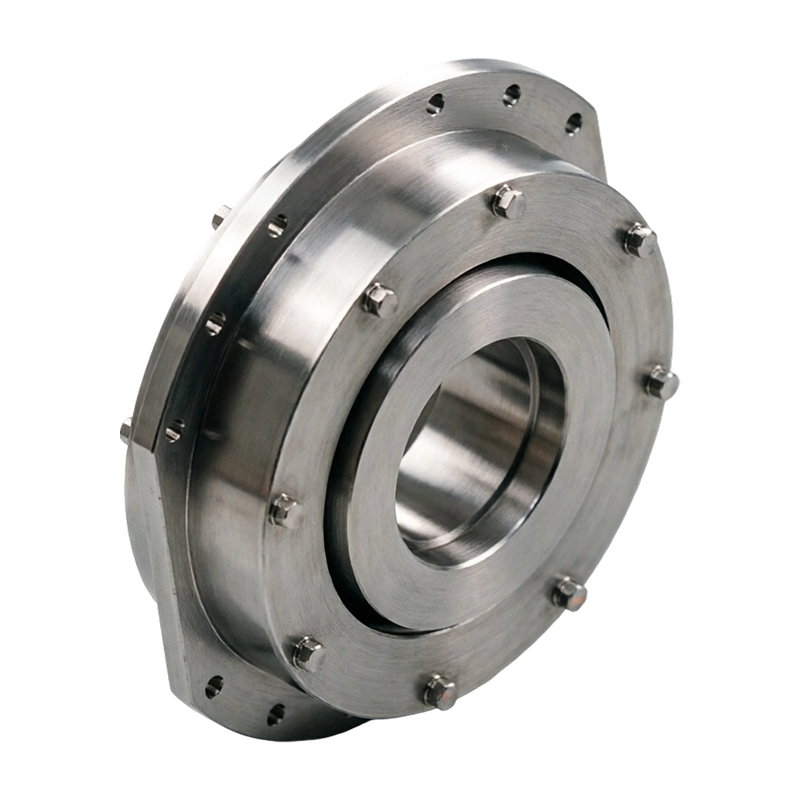
WZL Type Drum Coupling (for Hoisting)
Purchasing and Customization Information
When requesting a quotation, customers should provide a complete technical data package. At minimum, this should include the equipment type, motor power, operating speed, shaft dimensions, keyway data, rated torque, maximum torque, braking conditions, duty cycle, required misalignment, ambient conditions, and installation drawing.
Photographs of the existing coupling and surrounding assembly can assist with replacement identification, but photographs should not replace dimensional verification. Old or worn components may have changed size, and previous installations may not represent the original equipment specification.
For new machinery, customers should request dimensional drawings before finalizing the shaft and housing design. This allows the coupling, drum, gearbox, bearing arrangement, and guard to be coordinated. It also helps confirm service access for lubrication and removal.
Potential customization may include bore dimensions, keyway dimensions, flange details, material selection, corrosion protection, lubrication configuration, marking, packaging, and inspection documentation. Every customization should be evaluated for its effect on torque capacity, balance, alignment, and serviceability.
Frequently Asked Questions
What is a WZL type drum coupling?
The WZL type drum coupling is a spherical joint coupling designed for hoisting and heavy industrial power transmission. It uses an inner spherical connection flange and an outer spherical half-coupling sleeve to accommodate controlled angular movement while transmitting torque through a key and internally controlled spline arrangement.
What is the maximum angular displacement it can compensate for?
The stated compensation capability is up to 3°. This should be regarded as the maximum design limit under suitable operating conditions. Accurate installation alignment is still required, and continuous operation near the maximum angle may increase wear compared with operation at a smaller angle.
Can it be used for overhead cranes?
It can be considered for suitable overhead-crane hoisting drives, crane drums, and related lifting mechanisms. The final selection must be based on motor power, torque, speed, braking conditions, shaft dimensions, duty cycle, radial loading, and the applicable crane design requirements.
How does it differ from a rigid coupling?
A rigid coupling does not intentionally accommodate angular movement. The WZL coupling uses a spherical interface that allows controlled articulation, helping reduce the transfer of certain alignment errors and structural deflections to connected equipment.
How does it differ from an elastomeric coupling?
An elastomeric coupling commonly relies on a flexible polymer element for torque transmission and vibration control. The WZL design uses a mechanical spherical structure, key, and spline system. It is therefore suited to applications where positive mechanical torque transmission and heavy structural loading are more important than the high flexibility of an elastomeric element.
Does the coupling eliminate the need for shaft alignment?
No. It compensates for permitted angular displacement but does not correct poor installation. The shafts, bearings, drum, and gearbox should be aligned as accurately as possible before operation. Excessive or persistent misalignment can shorten coupling life and damage connected components.
What is the purpose of the life indicator?
The built-in life indicator provides operational feedback that can support condition monitoring and preventive maintenance. It should be used together with visual inspection, vibration monitoring, lubrication checks, and review of operating conditions.
What information is needed to select the correct size?
Important information includes rated and peak torque, motor power, speed, shaft diameter, keyway dimensions, radial load, angular misalignment, duty cycle, braking torque, environment, installation space, and required service life. Providing this information allows the supplier to recommend a suitable configuration more reliably.
What maintenance does the coupling require?
Maintenance typically includes inspection of the spherical interface, key, spline, retaining covers, fasteners, lubrication condition, backlash, vibration, and life indicator. The exact interval depends on the application and should follow the manufacturer’s technical instructions and the equipment owner’s maintenance program.
Can the coupling be customized?
Industrial coupling manufacturers commonly provide customization for shaft dimensions, keyways, materials, surface protection, mounting arrangements, lubrication details, and inspection documents. The requested modification should be reviewed by the supplier’s engineering team to confirm that it does not reduce strength, balance, or service life.
Is the WZL coupling suitable for outdoor service?
It may be suitable for outdoor service when correctly specified and protected. Outdoor applications require review of moisture, dust, temperature, corrosion, lubrication, sealing, and maintenance access. Additional surface treatment or environmental protection may be necessary.
What should be done if the coupling becomes noisy?
Stop and inspect the equipment under safe conditions. Check alignment, lubrication, key and spline wear, retaining covers, fasteners, bearings, and connected shafts. Noise may indicate coupling wear, but it can also originate from the gearbox, brake, drum, or bearings. The root cause should be identified before returning the equipment to service.
Why choose a manufacturer that also produces other coupling types?
A supplier with experience in multiple coupling technologies can compare alternatives and support different shaft connections within the same project. This can simplify technical communication, quality documentation, procurement, spare-parts management, and after-sales service.
Conclusion
The WZL type drum coupling for hoisting is designed to address the combined demands of heavy torque transmission, angular movement, radial loading, repeated starts and stops, and long-term industrial service. Its spherical inner flange and outer sleeve form a controlled ball-joint connection capable of compensating for angular displacement up to 3°. Its engineered key, internally controlled spline, and retaining covers support secure and low-backlash torque transmission, while the built-in life indicator contributes to preventive maintenance.
These characteristics give the coupling practical advantages over rigid connections, basic keyed sleeves, and some flexible coupling alternatives when used in suitable crane and hoisting applications. The most important benefit is the combination of controlled articulation and positive mechanical drive transmission in a structure intended for demanding service.
Product performance also depends on manufacturing quality. Zhenjiang Orienthold Machinery Co., Ltd. combines design, production, testing, quality supervision, customization, and service. Its experience across transportation, metallurgy, chemical engineering, mining, construction, papermaking, and hoisting supports the development of coupling solutions for different industrial environments.
For the best result, customers should provide complete operating data, confirm dimensions before manufacture, install the coupling carefully, maintain correct lubrication, monitor the life indicator, and inspect the complete drive system regularly. When properly selected and maintained, the WZL type drum coupling can contribute to smoother operation, reduced vibration, improved equipment reliability, and lower maintenance-related downtime.
References
1. Manufacturer product information for WZL Type Drum Coupling for Hoisting.
2. Manufacturer technical information concerning industrial couplings, shaft couplings, and crane drum couplings.
3. General principles of mechanical power transmission and coupling selection for industrial machinery.
4. General maintenance practices for cranes, hoisting equipment, gearboxes, drums, bearings, and rotating machinery.
5. General engineering guidance on shaft alignment, spline transmission, keyed connections, lubrication, and condition monitoring.
Product: WZL Type Drum Coupling (for Hoisting)
PREV: No previous articleNEXT: UL Type Tyre Coupling: Reliable Shock Absorption, Misalignment Compensation, and Industrial Drive Protection
Be the First to Know
For exclusive deals and latest offers, sign up by entering your email address below.
Related products
News
-
-
Consider a 250 kW crane hoist that begins to vibrate only when the load is lifted. The drum gear coupling is inspected ...
READ MORE -
China's coupling industry is at a critical historical juncture of transformation from scale expansion to quality and eff...
READ MORE -
During a routine vibration survey on a high-speed compressor train, engineers found a 4.5 mm/s velocity spike at the mo...
READ MORE -
Your compressor train is running at 9,800 rpm when the vibration monitor triggers an alarm. The first component your ma...
READ MORE -
A maintenance engineer pulls a failed coupling from a pump drive. The elastomer sleeves are cracked, the pin bolts are ...
READ MORE


ABOUT US
PRODUCTS
INDUSTRIES
CONTACT US
- Phone: +86-18652865511
- Email: sales@ohmach.com
- Address: No.1, Minying Developing Zone, Zhenjiang, Jiangsu, China
Copyright Zhenjiang Orienthold Machinery Co., Ltd. All Rights Reserved.
 Custom Industrial Shaft Coupling Manufacturers