 English
 русский
 Português
 عربى
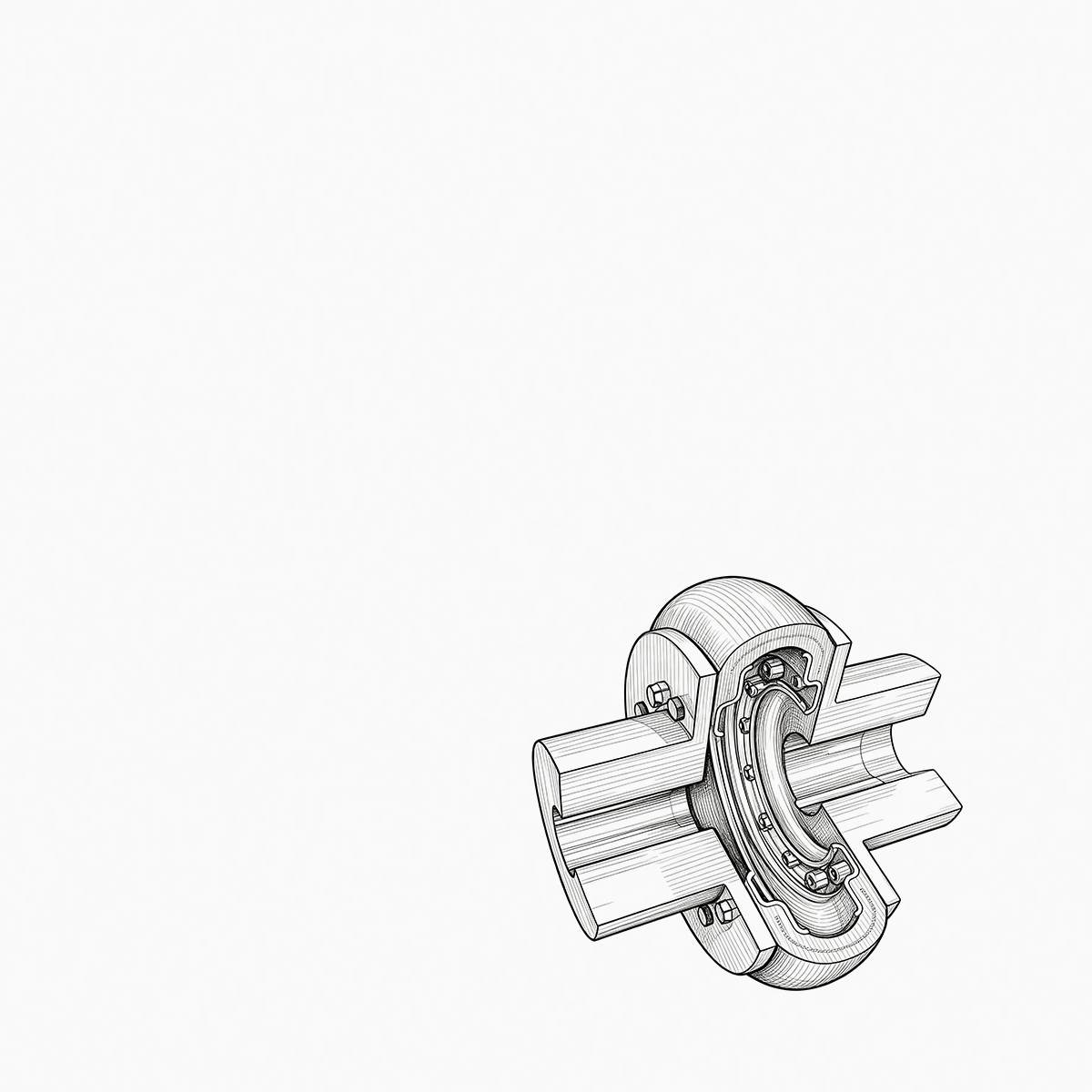

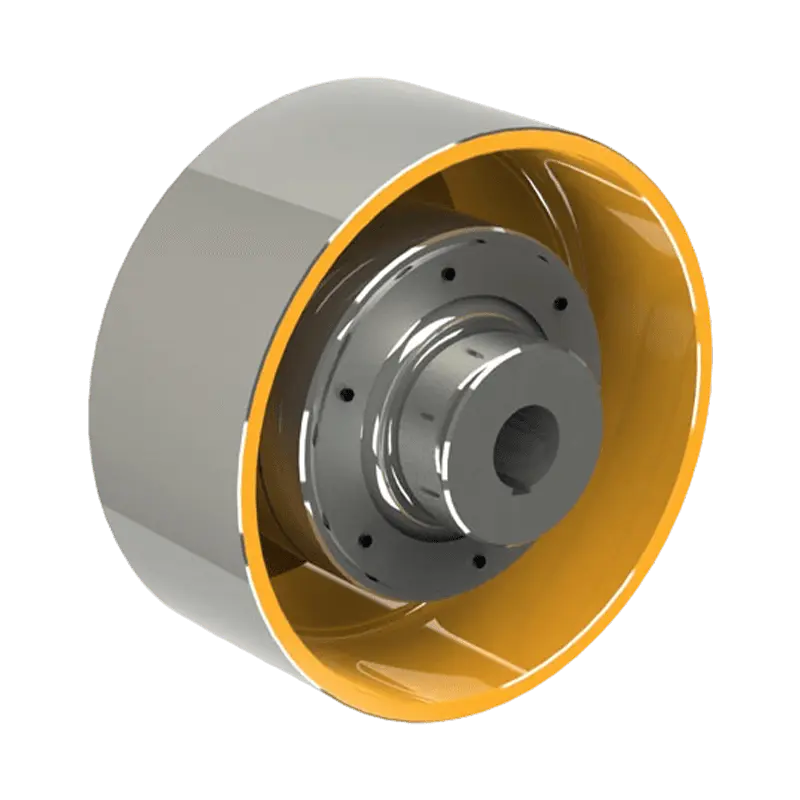
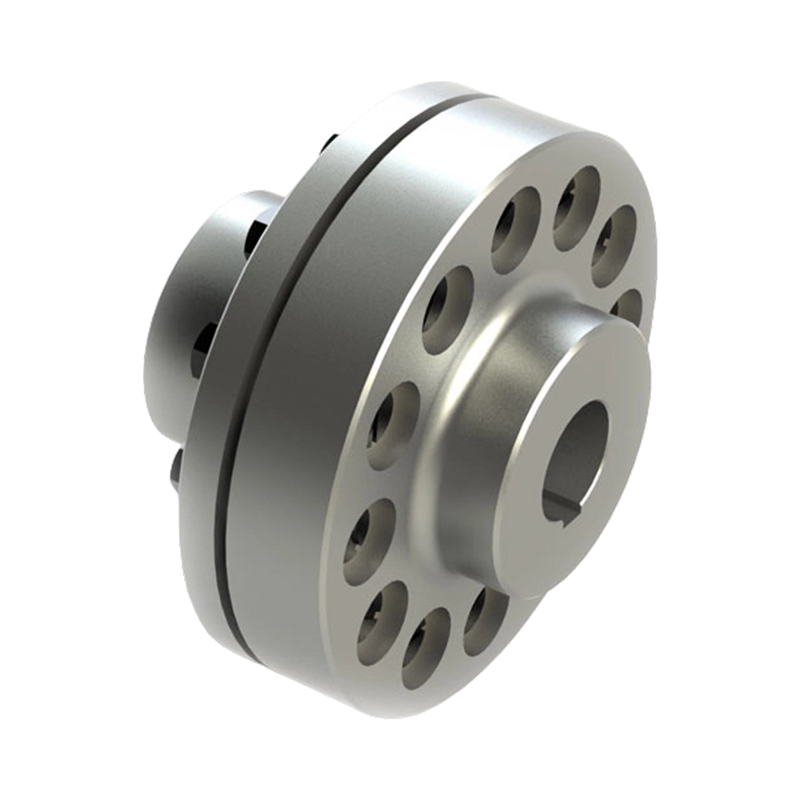
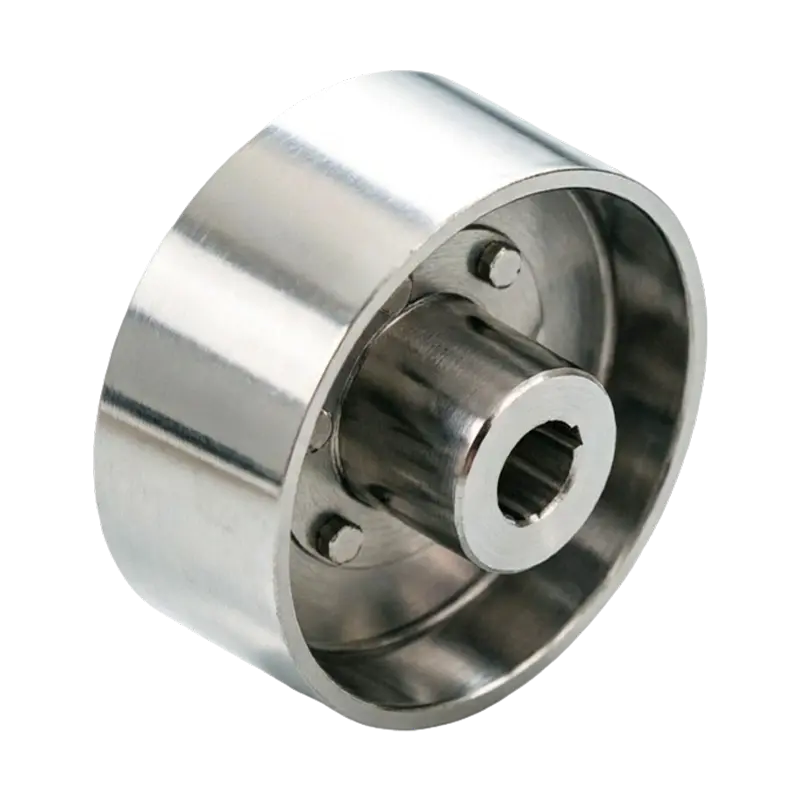
Industrial Couplings: The Definitive Technical Encyclopedia – Classification, Sizing, Failure Prevention, and Lifecycle...
READ MORE
LX(HL) Elastic Pin Coupling: Reliable Torque Transmission for Industrial Machinery
Admin 2026-10-03Content
- 1 Understanding the Role of an Elastic Pin Coupling
- 2 Core Construction and Operating Principle
- 3 Distinctive Advantages of the LX(HL) Design
- 4 LX Type and HL Type: How to Select Between Them
- 5 Applications Across Industrial Sectors
- 6 Advantages Compared with Alternative Coupling Solutions
- 7 Manufacturing and Quality Strengths
- 8 How the Manufacturing Process Supports Product Reliability
- 9 Installation and Commissioning Considerations
- 10 Maintenance and Service Life Management
- 11 Selection Checklist for Buyers and Engineers
- 12 Why Manufacturer Support Matters
- 13 Economic Value and Total Cost of Ownership
- 14 Safety and Responsible Operation
- 15 Questions and Answers
- 15.1 What is the LX(HL) elastic pin coupling used for?
- 15.2 What is the main difference between the LX and HL types?
- 15.3 How does the coupling reduce vibration?
- 15.4 Can the coupling compensate for shaft misalignment?
- 15.5 Are the nylon pins replaceable?
- 15.6 What service life can be expected?
- 15.7 Is the LX type suitable for pumps?
- 15.8 Why is manufacturing quality important for this coupling?
- 15.9 Can the manufacturer provide customized support?
- 15.10 What should be checked before ordering?
- 16 Conclusion
- 17 References
- 18 Product: LX(HL) Elastic Pin Coupling
Industrial transmission systems depend on dependable shaft couplings to transfer torque between connected shafts while accommodating the movement and operating conditions that occur during service. A coupling must do more than join two rotating components. It must help protect connected equipment from vibration, compensate for shaft misalignment, transmit power efficiently, simplify maintenance, and remain economical throughout its working life. The LX(HL) elastic pin coupling is designed to meet these requirements in medium- and low-speed transmission applications.
As an elastomeric pin coupling, the LX(HL) combines a robust metallic construction with non-metallic elastic elements. This arrangement allows the coupling to transmit torque while absorbing a portion of vibration and compensating for permissible shaft displacement. The result is a practical solution for fans, pumps, metallurgical auxiliary equipment, agricultural machinery, chemical pumps, and other industrial drive systems.
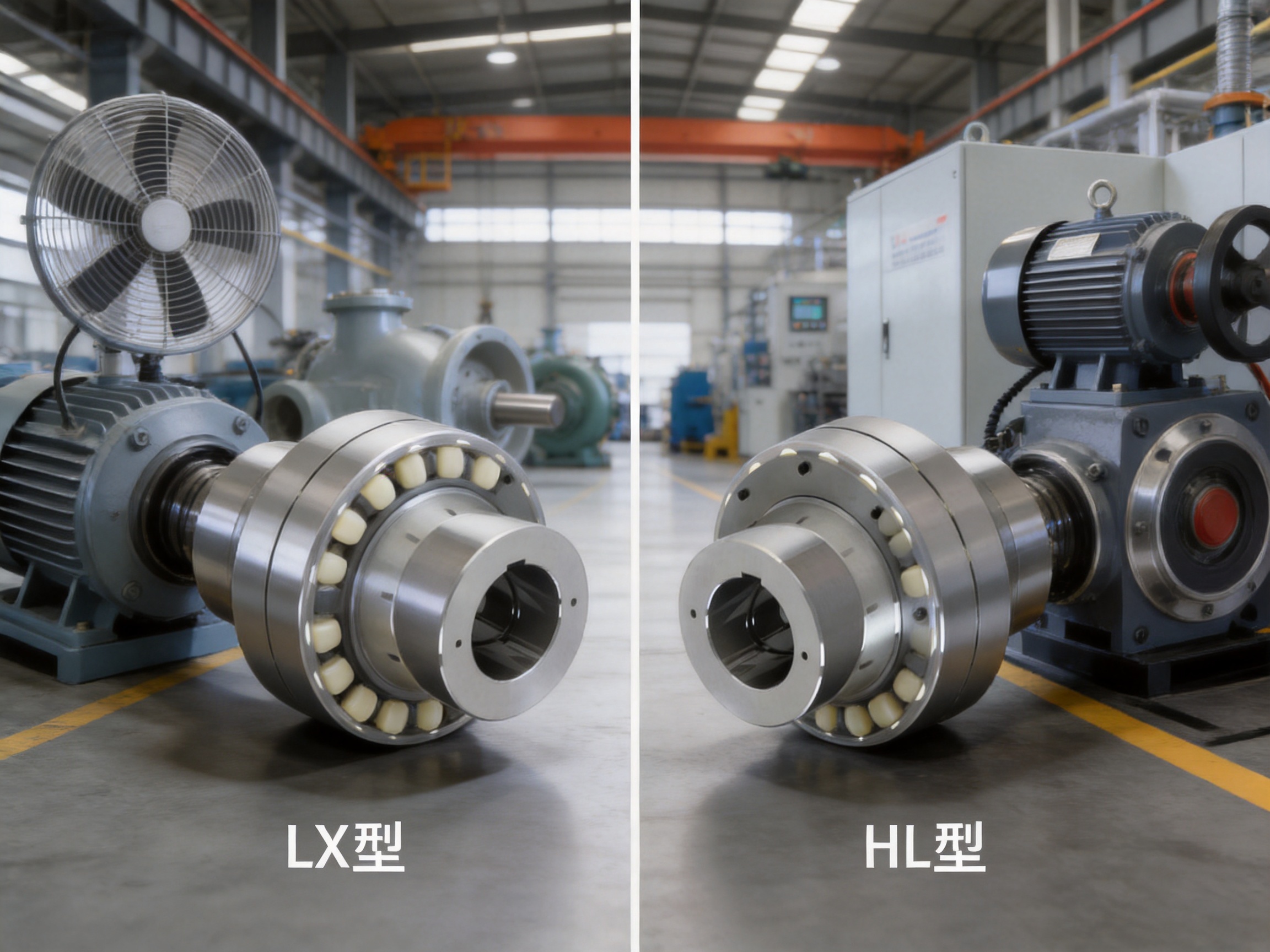
The LX and HL designs share the fundamental advantages of elastic pin coupling technology, but their performance characteristics and preferred application ranges are not identical. The LX type is particularly suitable for general medium- and low-speed drives that require substantial torque capacity, useful axial compensation, and moderate transmission accuracy. The HL type is better suited to applications that demand higher transmission accuracy, frequent changes between high and low speeds, or improved suitability where braking and current-corrosion risks must be considered.
This article examines the design principles, operating advantages, application suitability, maintenance characteristics, selection considerations, and manufacturing strengths associated with the LX(HL) elastic pin coupling. It also explains why a carefully manufactured elastic pin coupling can provide a stronger overall value proposition than less adaptable rigid or poorly engineered alternatives.
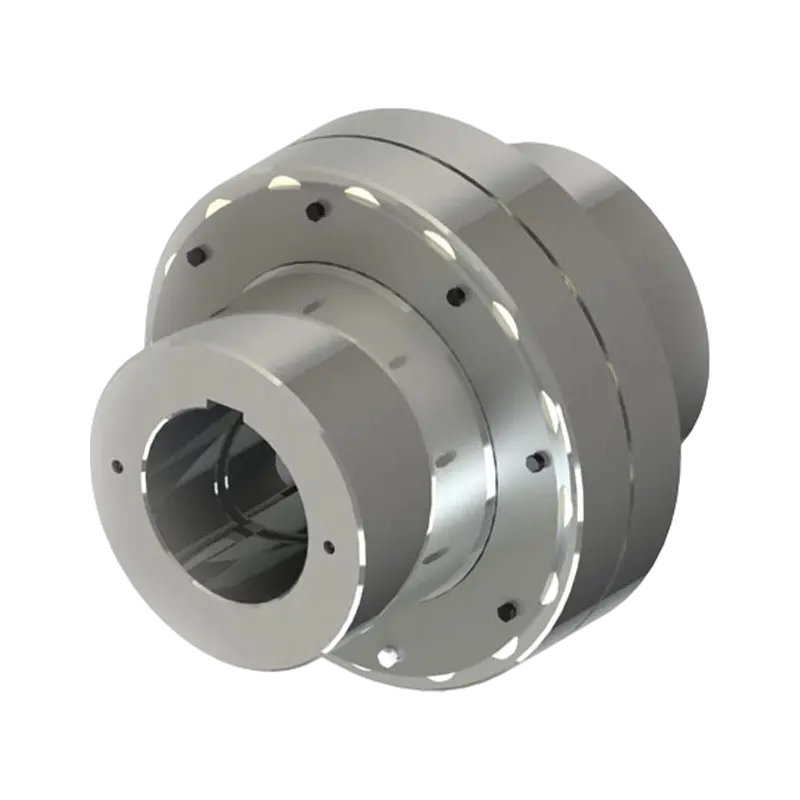
LX(HL) Elastic Pin Coupling
Understanding the Role of an Elastic Pin Coupling
A shaft coupling connects a driving shaft to a driven shaft so that rotational force can pass from one machine to another. In a typical industrial system, the driver may be an electric motor, engine, turbine, gearbox, or other prime mover, while the driven equipment may be a pump, fan, conveyor, compressor, hoist, or processing machine. Even when both shafts are installed carefully, perfect alignment is difficult to maintain under real operating conditions.
Thermal expansion, foundation movement, bearing wear, assembly tolerances, shaft deflection, and equipment vibration can all create angular, radial, or axial displacement. If these movements are transferred directly through a rigid connection, the connected bearings, seals, shafts, and gearboxes may experience additional loads. Over time, these loads can increase wear, noise, energy loss, and the risk of unplanned downtime.
An elastic pin coupling uses pins and flexible non-metallic elements to create a controlled connection between two coupling halves. The metallic hubs and flanges provide the structural path for torque transmission, while the elastic elements provide a degree of flexibility. The pins transfer the driving force through the elastic components, allowing the coupling to accommodate limited misalignment and reduce the transmission of sudden shocks.
This operating principle gives the LX(HL) a useful balance between mechanical strength and flexibility. It is not intended to replace every type of coupling in every operating environment. Instead, it is designed for industrial users who require a dependable and economical coupling for medium- and low-speed systems where vibration damping, practical alignment compensation, and accessible maintenance are important.
Core Construction and Operating Principle
The main parts of an elastic pin coupling normally include two coupling halves, shaft connection areas, elastic pins, and associated fastening or retaining components. Each coupling half is fitted to one of the shafts. Torque is transmitted from the driving half through the pins and elastic elements to the driven half.
The elastic elements are central to the function of the coupling. Because they are non-metallic, they can deform within their intended working range. This deformation helps absorb torsional fluctuations and reduces the direct transfer of vibration from one shaft to the other. It also allows the coupling to tolerate a limited amount of shaft displacement without requiring the same level of precision associated with a fully rigid connection.
The pins are designed to be practical service components. Nylon pins are cost-effective and comparatively simple to replace, which helps reduce maintenance time. When a coupling is correctly selected, installed, aligned, and operated within its intended limits, the elastic pin arrangement can support stable torque transmission while contributing to a long service period.
The metallic coupling bodies provide the necessary structural strength and dimensional stability. Their design must provide an appropriate relationship between shaft fit, torque capacity, pin arrangement, and clearance. Careful production and inspection are important because errors in bore size, concentricity, surface condition, or assembly geometry can negatively affect vibration behavior and service life.
Distinctive Advantages of the LX(HL) Design
Effective Vibration Damping
One of the principal advantages of the LX(HL) elastic pin coupling is its ability to reduce the transfer of vibration through the drive line. Industrial machines rarely operate with perfectly uniform torque. Motors may produce starting pulses, pumps may experience hydraulic fluctuations, and fans may transmit periodic forces caused by rotation. The elastic elements help moderate these disturbances.
By reducing the severity of vibration transmitted between connected shafts, the coupling can help create a smoother operating condition for the drive system. Lower vibration may contribute to improved comfort around machinery, reduced noise, and less mechanical stress on bearings and connected components. It may also reduce the likelihood that small alignment deviations will become amplified during operation.
Compared with a rigid coupling, an elastic pin coupling offers a more forgiving connection. A rigid coupling may provide highly direct torque transmission, but it transfers more of the system’s movement and vibration to the connected equipment. For general industrial systems where some flexibility is beneficial, the LX(HL) offers a more balanced solution.
Compensation for Shaft Misalignment
Alignment remains essential for any coupling installation, but an elastic coupling can accommodate limited misalignment that may develop during normal operation. The LX(HL) design provides useful compensation for axial movement and can support the management of other permissible alignment deviations within the limits established for the selected coupling size and application.
Axial movement is particularly relevant in systems exposed to temperature changes, bearing movement, or structural expansion. The LX type is described as suitable for applications with noticeable axial movement, making it a practical choice for standard fans, pumps, and similar equipment. This does not eliminate the need for proper shaft alignment. Instead, it provides an additional margin of operating flexibility after correct installation.
Misalignment compensation can also help reduce the risk of excessive forces being transferred into the bearings and shafts. When a coupling is unable to accommodate normal movement, even a small deviation may produce unwanted loads. The flexible elements of the LX(HL) help create a more tolerant mechanical connection than a completely rigid shaft joint.
Broad Torque Transmission Capability
The LX type is intended for medium- and low-speed applications with higher torque requirements. Its broad torque transmission range allows it to serve a variety of standard industrial drive systems. This makes it suitable for equipment where dependable torque transfer is more important than extremely high rotational speed or exceptionally precise motion synchronization.
Torque capacity is not determined by the coupling name alone. It depends on the selected size, shaft dimensions, operating speed, service factor, load characteristics, start-stop frequency, and environmental conditions. However, the LX design provides a practical platform for choosing an appropriate coupling within a broad group of conventional transmission duties.
For users, this broad applicability can simplify equipment planning. A standardized elastic pin coupling family can be considered across multiple machines, while the final selection is made according to the actual load and operating requirements. This can help reduce unnecessary variation in spare parts and maintenance procedures.
Practical Transmission Accuracy
The LX(HL) coupling provides a useful balance between flexibility and transmission accuracy. The LX model is well suited to applications with moderate accuracy requirements, including many fans and pumps. The HL model is intended for situations requiring higher transmission accuracy or more demanding operating transitions.
This distinction is important because not every industrial drive requires the same level of precision. A conventional pump or ventilation fan may prioritize reliability, compensation, and cost-effectiveness. A machine subject to frequent speed changes, braking cycles, or more demanding operating sequences may require a coupling with more precise behavior. By offering both LX and HL configurations, the product family can address different levels of transmission demand without abandoning the basic advantages of elastic pin construction.
Cost-Effective Maintenance
Maintenance cost is a major consideration in industrial equipment ownership. A coupling that is difficult to inspect or requires expensive replacement components can increase the total cost of operation even if its initial purchase price is low. The LX(HL) uses nylon pins that are economical and comparatively easy to replace.
Replacement of service elements can be performed without treating the entire coupling as a disposable component. This approach supports more practical maintenance planning and can reduce the time required to restore the drive system. The stated overall service life of the coupling is approximately three to five years, depending on operating conditions, installation quality, load, environment, and maintenance practices.
The availability of replaceable elastic pins also provides a clear advantage over designs in which a failure of one flexible component requires replacement of a larger and more expensive assembly. Proper inspection remains necessary, but the service concept is straightforward and accessible to plant maintenance teams.
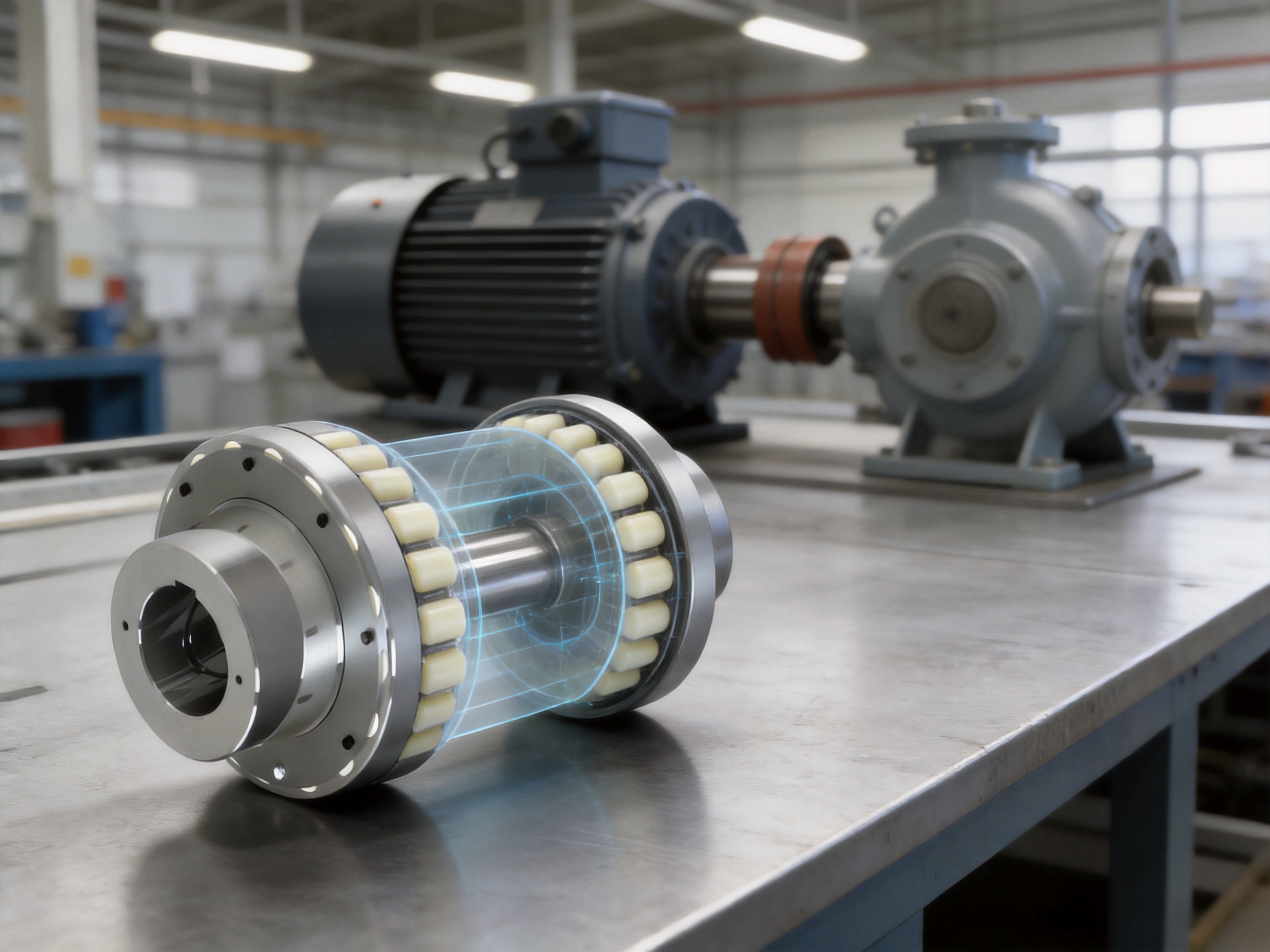
LX Type and HL Type: How to Select Between Them
| Selection consideration | LX type | HL type |
|---|---|---|
| Typical operating range | Medium- and low-speed transmission | Medium- and low-speed transmission with more demanding operating requirements |
| Torque and movement priorities | Higher torque demand and noticeable axial movement | Balanced performance where accuracy and operating transitions are important |
| Transmission accuracy | Moderate accuracy requirements | Higher transmission accuracy requirements |
| Typical equipment | Standard fans, pumps, and general industrial drives | Metallurgical auxiliary equipment, agricultural harvesters, and chemical pumps |
| Special operating conditions | General service conditions | High-low speed switching, braking, and applications where current-corrosion risks are considered |
| Economic objective | High value for standard transmission duties | Greater adaptability for complex working conditions |
The LX type should be considered when the primary requirements are dependable torque transfer, axial compensation, moderate accuracy, and reasonable cost. Standard fans and pumps are representative applications because these machines generally need a coupling that can handle routine industrial service without unnecessary complexity.
The HL type should be considered when the system places greater emphasis on transmission accuracy, speed changes, braking, or demanding environmental and electrical conditions. Metallurgical auxiliary machinery, agricultural harvesters, and chemical pumps are examples of applications where the drive may be exposed to more complicated operating patterns.
The distinction between the two types does not mean that one is universally superior to the other. The correct choice depends on the machine’s actual operating profile. Selecting a higher specification than necessary may increase cost without producing a useful benefit, while selecting an unsuitable coupling may result in premature wear or unstable operation. A technical review of torque, speed, shaft dimensions, alignment, duty cycle, environment, and maintenance requirements should therefore be completed before ordering.
Applications Across Industrial Sectors
Fans and Ventilation Equipment
Fans often operate for long periods and may be installed on structures that experience vibration or thermal movement. The LX type is suitable for many standard fan drive systems because it provides practical torque transmission, vibration damping, and useful axial compensation. Its maintainable nylon pins can also be advantageous where equipment must be returned to service quickly.
In ventilation applications, smooth operation is important for both equipment life and workplace conditions. A coupling that reduces unnecessary vibration can help support quieter and more stable operation. The final selection must still account for fan inertia, starting conditions, speed, shaft dimensions, and the possibility of unbalanced loads.
Pumps and Fluid Handling Systems
Pumps are frequently exposed to starting and stopping cycles, hydraulic fluctuations, and alignment changes caused by temperature or pipe loads. An elastic pin coupling can help isolate the motor and pump from part of the torsional and vibrational disturbance generated during operation.
The LX type is appropriate for many standard pump drives where moderate transmission accuracy and reliable compensation are sufficient. The HL type may be more appropriate for chemical pumps or other systems that involve more complex operating conditions. In all cases, the coupling should be selected with consideration for the fluid-handling environment, possible chemical exposure, operating temperature, speed changes, and required service interval.
Metallurgical Auxiliary Equipment
Metallurgical plants often include conveyors, cooling systems, fans, pumps, and other auxiliary equipment operating near heavy machinery. These systems may experience frequent starts, stops, braking actions, temperature changes, and vibration. The HL type offers greater suitability for applications requiring higher transmission accuracy or more adaptable behavior under complex operating conditions.
The coupling is not a substitute for correct system engineering, but it can serve as an important part of a reliable drive arrangement. Appropriate coupling selection can help protect connected machinery while allowing maintenance personnel to replace service elements without replacing the complete coupling assembly.
Agricultural Harvesting Machinery
Agricultural harvesters and related machines may operate under changing loads and variable speed conditions. Crop intake, uneven field conditions, and changing material resistance can create fluctuating torque. The HL type is identified as suitable for agricultural harvesting equipment because its design can support demanding transmission requirements and high-low speed operating patterns.
For mobile or seasonal equipment, maintainability is especially valuable. A coupling that uses economical, replaceable nylon pins can help reduce service complexity during periods when machinery availability is critical. Operators should still inspect the coupling regularly for wear, contamination, looseness, and signs of excessive misalignment.
Chemical Processing Equipment
Chemical pumps and related equipment may require careful attention to environmental conditions, electrical effects, corrosion risks, and operational accuracy. The HL type is better suited to such demanding applications where a more adaptable coupling is required.
Material compatibility and environmental suitability should be reviewed for each installation. The coupling specification should be matched to the chemicals, temperature, moisture, electrical conditions, and cleaning practices present at the site. The product’s general advantages provide a foundation for selection, but application-specific engineering remains necessary.
Advantages Compared with Alternative Coupling Solutions
Compared with Rigid Couplings
Rigid couplings provide a direct connection between shafts and can be effective when alignment is stable and precision is prioritized. However, they generally offer little tolerance for shaft movement. Any misalignment may be transferred directly to bearings and shafts, increasing mechanical stress.
The LX(HL) elastic pin coupling offers greater flexibility. Its non-metallic elastic elements can absorb vibration and compensate for permissible movement, making it more forgiving in normal industrial service. For equipment exposed to thermal expansion, foundation movement, or fluctuating loads, this flexibility can provide a significant operational advantage.
Compared with Less Maintainable Flexible Couplings
Some flexible coupling designs require replacement of a large flexible assembly when a relatively small wear element fails. This can increase spare-part costs and extend downtime. The LX(HL) arrangement uses nylon pins that are economical and easy to replace, creating a more practical maintenance model.
For plants with many similar machines, standardizing on a serviceable coupling family can simplify inventory management. Maintenance personnel can develop familiar inspection and replacement procedures, and operators can plan routine service before minor wear becomes a major failure.
Compared with More Complex High-Performance Couplings
Gear couplings, diaphragm couplings, and other high-performance designs can provide important benefits in specialized applications. However, they may involve more complex construction, closer installation requirements, or higher purchase and maintenance costs. A technically sophisticated coupling is not automatically the best choice for a standard low- or medium-speed fan or pump.
The LX(HL) provides a practical alternative where the required performance can be achieved through an elastic pin design. It focuses on the combination of torque transmission, vibration reduction, misalignment compensation, serviceability, and cost performance. This makes it attractive for users who need dependable general industrial performance rather than unnecessary design complexity.
Manufacturing and Quality Strengths
The performance of an elastic pin coupling depends not only on its basic design but also on the quality of materials, machining, assembly, inspection, and service support. Zhenjiang Orienthold Machinery Co., Ltd. integrates design, production, and service as a medium-sized enterprise specializing in couplings and papermaking machinery.
The company’s manufacturing strength is supported by technical capabilities, advanced production equipment, and comprehensive testing methods. These resources are important because coupling components must be produced with consistent dimensional accuracy and reliable mechanical integrity. Shaft fits, pin locations, concentricity, surface quality, and assembly relationships all influence the behavior of the finished coupling.
A strict quality supervision system provides an organized framework for managing production quality. Complete inspection and testing equipment supports the verification of products before delivery. This is especially valuable for industrial users who require repeatable performance across multiple orders or production batches.
The company states that its coupling products comply with national standards. Standards-based production helps establish consistent expectations for design, dimensions, materials, inspection, and performance. It also supports the use of the couplings in demanding industrial sectors such as transportation, metallurgy, chemical engineering, mining, construction, and hoisting.
Advanced equipment alone does not guarantee product quality. Effective manufacturing also requires experienced technical personnel, documented procedures, process control, inspection discipline, and a willingness to investigate customer feedback. The integration of design, production, testing, and service allows the manufacturer to respond to application requirements more effectively than a supplier that only distributes standard components.
Another important strength is the ability to support diverse customer needs. Industrial users may require different shaft sizes, operating conditions, delivery schedules, packaging arrangements, or technical documents. A manufacturer with in-house design and production capabilities is better positioned to review these requirements and provide practical customization or selection assistance.
How the Manufacturing Process Supports Product Reliability
Design Review and Application Matching
The manufacturing process begins with understanding the intended application. A coupling should not be selected only by shaft diameter. The design review should consider torque, rotational speed, load variation, starting conditions, braking, axial movement, misalignment, temperature, contamination, installation space, and maintenance access.
For the LX(HL) family, the distinction between general LX service and more demanding HL service provides a useful basis for application matching. A correct design review helps ensure that the coupling is not used outside its intended range and that the selected configuration provides an appropriate balance between capacity, flexibility, accuracy, and cost.
Controlled Component Production
The metallic coupling components must be produced with appropriate dimensional control. Accurate shaft connection areas are essential for secure installation and effective torque transfer. The geometry of the pin holes and the relationship between the coupling halves must also be controlled so that the elastic elements work evenly during operation.
Production equipment and inspection systems help maintain consistency from one component to the next. When components are manufactured with stable dimensions, the final assembly is more likely to rotate smoothly and distribute load as intended.
Elastic Element and Pin Quality
Nylon pins and other non-metallic elastic elements are functional components rather than incidental accessories. Their material condition, dimensions, and installation affect the coupling’s ability to absorb vibration and compensate for movement. Proper storage and handling are also important because exposure to unsuitable conditions may affect non-metallic parts.
Using replaceable pins supports economical maintenance, but replacement elements should match the intended coupling specification. Substituting unsuitable parts may change the coupling’s flexibility or load behavior. Reliable manufacturing and clear service guidance help users maintain the designed performance of the coupling.
Inspection and Testing
Comprehensive inspection provides a final safeguard against dimensional or assembly problems. Depending on the production and order requirements, inspection may involve checks of dimensions, fits, visual condition, component completeness, and assembly quality. Testing methods help verify that the finished product meets the applicable requirements before shipment.
A complete quality system should continue beyond the factory. Technical communication, documentation, packaging, logistics coordination, and after-sales support all contribute to the user’s experience. Orienthold Machinery emphasizes one-stop service, including pre-sales consultation, customization, flexible logistics and payment options, and maintenance support.
Installation and Commissioning Considerations
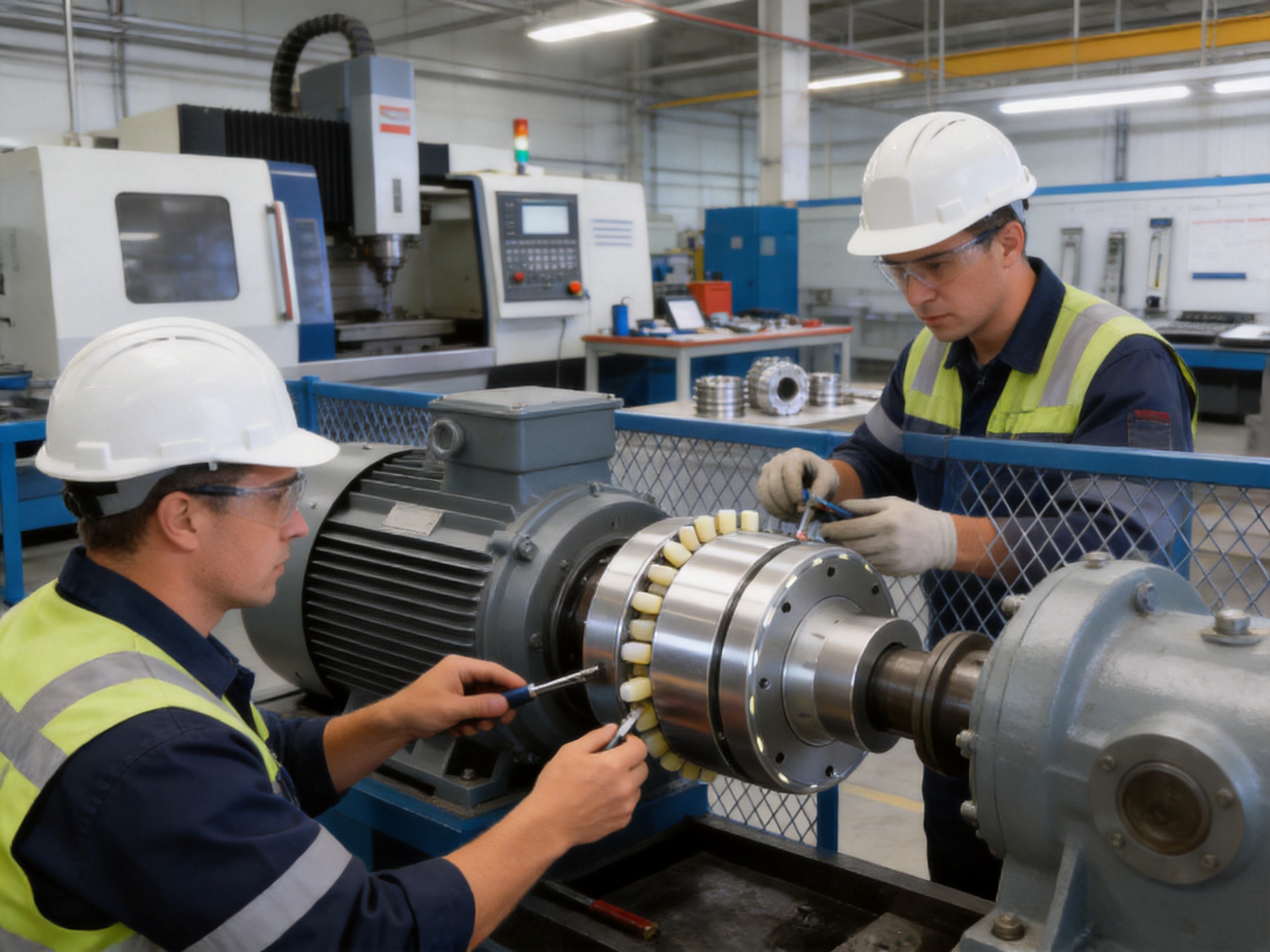
Correct installation is essential to achieving the expected performance of any elastic coupling. Before installation, the shafts, bores, keyways, pins, elastic elements, fasteners, and coupling surfaces should be inspected. Components should be clean and free from damage. The shaft ends should be checked for burrs, contamination, or conditions that could prevent proper seating.
The shafts should be aligned according to the applicable technical requirements for the selected coupling. Although the elastic elements provide compensation, they should not be used to correct severe installation errors. Excessive angular, radial, or axial misalignment can increase stress on the pins and elastic elements and may shorten service life.
The coupling halves should be installed securely on the shafts, with appropriate attention to shaft fits, keys, fasteners, and axial positioning. The pins should be inserted correctly and should not be damaged during assembly. If retaining elements are used, they must be installed as required by the product documentation.
After assembly, the drive should be rotated manually where possible to confirm that there is no interference, binding, or abnormal resistance. The initial run should be carried out under controlled conditions. Operators should observe vibration, noise, temperature, and any signs of looseness. If unusual behavior occurs, the equipment should be stopped and the alignment and assembly should be reviewed.
Protective guards should be installed before normal operation. Rotating couplings present a mechanical hazard, and access should be restricted while the equipment is running. Lockout and isolation procedures should be followed during inspection, pin replacement, or other maintenance activities.
Maintenance and Service Life Management
Routine inspection is one of the simplest ways to protect the service life of the LX(HL) coupling. Maintenance personnel should look for worn, cracked, deformed, or missing nylon pins; unusual clearance; loose fasteners; corrosion; contamination; and evidence of excessive movement. Changes in operating noise or vibration should also be treated as possible signs of coupling or alignment problems.
The stated service life of three to five years provides a general reference, not a guaranteed period for every installation. Actual life depends on torque, speed, load cycles, alignment, temperature, environmental exposure, installation quality, and maintenance practice. A lightly loaded pump in a clean environment may experience a different service pattern from a heavily cycled machine in a hot or contaminated plant.
Nylon pins should be replaced when inspection identifies significant wear or damage. Replacing only visibly damaged pins may not always be sufficient if the remaining pins have experienced similar service. Maintenance personnel should follow the relevant service instructions and consider the condition of the complete set of elastic elements.
When pins are replaced, the cause of the wear should be investigated. Premature wear may indicate excessive misalignment, overload, repeated shock loading, unsuitable operating conditions, loose installation, or incorrect replacement parts. Correcting the underlying cause is more effective than repeatedly replacing pins without reviewing the system.
Keeping a maintenance record can help identify changes in coupling condition. Useful information includes installation date, inspection dates, replaced components, operating symptoms, alignment checks, and equipment changes. These records support predictive maintenance and help users plan spare parts and shutdown work.
Selection Checklist for Buyers and Engineers
Before purchasing an LX(HL) elastic pin coupling, users should prepare the basic technical information required for selection. The following questions can help organize the review:
- What are the driving and driven machine types?
- What torque must the coupling transmit during normal and peak operation?
- What are the normal, minimum, and maximum rotational speeds?
- Are there frequent starts, stops, reversals, braking actions, or speed changes?
- What are the shaft diameters, shaft extensions, key dimensions, and available installation space?
- How much axial movement is expected during operation?
- What alignment conditions and movement may occur after installation?
- Will the coupling be exposed to heat, moisture, dust, chemicals, electrical effects, or corrosive conditions?
- What level of transmission accuracy is required?
- How frequently can the equipment be stopped for inspection and maintenance?
- Are replacement nylon pins and other service components required as stocked spare parts?
The LX type is generally the starting point for medium- and low-speed equipment with higher torque demand, noticeable axial movement, and moderate accuracy requirements. The HL type deserves consideration when the equipment requires higher accuracy, high-low speed switching, braking compatibility, or greater adaptability to complex conditions.
Users should provide complete operating information to the supplier. This allows the manufacturer’s technical team to recommend a suitable coupling size and configuration rather than relying on a single dimension such as shaft diameter. Good application data also helps identify whether a standard product or a customized solution is more appropriate.
Why Manufacturer Support Matters
Industrial coupling selection involves more than comparing prices. A supplier’s ability to provide technical advice, documentation, replacement parts, production consistency, and after-sales assistance can have a direct effect on the total cost of ownership.
Orienthold Machinery combines coupling production with technical design and service. Its experience across transportation, metallurgy, chemical engineering, mining, construction, hoisting, and related sectors provides a broad industrial background for understanding different transmission requirements.
The company offers pre-sales consultation and customization support, which can be useful when an application does not fit a standard catalog condition. Flexible logistics and payment options may also assist international customers and industrial procurement departments. Maintenance support provides additional value after delivery, particularly when the user requires guidance regarding inspection, replacement, or operating conditions.
For buyers evaluating industrial coupling manufacturers, important criteria include production capability, quality controls, inspection equipment, standards compliance, application knowledge, delivery reliability, and service responsiveness. A supplier that addresses these areas can provide greater confidence than a source focused only on low initial price.
Economic Value and Total Cost of Ownership
The economic value of the LX(HL) coupling comes from the combined effect of its initial cost, serviceability, operating performance, and expected service life. A cost-effective coupling is not simply the cheapest product. It is a product that performs reliably while keeping installation, maintenance, spare-part, and downtime costs under control.
The elastic pin construction supports this objective in several ways. Vibration damping may help reduce stress on connected equipment. Misalignment compensation can make the drive more tolerant of normal movement. Replaceable nylon pins can reduce service-part expense. The standardized design can also simplify training and spare-part planning where multiple machines use similar coupling arrangements.
For general fans and pumps, the LX type offers a practical balance between performance and cost. For more complex equipment, the HL type can provide additional suitability without requiring the user to move immediately to a more complicated coupling technology. The final economic result depends on correct selection and proper maintenance, but the product family is designed to support value-oriented industrial engineering.
Safety and Responsible Operation
Elastic couplings should be operated only within their intended technical limits. The coupling should not be exposed to torque, speed, temperature, chemical conditions, or misalignment beyond the applicable specification. Overloading can damage the pins and elastic elements, while excessive misalignment can increase wear and vibration.
All rotating parts should be guarded. Personnel should never touch or approach an operating coupling. Maintenance should be performed only after the equipment has been shut down, isolated, and secured against unexpected startup. Replacement parts should be correct for the coupling model and should be installed according to appropriate technical instructions.
Responsible operation also includes monitoring the connected machinery. A coupling problem may be a symptom of a wider issue such as bearing failure, shaft bending, foundation movement, or motor problems. Diagnosing the complete drive system helps prevent repeated coupling damage and supports safer, more reliable production.
Questions and Answers
What is the LX(HL) elastic pin coupling used for?
The LX(HL) elastic pin coupling is used to connect two shafts and transmit torque in medium- and low-speed industrial drive systems. Typical applications include fans, pumps, metallurgical auxiliary equipment, agricultural harvesters, chemical pumps, and other general machinery.
What is the main difference between the LX and HL types?
The LX type is suited to medium- and low-speed applications with higher torque requirements, noticeable axial movement, and moderate transmission accuracy needs. The HL type is better suited to applications requiring higher transmission accuracy, high-low speed switching, braking, or greater adaptability to complex operating conditions.
How does the coupling reduce vibration?
The coupling uses non-metallic elastic elements that deform within their working range. This flexibility helps absorb part of the torsional fluctuation and vibration between the connected shafts, reducing the direct transfer of mechanical disturbance through the drive line.
Can the coupling compensate for shaft misalignment?
Yes, it can compensate for permissible shaft displacement, including useful axial movement. However, it should not be used to correct severe installation errors. Proper shaft alignment remains essential for reliable operation and long service life.
Are the nylon pins replaceable?
Yes. The nylon pins are designed as practical service components and are economical and relatively easy to replace. Replacement should be carried out with the correct parts and should include an investigation into the cause of abnormal or premature wear.
What service life can be expected?
The overall service life is stated as approximately three to five years. Actual service life depends on load, speed, alignment, operating environment, duty cycle, installation quality, and maintenance practices.
Is the LX type suitable for pumps?
The LX type is suitable for many standard pump drive systems, especially where medium- or low-speed operation, reliable torque transmission, vibration damping, axial compensation, and moderate accuracy are required. Chemical pumps or more complex duties may be better candidates for the HL type.
Why is manufacturing quality important for this coupling?
Dimensional accuracy, concentricity, shaft fits, pin locations, elastic element quality, assembly condition, and inspection all influence coupling performance. Consistent manufacturing helps the coupling rotate smoothly, distribute loads properly, and provide predictable service.
Can the manufacturer provide customized support?
The manufacturer provides design, production, pre-sales consultation, customization, logistics, and maintenance support. Customers should provide complete application information so that the appropriate standard or customized solution can be evaluated.
What should be checked before ordering?
Users should confirm torque, speed, shaft dimensions, load pattern, axial movement, alignment conditions, braking or speed-change requirements, environmental exposure, installation space, and maintenance expectations. These details help determine whether the LX or HL type is more appropriate and what coupling size should be selected.
Conclusion
The LX(HL) elastic pin coupling is a practical solution for industrial shaft connection and torque transmission. Its non-metallic elastic elements provide vibration damping and permissible misalignment compensation, while its metallic construction supports dependable mechanical transmission. The replaceable nylon pins contribute to economical maintenance, and the stated three- to five-year service life provides a useful reference for maintenance planning.
The LX type is well suited to standard medium- and low-speed equipment requiring higher torque capacity, axial movement compensation, and moderate transmission accuracy. The HL type extends the product family toward applications requiring higher accuracy, speed switching, braking suitability, and greater adaptability to complicated industrial conditions.
Compared with rigid or less maintainable alternatives, the LX(HL) offers a strong balance of flexibility, reliability, serviceability, and cost performance. Its value is further supported by the manufacturer’s integrated design and production capabilities, advanced equipment, comprehensive testing methods, strict quality supervision system, standards-based production, and broad industrial experience.
For the best result, the coupling should be selected through a complete engineering review rather than by shaft size alone. Correct installation, alignment, guarding, inspection, and timely pin replacement are essential to achieving dependable performance. When these practices are combined with consistent manufacturing and responsive technical support, the LX(HL) elastic pin coupling becomes a reliable choice for fans, pumps, metallurgy, chemical processing, agriculture, and many other industrial transmission systems.
References
1. Manufacturer-provided product information for the LX(HL) elastic pin coupling.
2. Manufacturer-provided company information concerning coupling design, production, inspection, standards compliance, customization, logistics, and maintenance support.
3. General engineering principles for flexible shaft couplings, vibration control, shaft alignment, and industrial transmission maintenance.
4. General industrial guidance concerning rotating machinery safety, coupling guarding, inspection, and preventive maintenance.
5. General application principles for coupling selection based on torque, speed, axial movement, misalignment, environmental conditions, and duty cycle.
Product: LX(HL) Elastic Pin Coupling
PREV: GICL Type Drum-Type Gear Coupling: Heavy-Duty Torque Transmission for Demanding Industrial DrivesNEXT: WG Type Basic Crowned-Gear Coupling: Heavy-Duty Torque Transmission, Misalignment Compensation, and Reliable Industrial Performance
Be the First to Know
For exclusive deals and latest offers, sign up by entering your email address below.
Related products
News
-
-
Your compressor train is running at 9,800 rpm when the vibration monitor triggers an alarm. The first component your ma...
READ MORE -
A maintenance engineer pulls a failed coupling from a pump drive. The elastomer sleeves are cracked, the pin bolts are ...
READ MORE -
Two quotes land for the same replacement gear coupling: $1,850 from one shop and $2,600 from another. Both promise stan...
READ MORE -
A coupling fails at 2:10 a.m. on a continuous production line. The drive train stops, alarms sound, and every idle minu...
READ MORE -
China's coupling industry is at a critical historical juncture of transformation from scale expansion to quality and eff...
READ MORE


ABOUT US
PRODUCTS
INDUSTRIES
CONTACT US
- Phone: +86-18652865511
- Email: sales@ohmach.com
- Address: No.1, Minying Developing Zone, Zhenjiang, Jiangsu, China
Copyright Zhenjiang Orienthold Machinery Co., Ltd. All Rights Reserved.
 Custom Industrial Shaft Coupling Manufacturers