 English
 русский
 Português
 عربى
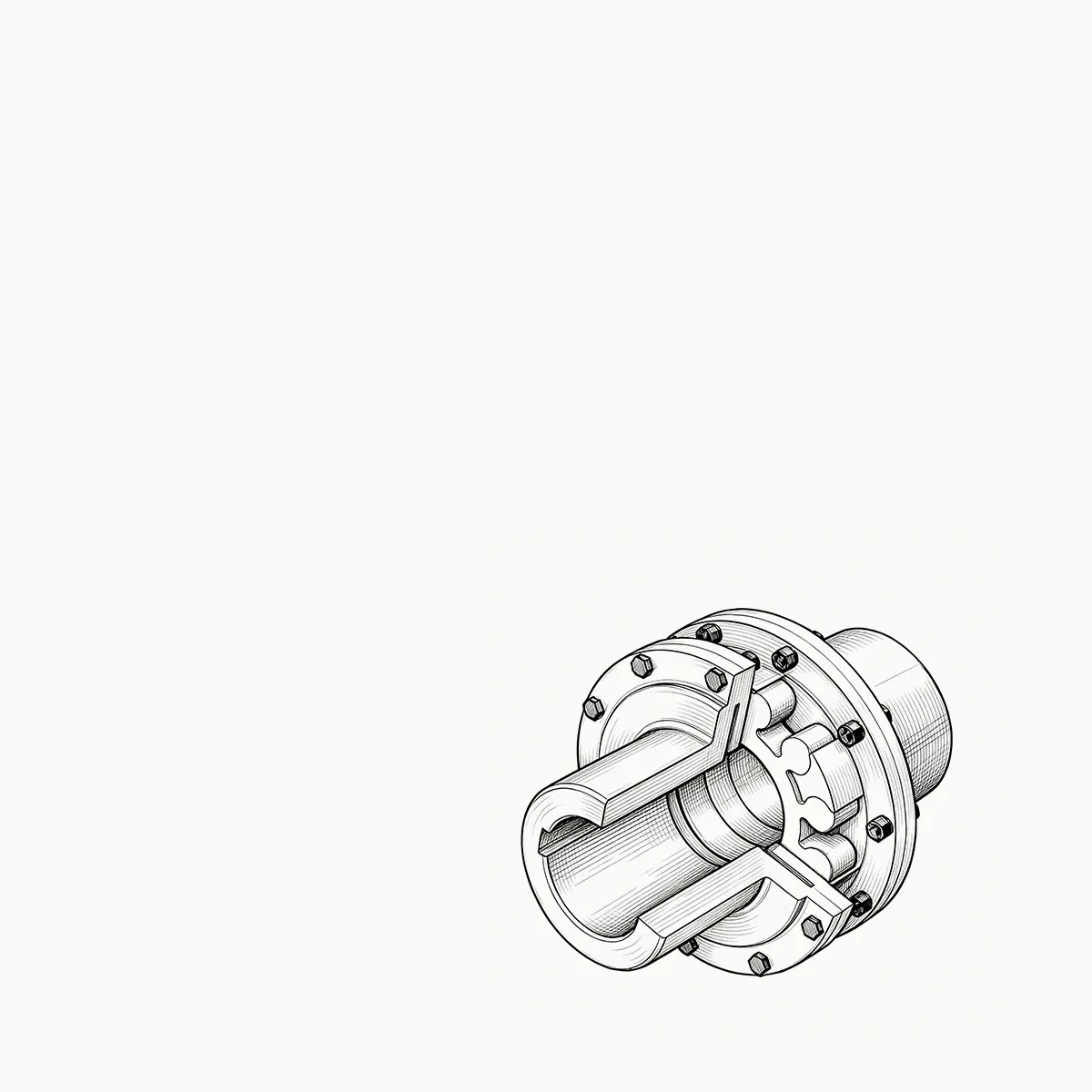
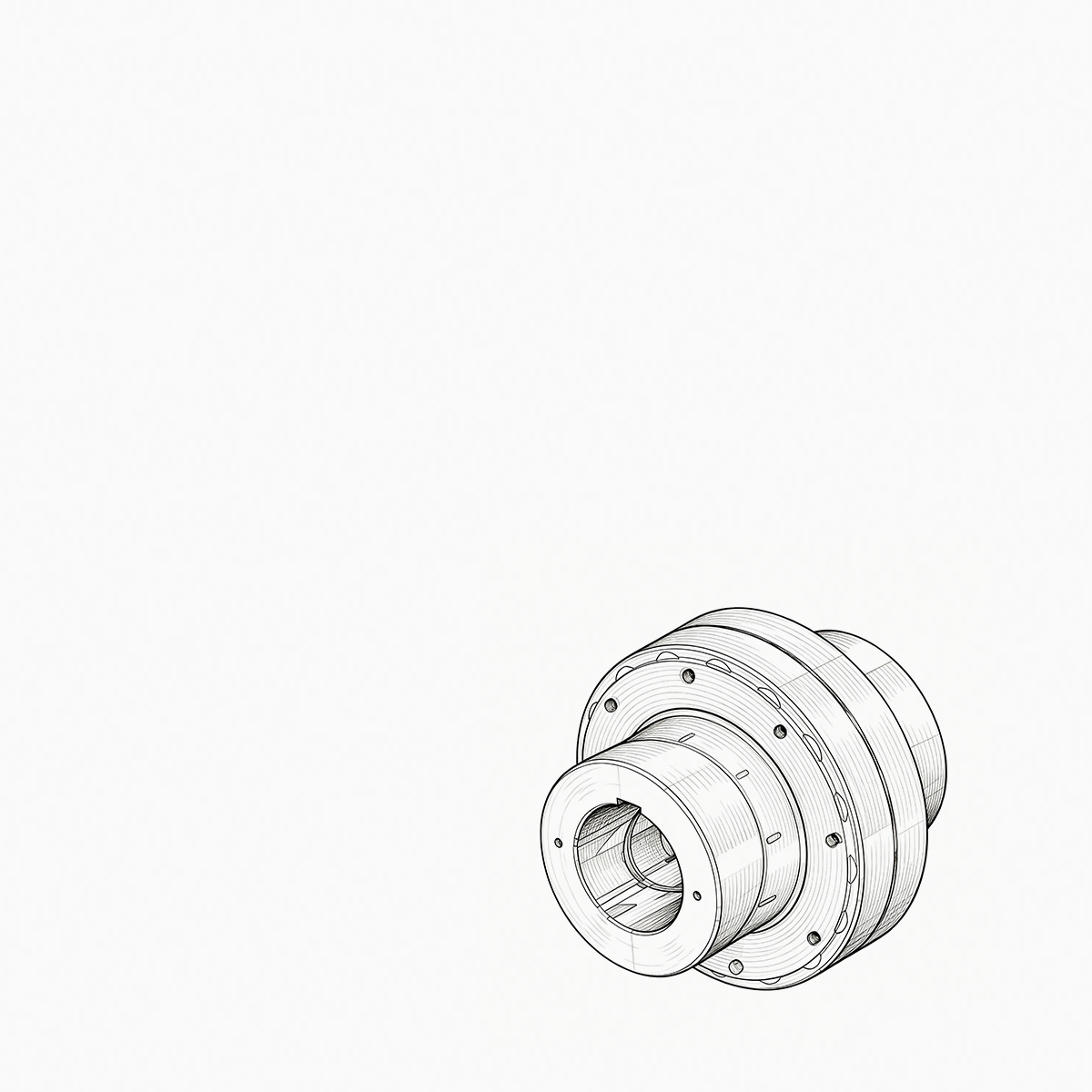
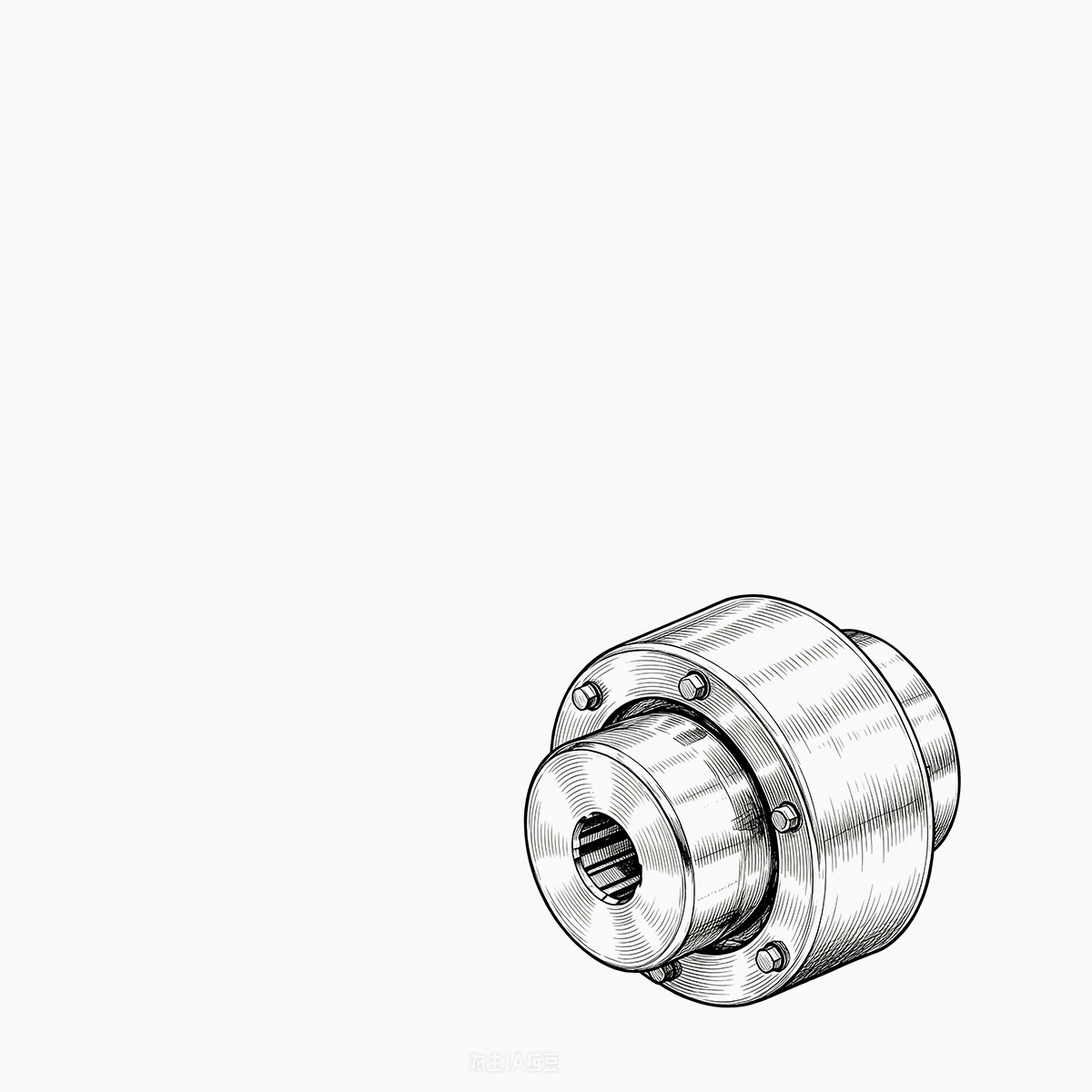
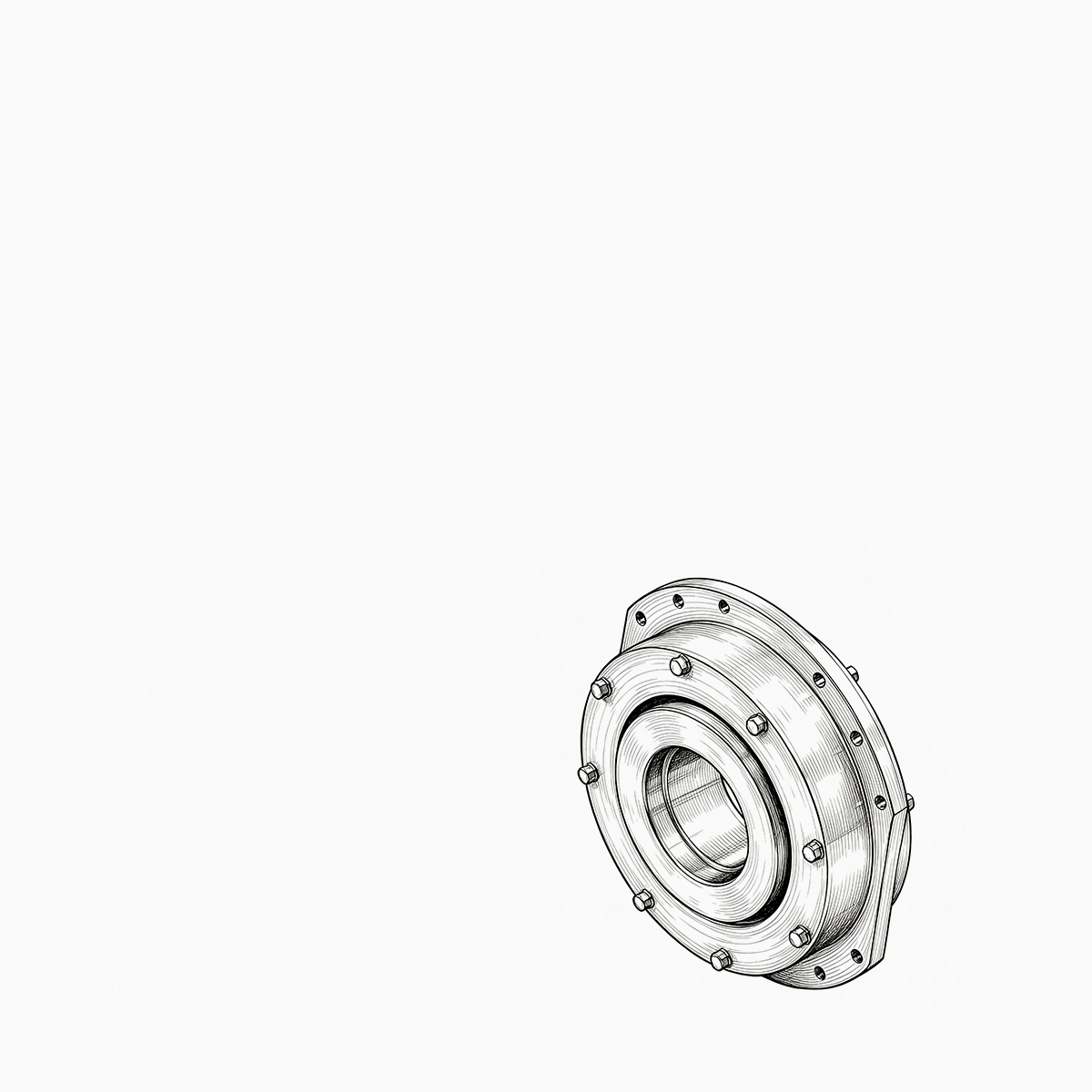

China's coupling industry is at a critical historical juncture of transformation from scale expansion to quality and eff...
READ MORE
SWC-DH Short Telescopic Welded Universal Coupling for Space-Constrained Heavy-Duty Drives
Admin 2026-09-19Content
- 1 1. The Role of a Universal Coupling in Heavy-Duty Transmission
- 2 2. Product Overview
- 3 3. Why the Short Telescopic Design Matters
- 4 4. Axial Compensation for Real Operating Conditions
- 5 5. Welded Yokes Versus Conventional Flange Connections
- 6 6. Structural Components and Their Functions
- 7 7. Advantages Over Conventional and Competing Designs
- 8 8. Manufacturing Process and Engineering Control
- 9 9. Quality Management and Technical Strength
- 10 10. Industrial Applications
- 11 11. Installation Considerations
- 12 12. Maintenance and Service Life
- 13 13. Selection Guidance for Engineers
- 14 14. Customization and Customer Support
- 15 15. Economic and Operational Value
- 16 16. Frequently Asked Questions
- 16.1 Q1: What is the main purpose of the SWC-DH coupling?
- 16.2 Q2: How much axial compensation can it provide?
- 16.3 Q3: How much shorter is the SWC-DH design?
- 16.4 Q4: What causes the need for axial compensation?
- 16.5 Q5: What is the advantage of welded yokes?
- 16.6 Q6: Can the coupling be used in mining and metallurgy?
- 16.7 Q7: Does the telescopic sleeve require lubrication?
- 16.8 Q8: What information should be provided for product selection?
- 16.9 Q9: Can the product be customized?
- 16.10 Q10: What inspections are important after installation?
- 16.11 Q11: How does the short design help equipment builders?
- 16.12 Q12: Where can customers obtain technical support?
- 17 17. Conclusion
- 18 References
- 19 Product: SWC-DH Short Telescopic Welded Universal Coupling
Modern heavy-duty transmission systems must transfer high torque while accommodating misalignment, axial movement, vibration, thermal expansion, and installation tolerances. These requirements become especially demanding in transportation equipment, metallurgy, mining machinery, construction systems, hoisting equipment, and other industrial applications where downtime and component failure can have serious operational and financial consequences. A coupling is therefore much more than a simple connection between two shafts. It is a precision-engineered mechanical component that influences alignment stability, load distribution, equipment life, maintenance frequency, and the overall reliability of the drive system.
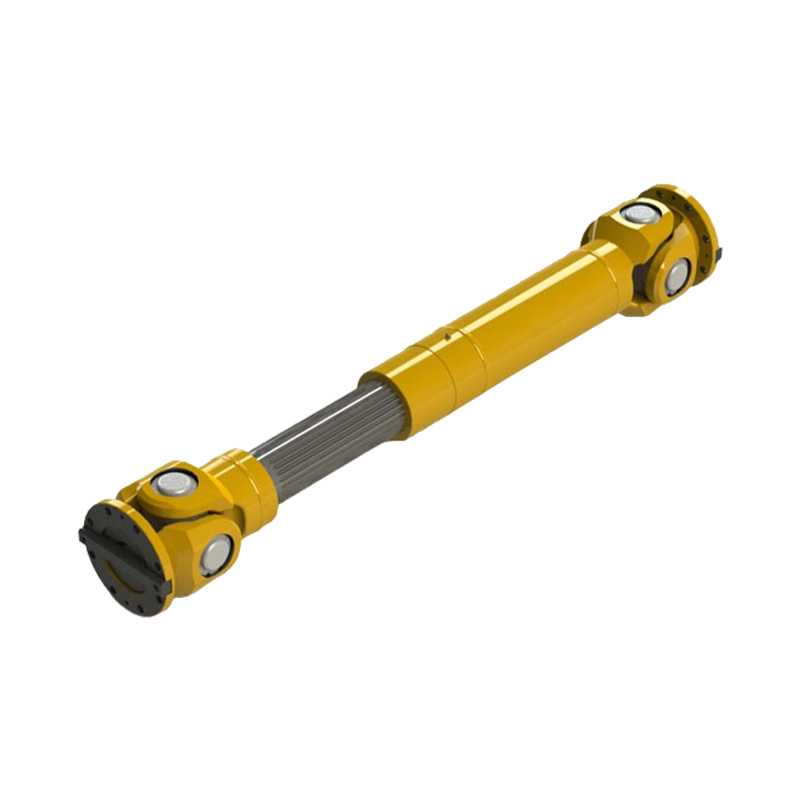
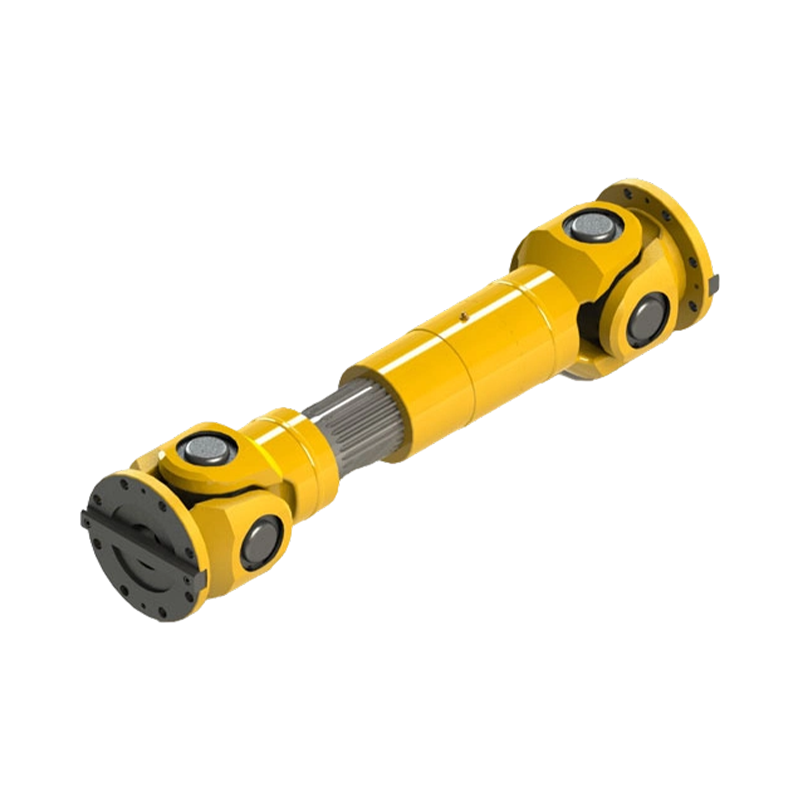
The SWC-DH Short Telescopic Welded Universal Coupling is developed for applications that require reliable universal transmission performance and axial displacement compensation in a compact installation space. Its short telescopic structure reduces the overall length by approximately 30% compared with a standard model while providing axial compensation in the range of 50 to 100 millimeters. This combination makes it particularly suitable for machinery layouts where conventional couplings are too long, difficult to install, or unable to accommodate the movement created by thermal expansion, vibration, or installation deviation.
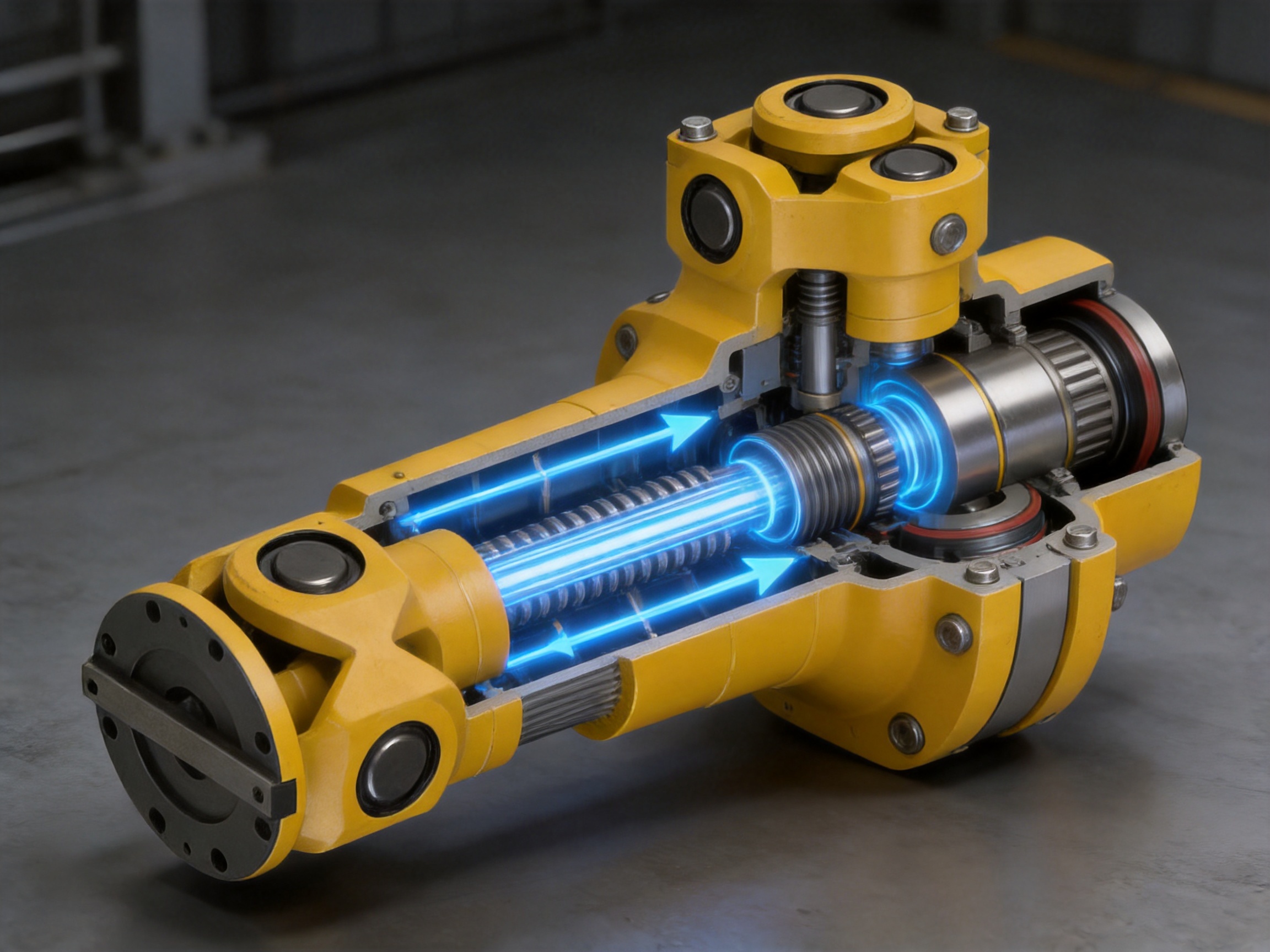
The coupling combines welded yokes, a cross assembly, a telescopic sleeve, bearing components, and a lubrication and sealing system. Its integrated welded yoke construction reduces the number of separate components normally associated with flange-connected designs. At the same time, the precision telescopic sleeve and spline arrangement allow controlled axial movement without interrupting torque transmission. The result is a robust and adaptable universal coupling intended for continuous industrial service.
Manufactured by Zhenjiang Orienthold Machinery Co., Ltd., the SWC-DH coupling reflects a production philosophy based on design capability, controlled manufacturing, comprehensive inspection, and application-oriented customization. The company integrates product design, manufacturing, testing, and technical service, allowing the coupling to be developed around the actual operating conditions of the customer rather than treated as a generic catalog component.
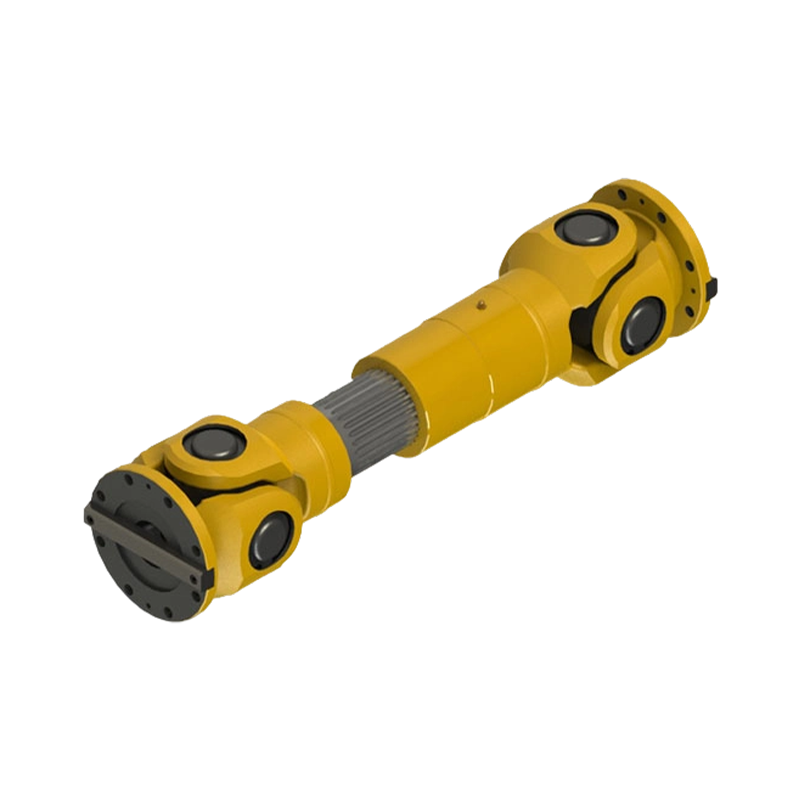
SWC-DH Short Telescopic Welded Universal Coupling
1. The Role of a Universal Coupling in Heavy-Duty Transmission
Industrial shafts rarely operate under perfectly aligned conditions. A drive shaft may connect two machines positioned at an angle, may be exposed to structural deflection, or may experience axial displacement during operation. In rolling lines, conveyors, cranes, transport systems, and similar equipment, shaft positions can change because of loaded movement, temperature variation, foundation settlement, or mechanical vibration.
A rigid shaft connection cannot tolerate these conditions effectively. Even a small amount of angular or axial misalignment can create additional bearing loads, uneven torque transmission, noise, and accelerated fatigue. If these effects continue for long periods, they may damage gears, shafts, bearings, housings, or connected equipment. A universal coupling reduces these risks by allowing controlled movement while maintaining the transfer of mechanical power.
The cross assembly is central to this function. It allows the connected yokes to operate at an angle while transmitting torque between the driving and driven shafts. Bearing components support the cross and allow smooth articulation. The telescopic section addresses axial movement, enabling the shaft line to lengthen or shorten within a defined range without forcing the connected machines to absorb the movement.
For heavy-duty equipment, the coupling must also withstand shock loads, repeated starting and stopping, fluctuating torque, and environmental contamination. Its structure must be strong enough for demanding service while remaining maintainable. These requirements explain why the design of the yoke, cross, bearings, spline, seals, welds, and lubrication system must be considered as one integrated engineering solution.
2. Product Overview
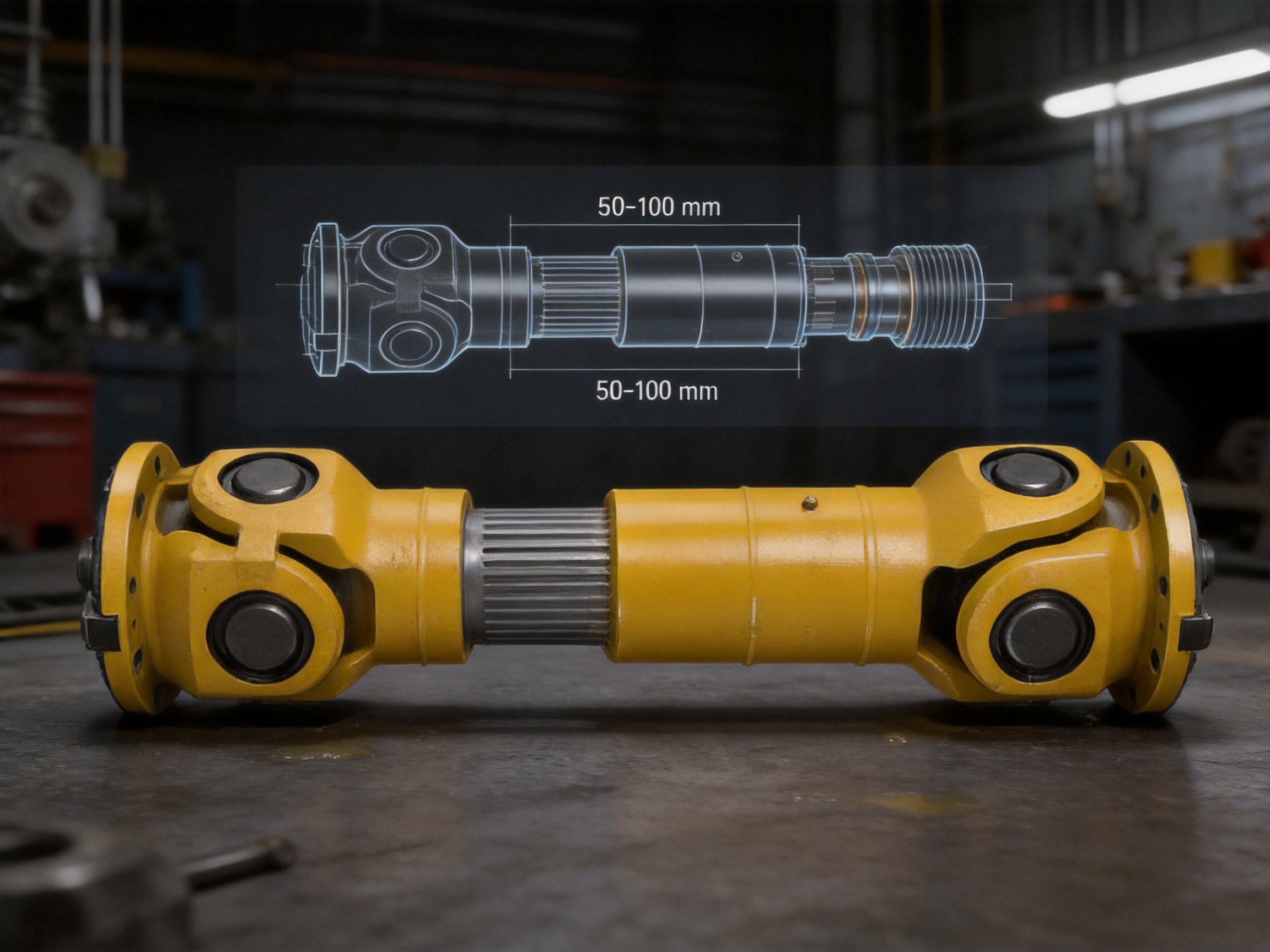
The SWC-DH Short Telescopic Welded Universal Coupling is a compact universal shaft coupling designed for systems with restricted installation space and a need for axial compensation. The principal design parameters highlighted for this model are a short overall length, an axial compensation range of approximately 50 to 100 millimeters, and a telescopic capacity equivalent to approximately 5% to 8% of the total coupling length, depending on the selected configuration.
The short design is not simply a reduction in physical size. It is an engineering arrangement that preserves the essential universal coupling functions while reducing the space occupied by the connection. By concentrating the necessary transmission elements into a more compact assembly, the SWC-DH model can help engineers solve layout problems in machines where the distance between shafts is limited.
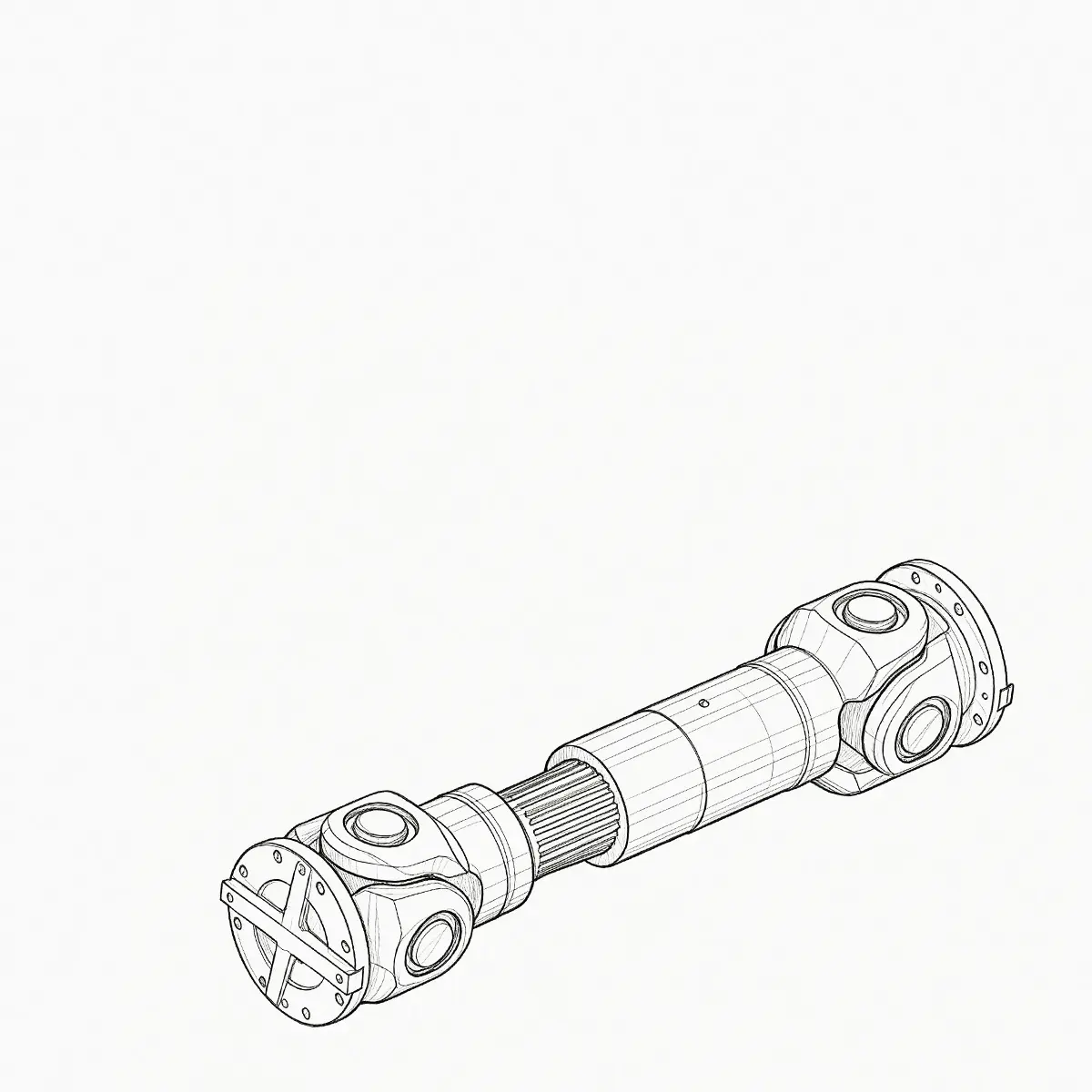
The welded yokes provide the connection between the coupling and the shafts or related drive components. The cross assembly permits angular articulation. The telescopic sleeve and spline provide axial movement. Bearings support the moving cross components, while the lubrication and sealing system helps protect the internal working surfaces and maintain smooth operation.
Each of these assemblies contributes to reliability. A strong yoke cannot compensate for poor spline guidance, and a precise spline cannot perform properly if the sealing system allows contamination to enter. The SWC-DH design therefore emphasizes coordinated structure rather than relying on one feature alone.
Main Design Features
Short telescopic construction: The overall length is reduced by approximately 30% compared with a standard design, helping the coupling fit into compact machine arrangements.
Axial compensation: The coupling can accommodate approximately 50 to 100 millimeters of axial displacement, depending on the selected model and application conditions.
Welded yoke structure: The integrated welded yoke design reduces the number of components and avoids the stress concentration risks commonly associated with multiple bolted flange connections.
Universal angular transmission: The cross assembly permits angular movement between connected shafts while maintaining torque transmission.
Precision spline guidance: The telescopic sleeve is matched with the spline to guide axial movement and reduce the possibility of jamming during operation.
Surface-treated sliding components: Special surface treatment is used to reduce friction and support longer service life in the telescopic section.
Lubrication and sealing system: Internal working areas are protected and lubricated to support smooth movement and reduce wear.
3. Why the Short Telescopic Design Matters
Installation space is a major limitation in many industrial machines. Existing equipment may have a fixed frame, closely positioned bearings, limited access around the shaft line, or surrounding components that prevent the use of a conventional long coupling. Extending the machine frame to accommodate a standard coupling may increase cost, weight, and installation time. In some cases, there may simply be no practical room for a longer component.
The SWC-DH design addresses this problem by shortening the coupling while retaining axial compensation. A reduction of approximately 30% in overall length can provide additional clearance for guards, bearings, gearboxes, braking systems, hydraulic components, or structural members. It can also make replacement work easier when the coupling must be installed within an existing machine rather than during the construction of a new system.
A compact design can also reduce the unsupported span of a shaft arrangement. This may assist engineers in controlling shaft deflection and limiting the space required for protective enclosures. The actual effect depends on the complete system design, but a shorter coupling gives designers greater freedom when arranging the drive train.
Compactness must not be achieved by removing necessary functional elements. The SWC-DH model retains the cross assembly, bearings, telescopic sleeve, spline guidance, and sealing arrangement required for heavy-duty transmission. Its design objective is to make the complete package more efficient in space, not merely to produce a smaller component with reduced performance.
4. Axial Compensation for Real Operating Conditions
Axial movement can result from several sources. Shafts may expand when their temperature rises, particularly in hot industrial environments or where one side of the transmission operates at a different temperature from the other. Vibration can create repeated relative movement. Installation deviations may leave the shaft positions slightly different from their nominal design dimensions. Structural deflection under load can also change the distance between connected shafts.
If a coupling cannot accommodate these changes, the axial movement may be transferred into bearings, gears, seals, or machine housings. This creates unwanted thrust loads and can cause mechanical binding. In severe cases, the drive system may experience abnormal noise, overheating, accelerated wear, or sudden failure.
The SWC-DH telescopic sleeve is designed to allow controlled axial sliding through its spline connection. With a compensation range of approximately 50 to 100 millimeters, the coupling can absorb significant shaft movement while continuing to transmit torque. The available movement must always be matched to the actual system requirements, and correct installation remains essential, but the design provides a useful reserve for applications in which shaft distance is not constant.
The stated telescopic capacity of approximately 5% to 8% of the total length demonstrates the proportional nature of the design. This capacity helps address thermal expansion, vibration-induced movement, and installation tolerances without forcing the connected shafts to remain in a fixed axial position.
Controlled telescoping is important. Unrestricted or poorly guided movement could create impact, uneven loading, or excessive spline wear. The SWC-DH design uses precision guidance between the telescopic sleeve and spline, helping the movement remain smooth and predictable. Surface treatment is applied to reduce friction, while lubrication supports the sliding surfaces during repeated operation.
5. Welded Yokes Versus Conventional Flange Connections
Traditional universal couplings may use multiple flange-connected parts joined by bolts. Flanged construction can be effective, but it introduces additional interfaces, fasteners, and potential stress concentration locations. Each connection must be correctly machined, aligned, tightened, and maintained. Under cyclic loads, bolt holes and flange transitions may become areas of increased stress.
The SWC-DH coupling uses an integrated welded yoke concept. By welding the yoke structure into a unified assembly, the design reduces the number of separate components and eliminates many of the bolted interfaces found in conventional arrangements. This can simplify the transmission path and reduce the number of points requiring periodic inspection.
A welded structure may also improve load continuity through the yoke when the weld design, material preparation, welding procedure, and inspection process are properly controlled. The objective is to create a strong and stable component capable of handling the repeated torque and bending effects associated with universal transmission.
The welded design can reduce overall weight because it does not require as many flange elements, bolts, and connection features. Lower component weight may reduce rotating inertia and help decrease the energy required during acceleration. The actual energy benefit depends on the complete drive system, but reducing unnecessary rotating mass is generally valuable in equipment with frequent starts, stops, and speed changes.
Compared with a flange-connected coupling, the welded yoke may also simplify the external geometry. A more integrated assembly can be easier to position within a confined machine layout. This advantage is particularly relevant where the coupling is surrounded by guards, frames, bearings, or other drive components.
6. Structural Components and Their Functions
Welded Yokes
The yokes transfer torque from the connected shafts to the cross assembly. They must maintain their geometry under torque, bending, and angular operating conditions. In the SWC-DH configuration, the welded yokes form an integrated structural element designed to provide strength with reduced component complexity.
Proper welding is essential to yoke reliability. Joint preparation, welding sequence, heat input, dimensional control, and post-weld inspection all affect the final result. Distortion must be controlled so that the yoke remains suitable for precision assembly and balanced operation.
Cross Assembly
The cross assembly provides the universal articulation function. It allows the coupling to transmit torque between shafts that are not perfectly collinear. Its bearing-supported arms must operate smoothly under repeated angular movement and fluctuating loads.
The cross is exposed to concentrated mechanical forces, making material selection, heat treatment, dimensional accuracy, and bearing fit important. The cross assembly must work together with the yokes so that load is distributed consistently and excessive localized stress is avoided.
Telescopic Sleeve and Spline
The telescopic sleeve and spline are responsible for axial compensation. The spline transmits torque while allowing the sleeve to slide along the shaft axis. This dual function makes the sliding surfaces especially important.
Accurate spline geometry helps maintain smooth axial movement and consistent torque transmission. Surface treatment can reduce friction and delay wear. Lubrication must be retained on the working surfaces, and sealing must limit the entry of dust, moisture, and other contaminants.
Bearing Components
Bearing components support the cross assembly and permit angular movement with controlled resistance. They are exposed to repeated motion, shock, and changing load direction. Correct bearing selection and installation are therefore essential for operating life.
Excessive clearance can create impact and vibration, while insufficient clearance may increase friction and heat. The manufacturing process must maintain the required dimensional relationships among the yokes, cross, bearing components, and housing features.
Lubrication and Sealing System
Lubrication reduces friction between moving surfaces and helps manage heat generated during operation. Seals retain lubricant and reduce the risk of contamination. In mining, metallurgy, construction, and outdoor hoisting environments, protection against dust, scale, water, and other contaminants is especially important.
The lubrication and sealing system is not an accessory added after the main structure is complete. It is an essential part of the coupling's operating reliability. Proper maintenance intervals should be established according to speed, load, operating temperature, contamination level, and duty cycle.
7. Advantages Over Conventional and Competing Designs
The SWC-DH coupling offers several advantages when compared with standard long couplings, conventional flange-connected universal couplings, and designs with limited axial movement.
| Design consideration | SWC-DH short telescopic welded coupling | Potential limitation of conventional alternatives |
|---|---|---|
| Installation length | Approximately 30% shorter than the standard model | Longer bodies may be difficult to fit into compact equipment |
| Axial compensation | Approximately 50–100 mm, according to configuration | Rigid or limited-slide designs may transfer axial force to connected machinery |
| Yoke construction | Integrated welded yokes | Multiple flanges and bolts may increase component count and stress concentration points |
| Angular transmission | Cross assembly supports universal shaft movement | Rigid connections require more accurate shaft alignment |
| Telescopic guidance | Precision sleeve-and-spline guidance | Poorly guided sliding sections may experience friction, jamming, or uneven wear |
| Maintenance focus | Integrated structure with lubrication and sealing system | More connection interfaces may require additional inspection and tightening |
| Application flexibility | Suitable for restricted-space, heavy-duty transmission layouts | Standard designs may require modifications to the machine frame |
The principal competitive advantage is the combination of compactness and movement capacity. Some compact couplings sacrifice axial compensation, while some telescopic couplings require greater installation length. The SWC-DH design is intended to address both requirements at the same time.
The welded yoke is another differentiating feature. Reducing separate connection elements can simplify the assembly and create a more integrated load path. It may also lower the risk associated with loose bolts, flange misalignment, or stress concentrations around bolt holes, provided the welded manufacturing process is properly controlled.
The product is also advantageous where machinery must be modernized without extensive redesign. A shorter coupling can help replace an older component in a restricted installation position. Engineers may be able to obtain improved axial compensation without moving adjacent bearings, supports, or gearboxes, although every retrofit must be verified against torque, speed, angularity, and dimensional requirements.
8. Manufacturing Process and Engineering Control
The reliability of a heavy-duty coupling depends on manufacturing discipline as much as on the design concept. Zhenjiang Orienthold Machinery Co., Ltd. combines design, production, inspection, and service within one organization. This integrated structure supports communication between engineering personnel, production teams, quality inspectors, and customers.
Engineering Design and Application Review
Manufacturing begins with understanding the application. Important factors include transmitted torque, rotational speed, shaft diameter, angular misalignment, axial movement, operating temperature, environment, installation space, duty cycle, and maintenance conditions. The coupling must be selected and configured according to these factors rather than by size alone.
Application review also helps identify special requirements. A customer may need a particular flange arrangement, shaft connection, telescopic stroke, surface treatment, sealing arrangement, or installation dimension. The ability to discuss these factors directly with a manufacturer can reduce the risk of selecting a product that is nominally suitable but inadequate in actual service.
Material Preparation and Component Manufacturing
Raw materials and semi-finished components must be suitable for the loads and environment of the coupling. The yoke, cross, sleeve, spline, bearing supports, and related components require controlled dimensions and appropriate mechanical properties.
Machining operations must establish accurate reference surfaces, bore dimensions, spline profiles, bearing seats, and connection features. Dimensional consistency is important because even small deviations can affect alignment, rotation balance, telescopic movement, or bearing loading.
Welding Process Control
The welded yoke is produced through controlled fabrication rather than informal assembly. Welding procedures should address joint preparation, fit-up, electrode or wire selection, welding sequence, heat input, and distortion control. These factors help ensure that the finished yoke meets the required strength and dimensional specifications.
After welding, the component may require cleaning, dimensional correction, machining, and inspection. Weld quality is especially important in a rotating heavy-duty component because defects can become fatigue initiation points under repeated loading. Appropriate non-destructive or visual inspection methods can be used according to the component and customer requirements.
Heat Treatment and Surface Treatment
Wear-prone parts may require heat treatment to achieve a suitable balance of hardness, toughness, and fatigue resistance. The exact treatment depends on the material and the function of each component. The cross assembly and spline surfaces, for example, may require different properties from the welded yoke.
Surface treatment of the telescopic components helps reduce friction and improve resistance to wear. The treatment must be compatible with the selected lubricant and the operating environment. A properly prepared sliding surface can improve telescopic smoothness and reduce the risk of movement becoming stiff over time.
Assembly and Lubrication
Assembly requires clean working conditions and controlled fitting procedures. Bearing components must be installed without damaging rolling or sliding surfaces. The cross, yokes, sleeve, and spline must be aligned correctly, and the lubrication system must be filled or prepared according to the specified requirements.
Seals must be positioned carefully so that they are not cut, distorted, or installed in the wrong orientation. Improper seal installation can allow contamination to enter or lubricant to escape, eventually affecting the cross bearings and telescopic surfaces.
Inspection and Testing
Zhenjiang Orienthold Machinery Co., Ltd. operates with a quality supervision system supported by inspection and testing equipment. Inspection may include dimensional verification, weld examination, surface checks, assembly inspection, rotational checks, and other evaluations appropriate to the product configuration.
Testing provides a final opportunity to identify problems before shipment. It also supports traceability and continuous improvement by allowing production personnel to compare actual results with design and process requirements. For customized couplings, inspection is particularly valuable because the product may include application-specific dimensions or connection details.
9. Quality Management and Technical Strength
A medium-sized specialist manufacturer can offer an important balance between production capability and communication flexibility. Large-scale standardization can provide efficiency, but complex industrial projects often require rapid technical discussion and adaptation. Orienthold Machinery combines manufacturing resources with direct application support, allowing customers to communicate product requirements and receive responses from a company familiar with the design and production process.
The company specializes in couplings and papermaking machinery, integrating design, production, and service. Its products are used in transportation, metallurgy, chemical engineering, mining, construction, and hoisting industries. This range of applications indicates experience with equipment that must operate under varying loads, harsh environments, and demanding duty cycles.
Quality supervision is supported by complete inspection and testing equipment. Products are manufactured in accordance with applicable national standards, while the company's papermaking machinery technology and quality have reached international levels. For coupling customers, this production background supports confidence in process control, engineering discipline, and long-term service capability.
Technical strength is also reflected in the ability to support customization. A coupling may need to match an existing shaft, a specific machine interface, an unusual installation distance, or a special environmental condition. A manufacturer that can combine design review with production and inspection is better positioned to manage these requirements than a supplier that only resells a standard component.
10. Industrial Applications
Transportation Equipment
Transportation systems may contain long or articulated drive arrangements in which shaft alignment changes during operation. The universal function of the SWC-DH coupling can support angular transmission, while the telescopic section accommodates movement caused by equipment geometry and vibration.
Metallurgical Machinery
Metallurgical equipment often works under high loads, elevated temperatures, vibration, and frequent operating cycles. Thermal expansion can be significant, making axial compensation valuable. The welded structure and protective lubrication system are suitable features for systems that require robust mechanical transmission.
Mining Equipment
Mining machinery must contend with dust, shock loading, uneven foundations, and difficult maintenance access. A compact coupling can help fit into restricted machine layouts, while sealing and lubrication help protect internal components. The coupling must be selected according to the actual torque, speed, angularity, and contamination level of the mining application.
Construction Machinery
Construction machinery may experience changing loads and structural deflection as equipment moves across uneven ground or handles different materials. A universal coupling can accommodate angular movement and help reduce the effects of shaft alignment variation.
Hoisting and Crane Systems
Hoisting equipment requires dependable transmission during starting, stopping, lifting, lowering, and braking. Shock loads and frequent cycling make coupling selection important. The SWC-DH short design may be useful where crane machinery has limited installation space and requires controlled axial compensation.
Paper Machinery
Paper production machinery commonly includes long transmission lines, multiple rolls, and equipment operating at controlled speeds for extended periods. Alignment, vibration, and thermal conditions must be managed carefully. A coupling with universal articulation and telescopic compensation can help accommodate the movement found in complex paper machinery layouts.
11. Installation Considerations
Correct installation is essential to achieving the intended performance of the SWC-DH coupling. Before installation, technicians should verify the coupling model, shaft dimensions, connection details, required axial position, angular relationship, and available telescopic stroke. The coupling should not be forced into position or used to correct an installation error greater than its designed compensation capacity.
The shaft ends and mounting surfaces should be clean and free of burrs, scale, and excessive corrosion. Connection dimensions should be checked against the approved drawing or technical documentation. The coupling must be installed in the correct orientation, particularly where the telescopic section or lubrication arrangement has a specified position.
During installation, the available axial movement should be positioned appropriately. It is generally undesirable for the sleeve to remain permanently at one extreme of its travel because this may leave insufficient reserve for movement in one direction. The installation position should reflect the expected operating range and the thermal or structural behavior of the connected machinery.
Angular alignment should also be verified. Although the universal coupling accommodates angular movement, excessive operating angles can increase bearing loads, torque variation, and wear. The permissible angle depends on the specific model, speed, load, and service conditions and should be confirmed through technical documentation.
After installation, technicians should check for free movement, adequate lubrication, seal integrity, abnormal interference, and correct guarding. A controlled commissioning process can identify unusual vibration, noise, heating, or telescopic resistance before the equipment reaches full production duty.
12. Maintenance and Service Life
Routine maintenance helps preserve the coupling's transmission performance. Inspection intervals should be determined by the operating environment and duty cycle. A coupling used in a clean, moderate-speed application may require a different schedule from one operating continuously in a dusty, high-load mining environment.
Maintenance personnel should inspect the yokes, weld areas, cross assembly, bearing components, telescopic sleeve, spline, seals, and mounting connections. Signs of concern include cracks, unusual looseness, excessive backlash, lubricant leakage, corrosion, abnormal wear marks, or difficulty during axial movement.
Lubrication should be replenished with a suitable lubricant at the recommended intervals. Over-lubrication can sometimes create heat or pressure problems, while insufficient lubrication increases friction and wear. The lubricant should be compatible with the seals and operating temperature.
The telescopic section deserves particular attention. It should move smoothly without sticking, impact, or irregular resistance. Contamination on exposed sliding surfaces should be removed carefully, and damaged seals should be replaced promptly. Continued operation with contaminated or dry spline surfaces can shorten the life of the sleeve and associated components.
Vibration monitoring can provide early warning of developing problems. An increase in vibration may result from coupling imbalance, looseness, bearing wear, misalignment, structural changes, or damage to the cross assembly. Investigating changes early can help prevent secondary damage to connected equipment.
Service life depends on many variables, including torque, speed, angularity, axial movement, temperature, lubrication, contamination, installation quality, and maintenance. No coupling should be assigned a fixed service life without considering these conditions. Proper selection and maintenance are essential to achieving the expected performance.

13. Selection Guidance for Engineers
Engineers evaluating the SWC-DH coupling should begin by defining the operating requirements. The most important information includes rated torque, peak torque, rotational speed, shaft size, shaft spacing, angular misalignment, axial movement, installation limitations, operating temperature, environmental contamination, and expected service hours.
The required axial compensation should be calculated rather than estimated casually. Thermal expansion can be estimated from shaft length, material, and temperature change. Structural movement and installation tolerance should also be considered. A reasonable design margin may be necessary so that normal operation does not use the full available stroke.
Torque requirements should include starting torque, shock loads, braking effects, reversing cycles, and transient conditions. A coupling that is suitable for steady operation may not be sufficient for a machine with frequent starts or sudden load changes. The manufacturer should receive complete duty-cycle information before confirming the selection.
Speed and angularity must be evaluated together. Higher speed and larger operating angle can increase bearing loads, vibration, and torque fluctuation. The coupling should be balanced and installed according to the requirements of the selected configuration.
Space measurements should include not only the nominal shaft distance but also the clearance needed for assembly, inspection, lubrication, guarding, and future replacement. The approximately 30% shorter construction of the SWC-DH model may provide an important advantage, but the complete installation envelope must still be verified.
| Selection factor | Questions to confirm | Why it matters |
|---|---|---|
| Torque | What are the continuous, peak, starting, and braking torques? | Determines the required structural and fatigue capacity |
| Speed | What is the normal and maximum rotational speed? | Influences balance, vibration, bearing load, and lubrication |
| Axial movement | How much movement is expected during operation? | Confirms whether the 50–100 mm compensation range is adequate |
| Angular movement | What operating angle and misalignment are present? | Determines cross and bearing loading |
| Available space | What is the maximum coupling length and diameter? | Confirms the benefit of the short telescopic configuration |
| Environment | Are dust, water, heat, chemicals, or outdoor exposure present? | Guides sealing, lubrication, material, and maintenance requirements |
| Maintenance | How often can the equipment be stopped for inspection? | Influences lubrication access and service planning |
14. Customization and Customer Support
Industrial coupling projects often require more than a standard purchase order. Customers may need help confirming dimensions, calculating axial movement, checking shaft interfaces, selecting materials, or adapting the coupling to existing machinery. A manufacturer with design and production capabilities can provide a more coordinated response.
Orienthold Machinery provides pre-sales consultation and customization support. The company can work with customers to understand the equipment, operating environment, installation limitations, and performance requirements. This approach helps align the selected coupling with the actual mechanical system.
Flexible logistics and payment options can support international procurement, while reliable maintenance assistance helps customers manage the product after delivery. For industrial users, technical support is valuable because the cost of a coupling is often small compared with the cost of unplanned downtime, damaged machinery, or delayed production.
Communication should continue throughout the project. Drawings, interface dimensions, inspection requirements, packaging details, and installation instructions should be confirmed before production. This reduces uncertainty and helps ensure that the delivered coupling can be installed without unexpected modification.
15. Economic and Operational Value
The value of the SWC-DH coupling is not limited to its purchase price. A shorter coupling may reduce the need for structural modification in a compact machine. A welded structure may reduce the number of components and maintenance points. Axial compensation may reduce unwanted loads on bearings and connected equipment. Improved telescopic guidance may help reduce friction, wear, and the risk of operating interference.
Lower rotating mass can also benefit equipment with frequent acceleration and deceleration. While the actual energy savings depend on the motor, gearbox, load, and operating cycle, a lighter integrated coupling can contribute to a more efficient transmission system.
Reliability has an economic value as well. Avoiding a coupling-related failure can reduce production losses, emergency labor, replacement costs, and damage to adjacent components. The most economical coupling is therefore not necessarily the least expensive component; it is the one that provides an appropriate balance of acquisition cost, service life, maintenance, and system protection.
The SWC-DH model is especially valuable when space restrictions would otherwise require expensive redesign. Its short telescopic construction gives engineers another option when standard couplings cannot fit or when a longer coupling would interfere with nearby components.
16. Frequently Asked Questions
Q1: What is the main purpose of the SWC-DH coupling?
The main purpose is to transmit torque between shafts that may operate at an angle while accommodating axial displacement. Its short telescopic construction is intended for heavy-duty systems where installation space is restricted.
Q2: How much axial compensation can it provide?
The stated compensation range is approximately 50 to 100 millimeters, depending on the selected configuration and application. The actual required stroke should be confirmed against shaft movement, thermal expansion, and installation conditions.
Q3: How much shorter is the SWC-DH design?
The overall length is reduced by approximately 30% compared with the standard model. The exact final dimension depends on the selected size and connection arrangement.
Q4: What causes the need for axial compensation?
Common causes include thermal expansion, vibration, structural deflection, installation deviation, and changes in the distance between connected machines during operation.
Q5: What is the advantage of welded yokes?
Welded yokes reduce the number of separate components and avoid many of the stress concentration risks associated with bolted flange connections. They can also reduce weight and simplify the overall structure when manufactured and inspected correctly.
Q6: Can the coupling be used in mining and metallurgy?
Yes. Its universal transmission function, axial compensation, compact design, and lubrication and sealing system make it suitable for consideration in mining, metallurgy, transportation, construction, and hoisting equipment. Final selection must reflect the actual load, speed, environment, and maintenance conditions.
Q7: Does the telescopic sleeve require lubrication?
Yes. The telescopic sleeve and spline are working sliding components and require suitable lubrication. Lubrication intervals depend on speed, load, contamination, temperature, and operating hours.
Q8: What information should be provided for product selection?
Customers should provide torque, rotational speed, shaft diameter, shaft spacing, angular misalignment, axial movement, installation space, environmental conditions, duty cycle, and any special connection or customization requirements.
Q9: Can the product be customized?
Customization can be discussed according to the machine interface, installation dimensions, shaft requirements, axial stroke, environmental conditions, and other technical factors. The manufacturer can review the application before confirming the appropriate configuration.
Q10: What inspections are important after installation?
Technicians should check connection tightness, alignment, axial movement, lubrication, seal condition, guarding, vibration, noise, and operating temperature. Any abnormal condition should be investigated before the equipment enters continuous service.
Q11: How does the short design help equipment builders?
It can provide more installation clearance, reduce the need to modify machine frames, simplify retrofit work, and allow adjacent bearings, gearboxes, guards, or structural components to remain in a compact arrangement.
Q12: Where can customers obtain technical support?
Customers can contact Zhenjiang Orienthold Machinery Co., Ltd. for product consultation, customization discussion, inspection coordination, logistics assistance, and maintenance support. The company can be reached through its industrial coupling sales team at sales@ohmach.com or +86-18652865511.
17. Conclusion
The SWC-DH Short Telescopic Welded Universal Coupling is designed to solve a common industrial transmission challenge: how to provide reliable angular torque transmission and meaningful axial compensation when installation space is limited. Its approximately 30% shorter structure, 50 to 100 millimeters of axial compensation, welded yokes, precision telescopic sleeve, cross assembly, bearing components, and lubrication and sealing system work together to provide a compact heavy-duty solution.
Compared with conventional long or flange-connected couplings, the design offers advantages in installation flexibility, component integration, axial movement, structural continuity, and potential maintenance efficiency. The welded yoke construction reduces separate interfaces, while the guided spline and treated sliding surfaces support smooth telescopic operation.
The performance of any coupling depends on correct engineering selection, controlled manufacturing, proper installation, suitable lubrication, and regular inspection. Through integrated design, production, quality supervision, testing, and customer service, Zhenjiang Orienthold Machinery Co., Ltd. is positioned to support customers seeking standard or customized coupling solutions for demanding industrial applications.
For transportation, metallurgy, mining, construction, hoisting, paper machinery, and related industries, the SWC-DH model provides a practical option where space, movement, and reliability must be considered together. Its value lies not in one isolated feature, but in the combination of compact structure, universal articulation, axial compensation, welded construction, and application-focused manufacturing.
References
1. Industrial Coupling Design Principles, Mechanical Power Transmission Engineering Reference.
2. Universal Joint and Cross Assembly Maintenance Practices, Heavy-Duty Machinery Service Guide.
3. Welding Quality Control for Fabricated Mechanical Components, Industrial Manufacturing Process Manual.
4. Spline Design, Lubrication, and Surface Engineering, Power Transmission Component Handbook.
5. Coupling Selection for Misalignment and Axial Movement, Mechanical Equipment Application Guide.
6. Principles of Bearing Lubrication and Sealing in Industrial Drives, Machinery Reliability Reference.
7. National Standards and Inspection Practices for Industrial Couplings and Rotating Machinery Components.
8. Technical product information supplied for the SWC-DH Short Telescopic Welded Universal Coupling.
Product: SWC-DH Short Telescopic Welded Universal Coupling
PREV: WZL Type Drum Coupling for Reliable Heavy-Duty Hoisting ApplicationsNEXT: WGZ Type Crowned-Gear Coupling with Brake Wheel: Integrated Power Transmission and Braking for Heavy-Duty Machinery
Be the First to Know
For exclusive deals and latest offers, sign up by entering your email address below.
Related products
News
-
-
Industrial Couplings: The Definitive Technical Encyclopedia – Classification, Sizing, Failure Prevention, and Lifecycle...
READ MORE -
Your compressor train is running at 9,800 rpm when the vibration monitor triggers an alarm. The first component your ma...
READ MORE -
A rotating equipment engineer at a steel finishing mill recently described a flexible coupling that had failed twice in...
READ MORE -
A coupling fails at 2:10 a.m. on a continuous production line. The drive train stops, alarms sound, and every idle minu...
READ MORE -
Gear Coupling vs. Drum Gear Coupling: The Core Difference The main difference is that "gear coupling" is a broad catego...
READ MORE


ABOUT US
PRODUCTS
INDUSTRIES
CONTACT US
- Phone: +86-18652865511
- Email: sales@ohmach.com
- Address: No.1, Minying Developing Zone, Zhenjiang, Jiangsu, China
Copyright Zhenjiang Orienthold Machinery Co., Ltd. All Rights Reserved.
 Custom Industrial Shaft Coupling Manufacturers