 English
 русский
 Português
 عربى
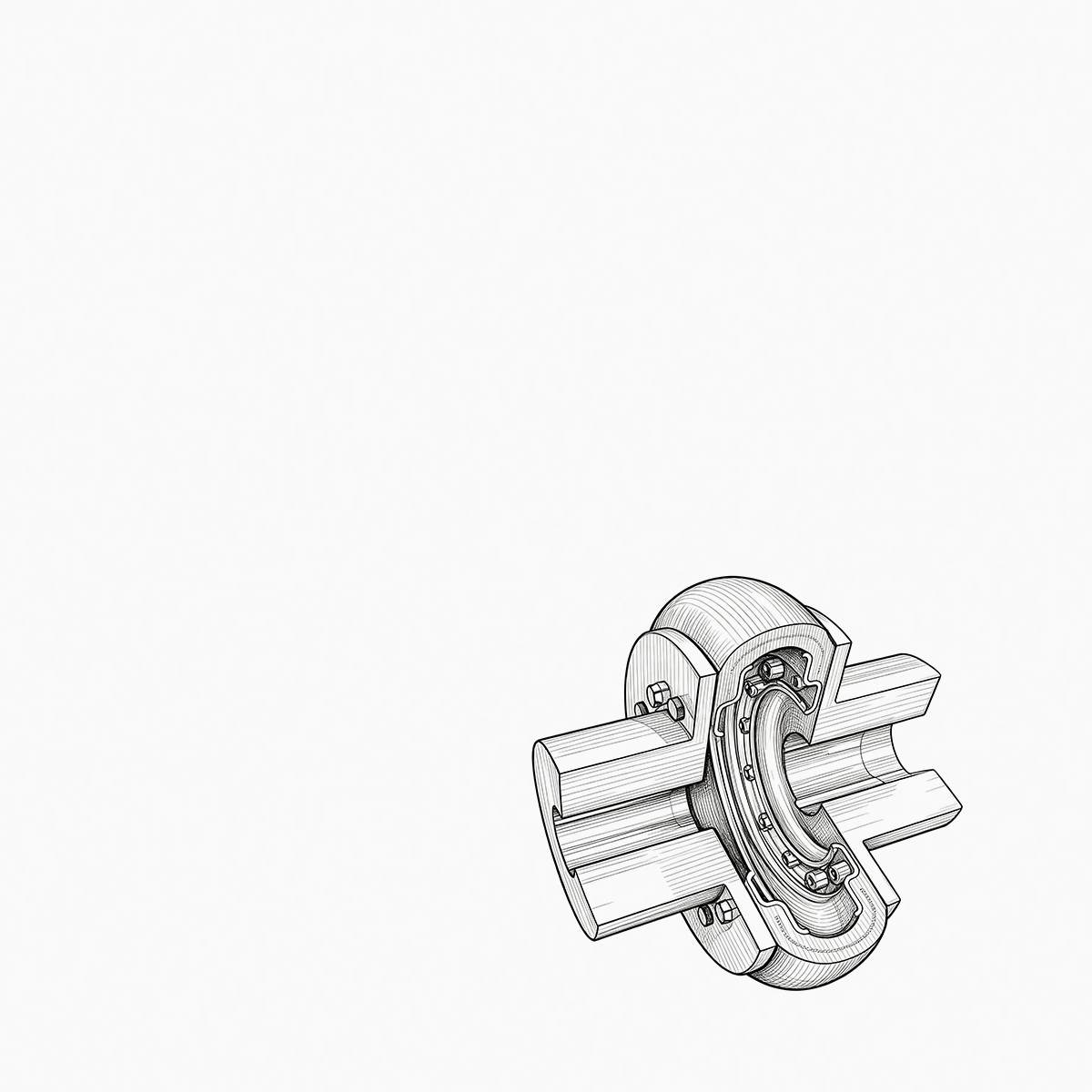

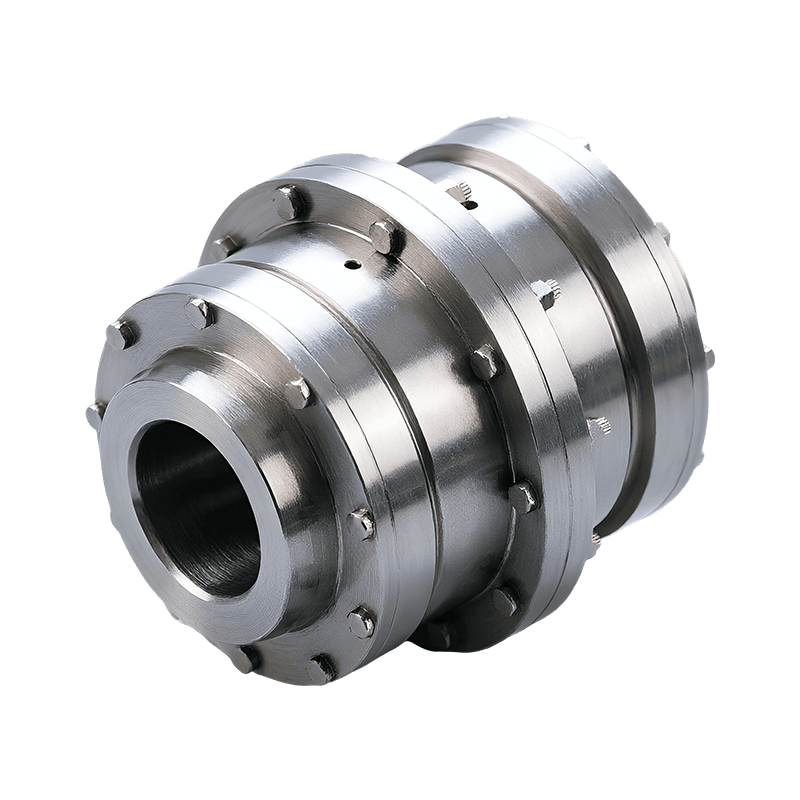
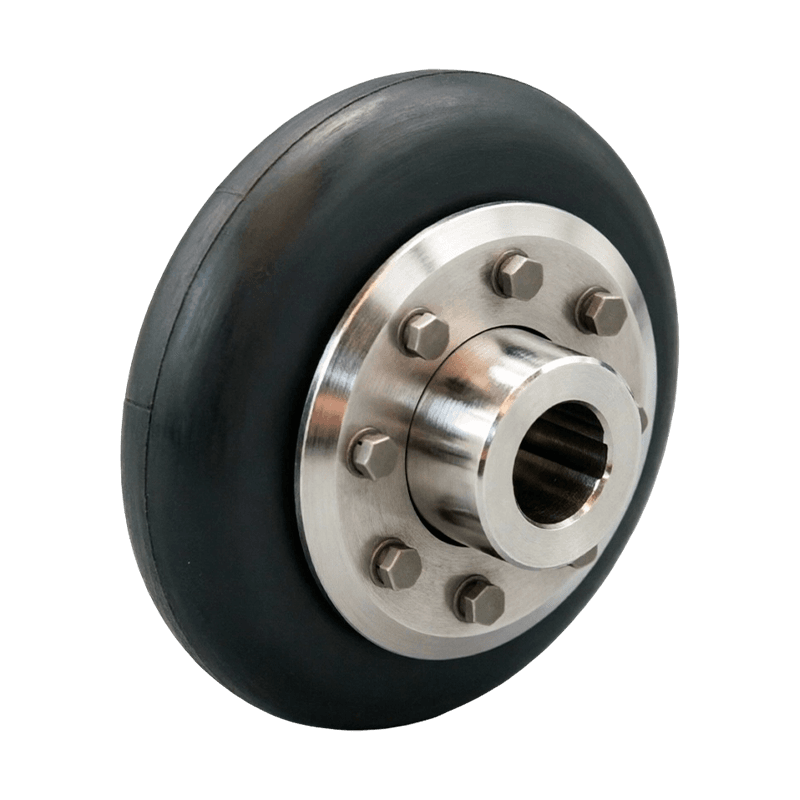
Consider a 250 kW crane hoist that begins to vibrate only when the load is lifted. The drum gear coupling is inspected ...
READ MORE
WZL Type Drum Coupling for Reliable Heavy-Duty Hoisting Applications
Admin 2026-09-27Content
- 1 Understanding the Role of a Drum Coupling in Hoisting Equipment
- 2 Core Construction of the WZL Type Drum Coupling
- 3 How the Coupling Accommodates Angular Misalignment
- 4 Torque Transmission and Load Management
- 5 Reducing Backlash and Supporting Smooth Operation
- 6 Advantages Compared with Less Specialized Couplings
- 7 Manufacturing Strengths Supporting Product Reliability
- 8 Quality Control from Design to Final Inspection
- 9 Application Areas
- 10 Installation Considerations
- 11 Maintenance and Inspection Practices
- 12 Selection Guidelines for Engineers and Purchasing Teams
- 13 Customization and Technical Support
- 14 Why a Reliable Coupling Can Reduce Total Operating Cost
- 15 Safety and Reliability in Hoisting Applications
- 16 Frequently Asked Questions
- 16.1 What is a WZL type drum coupling used for?
- 16.2 How much angular displacement can it compensate for?
- 16.3 How does the coupling transmit torque?
- 16.4 What is the purpose of the spherical joint?
- 16.5 Does the coupling eliminate the need for shaft alignment?
- 16.6 What is the function of the life indicator?
- 16.7 What industries can use this coupling?
- 16.8 Can the coupling be customized?
- 16.9 What information is required for product selection?
- 16.10 How should the coupling be maintained?
- 16.11 Why is a splined sleeve useful in a hoisting coupling?
- 16.12 What makes this coupling different from a simple rigid flange?
- 17 Conclusion
- 18 References
- 19 Product: WZL Type Drum Coupling (for Hoisting)
Heavy-duty hoisting machinery requires a coupling that can transmit substantial torque, tolerate changing operating conditions, and maintain dependable alignment between connected shafts. Cranes, lifting systems, transportation equipment, metallurgical machinery, mining installations, and construction equipment frequently operate under shock loads, reversing motion, vibration, and irregular loading. In these environments, an ordinary rigid connection may transfer excessive stress to shafts and bearings, while a less robust flexible coupling may experience premature wear, backlash, or instability.
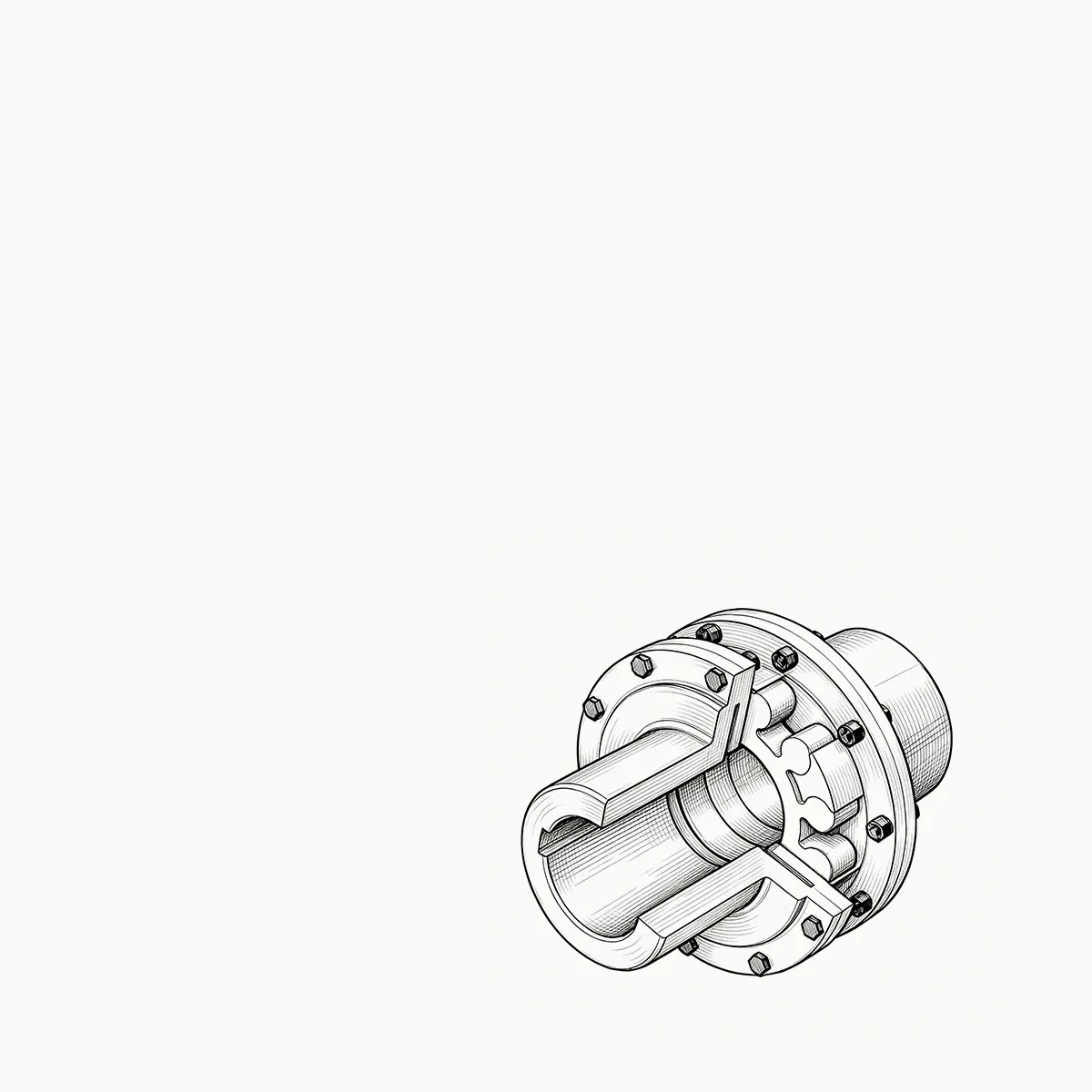
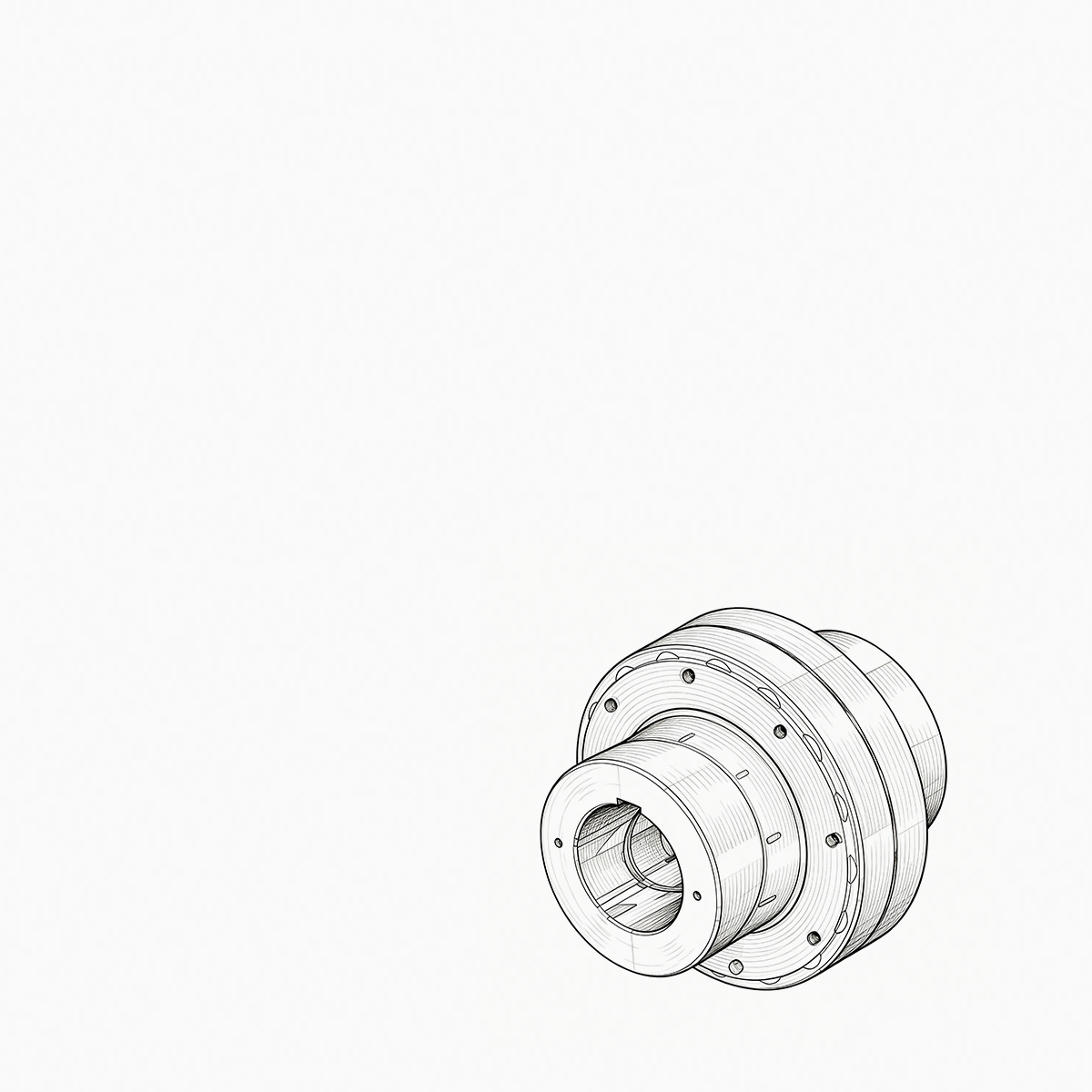
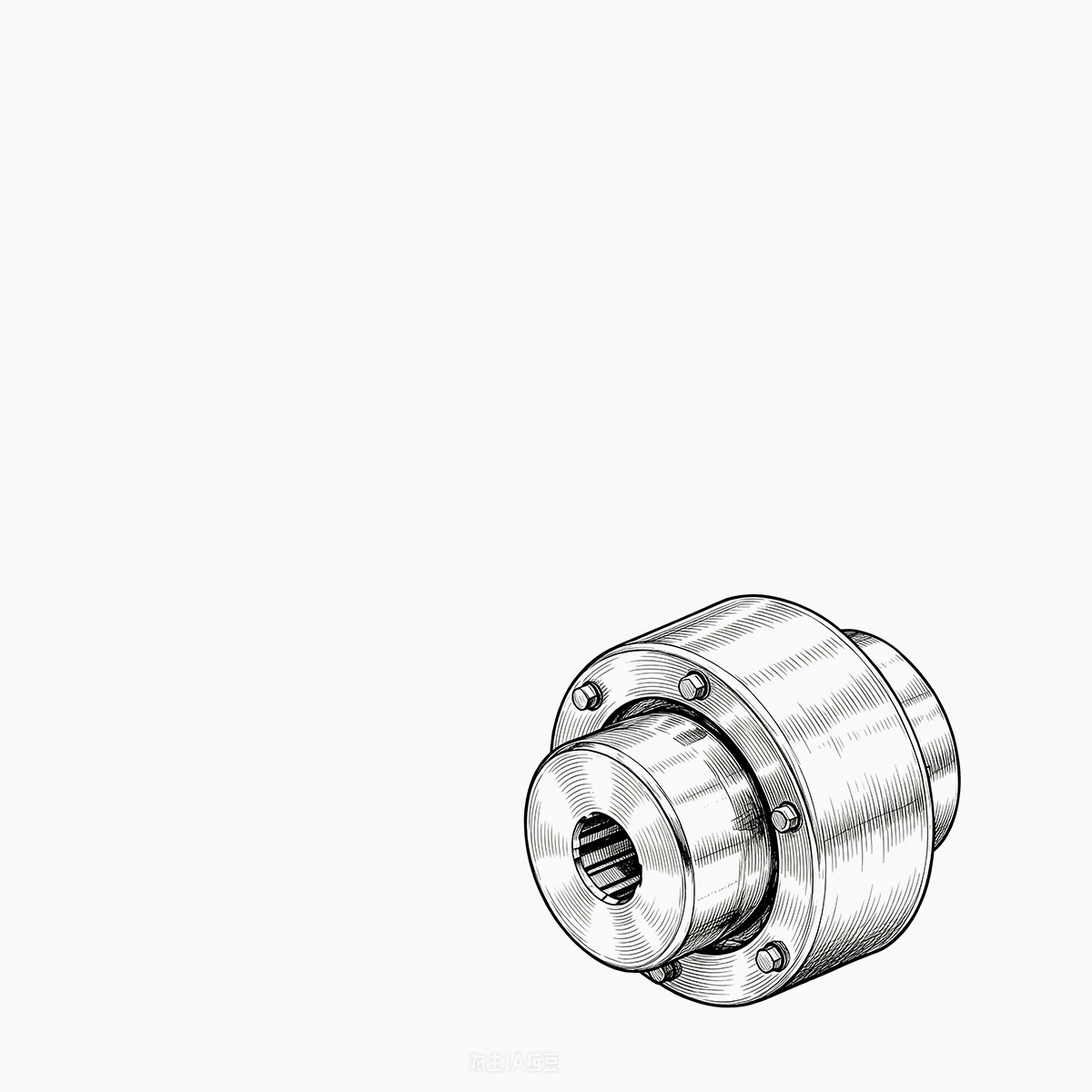
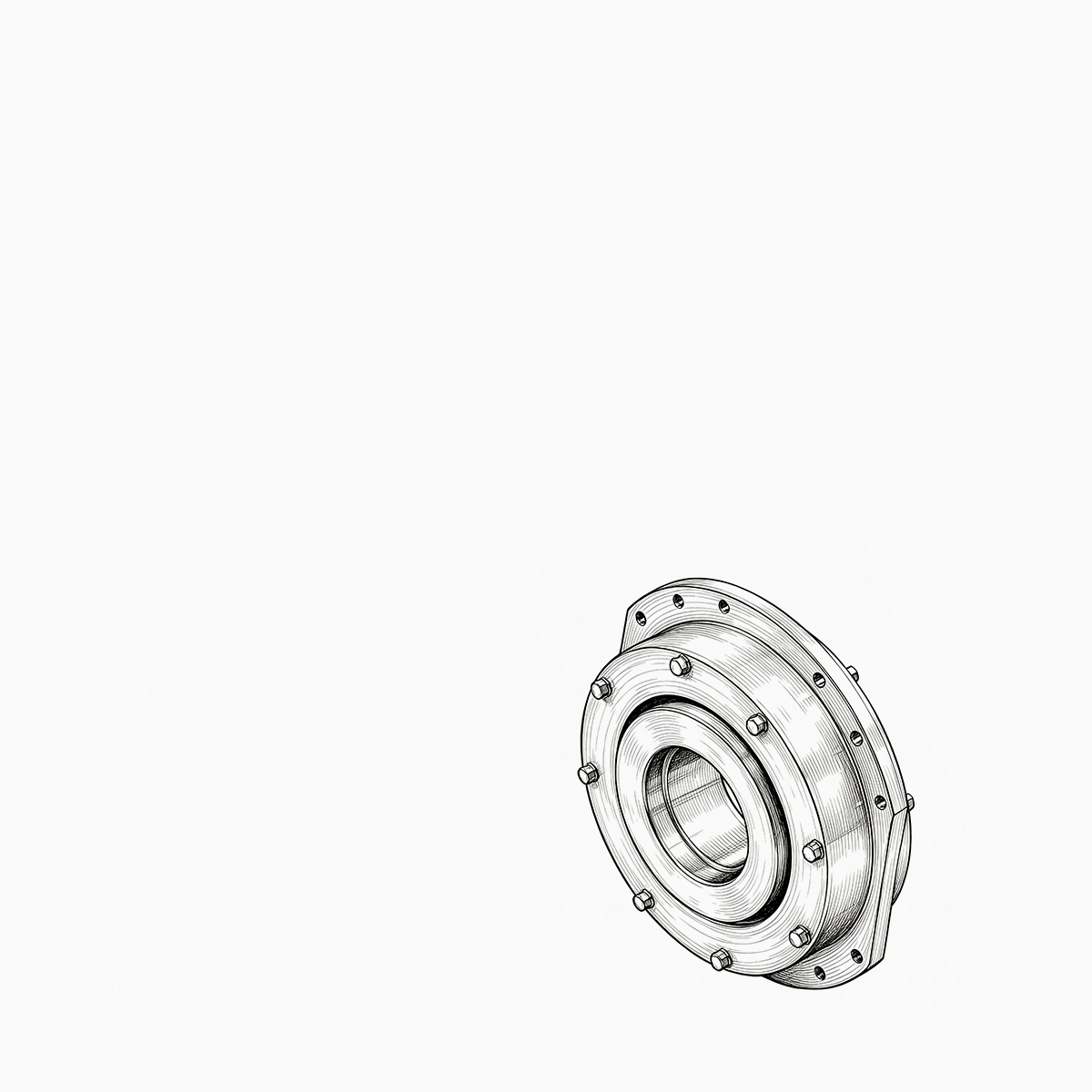
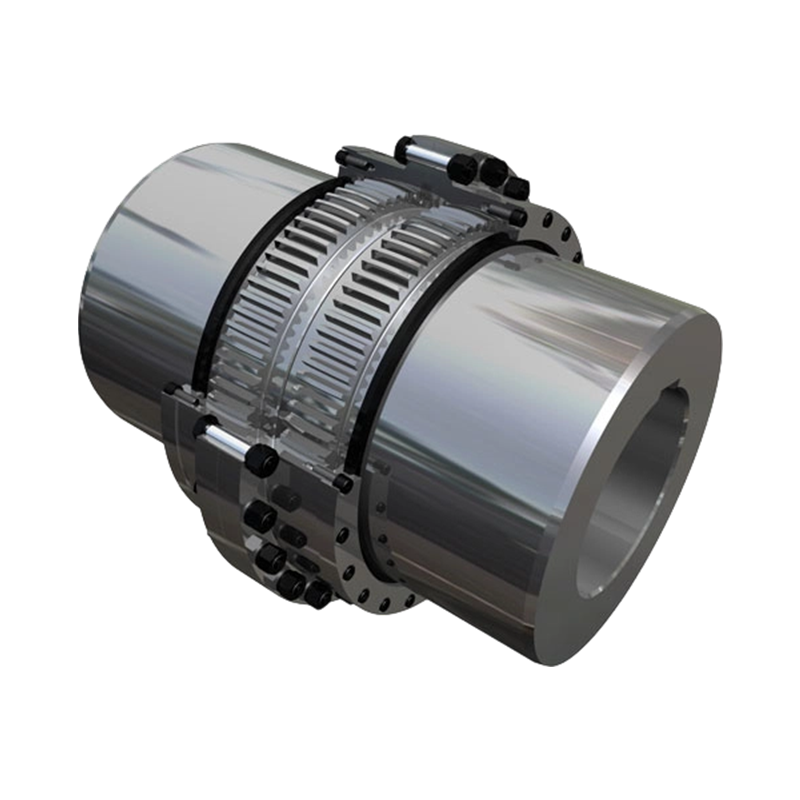
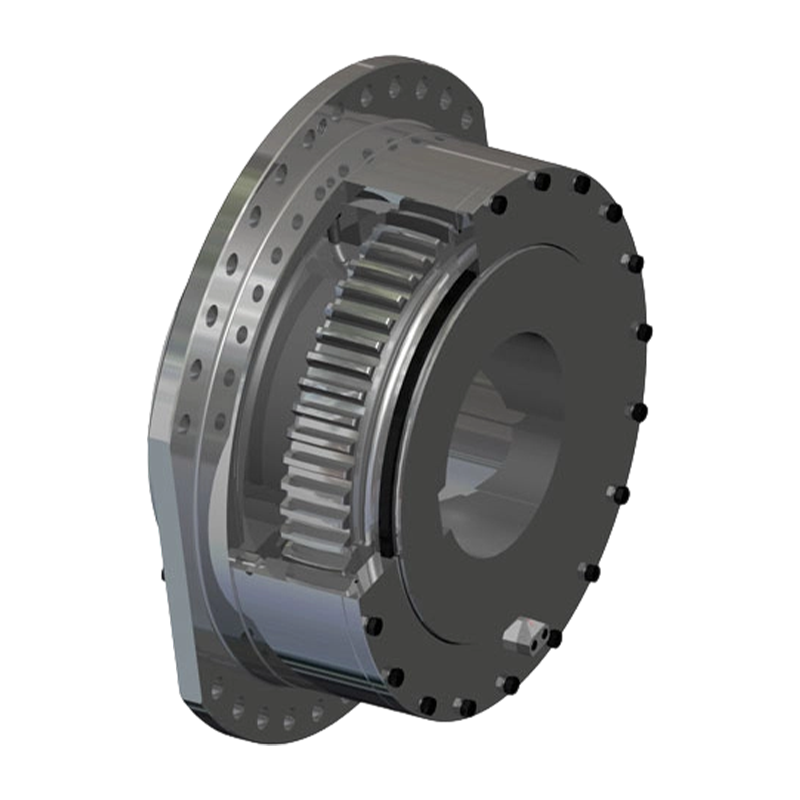
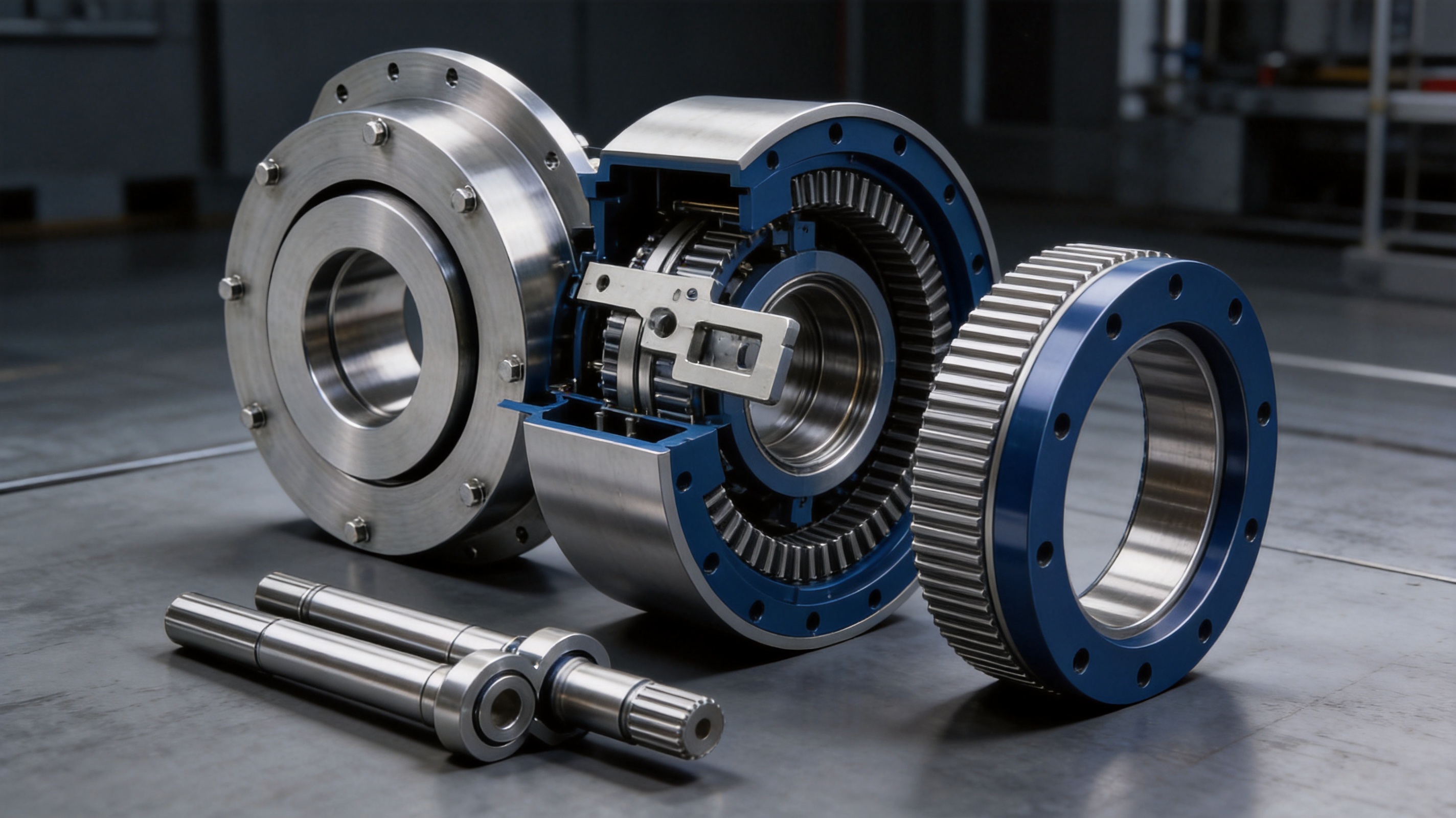
The WZL type drum coupling is designed to address these challenges. It is a high-performance spherical joint coupling developed for hoisting and other demanding industrial power transmission applications. Its construction combines an inner spherical connection flange, an outer spherical half-coupling sleeve, a specially engineered transmission key, retaining covers, and an internally controlled splined sleeve. Together, these components create a compact and durable transmission assembly capable of carrying torque while accommodating angular displacement.
One of the defining characteristics of this coupling is its ability to compensate for angular misalignment of up to 3 degrees. This capability is valuable in hoisting systems because connected shafts may shift slightly as loads are lifted, lowered, accelerated, stopped, or repositioned. By allowing controlled angular movement at the coupling interface, the WZL type design helps reduce unnecessary loads on connected equipment and supports smoother power transmission.
The coupling is also equipped with a built-in life indicator. This feature supports condition-based maintenance by providing operational feedback that can help maintenance personnel determine when inspection or service is required. Instead of relying exclusively on fixed service intervals, operators can incorporate coupling condition into a broader preventive maintenance plan.
Manufactured by Zhenjiang Orienthold Machinery Co., Ltd., the WZL type drum coupling benefits from an integrated design, production, inspection, and service approach. The company specializes in industrial couplings and papermaking machinery and serves industries including transportation, metallurgy, chemical engineering, mining, construction, and hoisting. Its production capabilities, quality supervision procedures, testing equipment, and customization services support the requirements of customers seeking dependable industrial transmission components.
Understanding the Role of a Drum Coupling in Hoisting Equipment
A drum coupling connects a drive system to a hoisting drum or related shaft arrangement while permitting the transmission of rotational force. In a typical hoisting mechanism, the drive motor and reduction gearbox produce torque that must be transferred to a drum or shaft with high reliability. The coupling is positioned between these components and becomes a critical part of the complete power transmission chain.
The operating conditions of a hoisting system are more severe than those of many continuous-duty machines. A crane may start and stop frequently, reverse direction, lift loads with varying weights, and experience sudden changes in torque. The drum and shaft may also be exposed to radial forces, structural movement, and angular variation. These conditions place demanding requirements on the coupling.
A suitable drum coupling should perform several functions at the same time. It must transmit torque without excessive slip, tolerate expected misalignment, control backlash, protect connected shafts, and preserve operational stability. It should also be strong enough to withstand repeated load cycles and practical enough to inspect and maintain.
The WZL type drum coupling is designed around these requirements. Its spherical joint arrangement provides controlled articulation, while its splined transmission structure supports torque transfer. The use of inner and outer retaining covers helps maintain the assembly and contributes to secure operation under demanding loads. The result is a coupling intended not merely to connect two shafts, but to manage the mechanical relationship between them during real operating conditions.
Core Construction of the WZL Type Drum Coupling
Spherical Connection Flange
The inner spherical connection flange forms a central part of the coupling’s articulation system. Its spherical geometry allows the coupling to accommodate angular movement while maintaining a controlled contact relationship with the outer component. This is different from a simple rigid flange connection, where even a small angular deviation can create concentrated stress at the shaft, bearing, or coupling interface.
The spherical form helps distribute movement across a defined joint surface. During operation, the coupling can respond to angular changes without requiring the entire connected machine to remain perfectly aligned at all times. This is especially helpful in large equipment, where structural deflection and installation tolerances may be unavoidable.
Outer Spherical Half-Coupling Sleeve
The outer spherical half-coupling sleeve surrounds and works with the inner spherical connection flange. The two components form a ball joint interface that provides the coupling with its angular compensation capability. The sleeve also contributes to the strength and protection of the coupling assembly.
Because the spherical elements are designed to work together, movement remains guided rather than uncontrolled. This helps the coupling maintain a stable transmission path while accommodating up to 3 degrees of angular displacement. The controlled nature of the joint is important because excessive or unrestricted movement could increase wear and create unstable loading.
Transmission Key
A specially engineered transmission key supports the transfer of torque through the coupling. The key provides a positive mechanical connection between designated coupling components and helps prevent unwanted relative rotation under load. Its design is important because the key must carry repeated torque cycles while working within the coupling’s articulated structure.
In a hoisting application, torque is rarely perfectly constant. Starting, braking, reversing, and load changes can create transient forces. A properly integrated transmission key helps maintain a secure power path during these events and reduces the risk of backlash caused by an inadequate connection.
Inner and Outer Retaining Covers
The inner and outer retaining covers help secure the coupling components and maintain the intended alignment of the assembly. They also provide a protective function by enclosing important interfaces and helping reduce the exposure of internal parts to external contamination.
Retaining components are particularly important in industrial machinery because the coupling must remain stable while operating under vibration and cyclic loads. A secure cover arrangement contributes to operational reliability and makes the coupling a more complete engineered assembly rather than a collection of loosely connected parts.
Internally Controlled Splined Sleeve
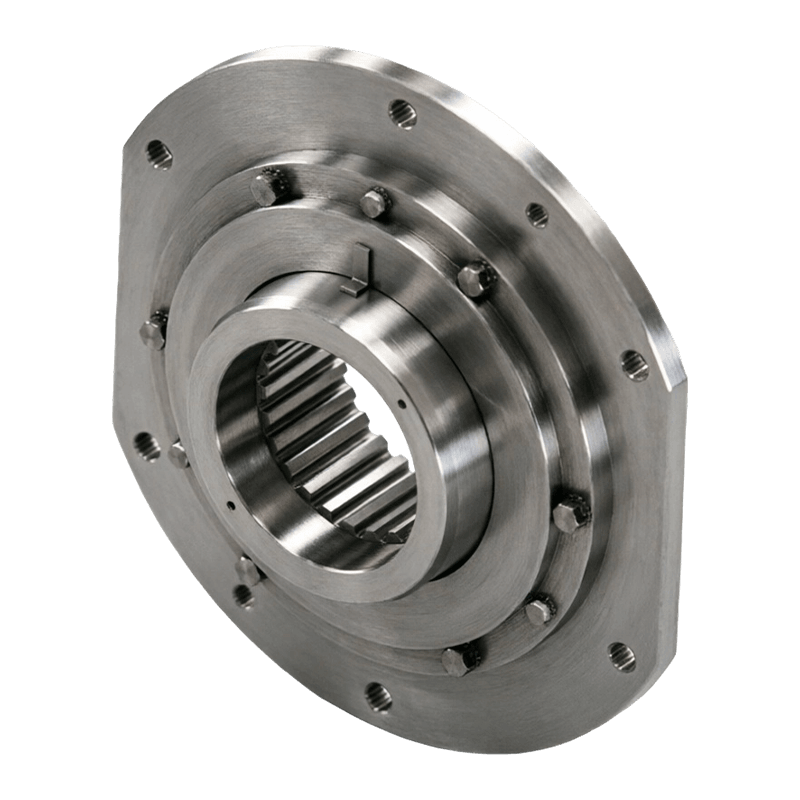
The internally controlled splined sleeve is optimized to transmit substantial torsional and radial loads. Splined transmission allows torque to be distributed across multiple engaging teeth rather than concentrated at a single small contact area. This arrangement can support efficient torque transfer and help minimize backlash when the components are correctly manufactured, assembled, and maintained.
The internal spline structure also contributes to the compactness of the coupling. A well-designed internal transmission path can carry significant loads without requiring an unnecessarily large external envelope. This is useful in crane machinery, where available installation space may be limited by drums, frames, gearboxes, brakes, and maintenance access requirements.
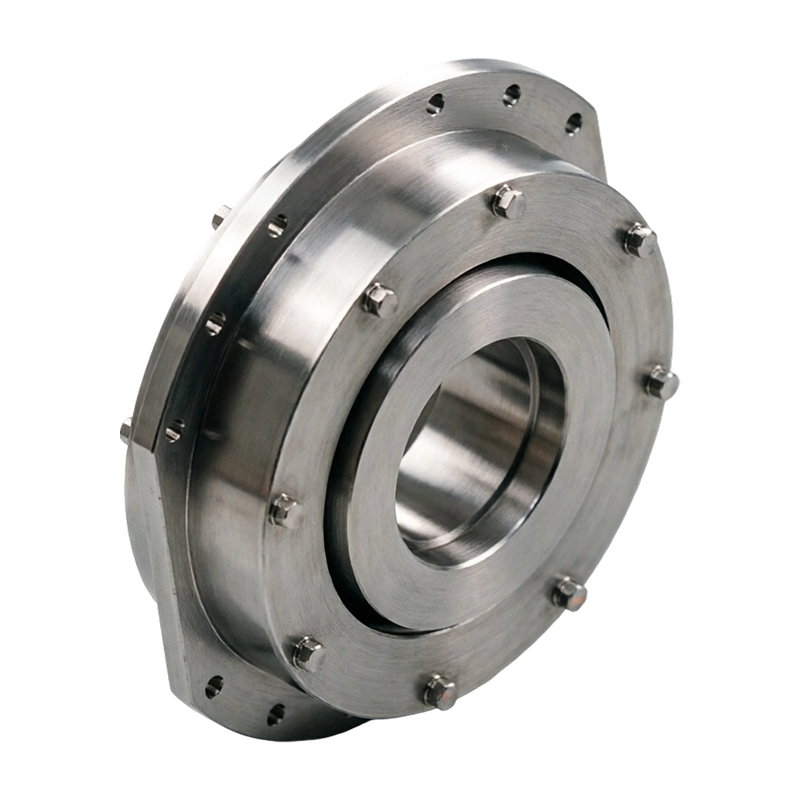
WZL Type Drum Coupling (for Hoisting)
How the Coupling Accommodates Angular Misalignment
Angular misalignment occurs when two connected shafts are not perfectly collinear and their centerlines intersect at an angle. In real industrial equipment, this may result from installation tolerances, foundation movement, structural deflection, thermal effects, bearing movement, or changes in load. A coupling that cannot accommodate angular misalignment transfers these deviations to adjacent components.
The WZL type drum coupling uses its spherical joint construction to compensate for angular displacement of up to 3 degrees. The inner spherical flange and outer spherical sleeve can move relative to each other within the designed operating range. This allows the coupling to maintain torque transmission while reducing the tendency to force the connected shafts into a perfectly rigid alignment.
Angular compensation does not eliminate the need for accurate installation. The coupling should still be installed according to the applicable technical requirements, and the connected equipment should be checked for excessive offset, shaft damage, bearing problems, or structural distortion. The purpose of the coupling is to accommodate expected operating movement, not to correct severe assembly errors.
When used within its rated conditions, angular compensation can provide several practical benefits. It can reduce additional radial and bending forces, support smoother shaft rotation, limit stress concentration, and help protect bearings and gear units. It can also reduce the vibration that may occur when a rigid connection is forced to operate with slight angular deviation.
Torque Transmission and Load Management
Torque transmission is the primary function of any industrial coupling. In a hoisting system, the coupling must transfer the output of the drive train to the drum while responding to acceleration, deceleration, stopping, and reversing. The transmission path must remain secure even when the load is not steady.
The WZL type coupling uses an internally controlled splined sleeve and transmission key to establish a positive torque path. The splined structure offers multiple points of engagement and supports the distribution of torsional forces. This design can reduce the likelihood that a single contact surface will absorb an excessive proportion of the load.
Another important consideration is radial loading. Hoisting drums and related shaft arrangements may experience radial forces as a result of rope winding, drum loading, bearing conditions, or structural movement. The WZL coupling is designed to handle substantial torsional and radial loads within the appropriate application conditions. This makes it suitable for systems where both torque and alignment stability are important.
The coupling’s ability to manage load does not depend on one feature alone. The spherical joint, retaining covers, key, and spline work as an integrated system. The spherical components permit controlled movement, while the key and spline carry torque. The covers help maintain the arrangement and protect the internal interfaces. This integrated design is one of the main reasons a purpose-built drum coupling can outperform a general-purpose shaft coupling in hoisting applications.
Reducing Backlash and Supporting Smooth Operation
Backlash is unwanted clearance between mating transmission components. In a hoisting system, excessive backlash can produce delayed torque response, impact during reversing, noise, and additional stress on gears, shafts, and brakes. The problem may become more noticeable in equipment that frequently changes direction or operates with intermittent loads.
The internally controlled splined sleeve of the WZL type coupling is optimized to minimize backlash. The objective is to preserve a more direct relationship between the driving and driven components while still allowing the coupling to articulate. Lower backlash can support more predictable movement during lifting and lowering and can reduce the impact associated with changes in direction.
Backlash performance depends on manufacturing accuracy, material quality, lubrication, installation, and service conditions. Even a well-designed coupling requires correct assembly and regular inspection. Contamination, excessive wear, incorrect clearances, or insufficient lubrication can gradually increase movement between mating surfaces. For this reason, the coupling should be incorporated into a complete maintenance program rather than treated as a maintenance-free component.
When correctly applied and maintained, reduced backlash can contribute to smoother machine operation. Smooth operation may help limit vibration, reduce noise, protect connected equipment, and improve operator confidence. It can also support more consistent positioning in lifting equipment where controlled movement is important.
Advantages Compared with Less Specialized Couplings
Purpose-Built for Hoisting Conditions
A general-purpose flexible coupling may be suitable for ordinary rotating machinery, but hoisting systems create a combination of conditions that may require a more specialized design. Frequent starts and stops, shock loads, reversing torque, drum movement, and angular variation can exceed the practical capabilities of a basic coupling.
The WZL type drum coupling is designed specifically around these challenges. Its structure is intended to transfer torque while accommodating angular displacement and supporting radial loading. This focus makes it more appropriate for cranes and lifting machinery than a simple rigid flange, basic sleeve coupling, or coupling designed only for steady-speed operation.
Controlled Angular Compensation
The spherical joint arrangement provides a defined method of accommodating angular misalignment. Compared with a rigid connection, it reduces the need for perfect shaft alignment during every operating condition. Compared with an unstructured flexible element, it offers a controlled mechanical interface capable of supporting heavy industrial loads.
Integrated Load-Carrying Structure
The transmission key, splined sleeve, spherical components, and retaining covers are developed as parts of one assembly. This integrated construction can provide better coordination between articulation and torque transmission than a combination of unrelated components selected individually.
Operational Feedback Through a Life Indicator
The built-in life indicator is a practical advantage for maintenance planning. It provides feedback on operational status and can help maintenance teams identify when the coupling should be inspected or serviced. This may support a shift from purely calendar-based maintenance toward a more informed preventive maintenance approach.
Support for Long Service Life
A long service life depends on correct application, proper installation, suitable lubrication, inspection, and avoidance of overload. The WZL type coupling is designed with robust materials, precision engineering, and protective retaining features to support reliable service in demanding environments. These characteristics can help reduce unplanned downtime and replacement frequency when the coupling is correctly selected and maintained.
Potential Reduction in Secondary Equipment Stress
By accommodating angular displacement and supporting stable torque transfer, the coupling can help reduce unnecessary loads on bearings, shafts, gearboxes, and connected structures. Protecting these surrounding components is important because the cost of a coupling failure may extend beyond the coupling itself.
Manufacturing Strengths Supporting Product Reliability
The performance of a heavy-duty coupling depends on more than its drawing or concept. Dimensional accuracy, material control, heat treatment where applicable, machining quality, assembly discipline, and inspection all influence service performance. A coupling may have a strong design, but inconsistent manufacturing can reduce its reliability.
Zhenjiang Orienthold Machinery Co., Ltd. integrates design, production, and service. This integrated structure allows technical requirements to be considered across the product lifecycle. Engineering personnel can review application needs, production teams can manufacture according to controlled procedures, and service personnel can provide support before and after delivery.
The company operates a strict quality supervision system and maintains inspection and testing equipment for product verification. Such equipment is important for checking key characteristics, including dimensional accuracy, component fit, transmission interfaces, and overall assembly quality. In a coupling with spherical and splined components, controlled dimensions are essential to achieve the intended movement and load distribution.
Advanced manufacturing is not limited to the use of modern machinery. It also includes process planning, standardized work instructions, traceability, inspection procedures, operator training, and continuous improvement. These elements help ensure that each coupling is produced consistently and that potential deviations are identified before the product reaches the customer.
The company’s experience across transportation, metallurgy, chemical engineering, mining, construction, and hoisting provides exposure to a variety of industrial operating conditions. This industrial background supports practical product development because coupling requirements differ according to speed, load, installation space, duty cycle, environment, and maintenance access.
In addition to standard product production, the company provides customization services. Customization may be required when a customer has a specific shaft diameter, installation envelope, connection arrangement, environmental condition, or equipment interface. Any customized solution should be developed through a technical review so that the required torque, speed, radial load, angular displacement, operating cycle, and safety factors are properly evaluated.
| Manufacturing and Service Capability | Importance for Coupling Applications |
|---|---|
| Integrated design and production | Improves coordination between engineering requirements and manufacturing execution. |
| Quality supervision system | Supports consistent production and helps control process variation. |
| Inspection and testing equipment | Allows critical dimensions, fit, and assembly characteristics to be verified. |
| Industrial application experience | Helps address the different requirements of hoisting, mining, metallurgy, construction, and transportation equipment. |
| Customization support | Allows the coupling to be adapted to specific shaft, space, load, and installation conditions. |
| Pre-sales and after-sales service | Supports selection, installation planning, maintenance, and long-term product use. |
Quality Control from Design to Final Inspection
Quality control begins with understanding the application. Before a coupling is selected, technical personnel should review the drive power, rotational speed, nominal torque, peak torque, shaft dimensions, angular displacement, radial loading, duty cycle, ambient conditions, and installation arrangement. These factors determine whether the coupling is suitable and whether a standard or customized version is required.
During design, the spherical joint and splined transmission must be coordinated. The joint must permit the required angular movement without compromising torque transfer. The spline must provide sufficient engagement and load-carrying capability. The transmission key must be correctly positioned and dimensioned. Retaining covers must hold the assembly securely while allowing practical inspection and servicing.
During production, machining accuracy is important at every interface. Spherical surfaces must be produced to the required geometry, and splined components must maintain suitable tooth form and fit. Excessive variation could lead to uneven loading, increased wear, vibration, or difficulty during assembly.
Inspection should verify both individual parts and the completed coupling. Individual components may be checked for dimensions, surface condition, and conformity with drawings or technical specifications. The assembled product should be reviewed for correct component placement, movement, fit, and overall condition. Where applicable, functional checks can help confirm that the coupling articulates and transmits movement as intended.
Final inspection is also an opportunity to confirm product identification and documentation. Clear records help customers match the coupling to the correct equipment and maintenance plan. For industrial products, traceability and documentation are valuable because they support future inspection, replacement, and technical communication.
Application Areas
Cranes and Hoisting Machinery
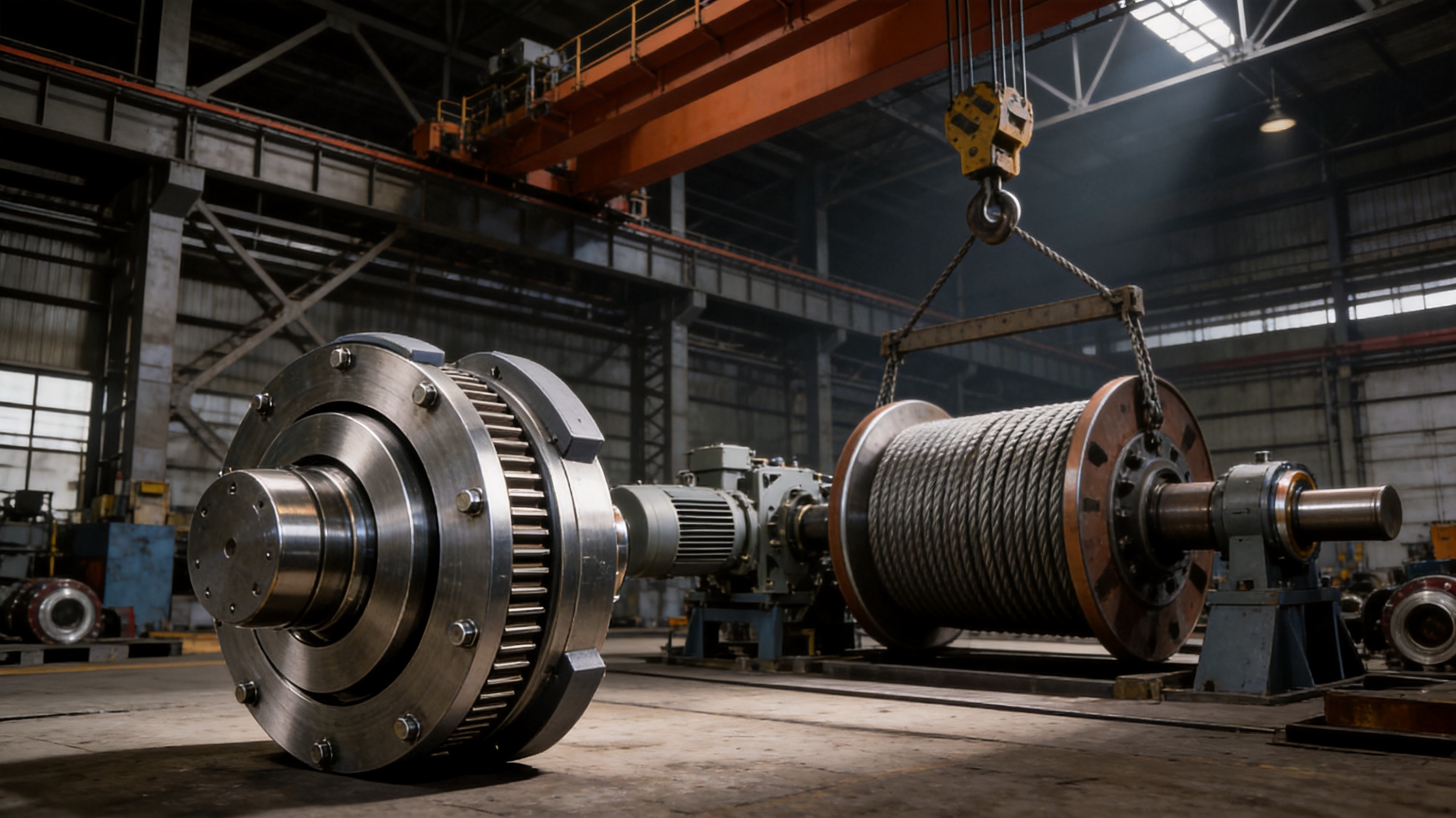
The primary application for the WZL type drum coupling is hoisting equipment. It can be used in systems where a drive train must transmit torque to a hoisting drum while tolerating angular displacement and repeated load cycles. Its construction is well suited to cranes and lifting mechanisms that require reliable start-stop performance and stable torque transmission.
Metallurgical Equipment
Metallurgical machinery often operates under high temperatures, heavy loads, dust, vibration, and repeated cycles. Couplings used in this sector must be robust and maintainable. The WZL design may be considered for suitable drive arrangements where the required torque, speed, temperature, and environmental conditions fall within the product’s application range.
Mining Machinery
Mining equipment is exposed to shock loading, contamination, and demanding duty cycles. A coupling that can handle angular movement and support high-load transmission may provide value in mining conveyors, lifting systems, and related machinery. Application engineering is important because mining equipment may require special sealing, material, lubrication, or corrosion considerations.
Construction Equipment
Construction machinery often experiences variable loads and changing operating conditions. Heavy-duty couplings can support power transmission in lifting and material-handling systems where space is limited and maintenance access must be considered during equipment design.
Transportation and Industrial Machinery
Transportation systems and other industrial machines may use couplings to connect motors, gearboxes, drums, or auxiliary shafts. The WZL type design can be evaluated for applications requiring a combination of torque capacity, angular compensation, and compact transmission construction.
Installation Considerations
Proper installation is necessary to obtain the expected performance from any coupling. Before installation, the coupling and connected equipment should be inspected for transport damage, contamination, burrs, incorrect dimensions, or missing components. Shaft ends should be clean and free from damage that could interfere with assembly.
The installer should confirm that the coupling matches the equipment drawing and technical order. Shaft diameter, key arrangement, connection dimensions, rotation direction, and available installation space should be checked. The permitted angular displacement should also be understood so that the coupling is not installed in a condition that exceeds its designed compensation range.
Although the coupling can compensate for up to 3 degrees of angular displacement, this should not be used as a substitute for basic alignment. Excessive initial misalignment may increase contact pressure, wear, and vibration. The drive motor, gearbox, drum, and bearing supports should be positioned as accurately as practical.
Fasteners, retaining components, and keys should be installed according to the applicable technical instructions. Incorrect tightening, missing retention, or improper key installation may compromise the torque path. Lubrication requirements should also be followed carefully. The use of an unsuitable lubricant or insufficient lubricant can affect spline and spherical interface performance.
After installation, the system should be rotated or operated under controlled conditions where possible. Maintenance personnel should listen for unusual noise, observe vibration, and check for abnormal heat or movement. A gradual commissioning process allows potential installation issues to be corrected before full-load operation.
Maintenance and Inspection Practices
Maintenance should be based on the operating environment, duty cycle, load severity, manufacturer guidance, and the condition of the coupling. Hoisting equipment that operates continuously, reverses frequently, or handles high-impact loads may require more frequent inspection than equipment with moderate duty.
Visual inspection should look for cracks, deformation, loose retaining components, abnormal wear, damaged covers, lubricant leakage, corrosion, and contamination. Any visible damage should be investigated before the equipment returns to service. The coupling should not be operated if a structural component is suspected to be damaged.
Maintenance personnel should also monitor noise and vibration. Changes in sound or vibration can indicate spline wear, inadequate lubrication, misalignment, looseness, bearing problems, or other issues in the connected machine. These symptoms should be evaluated rather than ignored because a coupling problem may be related to a larger drivetrain condition.
The built-in life indicator provides an additional source of operational information. Maintenance teams can use this feature together with inspection records, operating hours, load history, and vibration observations. A life indicator does not replace physical inspection, but it can improve the timing of service and help identify components that require closer attention.
Lubrication should be performed with the correct lubricant and at the recommended intervals. The amount should be controlled because both insufficient and excessive lubrication can create problems. Lubricant condition may also provide useful information. Metal particles, discoloration, or contamination can indicate abnormal wear or environmental ingress.
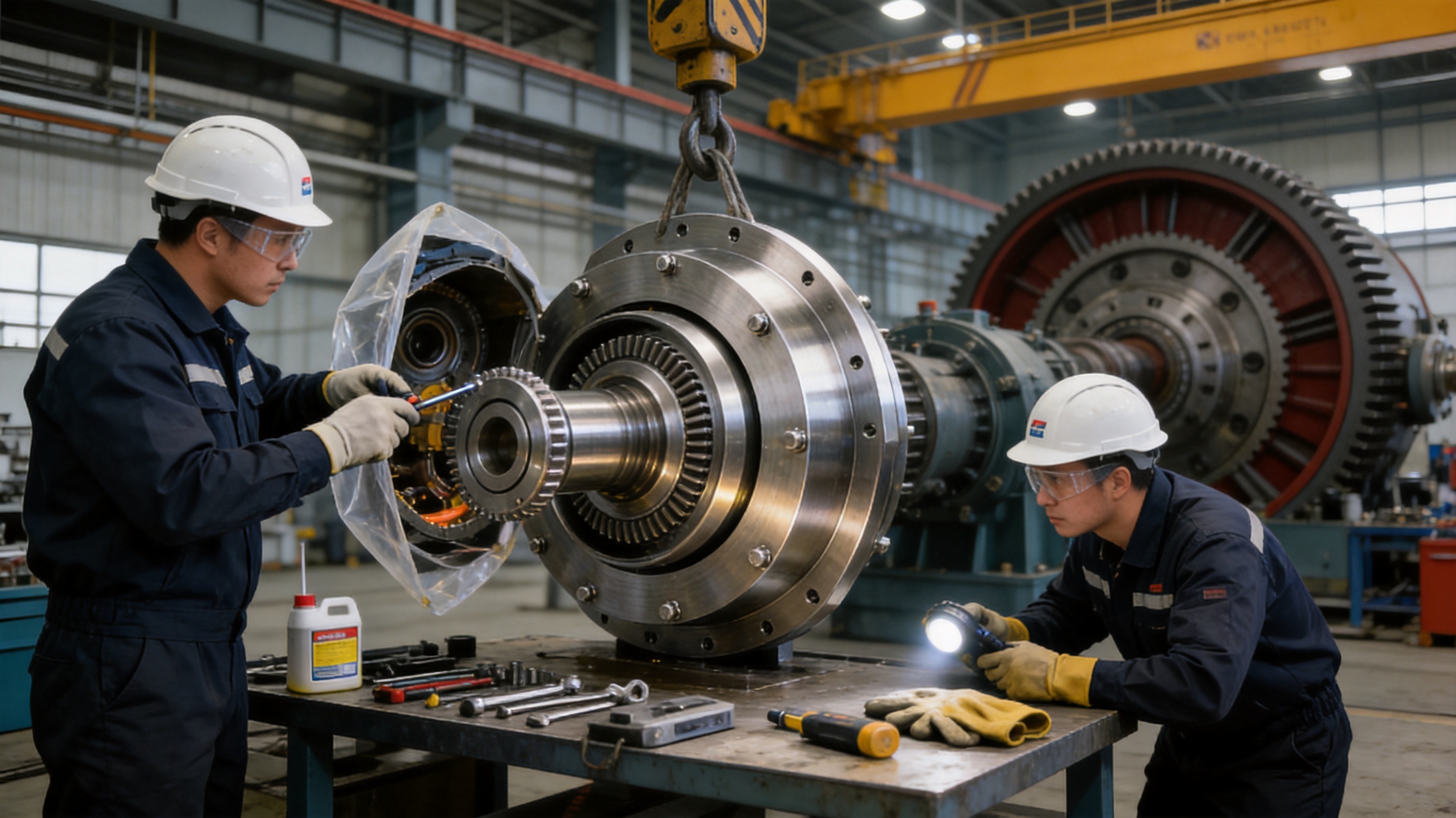
During planned shutdowns, the coupling may be removed or opened for more detailed examination. Spline teeth, spherical surfaces, key areas, retaining covers, and adjacent shaft components should be checked. If wear is uneven, the underlying cause should be identified before replacement parts are installed. Replacing a worn coupling without correcting misalignment or overload may lead to repeated failure.
Selection Guidelines for Engineers and Purchasing Teams
Choosing the correct WZL type drum coupling requires more than matching a shaft diameter. Engineers should collect complete operating data before requesting a quotation or confirming an order. The following information is normally useful:
Required transmitted power and nominal torque should be provided, along with the maximum or peak torque expected during starting, stopping, braking, or emergency events. Rotational speed and the number of operating cycles should also be specified because they influence fatigue and wear considerations.
Shaft diameters, shaft lengths, keyway dimensions, connection details, and available axial and radial space should be measured accurately. The installation environment should be described, including temperature, dust, moisture, corrosive substances, outdoor exposure, and access restrictions.
The expected angular displacement should be identified. If the machine has known structural movement or shaft deflection, this should be included in the technical review. The coupling can compensate for angular displacement up to 3 degrees, but the actual operating condition should remain within the applicable design limits.
Duty classification is also important. A coupling used in a light-duty lifting mechanism may experience very different loads from one installed on a large crane operating continuously in a steel plant. The number of starts per hour, average lifted load, peak lifted load, braking method, and reversing frequency can all affect the selection.
Purchasing teams should also consider documentation, inspection requirements, delivery arrangements, spare parts, and after-sales service. A coupling is part of a larger industrial system, so reliable supply and technical support can be as important as the initial purchase price.
| Selection Item | Information to Provide | Why It Matters |
|---|---|---|
| Torque | Nominal, starting, braking, and peak torque | Determines the required load-carrying capability and service factor. |
| Speed | Normal and maximum rotational speed | Influences balance, vibration, wear, and operating suitability. |
| Shaft details | Diameter, length, keyway, and connection arrangement | Ensures physical compatibility with the driven and driving equipment. |
| Misalignment | Expected angular displacement and structural movement | Confirms whether the coupling compensation range is adequate. |
| Duty cycle | Starts per hour, load pattern, reversing frequency, and operating hours | Supports fatigue, wear, and service-life evaluation. |
| Environment | Temperature, dust, moisture, chemicals, and outdoor exposure | Helps determine protection, material, lubrication, and maintenance needs. |
| Maintenance conditions | Inspection access, shutdown schedule, and service resources | Supports practical installation and long-term maintenance planning. |
Customization and Technical Support
Industrial equipment is rarely identical from one site to another. Shaft arrangements, drum dimensions, motor and gearbox layouts, space limitations, and environmental conditions may differ. For this reason, coupling suppliers should be able to provide technical communication before production.
Zhenjiang Orienthold Machinery Co., Ltd. provides customization support for customers with special requirements. A customized coupling may involve adaptation of connection dimensions, shaft interfaces, installation features, materials, protective arrangements, or other product details. The exact scope depends on the application and must be confirmed through engineering review.
Good technical support begins with accurate information from the customer. Drawings, photographs, equipment data, load conditions, and failure history can help engineers understand the application. If the coupling is replacing an existing product, information about the original coupling’s dimensions and operating performance can also be valuable.
After production, service support may include installation guidance, maintenance recommendations, troubleshooting assistance, logistics coordination, and spare-part communication. A one-stop service approach can simplify procurement and reduce delays when the coupling is needed for an important production line or crane system.
The company also offers flexible logistics and payment options for international customers. These services are useful when customers require coordinated delivery for new machinery projects, replacement programs, or planned maintenance shutdowns.
Why a Reliable Coupling Can Reduce Total Operating Cost
The purchase price of a coupling is only one part of its total cost. Maintenance labor, downtime, replacement parts, damage to connected equipment, production interruption, and safety risks may have a greater financial impact than the original component cost.
A coupling designed for the actual operating conditions can help control these wider costs. Angular compensation may reduce stress on bearings and shafts. Stable spline engagement may reduce impact and backlash. Retaining covers may protect critical interfaces. A life indicator may support better maintenance scheduling. Together, these characteristics can contribute to more predictable equipment operation.
Long service life is especially important in cranes, mining equipment, metallurgical machinery, and other systems where access may be difficult or downtime may interrupt a major production process. A robust coupling does not eliminate all maintenance, but it can help make maintenance more planned and less reactive.
Cost savings should always be evaluated alongside technical suitability. Selecting an undersized coupling to reduce initial cost may increase the risk of premature failure. Conversely, selecting a properly engineered coupling with appropriate capacity and maintenance support can provide better value over the complete service period.
Safety and Reliability in Hoisting Applications
Hoisting equipment carries significant safety responsibilities. A coupling failure can affect machine movement, load control, and surrounding equipment. The coupling should therefore be selected, installed, and maintained as a safety-critical drivetrain component.
The WZL type coupling contributes to mechanical reliability through its positive torque transmission structure, spherical articulation, retaining covers, and life indicator. These features are valuable, but they must be supported by correct system design. Brakes, gearboxes, shafts, bearings, drums, ropes, controls, and structural members must all be properly rated and maintained.
Operators and maintenance personnel should follow the applicable safety procedures for the crane or hoisting system. Load limits should not be exceeded, and abnormal noise, vibration, movement, or visible damage should be reported immediately. Coupling inspection should be included in the equipment’s documented maintenance plan.
When a coupling is replaced, the reason for replacement should be recorded. If the failure resulted from overload, severe misalignment, lubrication loss, corrosion, or another abnormal condition, the cause should be corrected before a new coupling is commissioned. This approach helps prevent repeated incidents and supports continuous improvement.
Frequently Asked Questions
What is a WZL type drum coupling used for?
The WZL type drum coupling is used to transmit torque in hoisting and other heavy-duty industrial power transmission systems. It is particularly suitable for applications connecting drive equipment to a hoisting drum or related shaft arrangement where angular displacement and repeated load cycles may occur.
How much angular displacement can it compensate for?
The coupling can compensate for angular displacement of up to 3 degrees, provided that the actual application remains within the applicable technical and operating limits. This compensation helps accommodate expected shaft movement and structural deflection but does not replace proper alignment during installation.
How does the coupling transmit torque?
Torque is transmitted through a combination of an internally controlled splined sleeve and a specially engineered transmission key. The spline provides multiple engaging surfaces, while the key supports a positive mechanical connection between the relevant coupling components.
What is the purpose of the spherical joint?
The spherical joint formed by the inner spherical connection flange and outer spherical half-coupling sleeve allows controlled angular movement. It helps the coupling maintain torque transmission while reducing the stress that could result from forcing slightly misaligned shafts to operate as a rigid assembly.
Does the coupling eliminate the need for shaft alignment?
No. The coupling is designed to accommodate expected angular displacement, not severe installation errors. Accurate alignment remains important for reducing wear, vibration, and unnecessary loads on the coupling and connected equipment.
What is the function of the life indicator?
The built-in life indicator provides operational feedback that can assist with preventive maintenance. It can be considered together with inspection findings, operating hours, load history, vibration, noise, and lubrication condition when deciding whether service is required.
What industries can use this coupling?
The primary application is hoisting and crane machinery. Depending on the technical requirements, it may also be considered for transportation, metallurgy, mining, construction, chemical engineering, and other industrial equipment requiring heavy-duty torque transmission.
Can the coupling be customized?
Customization support is available for customers with special requirements. Possible adaptations depend on the application and may involve connection dimensions, shaft interfaces, installation space, protective features, materials, or other engineering details. Complete technical data should be provided for evaluation.
What information is required for product selection?
Important information includes transmitted torque, peak torque, rotational speed, shaft dimensions, keyway details, expected angular displacement, radial loads, duty cycle, operating environment, installation space, and maintenance conditions.
How should the coupling be maintained?
Maintenance should include visual inspection, checking for wear and looseness, monitoring noise and vibration, verifying retaining components, maintaining suitable lubrication, and using the life indicator as part of a broader condition-monitoring process. The exact interval should reflect the equipment duty and operating environment.
Why is a splined sleeve useful in a hoisting coupling?
A splined sleeve distributes torque across multiple engaging teeth and can support substantial torsional and radial loads. Its controlled internal structure also helps minimize backlash when the coupling is correctly manufactured, installed, lubricated, and maintained.
What makes this coupling different from a simple rigid flange?
A rigid flange does not normally provide the same controlled angular compensation. The WZL type coupling combines a spherical joint with a positive splined transmission path, allowing it to accommodate angular displacement while continuing to transfer torque in demanding machinery.
Conclusion
The WZL type drum coupling is engineered for heavy-duty hoisting and industrial power transmission applications where torque capacity, angular compensation, load stability, and maintenance visibility are all important. Its inner spherical connection flange and outer spherical half-coupling sleeve form a controlled ball joint interface capable of compensating for angular displacement of up to 3 degrees.
The transmission key and internally controlled splined sleeve provide a secure route for torque transfer while helping minimize backlash. Inner and outer retaining covers support the stability and protection of the assembly. The built-in life indicator adds practical value by helping maintenance teams monitor operating condition and plan service more effectively.
Compared with less specialized coupling arrangements, the WZL design offers a combination of articulated movement, positive torque transmission, radial-load capability, and heavy-duty construction suited to cranes and other demanding machines. Its performance is supported by the manufacturing strengths of Zhenjiang Orienthold Machinery Co., Ltd., including integrated design and production, quality supervision, inspection and testing capabilities, industrial application experience, customization support, and after-sales service.
For engineers, equipment manufacturers, and maintenance teams, successful application begins with correct selection. Torque, speed, shaft dimensions, angular displacement, duty cycle, environment, and maintenance requirements should all be reviewed before ordering. With appropriate engineering, installation, lubrication, inspection, and load control, the WZL type drum coupling can provide stable operation, reduced secondary equipment stress, improved maintenance planning, and dependable service in challenging industrial environments.
References
1. Industrial Coupling Engineering Principles, technical reference material for shaft alignment, torque transmission, flexible coupling selection, and maintenance planning.
2. Heavy-Duty Hoisting Machinery Maintenance Practices, reference guidance for crane drivetrain inspection, load control, lubrication, and preventive maintenance.
3. Mechanical Power Transmission Components, engineering reference for splined connections, keyed joints, radial loading, backlash, and service factors.
4. Industrial Equipment Quality Management Procedures, reference material concerning design control, production inspection, testing, traceability, and continuous improvement.
5. Product information supplied for the WZL Type Drum Coupling for Hoisting, including construction, angular compensation, life indication, application scope, and manufacturing capabilities.
Product: WZL Type Drum Coupling (for Hoisting)
PREV: GICL Drum-Type Gear Coupling for Heavy-Duty Power TransmissionNEXT: SWC-DH Short Telescopic Welded Universal Coupling for Space-Constrained Heavy-Duty Drives
Be the First to Know
For exclusive deals and latest offers, sign up by entering your email address below.
News
-
-
A mill drive rarely fails without warning. It knocks at speed, throws a smear of dark grease around the sleeve flange, ...
READ MORE -
China's coupling industry is at a critical historical juncture of transformation from scale expansion to quality and eff...
READ MORE -
Gear Coupling vs. Drum Gear Coupling: The Core Difference The main difference is that "gear coupling" is a broad catego...
READ MORE -
Industrial Couplings: The Definitive Technical Encyclopedia – Classification, Sizing, Failure Prevention, and Lifecycle...
READ MORE -
Your compressor train is running at 9,800 rpm when the vibration monitor triggers an alarm. The first component your ma...
READ MORE


ABOUT US
PRODUCTS
INDUSTRIES
CONTACT US
- Phone: +86-18652865511
- Email: sales@ohmach.com
- Address: No.1, Minying Developing Zone, Zhenjiang, Jiangsu, China
Copyright Zhenjiang Orienthold Machinery Co., Ltd. All Rights Reserved.
 Custom Industrial Shaft Coupling Manufacturers