 English
 русский
 Português
 عربى
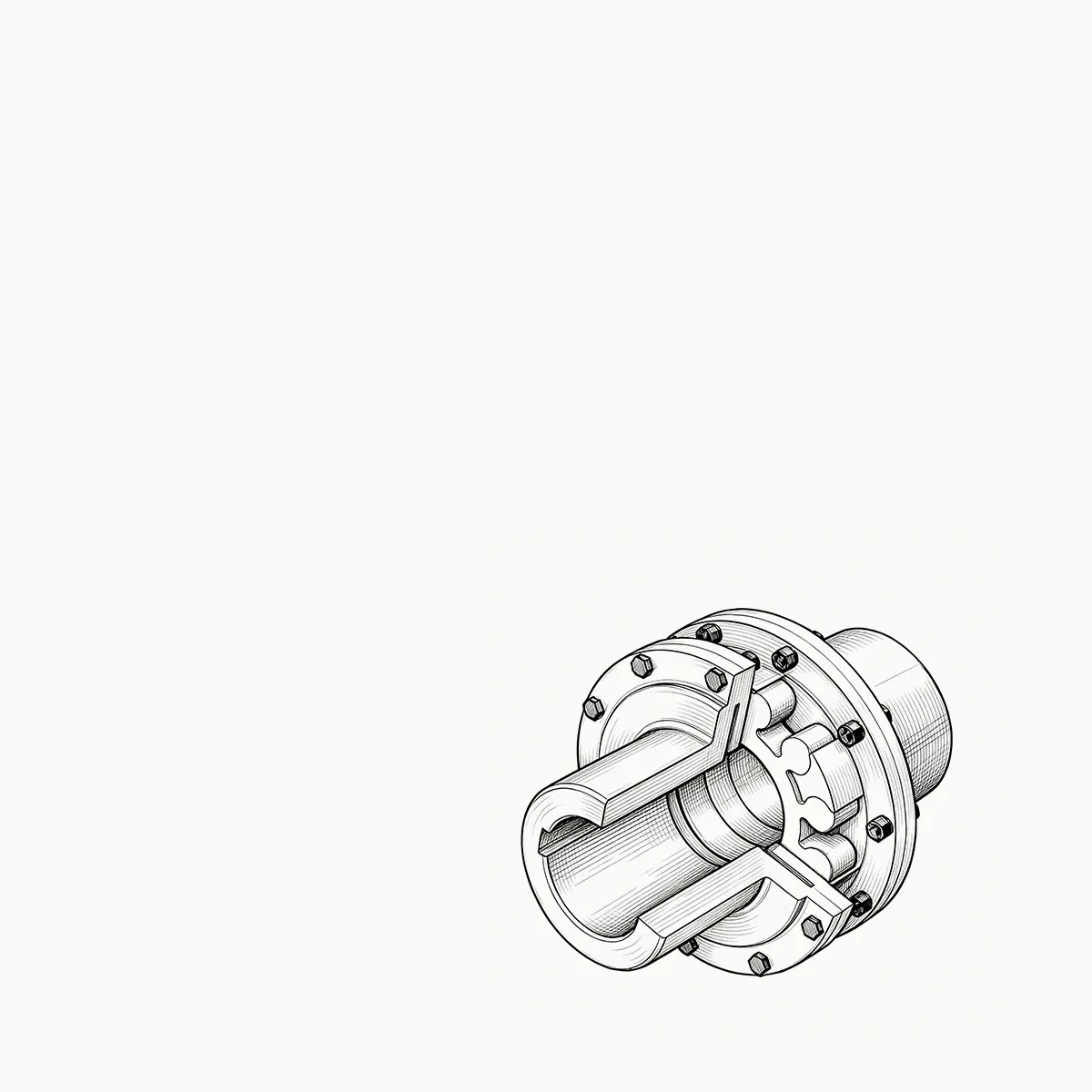
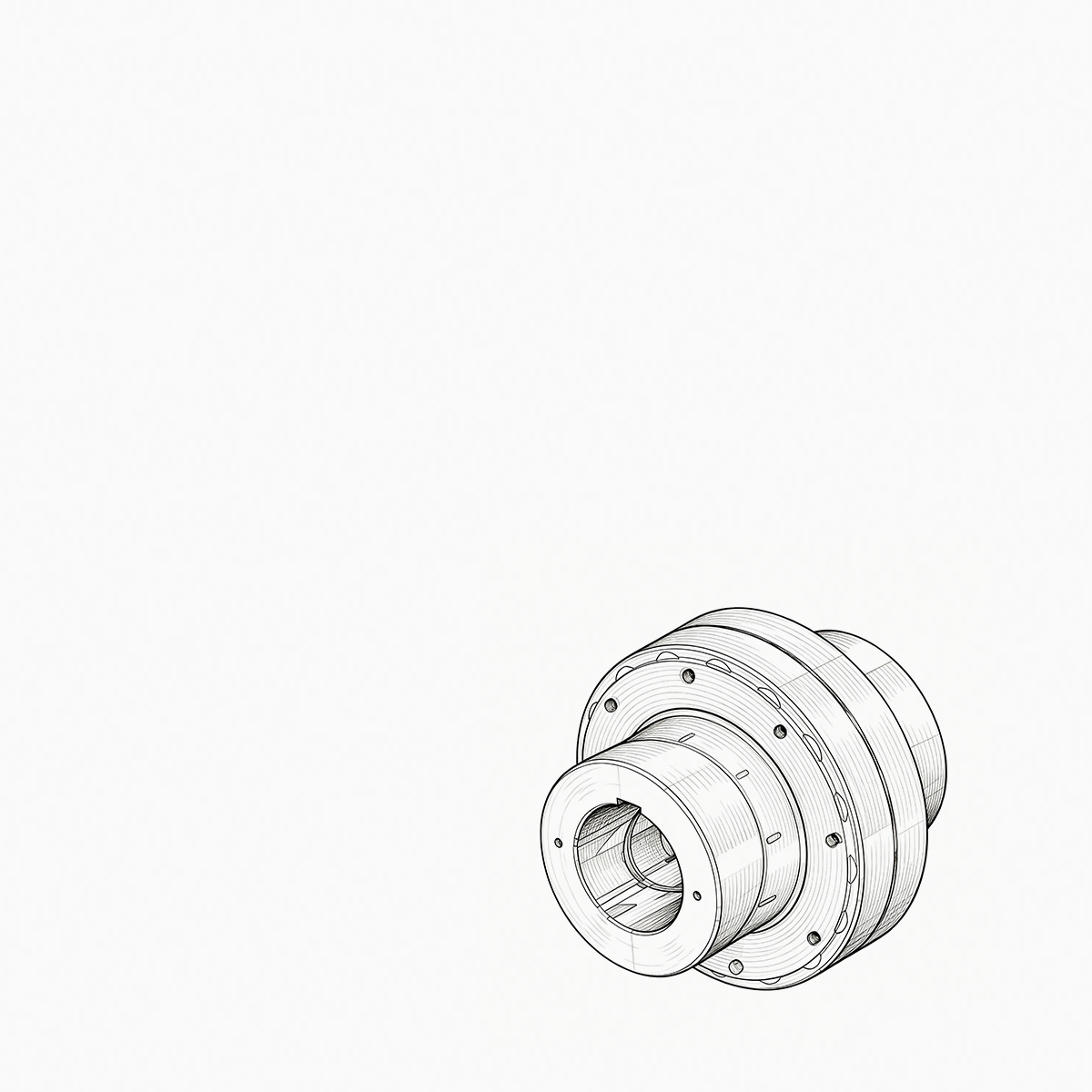
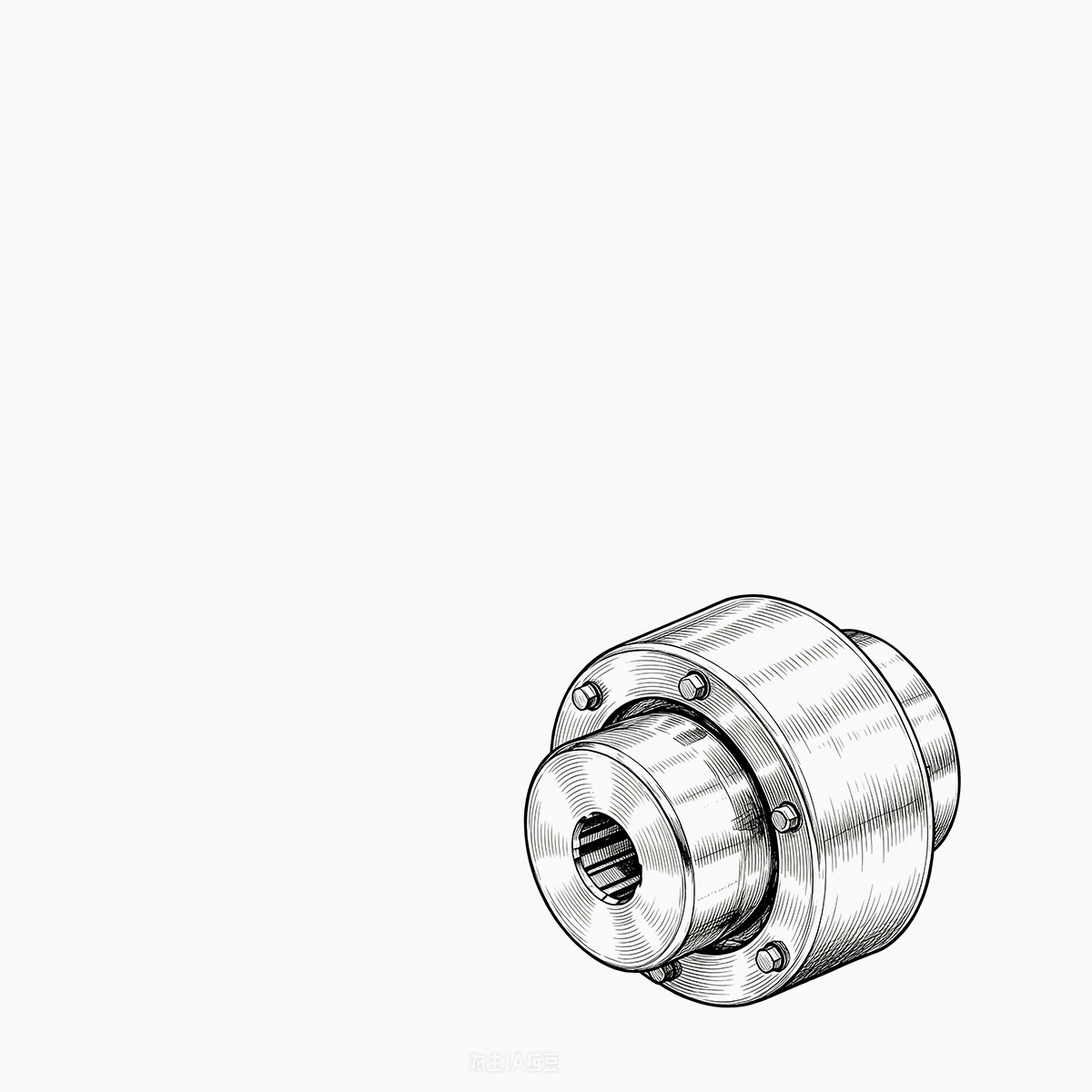
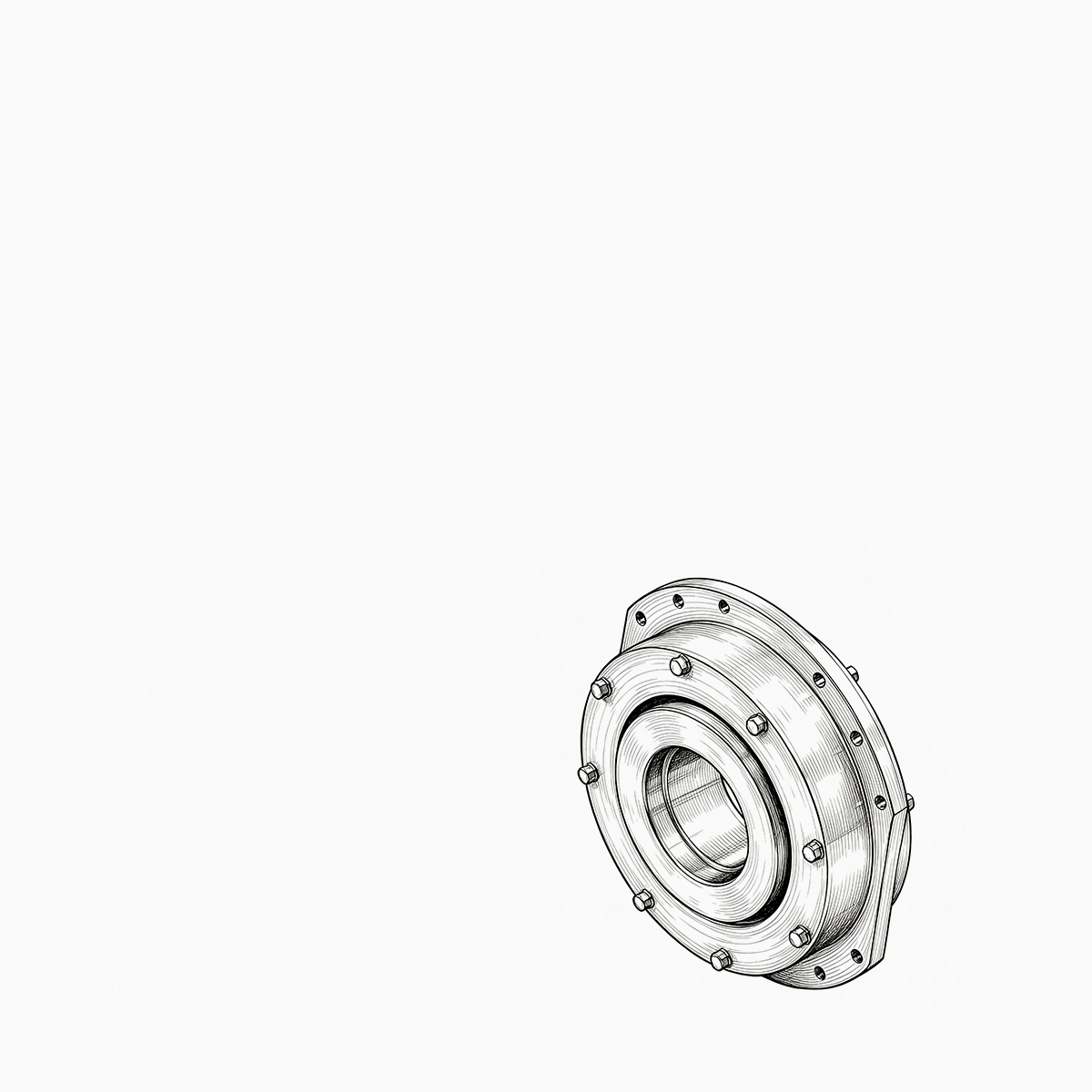
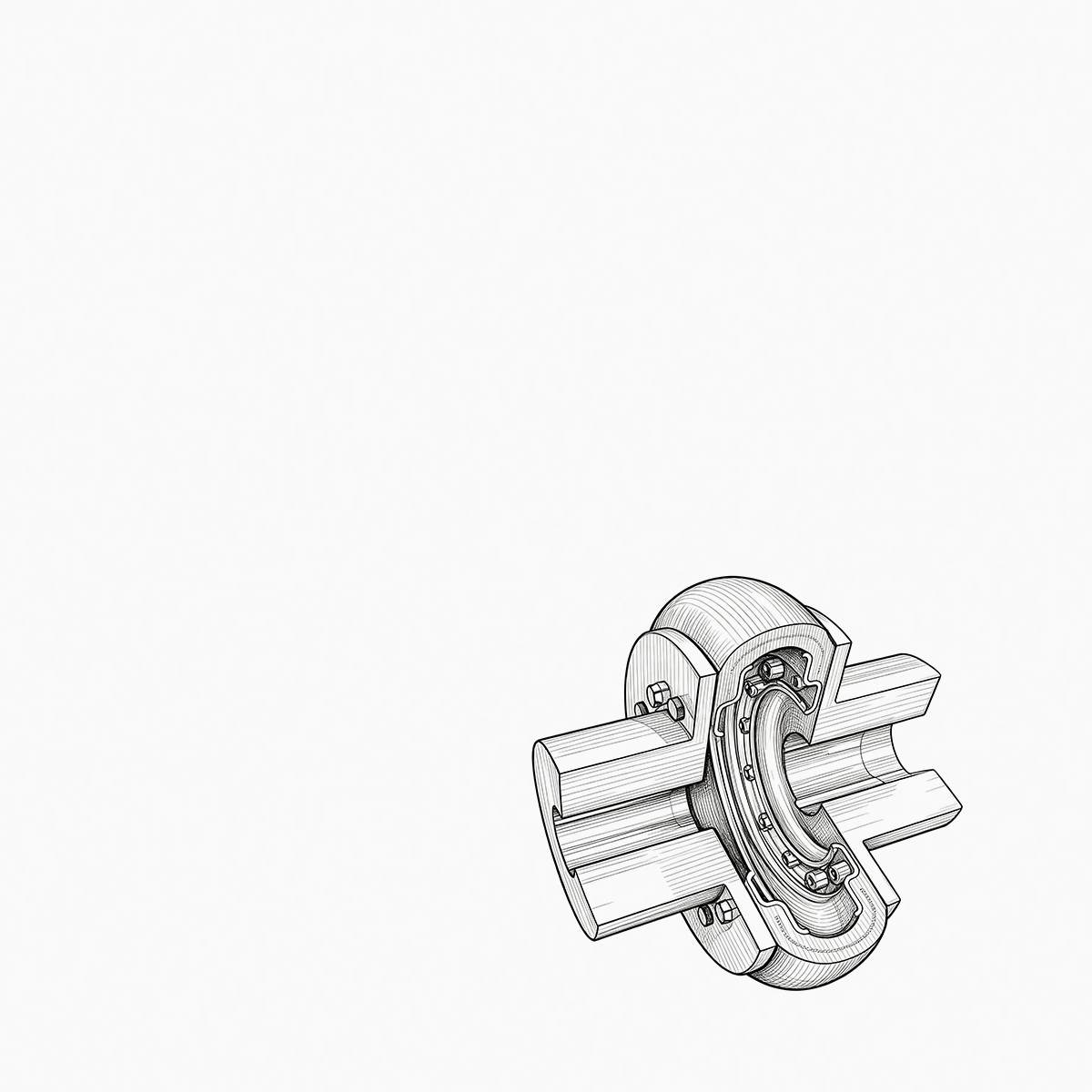

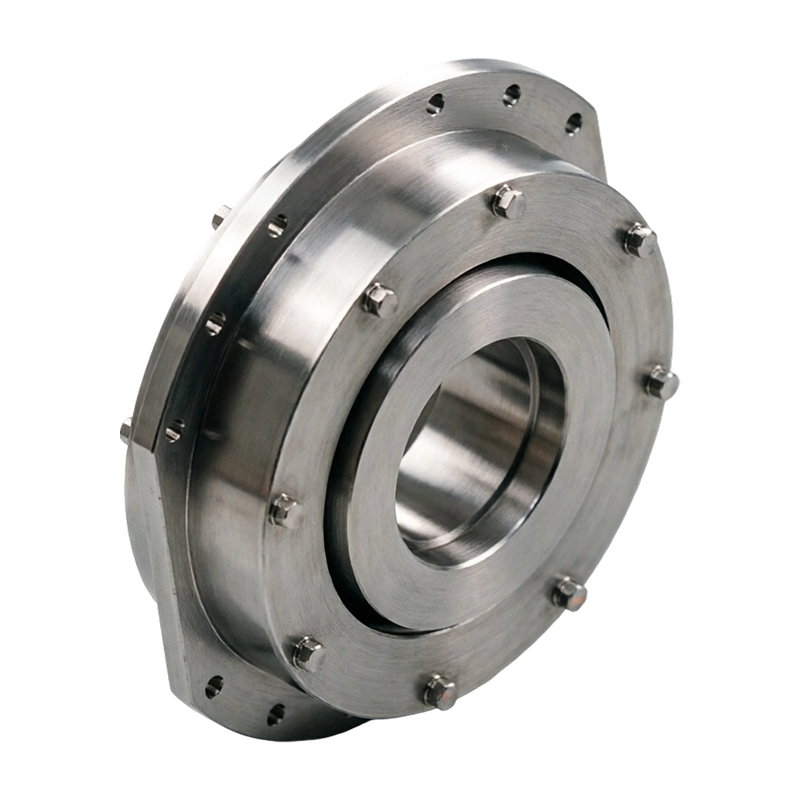
Industrial Couplings: The Definitive Technical Encyclopedia – Classification, Sizing, Failure Prevention, and Lifecycle...
READ MORE
Industrial Couplings: Precision Power Transmission for Demanding Applications
Admin 2026-10-09Content
- 1 Why Coupling Selection Matters in Industrial Machinery
- 2 Complete Product Portfolio for Diverse Applications
- 3 Advantages Over Basic or Poorly Matched Couplings
- 4 Advanced Manufacturing Process
- 5 Manufacturing Strengths and Service Capabilities
- 6 Coupling Selection Guide
- 7 Installation and Maintenance Recommendations
- 8 Applications Across Major Industries
- 9 Cost Efficiency and Total Ownership Value
- 10 Quality Assurance and International Supply
- 11 Frequently Asked Questions
- 11.1 What is the primary function of an industrial coupling?
- 11.2 How do I choose between a gear coupling and an elastomeric coupling?
- 11.3 Are flexible couplings a replacement for shaft alignment?
- 11.4 Which coupling is suitable for crane machinery?
- 11.5 What information should be provided when requesting a customized coupling?
- 11.6 Do all couplings require lubrication?
- 11.7 How can coupling service life be extended?
- 11.8 What makes precision manufacturing important?
- 11.9 Can a coupling be used in a chemically aggressive environment?
- 11.10 Why work with a manufacturer that offers several coupling categories?
- 12 Conclusion
- 13 References
- 14 Product: 测试文章,记得删除
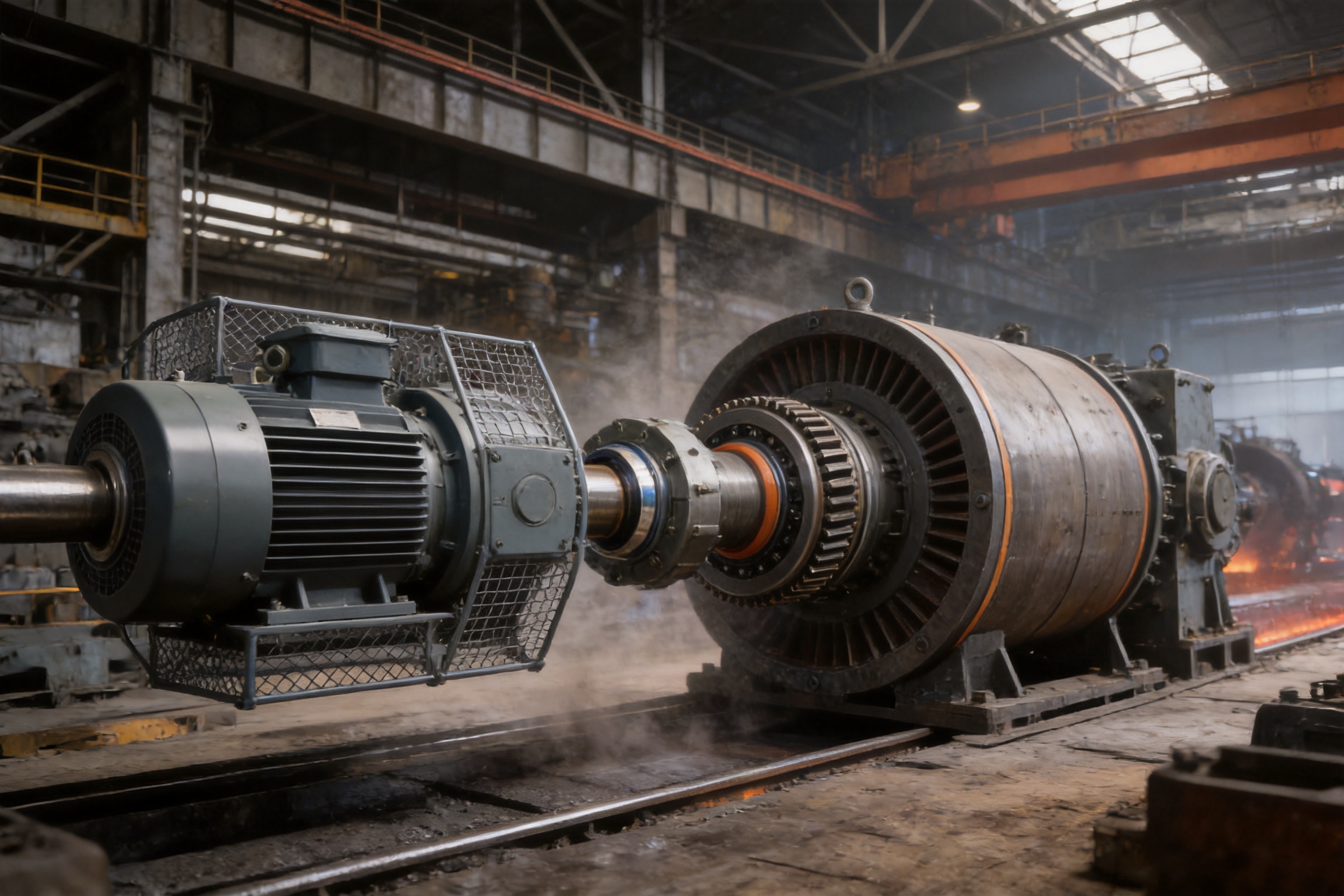
Industrial couplings are essential mechanical components for transmitting torque between connected shafts while accommodating misalignment, reducing vibration, and protecting expensive equipment. In transportation, metallurgy, chemical processing, mining, construction, papermaking, and hoisting systems, the coupling is often exposed to shock loads, variable speeds, dust, moisture, temperature changes, and continuous operating cycles. Choosing the correct coupling therefore has a direct effect on equipment availability, maintenance cost, energy efficiency, and operational safety.
A reliable coupling must do more than connect two shafts. It must match the torque, speed, bore dimensions, installation conditions, alignment tolerance, environment, and service requirements of the complete drive system. A coupling that is too rigid may transfer harmful loads to bearings and gearboxes. A coupling that is too flexible may produce excessive deformation, heat, or wear. The most effective solution is a precisely engineered coupling designed around the actual operating conditions.
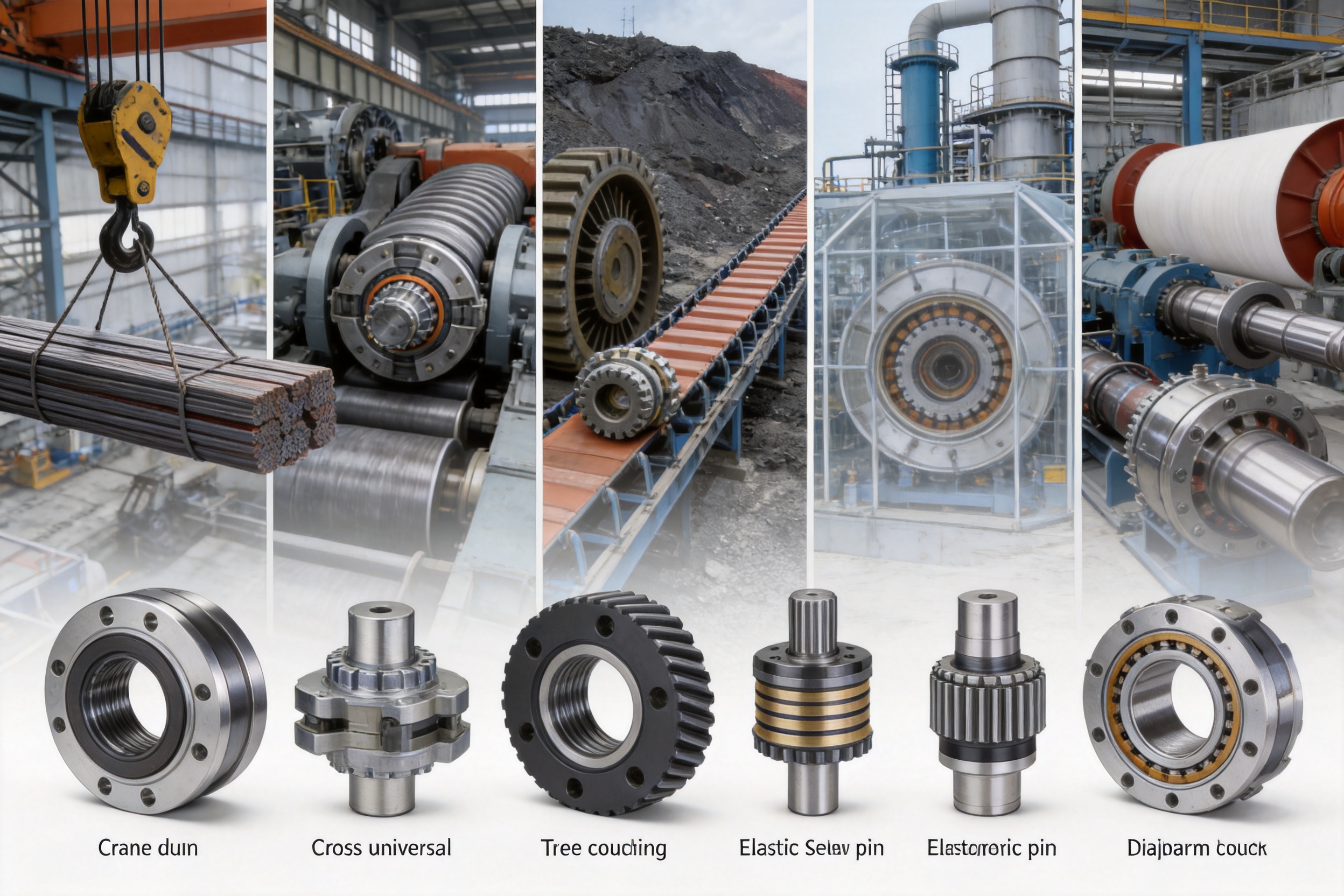
The industrial coupling range supplied by Zhenjiang Orienthold Machinery Co., Ltd. includes drum gear couplings, diaphragm couplings, elastic sleeve pin couplings, cross universal couplings, plum elastic couplings, elastomeric pin couplings, elastomeric pin gear couplings, crane drum couplings, and tire couplings. This broad portfolio allows users to select a suitable product for high torque transmission, angular compensation, shock absorption, axial movement, or specialized crane and heavy-duty machinery applications.
Through integrated design, production, inspection, and service capabilities, the company supports both standard and customized coupling requirements. Its products are intended for customers that need stable performance, accurate manufacturing, dependable delivery, and technical support throughout the product life cycle.

测试文章,记得删除
Why Coupling Selection Matters in Industrial Machinery
Power transmission systems rarely operate under perfectly aligned conditions. Even when shafts are aligned during installation, thermal expansion, foundation movement, manufacturing tolerances, bearing clearance, and external loads can create angular, parallel, or axial misalignment. A coupling must compensate for these changes without producing unacceptable reaction forces.
Industrial machines also experience dynamic loads. A conveyor may start with a fully loaded belt. A crane may lift and lower heavy material repeatedly. A rolling mill may encounter sudden resistance. A mining machine may operate in a dusty environment with frequent impacts. These conditions generate torque fluctuations that can damage shafts, gears, bearings, and motors if they are not controlled.
The coupling acts as a mechanical interface between connected components. Depending on its design, it can provide several important functions:
• Transmitting torque from the driving shaft to the driven shaft.
• Compensating for shaft misalignment.
• Absorbing vibration and shock loads.
• Reducing noise and torsional impact.
• Protecting connected equipment during overload or transient conditions.
• Allowing convenient installation, inspection, and maintenance.
• Supporting axial movement or end float where the machine design requires it.
The correct coupling is selected by evaluating nominal torque, peak torque, operating speed, bore size, shaft extension, service factor, misalignment, environmental conditions, installation space, and maintenance expectations. A professional manufacturer must understand these factors before recommending a coupling design.
Complete Product Portfolio for Diverse Applications
A single coupling type cannot provide the best solution for every industrial drive. Rigid applications may require high torsional stiffness, while shock-sensitive systems may require flexible elements. High-speed equipment may require carefully balanced components, whereas crane machinery may prioritize high torque capacity and resistance to repeated impact.
Drum Gear Coupling
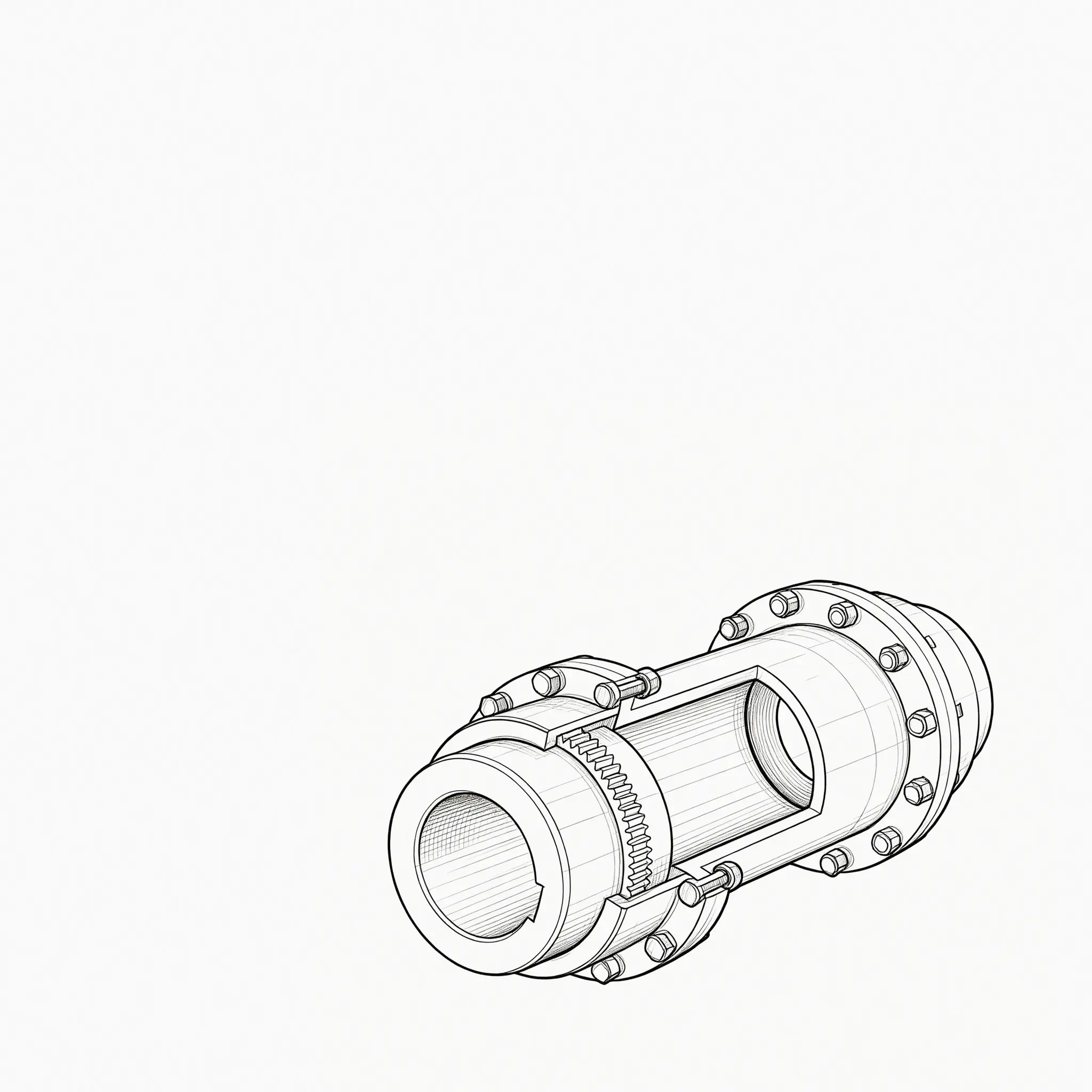
Drum gear couplings are designed for high-torque power transmission and demanding mechanical service. Their crowned gear tooth configuration allows the coupling to accommodate angular misalignment while maintaining a large contact area for torque transfer. Compared with simple straight-tooth arrangements, crowned teeth can reduce edge loading when shafts move relative to one another.
These couplings are suitable for hoisting equipment, conveyors, metallurgy machinery, rolling equipment, crushers, and other applications where compact construction and high load capacity are required. Their robust metal construction provides excellent resistance to mechanical impact and elevated loads. Proper lubrication and sealing are important for maintaining gear tooth performance during extended operation.
For customers operating cranes and heavy machinery, drum gear couplings can provide a practical balance between torque density, service life, and installation space. The design can also be adapted to shaft dimensions and equipment interfaces according to application requirements.
Diaphragm Coupling
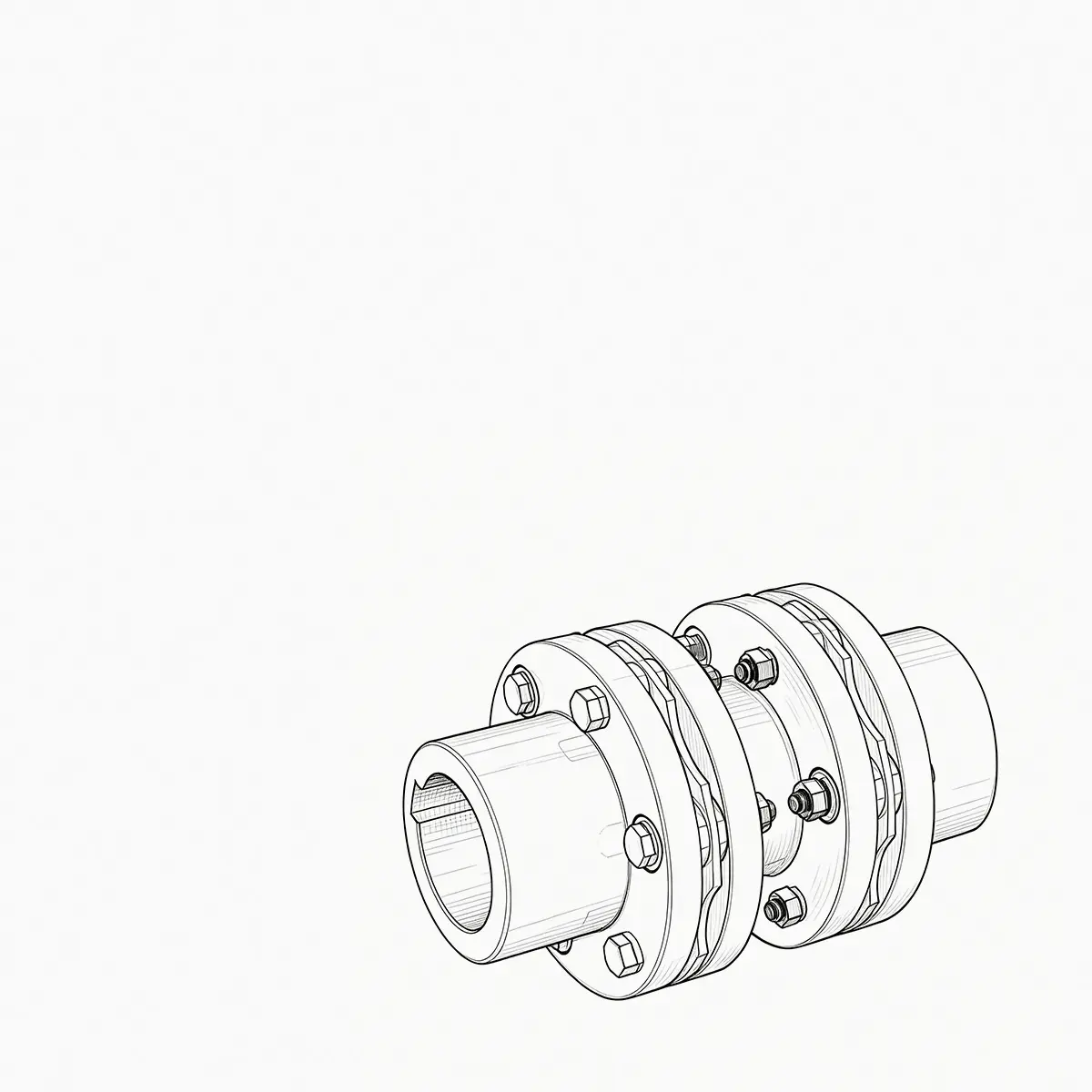
Diaphragm couplings use thin metallic diaphragms to transmit torque while accommodating angular, parallel, and axial movement. Because they do not rely on sliding friction between lubricated gear teeth, they can offer clean operation and reduced maintenance requirements.
Diaphragm couplings are particularly valuable in high-speed machinery, turbines, compressors, pumps, generators, and precision drive systems. Their low backlash and torsionally stiff characteristics help preserve accurate torque transmission. They can also be designed for applications where oil or grease contamination must be minimized.
The diaphragm pack must be engineered with appropriate thickness, material, geometry, and clamping conditions. Accurate manufacturing is essential because small dimensional errors can affect balance, stress distribution, and fatigue life. A well-produced diaphragm coupling provides reliable flexibility without sacrificing torque control.
Elastic Sleeve Pin Coupling
Elastic sleeve pin couplings transmit torque through pins fitted with resilient sleeves or flexible elements. The elastic components help absorb vibration and moderate shock loads while allowing a controlled degree of misalignment.
This coupling type is valued for its relatively simple construction, convenient maintenance, and ability to protect connected machinery from sudden torque variations. It is commonly used in pumps, fans, compressors, conveyors, mixers, and general industrial drives.
The elastic sleeve material must be selected according to speed, temperature, chemical exposure, and expected load. A correctly selected sleeve provides reliable damping and reduces the transfer of harmful vibration into bearings and machine housings.
Cross Universal Coupling
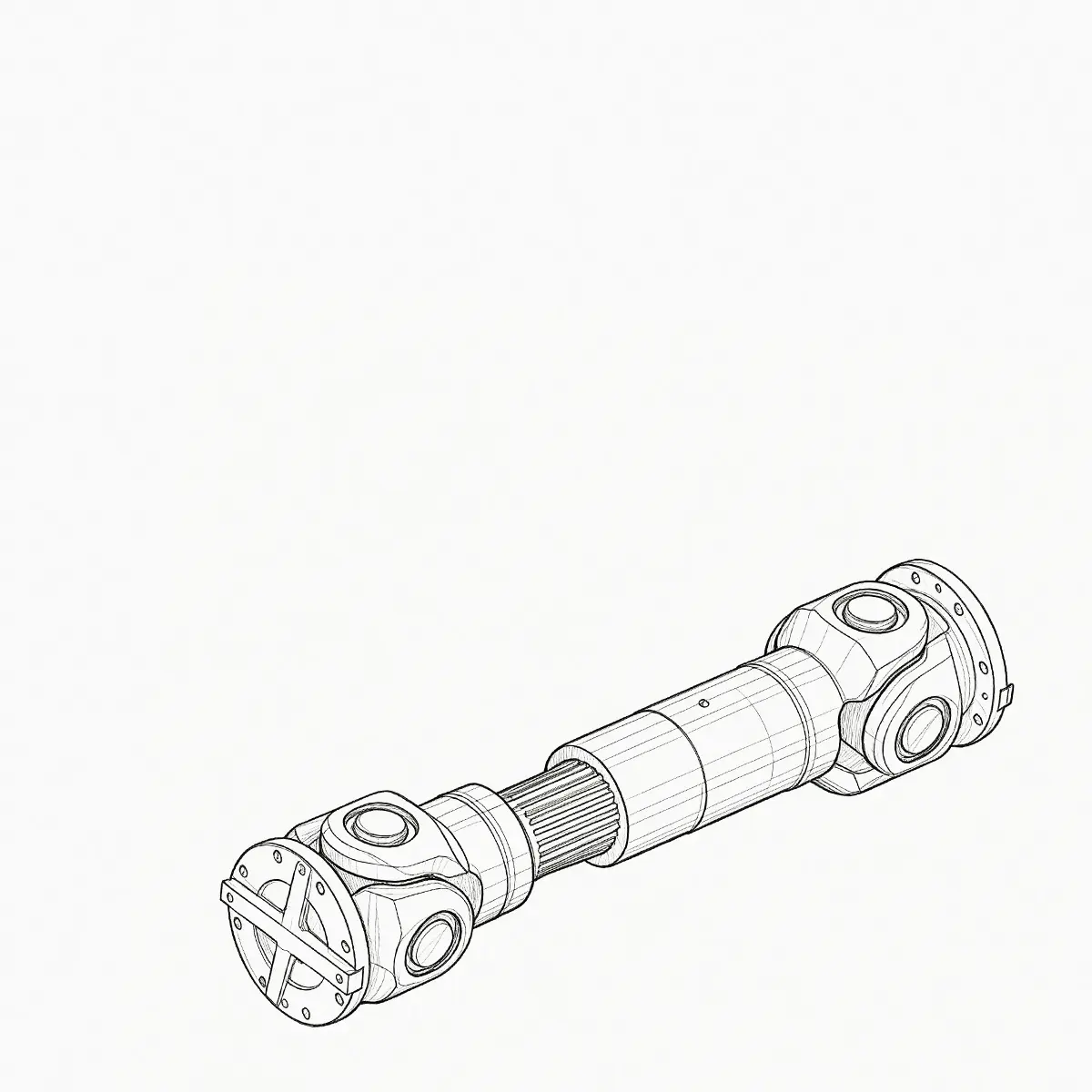
Cross universal couplings are used when shafts operate at an angle or when the distance and orientation between connected shafts require a flexible connection. Their cross-shaped universal joint arrangement allows angular movement and supports power transmission in applications where a conventional coaxial coupling is not suitable.
These couplings may be applied in rolling mills, industrial transmission lines, heavy conveyors, lifting systems, and other equipment involving variable shaft angles. Their performance depends on accurate cross, bearing, yoke, and joint assembly. Correct lubrication and periodic inspection are important for preventing premature wear.
When a machine layout requires a greater operating angle or a movable transmission path, a cross universal coupling can provide greater design flexibility than many standard shaft couplings.
Plum Elastic Coupling
Plum elastic couplings, also called jaw-type couplings in some markets, use an elastomeric spider positioned between two metallic hubs. The spider transmits torque while absorbing vibration and accommodating limited shaft misalignment.
The coupling is compact, lightweight, and easy to install. Its non-lubricated design can simplify maintenance, and the elastomeric element is often replaceable without removing the connected machinery. These characteristics make the product useful for motors, pumps, gearboxes, servo systems, conveyors, and general automation equipment.
Different elastomer hardness levels can provide different balances between torsional stiffness, damping, and misalignment capacity. Selection should consider the required torque, speed, temperature, chemical conditions, and desired vibration performance.
Elastomeric Pin Coupling
Elastomeric pin couplings combine metallic hubs with flexible pins and resilient elements. They are designed to absorb shock and vibration while transmitting torque between shafts. The flexible pin arrangement helps reduce the effect of moderate misalignment and protects the drive system from sudden load changes.
These couplings are frequently used in pumps, fans, compressors, machine tools, conveyors, and industrial processing equipment. Their structure is comparatively straightforward, and maintenance can often be performed by inspecting or replacing the elastic components.
Compared with a fully rigid connection, an elastomeric pin coupling reduces the transmission of torsional impacts to the motor and driven machine. This can help extend bearing life and improve the operating smoothness of the entire system.
Elastomeric Pin Gear Coupling
Elastomeric pin gear couplings combine the torque capacity of gear coupling construction with the vibration absorption characteristics of elastomeric pins. This hybrid design is intended for applications that require both high mechanical strength and flexible load transmission.
The gear-related components help provide a compact and capable torque path, while the elastomeric elements reduce shock and damp vibration. This combination can be valuable in heavy industrial drives where a standard flexible pin coupling may not provide sufficient torque capacity, but a fully metallic gear coupling may transmit too much vibration.
Correct material selection, tooth geometry, pin arrangement, and assembly accuracy are critical to achieving reliable service. The coupling should be specified according to continuous torque, peak torque, rotational speed, misalignment, and operating environment.
Crane Drum Coupling
Crane drum couplings are engineered for hoisting and lifting equipment, where repeated starting, stopping, reversing, braking, and shock loading place severe demands on the transmission system. They are designed to connect drive components associated with crane drums and other heavy-duty lifting mechanisms.
In crane applications, coupling reliability directly affects productivity and safety. The coupling must withstand high torque, frequent load cycles, and possible transient overloads. Robust construction, accurate fit, suitable heat treatment, and effective inspection are essential for dependable operation.
A crane drum coupling should be selected in coordination with the motor, gearbox, drum, brake, shaft, and load characteristics. An application-based selection process is more reliable than choosing a coupling based only on nominal shaft diameter.
Tire Coupling
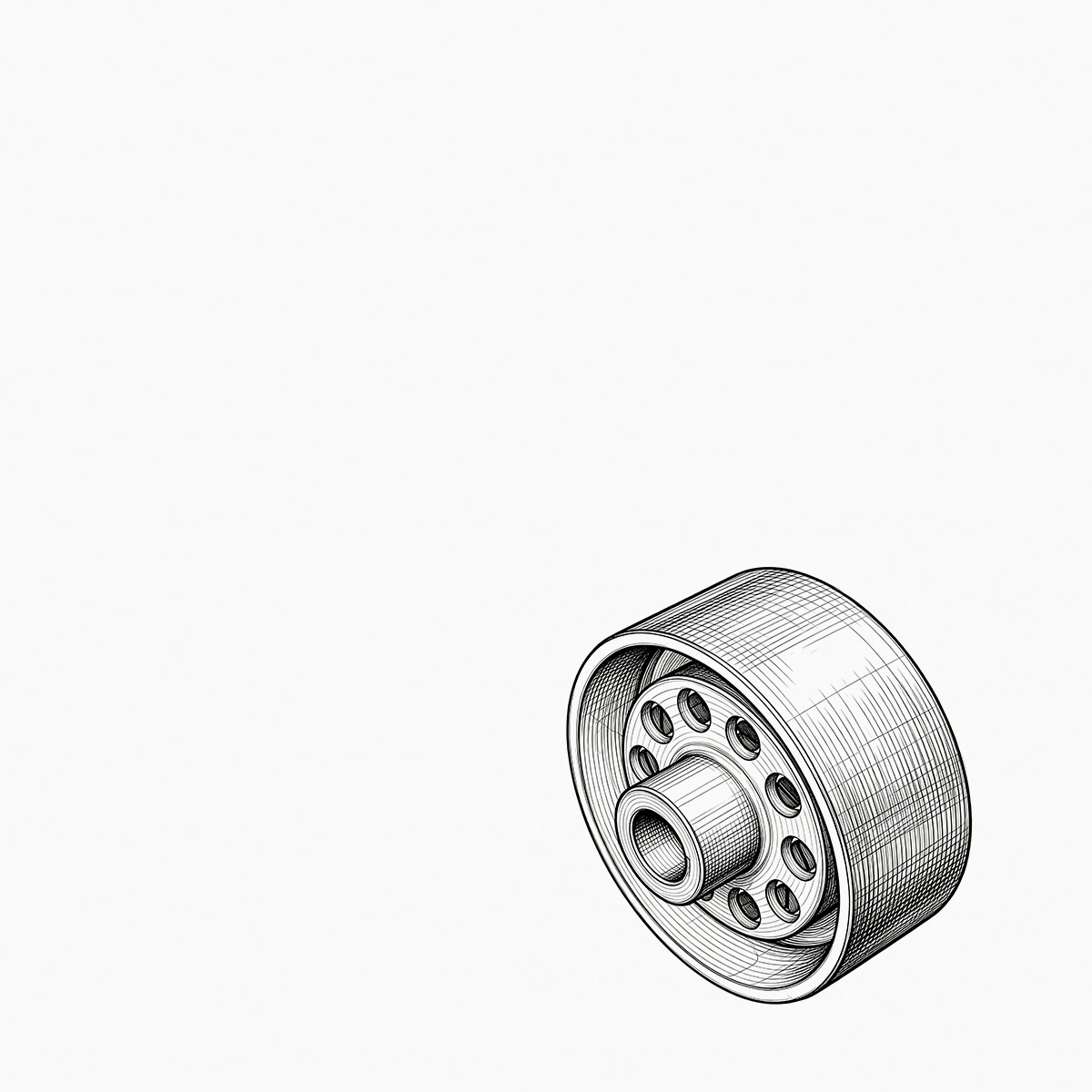
Tire couplings use a flexible tire-shaped elastomeric element to connect two hubs. The large flexible element provides excellent vibration isolation and can accommodate angular, parallel, and axial misalignment within its rated limits.
Because the tire element has a comparatively large deformation capacity, tire couplings are useful for systems exposed to vibration, impact, or alignment changes. They are commonly applied to pumps, fans, compressors, conveyors, generators, and other industrial machines.
A tire coupling can reduce transmitted vibration and help protect connected equipment. Its performance depends on elastomer quality, operating temperature, environmental exposure, and correct tightening of the connection. The tire should be inspected for cracking, hardening, tearing, or excessive deformation during routine maintenance.
Advantages Over Basic or Poorly Matched Couplings
Industrial coupling performance depends not only on the coupling category but also on design quality, materials, manufacturing precision, inspection, and application support. A low-cost coupling may appear attractive at the purchasing stage, but premature wear, frequent replacement, vibration, and unplanned downtime can create a much higher total cost.
Application-Based Engineering
A key advantage of a professional coupling supplier is the ability to evaluate the entire operating condition rather than simply supply a standard component. Torque, speed, load pattern, misalignment, ambient conditions, installation method, and maintenance requirements must be considered together.
This application-based approach helps prevent common selection errors. For example, a coupling designed for steady rotary service may not be appropriate for a crane with frequent reversing cycles. A flexible coupling suitable for a pump may not have enough torsional capacity for a rolling mill. A coupling used in a chemically aggressive environment may require a different elastomer or protective treatment.
By offering multiple coupling technologies, the manufacturer can recommend a solution that matches the actual machine instead of forcing every customer to use one standard design.
Reliable Torque Transmission
Precision-machined hubs, accurate keyways, consistent bolt circles, and properly controlled mating surfaces improve the transfer of torque and reduce localized stress. Gear couplings, diaphragm couplings, pin couplings, and tire couplings each require different dimensional controls, but all benefit from accurate manufacturing.
Reliable torque transmission reduces slippage, fretting, impact loading, and excessive deformation. It also helps the coupling work as part of a balanced system with the motor, gearbox, and driven machine.
Improved Misalignment Compensation
Misalignment is one of the most common causes of coupling failure. Angular misalignment can create uneven contact and bending forces. Parallel misalignment can increase radial loads. Axial movement can create excessive thrust or compress flexible components.
Flexible coupling designs compensate for these movements within defined limits. However, flexibility does not eliminate the need for proper alignment. A high-quality coupling provides a practical operating margin, while correct installation ensures that the coupling is not forced to operate continuously at its maximum compensation capacity.
Vibration and Shock Absorption
Elastomeric sleeves, pins, spiders, and tires can damp vibration and moderate shock loads. This reduces the transmission of torsional fluctuations to motors, bearings, gearboxes, and driven equipment. In applications with frequent starts and stops, this damping function can significantly improve operating smoothness.
Metallic diaphragm and gear couplings provide different performance characteristics. They may offer greater torsional stiffness, high-speed capability, and accurate motion transmission. The advantage is not that one design is universally better than another, but that the manufacturer can match the coupling behavior to the machine requirement.
Longer Service Life
Service life is influenced by material quality, surface treatment, stress concentration, assembly accuracy, lubrication, operating temperature, and load conditions. A coupling produced under a strict quality supervision system is more likely to deliver consistent performance from one unit to the next.
Longer service life lowers replacement frequency and reduces the labor associated with disassembly, alignment, inspection, and commissioning. It also limits secondary damage to shafts, bearings, seals, and gearboxes.
Customization Capability
Industrial equipment often contains non-standard shaft diameters, special bore combinations, restricted installation spaces, unusual flange patterns, or application-specific load requirements. A supplier with design and production capabilities can adapt the coupling to these conditions.
Customization may involve bore dimensions, keyway standards, hub length, flange arrangement, material grade, surface treatment, elastomer specification, balancing level, protective covers, or connection details. Each modification should be verified against torque, speed, stress, and assembly requirements.
Advanced Manufacturing Process
Coupling quality begins with a controlled manufacturing process. Although different coupling types use different production routes, a dependable process normally includes engineering review, material selection, precision machining, heat treatment where necessary, surface finishing, component assembly, testing, and final inspection.
Engineering and Technical Review
The process starts with the collection of application information. Engineers review the required torque, speed, shaft sizes, misalignment, duty cycle, environment, installation conditions, and expected service life. Drawings and technical specifications are then prepared or verified.
Computer-aided design tools can be used to evaluate component geometry, clearance, assembly relationships, and potential stress concentration areas. For customized products, design review is especially important because a small change in hub length or flange thickness can affect the complete load path.
Material Selection
Different coupling components require different material characteristics. Hubs and gear components require strength, toughness, wear resistance, and dimensional stability. Diaphragms require suitable fatigue performance and elastic behavior. Pins and flexible elements require resilience, fatigue resistance, and environmental compatibility.
Material selection should reflect the duty cycle and operating environment. A coupling used in a dusty mining plant may require different protection from one used in a clean indoor production line. A coupling exposed to heat, oil, chemicals, or moisture may require special elastomer or surface treatment.
Precision Machining
Machining quality directly affects coupling alignment and load distribution. Keyways, bores, pilot diameters, flange faces, bolt holes, gear teeth, and mounting surfaces must be produced within appropriate tolerances.
Advanced machining equipment improves repeatability and reduces dimensional variation. Consistent machining is especially important for couplings installed in pairs or used in high-speed applications. Accurate concentricity helps reduce imbalance and minimizes additional loads on connected shafts.
Gear coupling components require careful control of tooth profile, pitch, crowning, surface finish, and engagement. Diaphragm coupling components require accurate bolt patterns and controlled diaphragm clamping. Elastomeric products require correctly machined hubs and reliable retention features. Each product family therefore requires dedicated process knowledge.
Heat Treatment and Surface Protection
Where required, heat treatment can improve hardness, strength, wear resistance, and fatigue performance. The process must be controlled to avoid excessive distortion or undesirable changes in material properties. After treatment, critical dimensions should be checked again.
Surface protection may include cleaning, coating, plating, painting, or other suitable treatments. The appropriate method depends on the base material, operating environment, appearance requirements, and expected exposure to corrosion. Protective measures are particularly valuable for couplings used outdoors, in humid plants, or in industrial environments containing dust and chemicals.
Component Assembly
Assembly is more than simply joining individual parts. Gear couplings require correct gear engagement, sealing, and lubrication arrangements. Diaphragm couplings require even tightening and proper diaphragm positioning. Pin couplings require secure, accurately located pins and flexible elements. Tire couplings require uniform installation without twisting or over-compression.
Assembly procedures should define tightening sequence, fastener requirements, clearance, lubrication, and inspection points. Controlled assembly reduces the risk of uneven loading and makes field installation more repeatable.
Testing and Inspection
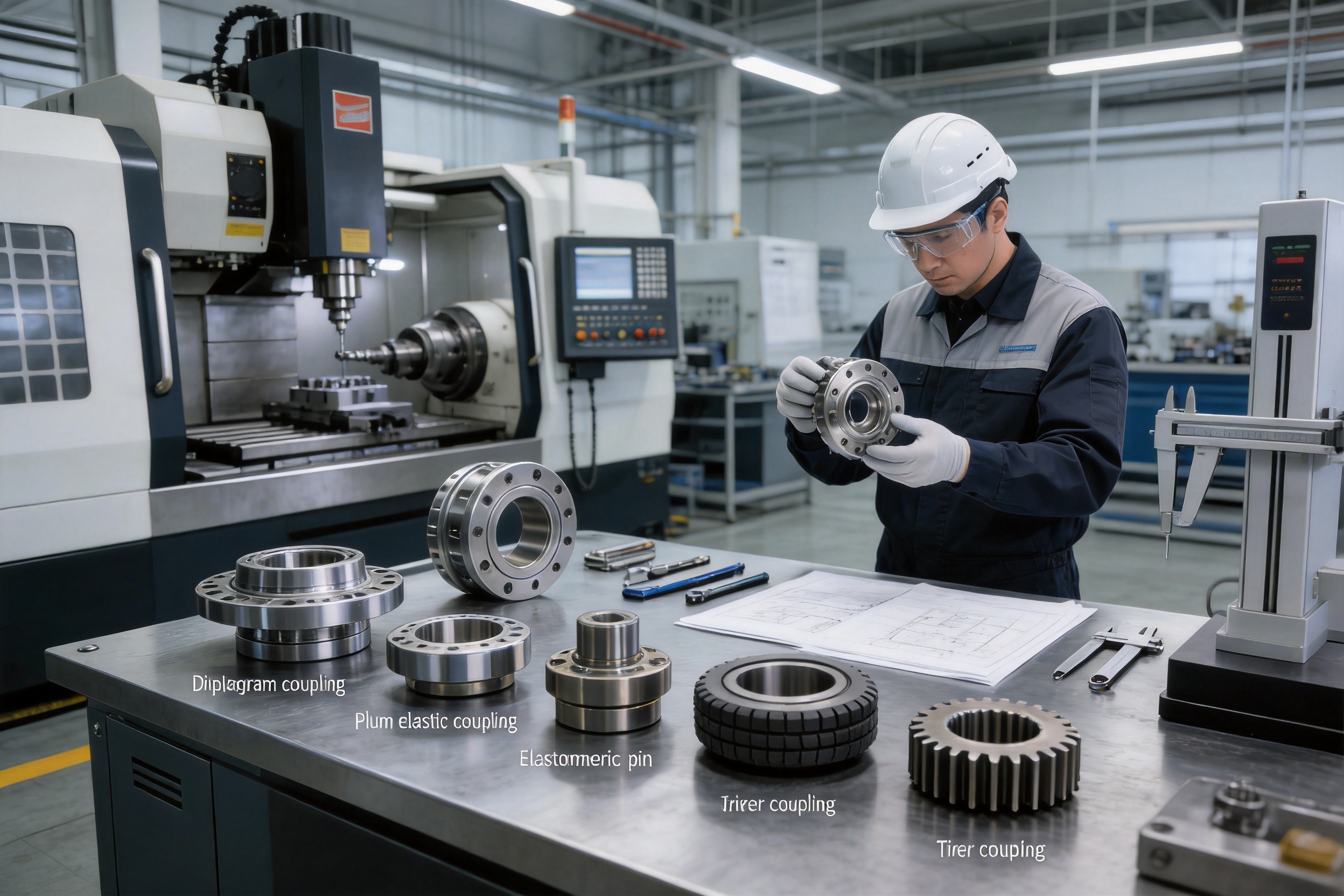
A complete inspection system may include dimensional inspection, visual examination, material verification, hardness testing, runout measurement, balance evaluation, and functional checks. The exact inspection plan should reflect coupling design and customer requirements.
Testing equipment allows the manufacturer to verify whether products meet design specifications before shipment. This is particularly important for products used in lifting machinery, high-speed equipment, and continuous production lines, where a coupling failure can have serious consequences.
Orienthold Machinery operates with comprehensive inspection and testing equipment and a strict quality supervision system. This supports consistent production and helps ensure that couplings comply with applicable national standards and agreed technical requirements.
Manufacturing Strengths and Service Capabilities
Zhenjiang Orienthold Machinery Co., Ltd. is a medium-sized enterprise specializing in couplings and papermaking machinery. Its business model integrates design, production, and service, allowing technical information to move efficiently from the customer requirement stage through manufacturing and after-sales support.
The combination of product knowledge and production capability is valuable for industrial buyers. Customers often need more than a catalog part. They may require help identifying the correct coupling type, confirming dimensions, matching a replacement, adapting a design, or coordinating delivery with a maintenance shutdown.
The company’s technical capabilities support products used in transportation, metallurgy, chemical engineering, mining, construction, and hoisting. These industries require components that can tolerate demanding loads and variable operating environments.
Advanced production equipment supports machining accuracy and repeatability, while comprehensive testing methods help verify product quality. The company applies a strict quality supervision system and manufactures products in accordance with national standards. Its broader machinery experience also contributes to an understanding of industrial equipment integration rather than isolated component production.
Service extends from pre-sales consultation to customization, logistics, payment coordination, maintenance support, and technical communication. This one-stop approach can simplify procurement for overseas customers and industrial machinery builders.
| Coupling Type | Main Performance Characteristics | Typical Applications | Important Selection Factors |
|---|---|---|---|
| Drum gear coupling | High torque capacity, angular misalignment compensation, compact heavy-duty construction | Cranes, conveyors, metallurgy equipment, crushers | Torque, speed, lubrication, gear engagement, shaft dimensions |
| Diaphragm coupling | High torsional stiffness, axial movement capability, low maintenance | Turbines, compressors, pumps, generators | Speed, balance, diaphragm stress, axial movement |
| Elastic sleeve pin coupling | Vibration damping, shock absorption, simple maintenance | Pumps, fans, conveyors, compressors | Elastomer grade, temperature, torque, misalignment |
| Cross universal coupling | Angular shaft connection, flexible transmission path | Rolling mills, lifting systems, heavy transmission lines | Operating angle, lubrication, bearing condition, speed |
| Plum elastic coupling | Compact design, non-lubricated operation, vibration control | Motors, gearboxes, pumps, automation equipment | Spider hardness, speed, bore size, chemical exposure |
| Elastomeric pin coupling | Shock absorption, flexible torque transmission, replaceable elastic elements | Fans, pumps, mixers, conveyors | Load cycle, pin condition, temperature, service factor |
| Elastomeric pin gear coupling | Combined gear strength and elastomeric damping | Heavy industrial drives, processing machinery | Peak torque, tooth condition, elastomer specification |
| Crane drum coupling | Heavy-duty lifting performance, impact resistance, repeated cycle capability | Cranes, hoists, drum-driven lifting systems | Lift load, duty class, braking cycle, shock loading |
| Tire coupling | Strong vibration isolation, broad misalignment capacity | Fans, pumps, compressors, generators | Tire material, temperature, deformation, installation space |
Coupling Selection Guide
Step One: Define the Operating Torque
Begin with the motor power and operating speed, then calculate or confirm the transmitted torque. The continuous torque is only one part of the selection process. Starting torque, braking torque, reversing torque, impact loads, and overload conditions must also be considered.
A suitable service factor should be applied according to the duty cycle and application severity. A coupling used in a smooth, continuously operating pump may require a different service factor from one used in a crane, crusher, mixer, or rolling machine.
Step Two: Confirm Speed and Balance Requirements
Rotational speed affects coupling stress, vibration, heat generation, and balance requirements. High-speed systems generally need precise concentricity, controlled runout, and appropriate dynamic balancing. Flexible elements must also be rated for the operating speed.
For low-speed, high-torque applications, strength and shock resistance may be the primary concerns. For high-speed equipment, stiffness, balance, and fatigue performance may be equally important.
Step Three: Evaluate Misalignment
Measure or estimate angular, parallel, and axial movement. The coupling should be selected so that normal operating misalignment remains comfortably within the rated capacity. It is not advisable to rely continuously on the maximum allowable value.
Alignment should be checked after installation and again after the machine reaches operating temperature when thermal growth is significant. Flexible coupling capacity is a safeguard, not a substitute for proper shaft alignment.
Step Four: Consider the Environment
Temperature, humidity, dust, water, oil, chemicals, ultraviolet exposure, and corrosive atmospheres can influence material selection and service life. Elastomeric components are particularly sensitive to temperature and chemical compatibility.
Outdoor cranes, mining equipment, chemical plants, and coastal installations may require special sealing, coatings, materials, or inspection intervals. Providing complete environmental information to the manufacturer improves product selection.
Step Five: Review Installation and Maintenance
Installation space, shaft accessibility, coupling weight, removal requirements, and inspection frequency should be considered before final selection. A coupling that performs well but cannot be installed or serviced conveniently may create unnecessary downtime.
Some coupling designs permit replacement of flexible elements without moving the motor or gearbox. Others may require more extensive disassembly but offer high torque capacity or high-speed performance. The best choice balances technical performance with practical maintenance requirements.
Installation and Maintenance Recommendations
Before installation, inspect the shafts, keys, keyways, mounting faces, and coupling components. Remove burrs, dirt, rust, and protective residues that could prevent accurate seating. Confirm that the bore and keyway dimensions match the shaft arrangement.
Align the connected shafts according to the coupling manufacturer’s specified limits. Use suitable alignment tools and measure both angular and parallel alignment. Tighten fasteners in the recommended sequence and to the required torque. Uneven tightening can distort flanges, diaphragms, or flexible elements.
For gear couplings, apply the correct lubricant and verify that seals are properly fitted. Insufficient lubrication can accelerate tooth wear, while excessive contamination can damage sealing surfaces. For elastomeric couplings, check that the flexible elements are not twisted, cut, compressed beyond their limits, or exposed to incompatible substances.
After commissioning, monitor vibration, temperature, noise, and visible movement. Unusual noise may indicate misalignment, insufficient lubrication, loose fasteners, worn flexible elements, or damaged bearings. A change in operating behavior should be investigated before it develops into a major failure.
Routine inspections should include coupling bolts, hubs, gear teeth, diaphragms, pins, spiders, tires, guards, and surrounding shafts. Maintenance intervals should be adjusted according to operating hours, load severity, environment, and manufacturer recommendations.
Applications Across Major Industries
Transportation Equipment
Transportation systems use couplings in conveyors, drives, transfer equipment, and material-handling machinery. These systems often operate for long periods and may experience variable loads. Reliable couplings help maintain continuous motion and reduce the risk of unexpected shutdowns.
Metallurgy and Rolling Mills
Metallurgical equipment requires high torque, strong impact resistance, and dependable operation under heat and heavy loading. Drum gear couplings, cross universal couplings, and specialized heavy-duty designs can connect motors, gearboxes, rolls, and auxiliary systems.
Mining
Mining machinery operates in dusty, abrasive, and high-load conditions. Crushers, conveyors, feeders, pumps, and hoists require couplings with robust construction and suitable environmental protection. Preventive inspection is especially important because access to underground or remote machinery may be difficult.
Construction and Hoisting
Construction machinery and cranes frequently start, stop, reverse, brake, and lift changing loads. Crane drum couplings and heavy-duty gear couplings are designed for these demanding cycles. Proper selection helps protect the drive system and supports safe, reliable lifting operations.
Chemical Processing
Chemical plants may expose couplings to aggressive vapors, liquids, and temperature variations. Material compatibility, sealing, protective coatings, and elastomer selection must be reviewed carefully. Diaphragm couplings can be attractive in applications where lubrication contamination must be minimized.
Papermaking Machinery
Papermaking machinery relies on stable, continuous operation and accurate power transmission. Couplings may be used in rolls, pumps, fans, dryers, conveyors, and auxiliary drives. Depending on speed and load, the application may benefit from diaphragm, gear, tire, or elastomeric coupling technology.
Cost Efficiency and Total Ownership Value
The purchase price of a coupling is only one part of its economic value. A more meaningful evaluation includes service life, installation time, maintenance labor, spare part requirements, energy losses, equipment protection, and the cost of production downtime.
A coupling with accurate machining and reliable flexible elements can reduce vibration-related failures in connected equipment. A coupling that is easy to inspect and maintain can shorten planned maintenance activities. A customized coupling can avoid expensive modifications to existing shafts or machine frames.
Consistent manufacturing also simplifies spare parts management. When replacement couplings match the original dimensions and performance characteristics, maintenance teams can reduce adaptation work and return equipment to service more quickly.
For international customers, dependable communication and logistics are also part of total ownership value. Clear technical documentation, responsive quotation support, flexible delivery coordination, and maintenance assistance can reduce procurement risk.
Quality Assurance and International Supply
Industrial buyers require confidence that a coupling will perform consistently after delivery. Quality assurance should cover raw materials, machining, assembly, testing, packaging, and documentation. Traceability and inspection records can be particularly important for critical equipment.
Orienthold Machinery supports customers through integrated design, manufacturing, testing, and service. Its products are supplied to large enterprises worldwide and are used across multiple industrial sectors. The company’s quality supervision system and inspection equipment provide a foundation for consistent product performance.
For export orders, the manufacturer can coordinate technical confirmation, customized production, packaging, logistics, and payment arrangements. Good communication before production helps ensure that shaft dimensions, drawings, standards, delivery requirements, and inspection expectations are clearly understood.
Customers seeking a coupling solution should provide as much technical information as possible, including motor power, speed, shaft sizes, keyway dimensions, torque, operating temperature, installation orientation, duty cycle, environmental conditions, and photographs or drawings of the existing assembly. Complete information allows the manufacturer to recommend a safer and more economical design.
Frequently Asked Questions
What is the primary function of an industrial coupling?
An industrial coupling connects two shafts and transmits torque from a driver to a driven machine. Depending on its design, it can also compensate for misalignment, absorb vibration, reduce shock loading, support axial movement, and protect connected equipment.
How do I choose between a gear coupling and an elastomeric coupling?
A gear coupling is generally considered when high torque density, compact construction, and heavy-duty performance are important. An elastomeric coupling is often preferred when vibration damping, shock absorption, simple maintenance, and flexible operation are priorities. The final selection depends on torque, speed, misalignment, environment, and duty cycle.
Are flexible couplings a replacement for shaft alignment?
No. Flexible couplings accommodate limited operating misalignment, but they should not be used to compensate for poor installation. Excessive misalignment increases forces, heat, wear, and stress in the coupling and connected equipment. Proper alignment remains essential.
Which coupling is suitable for crane machinery?
Crane drum couplings and heavy-duty drum gear couplings are commonly considered for crane and hoisting applications because they are designed for high torque, repeated starting and stopping, braking, reversing, and shock loading. The coupling must be selected according to the crane duty classification, load, speed, shaft dimensions, and operating cycle.
What information should be provided when requesting a customized coupling?
Important information includes motor power, rotational speed, continuous and peak torque, shaft diameters, keyway dimensions, shaft spacing, misalignment, operating temperature, environmental conditions, duty cycle, installation restrictions, and the preferred coupling type. Drawings, photographs, equipment models, and existing coupling details are also useful.
Do all couplings require lubrication?
No. Gear couplings generally require suitable lubrication unless they are specifically designed otherwise. Many elastomeric pin, plum elastic, diaphragm, and tire couplings are non-lubricated, although their flexible elements still require regular inspection. Always follow the requirements for the specific design.
How can coupling service life be extended?
Service life can be extended through correct selection, accurate alignment, proper installation, suitable lubrication, protection from contamination, regular inspection, timely replacement of worn flexible elements, and avoidance of overload. Monitoring vibration and temperature can help identify problems at an early stage.
What makes precision manufacturing important?
Precision manufacturing improves concentricity, torque distribution, fit, balance, and repeatability. It reduces localized stress and helps the coupling work smoothly with shafts, bearings, gearboxes, and motors. Accurate manufacturing is particularly important for high-speed and high-load applications.
Can a coupling be used in a chemically aggressive environment?
It can be, provided that the materials, elastomers, coatings, seals, and lubrication system are compatible with the environment. Chemical exposure should be disclosed during technical review so that the coupling can be configured appropriately.
Why work with a manufacturer that offers several coupling categories?
A broad product range allows the supplier to match the coupling to the actual application. The customer can compare torque capacity, flexibility, damping, speed capability, maintenance requirements, and environmental resistance instead of being limited to one design.
Conclusion
Industrial couplings are small compared with the machines they serve, but their influence on reliability and productivity is substantial. A properly selected coupling transmits torque efficiently, manages misalignment, absorbs harmful vibration, and protects connected equipment from shock and fatigue.
The product range covering drum gear couplings, diaphragm couplings, elastic sleeve pin couplings, cross universal couplings, plum elastic couplings, elastomeric pin couplings, elastomeric pin gear couplings, crane drum couplings, and tire couplings provides solutions for a wide variety of industrial requirements.
The main advantages come from combining suitable coupling technology with application-based engineering, precision machining, controlled assembly, comprehensive inspection, and responsive service. These capabilities help customers reduce downtime, improve equipment protection, simplify maintenance, and achieve better long-term ownership value.
With integrated design, production, and service capabilities, Zhenjiang Orienthold Machinery Co., Ltd. supports industrial customers seeking dependable standard or customized coupling solutions. Its technical experience, testing resources, quality supervision system, and international supply capabilities make it a suitable partner for demanding power transmission applications.
References
1. American Gear Manufacturers Association, Technical Guidance on Flexible Couplings and Gear Coupling Applications.
2. International Organization for Standardization, General Principles for Mechanical Power Transmission Components.
3. Engineering practice guides for shaft alignment, rotating machinery maintenance, and coupling installation.
4. Industrial machinery maintenance manuals covering vibration monitoring, lubrication, and flexible element inspection.
5. Manufacturer technical documentation for drum gear, diaphragm, elastomeric pin, universal, and tire coupling designs.
6. Mechanical power transmission design references covering torque calculation, service factors, misalignment, fatigue, and dynamic balance.
Product: 测试文章,记得删除
PREV: WGZ Crowned-Gear Coupling with Brake Wheel: Integrated Torque Transmission and Reliable BrakingNEXT: SWP-C Non-Telescopic Short Universal Coupling: Compact Design, Reliable Torque Transmission, and Advanced Manufacturing
Be the First to Know
For exclusive deals and latest offers, sign up by entering your email address below.
Related products
News
-
-
Your compressor train is running at 9,800 rpm when the vibration monitor triggers an alarm. The first component your ma...
READ MORE -
A coupling fails at 2:10 a.m. on a continuous production line. The drive train stops, alarms sound, and every idle minu...
READ MORE -
China's coupling industry is at a critical historical juncture of transformation from scale expansion to quality and eff...
READ MORE -
Rotating Equipment Engineering Why Diaphragm Coupling Wins in High-Speed Turbomachinery A close look at how elastic dia...
READ MORE -
During a routine vibration survey on a high-speed compressor train, engineers found a 4.5 mm/s velocity spike at the mo...
READ MORE


ABOUT US
PRODUCTS
INDUSTRIES
CONTACT US
- Phone: +86-18652865511
- Email: sales@ohmach.com
- Address: No.1, Minying Developing Zone, Zhenjiang, Jiangsu, China
Copyright Zhenjiang Orienthold Machinery Co., Ltd. All Rights Reserved.
 Custom Industrial Shaft Coupling Manufacturers