 English
 русский
 Português
 عربى

Industrial Couplings: The Definitive Technical Encyclopedia – Classification, Sizing, Failure Prevention, and Lifecycle...
READ MORE
JMII Double-Diaphragm Coupling: Precision Torque Transmission for Demanding Industrial Systems
Admin 2026-09-25Content
- 1 Understanding the Role of a Double-Diaphragm Coupling
- 2 Structural Design of the JMII Coupling
- 3 How the Coupling Compensates for Misalignment
- 4 Advantages Over Conventional Elastic Couplings
- 5 Transmission Performance and System Stability
- 6 Applications Across Industrial Sectors
- 7 Manufacturing Strengths and Quality Control
- 8 Customization and One-Stop Service
- 9 Coupling Selection Guidelines
- 10 Installation and Maintenance Recommendations
- 11 Why the JMII Series Is a Competitive Choice
- 12 Frequently Asked Questions
- 12.1 What is the JMII Double-Diaphragm Coupling?
- 12.2 Why is it called a double-diaphragm coupling?
- 12.3 Is the JMII coupling different from an elastomeric coupling?
- 12.4 What types of misalignment can it accommodate?
- 12.5 Does it require lubrication?
- 12.6 Can it be used in high-temperature equipment?
- 12.7 Is it suitable for corrosive environments?
- 12.8 What equipment commonly uses this coupling?
- 12.9 Can the coupling be customized?
- 12.10 Can the coupling compensate for poor installation alignment?
- 12.11 What should be checked during maintenance?
- 12.12 What information is needed for product selection?
- 13 Conclusion
- 14 References
- 15 Product: JMII Double-Diaphragm Coupling
Modern industrial equipment requires transmission components that can deliver torque accurately, accommodate unavoidable shaft misalignment, operate reliably across changing environmental conditions, and remain economical to maintain. The coupling positioned between a driving machine and a driven machine has a direct influence on vibration, alignment stability, equipment service life, and overall production efficiency. For these reasons, coupling selection is not simply a matter of matching bore dimensions. It requires a careful assessment of torque, speed, shaft arrangement, misalignment, operating temperature, installation space, maintenance expectations, and the surrounding industrial environment.
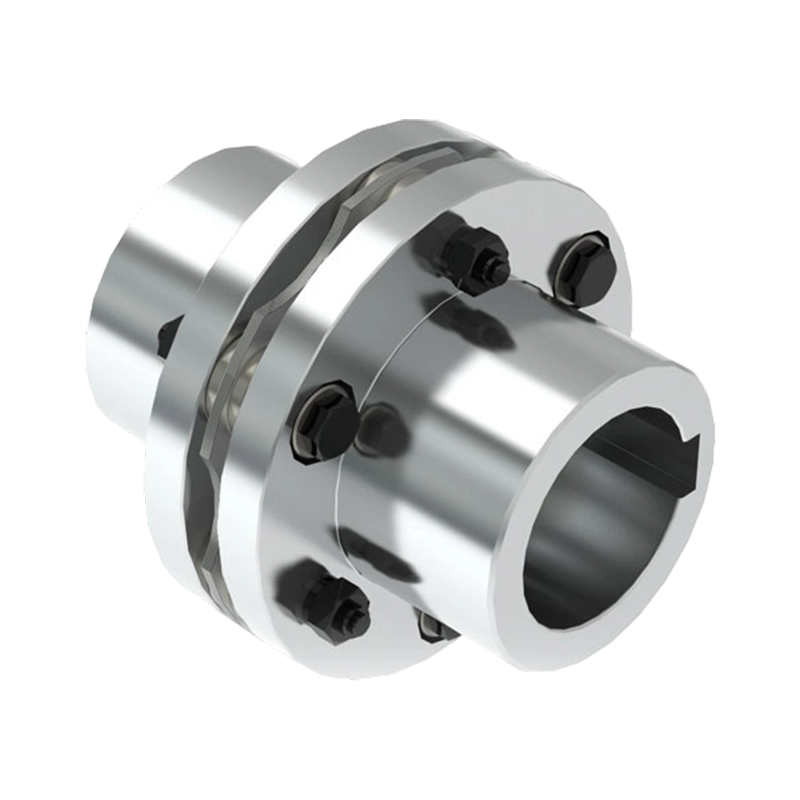
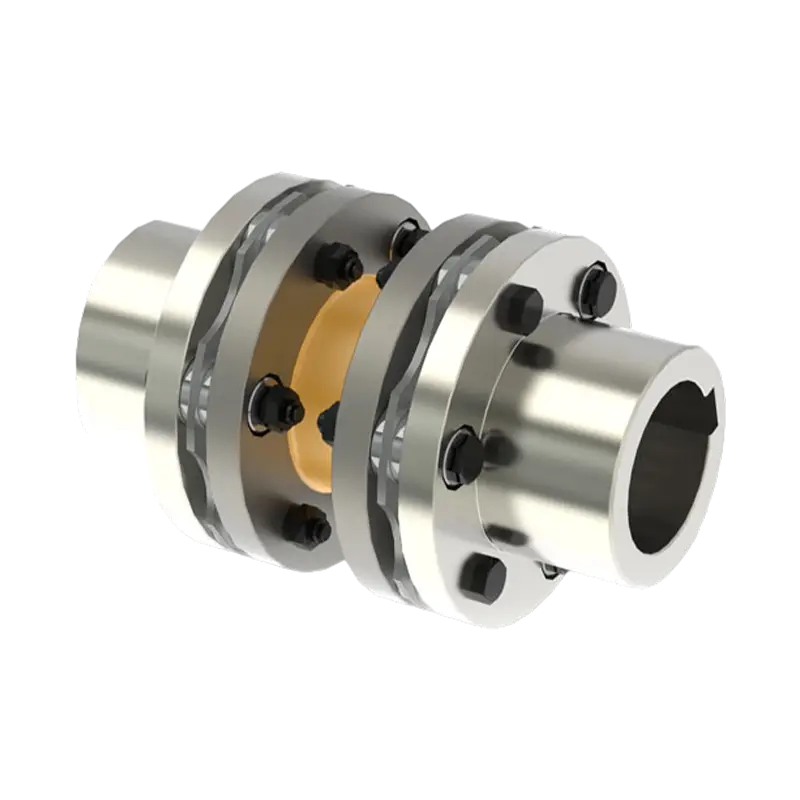
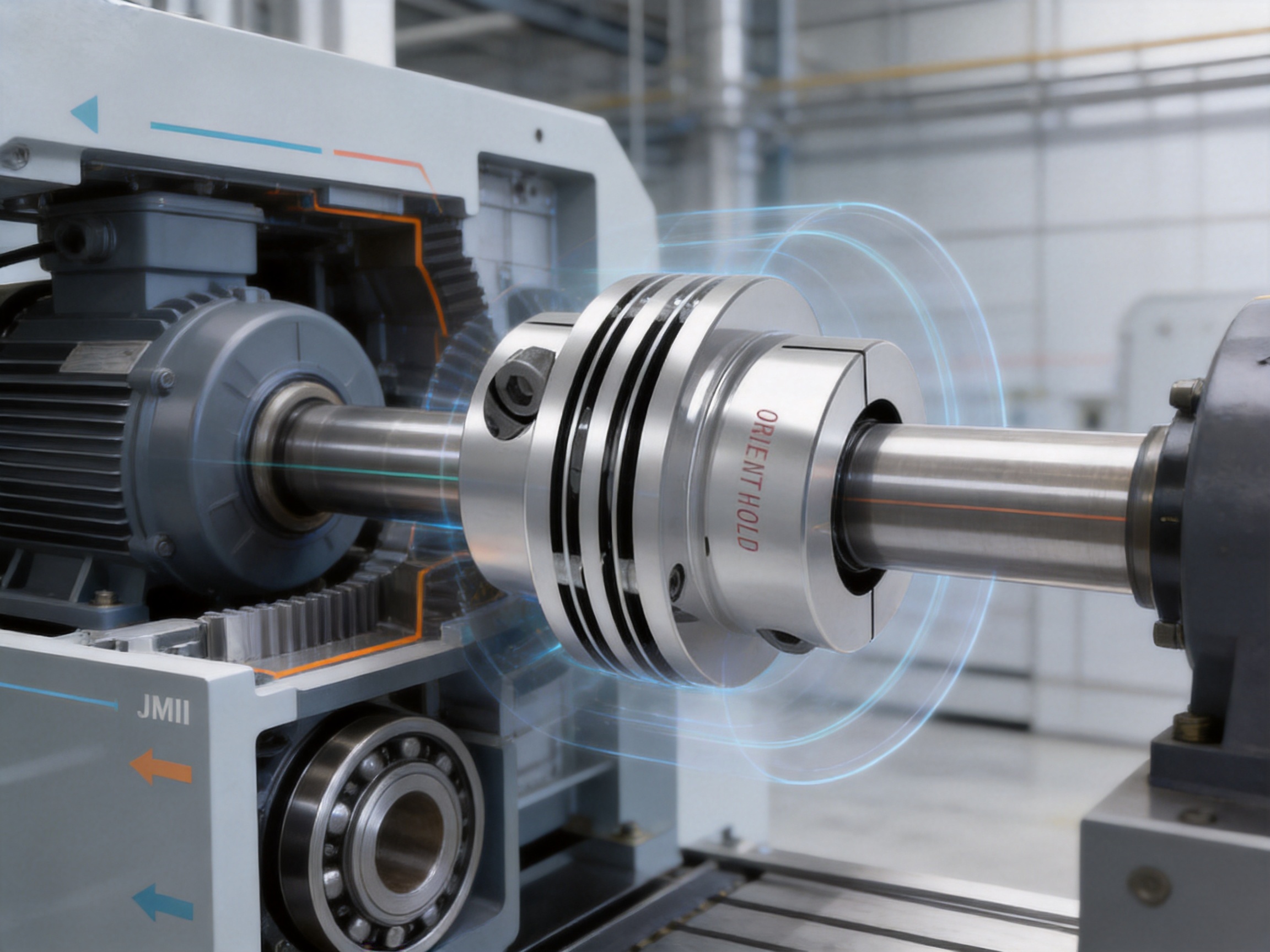
The JMII Double-Diaphragm Coupling is a high-performance metal disc coupling developed for demanding transmission applications. It uses two sets of stainless steel disc components and two half couplings connected alternately by precision bolts. Its single-piece structural concept, absence of a sunk hole, compact axial arrangement, and all-metal construction allow it to address many limitations associated with conventional elastic couplings and longer transmission assemblies.
Designed for applications with relatively short transmission distances, the JMII coupling combines torsional rigidity with controlled flexibility. Its disc packs can compensate for axial, radial, and angular shaft misalignment while maintaining dependable torque transfer. Unlike couplings that rely on rubber, polyurethane, nylon, or other non-metallic flexible elements, the JMII design uses stainless steel discs as the principal flexible components. This provides a durable solution for industrial automation, machine tools, fans, pumps, transportation equipment, metallurgy, chemical engineering, mining, construction, and hoisting systems.
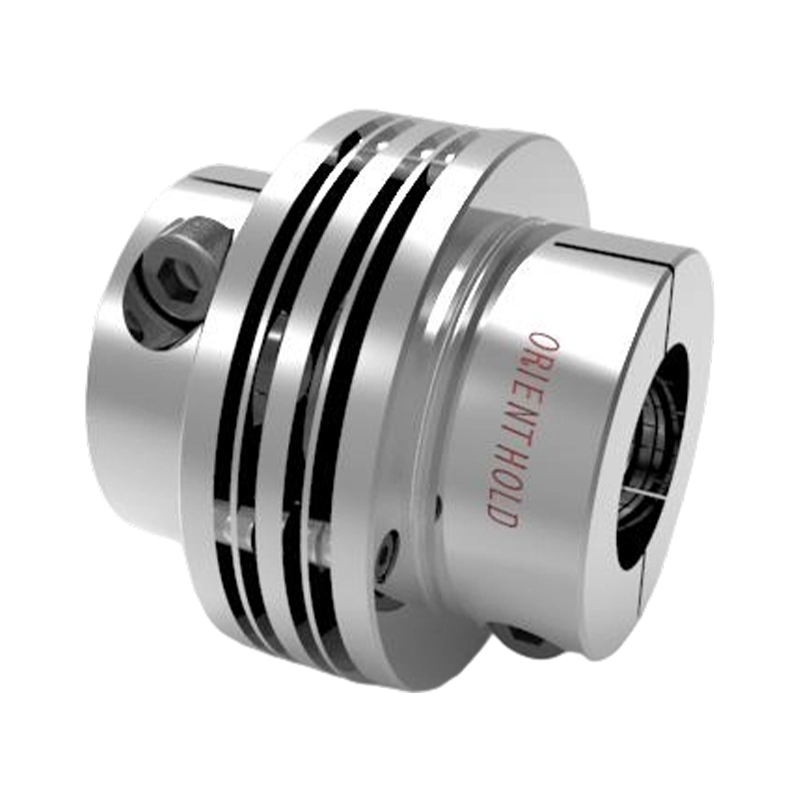
JMII Double-Diaphragm Coupling
Understanding the Role of a Double-Diaphragm Coupling
A coupling joins two shafts so that rotational power can pass from a motor, engine, turbine, or other power source to a driven machine. In a perfect theoretical installation, the two shafts would be precisely aligned and would remain in that position throughout the entire operating cycle. In practical equipment, however, alignment changes can occur because of manufacturing tolerances, thermal expansion, foundation movement, bearing wear, assembly errors, or load-related deflection.
A rigid coupling cannot absorb these changes effectively. When a rigid connection is used between imperfectly aligned shafts, additional forces are transferred to bearings, seals, gears, and other machine components. These forces can increase vibration, accelerate wear, raise operating temperature, and cause premature failure. A flexible coupling reduces these problems by allowing a controlled amount of relative movement between the shafts.
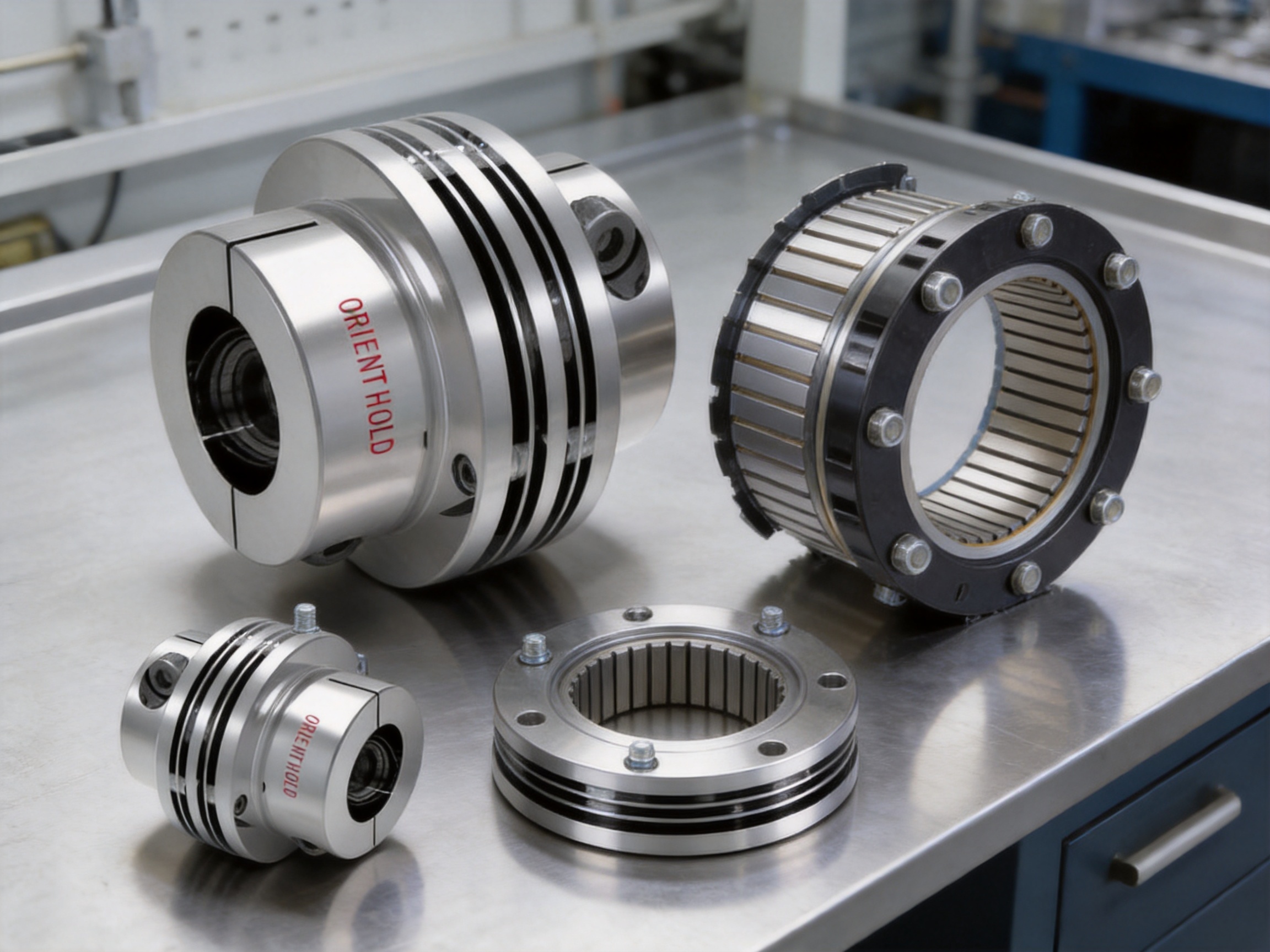
The JMII Double-Diaphragm Coupling achieves flexibility through two sets of thin stainless steel discs. The discs are fixed to the coupling components and deform elastically as the connected shafts experience misalignment. The two disc packs work together to transmit torque while accommodating movement. This arrangement is particularly valuable in compact equipment because it provides a flexible connection without requiring a long spacer section or a large quantity of wear-prone components.
The term “double-diaphragm” refers to the use of two flexible disc groups rather than one. This configuration supports a balanced transmission path and is suitable for short-distance shaft connections. The two-disc-pack arrangement also separates the coupling connection into controlled flexible zones, helping the assembly manage combined misalignment more effectively than a single flexible element in many applications.
Structural Design of the JMII Coupling
Single-Piece Compact Concept
The JMII series adopts a single-piece design without a sunk hole. This structural approach reduces unnecessary axial complexity and supports a more compact overall configuration. In equipment where the distance between the driving and driven shafts is limited, a compact coupling can simplify installation and provide greater freedom when arranging motors, gearboxes, pumps, fans, and other components.
A shorter transmission assembly can also reduce the number of intermediate parts required in the system. Fewer components may mean fewer interfaces that need inspection, fewer opportunities for assembly errors, and a simpler maintenance procedure. The coupling must still be selected and installed according to the application’s torque, speed, bore, misalignment, and safety requirements, but its basic form is well suited to installations where space is restricted.
Two Stainless Steel Disc Packs
The coupling contains two sets of stainless steel disc components. Each disc set is formed from multiple layers of stainless steel sheets with typical thicknesses ranging from 0.2 to 0.6 millimeters. The layered construction creates a flexible metallic element with controlled elastic behavior. The individual sheets work together to provide the strength necessary for torque transmission while allowing the disc pack to flex under permitted misalignment conditions.
Stainless steel is particularly suitable for this role because it combines strength, elastic recovery, corrosion resistance, and resistance to aging. The discs do not depend on a rubber-like material to maintain flexibility. As a result, the flexible element is less vulnerable to the deterioration mechanisms commonly associated with organic or polymeric components, including hardening, cracking, softening, swelling, and loss of elasticity.
Link-Style and Full-Plate Disc Options
The disc sets are available in two common configurations: link-style and full-plate style. These options allow the coupling structure to be adapted to different transmission requirements and equipment arrangements. The appropriate form depends on the required flexibility, torque transmission characteristics, installation conditions, and the design parameters established for the specific application.
A link-style configuration uses connected disc sections arranged to provide controlled flexibility and effective load transfer. A full-plate configuration uses a more continuous plate form. Both approaches are based on the same fundamental principle: a metallic flexible element transmits torque while accommodating the permitted relative movement between the shafts.
Bolted Alternating Connection
The two disc sets and two half couplings are connected alternately with bolts. This arrangement creates a defined mechanical path from one shaft to the other. Proper bolt quality, fit, tightening sequence, and assembly accuracy are essential to the performance of any bolted disc coupling. Correct installation ensures that the load is distributed as intended and that the disc elements are not subjected to avoidable distortion.
The bolted architecture also supports serviceability. When inspection or replacement is required, maintenance personnel can examine the disc packs, bolts, hubs, and shaft connections as distinct mechanical elements. This can be advantageous compared with designs in which the flexible element is permanently molded around the coupling hubs and cannot be inspected as easily.
| Design feature | Function | Practical benefit |
|---|---|---|
| Two stainless steel disc packs | Transmit torque and accommodate shaft movement | Controlled flexibility with high torsional precision |
| 0.2–0.6 mm layered sheets | Create an elastic metallic diaphragm structure | Balanced strength and deformation capability |
| Single-piece compact design | Reduce unnecessary axial construction | Suitable for short transmission distances |
| No sunk hole | Simplify the primary structural form | Supports compact equipment integration |
| Alternating bolted connection | Join disc packs and half couplings | Stable mechanical load transfer and inspectability |
| All-metal construction | Eliminate non-metallic flexible inserts | Improved resistance to aging and temperature-related deterioration |
How the Coupling Compensates for Misalignment
Axial Misalignment
Axial misalignment occurs when the two shaft ends move closer together or farther apart along the common shaft axis. It may result from thermal expansion, installation tolerances, bearing movement, or changes in the operating condition of the connected machines. The disc packs can flex in a controlled manner to accommodate permitted axial movement without requiring sliding contact or a separate lubricated mechanism.
Axial compensation is especially important in equipment exposed to temperature changes. Motors, pumps, fans, gearboxes, and process machines may operate at temperatures that differ from the ambient installation condition. As shafts, housings, and foundations expand at different rates, the distance between coupling hubs can change. A suitable diaphragm coupling can help prevent this movement from being transmitted as excessive axial force to the connected bearings.
Radial Misalignment
Radial, or parallel, misalignment occurs when the two shaft centerlines remain parallel but do not coincide. This condition can be caused by inaccurate installation, foundation settlement, soft foot, bearing movement, or shaft deflection under load. Radial misalignment creates bending forces and cyclic stresses in a rigid connection.
The two disc packs in the JMII structure provide a flexible path that can accommodate an approved degree of radial offset. The coupling does not eliminate the need for accurate alignment. Instead, it provides a controlled tolerance for the small deviations that are difficult to avoid in real industrial machinery. Accurate initial alignment remains essential for reducing stress and maximizing service life.
Angular Misalignment
Angular misalignment occurs when the two shaft centerlines intersect at an angle rather than remaining collinear. It can occur when equipment feet are uneven, when mounting surfaces are not parallel, or when connected machines move under operating load. Angular misalignment produces alternating bending forces as the coupling rotates.
The disc packs flex repeatedly to accommodate the angular relationship between the shafts. Their thin, layered stainless steel construction provides the elastic deformation needed for this movement. By compensating for angular misalignment without relying on sliding friction, the coupling can support accurate torque transfer while reducing the need for lubrication.
Combined Misalignment
Industrial equipment rarely experiences only one type of misalignment. Axial, radial, and angular movement can occur together. For example, a pump may experience angular and radial offset after installation, while thermal expansion adds axial movement during operation. A coupling must therefore be assessed according to the combined misalignment condition rather than a single isolated value.
The double-disc arrangement is valuable because it separates the flexible zones and allows the coupling to respond to combined shaft movement. Nevertheless, compensation capacity is not unlimited. Exceeding the recommended misalignment limits can cause excessive disc stress, increased reaction loads, fatigue, or premature failure. Alignment should always be measured and corrected before commissioning, and the coupling should be selected using the manufacturer’s technical data for the actual application.
Advantages Over Conventional Elastic Couplings
Resistance to Material Aging
Many conventional elastic couplings use rubber, nylon, polyurethane, or other non-metallic elements. These materials can be effective in appropriate applications, but their properties may change over time. Heat, ultraviolet exposure, oil, chemicals, moisture, ozone, and repeated cyclic loading can affect their flexibility and strength. A material that was compliant when new may become brittle, hardened, swollen, or permanently deformed after extended service.
The JMII coupling uses an all-metal flexible structure. Its stainless steel discs are not subject to the same aging mechanisms as rubber or polymer inserts. This does not make the coupling immune to fatigue or incorrect operation, but it removes a major category of deterioration associated with non-metallic elastic elements. For equipment expected to operate for long periods or in demanding environments, this can support more predictable performance.
Improved High- and Low-Temperature Suitability
Non-metallic materials often have defined temperature ranges beyond which their flexibility, strength, or dimensional stability changes significantly. In cold conditions, some materials become less flexible. At elevated temperatures, others soften, harden, or lose mechanical strength. Temperature changes can therefore influence the alignment compensation and torque transmission characteristics of a conventional elastic coupling.
The stainless steel disc packs of the JMII design are well suited to applications where temperature stability is important. Metal properties still vary with temperature, and the entire coupling must be evaluated for the actual operating environment, but the design avoids the temperature-related limitations of many rubber and plastic inserts. This makes it a strong candidate for equipment exposed to substantial thermal variation.
Enhanced Corrosion Resistance
Industrial equipment may be exposed to humidity, cleaning fluids, process substances, dust, salt-laden air, or chemically active atmospheres. Corrosion can reduce the cross-sectional strength of flexible elements and fasteners, interfere with movement, and create stress concentrations. Stainless steel offers a strong foundation for resisting many common corrosive influences.
Material selection must still consider the specific chemical environment. Stainless steel grades, surface conditions, fastener materials, and protective measures should be reviewed when the coupling is used in particularly aggressive service. Even with this qualification, a stainless steel disc coupling generally provides a more robust corrosion-resistant basis than an unprotected carbon-steel assembly or a polymer component that is incompatible with the process environment.
Higher Torsional Precision
Disc couplings are generally recognized for their torsional stiffness and low backlash. This makes them suitable for applications that require accurate synchronization between the driving and driven shafts. Machine tools, automation systems, inspection equipment, and precision process machinery can benefit from a coupling that transfers rotational movement without the substantial torsional softness associated with some elastomeric designs.
The JMII coupling balances this torsional precision with the flexibility needed to compensate for misalignment. It does not depend on a thick soft element to absorb shock, so it is particularly suitable when accurate angular positioning and repeatable torque transmission are more important than extensive vibration damping.
Reduced Lubrication Requirements
The disc packs operate through elastic deformation rather than sliding friction between teeth or other continuously meshing parts. As a result, the coupling does not require the same type of regular lubrication associated with gear couplings. Reducing lubrication tasks can simplify preventive maintenance and avoid problems caused by insufficient, excessive, or contaminated lubricant.
Although the coupling may require inspection of bolts, hubs, disc packs, guards, and alignment, eliminating a routine lubrication point can be a meaningful advantage in installations where access is limited. It may also reduce the risk of lubricant leakage near motors, pumps, or process equipment.
Compact Installation
The single-piece, no-sunk-hole structure is suitable for equipment with shorter transmission distances. Compactness can reduce interference with guards, frames, bearings, and adjacent components. It can also simplify the design of new equipment where the available shaft span is limited.
Compared with a long spacer coupling or a more complex intermediate shaft arrangement, a compact diaphragm coupling can reduce the overall installation envelope. This can assist equipment designers in developing smaller machines while retaining a flexible connection between the shafts.
Transmission Performance and System Stability
A coupling should be evaluated as part of the complete power transmission system rather than as an isolated component. Its torsional stiffness, misalignment response, mass, balance, connection method, and installation accuracy all influence the behavior of the connected machinery.
The JMII Double-Diaphragm Coupling is intended to transfer torque through a direct metallic load path. This helps support stable rotational transmission and reduces the possibility of backlash associated with loose or heavily compliant elements. In precision applications, stable torque transfer can improve positioning repeatability, speed regulation, and the consistency of machine operation.
Because the coupling uses flexible disc packs rather than a soft elastomer, its torsional response can be more consistent over a broad operating period. The characteristics of rubber and plastic components can change as they age or as temperature varies. A metallic disc assembly generally provides a more stable mechanical response, provided that it is operated within its specified torque, speed, and misalignment limits.
System stability also depends on balance. High-speed rotating equipment requires suitable balancing, accurate machining, proper bolt installation, and correct shaft alignment. A high-quality coupling cannot compensate for a badly bent shaft, a loose foundation, an inadequately supported bearing, or an incorrect installation procedure. The best results are achieved when the coupling is integrated into a complete engineering process that includes equipment alignment and vibration control.
Applications Across Industrial Sectors
Industrial Automation
Automation equipment frequently requires accurate, repeatable motion. Excessive backlash or variable torsional softness can reduce positioning accuracy and create inconsistent results. The JMII coupling’s metal disc construction supports precise torque transfer while accommodating small installation deviations between the motor and driven shaft.
It can be considered for servo-driven mechanisms, indexing systems, production-line equipment, and other automated machinery where compact dimensions and low maintenance are important. The final selection should account for acceleration, deceleration, reversing operation, peak torque, and the frequency of start-stop cycles.
Machine Tools
Machine tools place strong demands on alignment, rotational accuracy, and vibration control. Spindles, feed systems, pumps, fans, and auxiliary drives may operate at high speed or require repeatable motion. A diaphragm coupling can help preserve the relationship between the drive and driven components without introducing significant backlash.
The all-metal design is also advantageous where cutting fluids, cleaning agents, and elevated operating temperatures may affect polymeric coupling elements. Careful balancing and precise installation are essential, particularly where high rotational speed is involved.
Fans and Pumps
Fans and pumps often operate for long periods and may be installed in locations where maintenance access is difficult. A coupling that does not require routine lubrication and is resistant to aging can help simplify preventive maintenance. The JMII coupling can compensate for the small shaft movements that occur because of thermal changes, foundation movement, or equipment deflection.
For pump applications, it is important to consider hydraulic conditions, starting torque, transient loads, seal arrangements, and the possibility of cavitation-related vibration. For fans, designers should assess aerodynamic loading, unbalanced forces, starting characteristics, and operating speed. Coupling selection should be based on the complete duty cycle rather than nominal motor power alone.
Transportation and Hoisting Equipment
Transportation, construction, and hoisting equipment may experience frequent starts, stops, acceleration changes, shocks, and variable loads. These conditions can place high demands on couplings and connected shafts. The JMII design offers a precise, compact connection for applications where the operating duty is compatible with a disc coupling.
Safety is especially important in lifting and hoisting equipment. The coupling must be correctly rated, protected with a suitable guard, inspected according to the equipment safety program, and selected with appropriate service factors. Where severe shock loads or substantial reversing torque are present, the application should be reviewed carefully by qualified engineering personnel.
Metallurgy, Mining, and Chemical Engineering
Metallurgical, mining, and chemical facilities can expose equipment to dust, moisture, vibration, temperature changes, and corrosive substances. The stainless steel disc construction provides a strong basis for resisting many environmental influences. The absence of rubber or nylon flexible elements can also be beneficial where those materials might age rapidly or react poorly with the operating environment.
Environmental compatibility should not be assumed without review. The exact stainless steel grade, bolt materials, surface treatments, sealing arrangements, and protective guards should be selected in relation to the process conditions. Regular inspection remains necessary in abrasive or corrosive service.
Manufacturing Strengths and Quality Control
The performance of a precision coupling depends heavily on the quality of its manufacturing process. Thin stainless steel discs must be produced with consistent dimensions and surface condition. Hubs and half couplings require accurate machining so that bore geometry, concentricity, bolt patterns, and mating surfaces support balanced operation. Bolts and other fastening elements must be compatible with the expected load and installation method.
The manufacturer behind the JMII series integrates design, production, and service. This integrated operating model allows product development, manufacturing decisions, inspection, technical support, and customer feedback to be connected within one organization. Such integration is valuable for industrial customers that require not only a standard coupling, but also assistance with specification, customization, and application support.
Engineering and Product Development
Coupling design begins with understanding the application. Engineers must consider transmitted torque, rated and peak speed, shaft dimensions, misalignment, temperature, environment, installation space, duty cycle, and required service life. A manufacturer with dedicated technical capability can use this information to select suitable disc geometry, materials, bolt arrangements, and hub dimensions.
The JMII product reflects an engineering focus on compact structure, metallic flexibility, and reliable torque transfer. Its design addresses a specific market need: a short-distance coupling that offers the precision of a disc construction without relying on non-metallic elastic elements. This targeted design approach helps distinguish it from general-purpose couplings intended primarily for shock absorption or low-cost transmission.
Advanced Production Equipment
Advanced production equipment supports repeatable machining, forming, assembly, and inspection. For a disc coupling, manufacturing consistency is important because small dimensional differences can affect balance, bolt loading, disc stress, and shaft alignment. Accurate equipment helps ensure that production parts remain within controlled tolerances.
Manufacturing quality is not limited to the visible finish of the coupling. It includes material control, machining accuracy, disc-layer consistency, fastening precision, concentricity, surface treatment, and final assembly. A complete production system should link process controls with inspection records so that nonconforming parts can be identified before shipment.
Comprehensive Testing and Inspection
The company operates with a strict quality supervision system and complete inspection and testing equipment. This provides a foundation for verifying product dimensions, material condition, assembly quality, and other characteristics relevant to reliable service. Inspection is particularly important for rotating components because defects that appear minor when stationary may produce significant vibration or fatigue at operating speed.
Depending on the order and application, customers may require dimensional reports, material documentation, balancing information, inspection records, or other quality documents. Clear technical communication between the customer and manufacturer helps ensure that the delivered coupling meets the intended equipment requirements.
Standards and Consistency
Products are manufactured in accordance with applicable national standards. Standards-based production provides a common framework for dimensions, materials, quality management, and testing. It also supports more consistent communication between equipment manufacturers, distributors, maintenance teams, and end users.
Standards are important, but they do not replace application engineering. A coupling can conform to a dimensional or manufacturing standard and still be unsuitable if its torque, speed, misalignment, or environment is incorrectly specified. The strongest procurement process combines standards compliance with a review of the actual operating conditions.
Customization and One-Stop Service
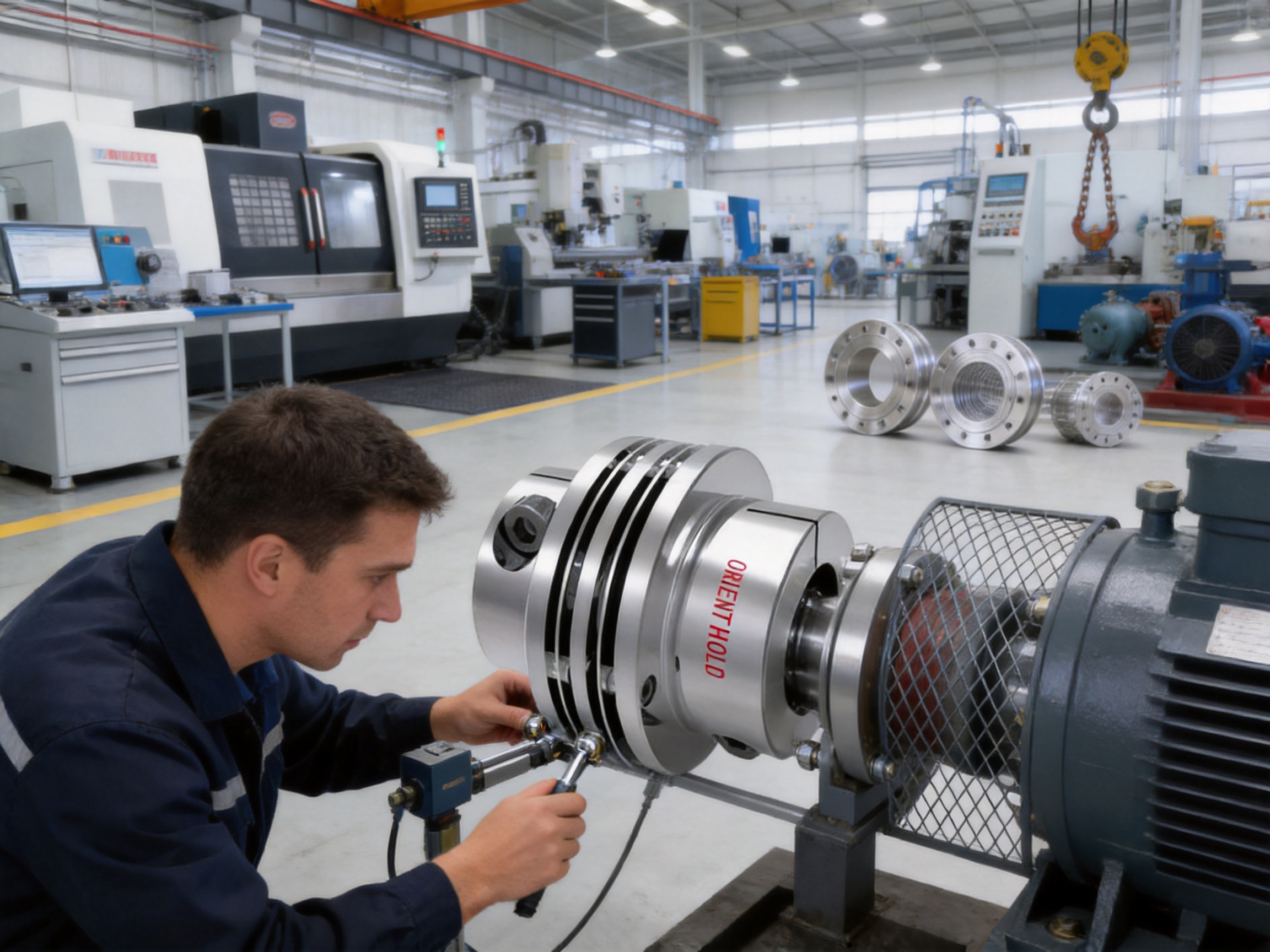
Industrial customers often require more than a standard catalog configuration. Shaft diameters, keyways, bolt circles, hub lengths, materials, coatings, balancing grades, and installation spaces can vary from one machine to another. A coupling manufacturer that can support customization is better positioned to address these differences without forcing the customer to redesign the surrounding equipment.
The manufacturer provides pre-sales consultation and customization support. This can include reviewing drawings, confirming operating parameters, discussing installation limitations, and recommending a suitable configuration. Early technical communication helps prevent common problems such as inadequate bore capacity, insufficient misalignment allowance, interference with guards, or incorrect bolt access.
One-stop service also extends to logistics, payment options, and maintenance support. Flexible logistics can be important for international customers, project contractors, equipment builders, and maintenance departments operating under time constraints. Reliable after-sales communication helps users obtain guidance when installation, inspection, or replacement questions arise.
Coupling Selection Guidelines
Determine the Required Torque
The starting point for selection is the required torque. Nominal motor power alone is not enough because torque depends on power and rotational speed. The calculation should consider rated torque, starting torque, acceleration torque, overloads, reversing loads, and any cyclic or impact conditions.
A suitable service factor should be applied according to the machine type and duty cycle. Continuous-duty pumps and fans may have different requirements from crushers, hoists, conveyors, or reversing drives. The coupling’s allowable torque must exceed the actual operating requirement with an appropriate engineering margin.
Check Speed and Balance
Rotational speed affects centrifugal forces, balance requirements, and disc stress. High-speed applications require careful attention to concentricity, fastener installation, shaft runout, and dynamic balancing. The coupling must be rated for the maximum operating speed, including any overspeed condition specified by the equipment design.
Users should avoid assuming that a coupling suitable at one speed will be equally suitable at a higher speed. Speed, bore size, hub geometry, and disc configuration interact with one another. Technical data should be reviewed before final selection.
Evaluate Shaft Dimensions
The bore must accommodate the shaft diameter and the selected connection method, such as a keyway or other approved arrangement. Shaft length, shoulder position, key dimensions, end float, and available assembly clearance should also be checked. The coupling should not be forced onto a shaft, and unauthorized modifications can reduce strength or balance.
Measure Misalignment
Alignment should be measured before installation and checked again after the connected machines reach operating temperature when practical. The expected axial, radial, and angular movements should be compared with the coupling’s permitted values. A coupling should compensate for small unavoidable movement, not serve as a substitute for proper alignment.
Review Environment and Temperature
Ambient temperature, process temperature, moisture, dust, chemicals, washdown procedures, and corrosive exposure all affect coupling selection. The all-metal JMII design is advantageous in many demanding environments, but the full assembly must be evaluated. Fasteners, hubs, shafts, guards, coatings, and nearby seals may have different environmental limitations.
Confirm Installation and Maintenance Space
The compact design is intended for applications with shorter transmission distances, but the installer must still provide adequate access for bolts, alignment tools, inspection, and future removal. Guards must be designed to protect personnel without obstructing necessary maintenance. The coupling should not be installed in a way that prevents inspection of disc packs or fastening elements.
Installation and Maintenance Recommendations
Before installation, inspect the coupling for shipping damage, contamination, burrs, corrosion, and missing components. Confirm that the model, bore dimensions, keyways, bolt pattern, and disc configuration match the equipment drawings. Shafts should be clean and free from raised burrs or material that could prevent the hubs from seating correctly.
Align the connected machines according to the specified axial, radial, and angular requirements. Use appropriate measurement equipment and correct soft foot or foundation problems before installing the coupling. Do not intentionally use the coupling to pull misaligned machines into position, as this may preload the disc packs and reduce their service life.
Install bolts and fastening components according to the approved procedure. Tighten them in the correct sequence and to the specified torque. Uneven or excessive tightening can distort the disc packs or create an uneven load path. After assembly, rotate the system by hand where possible and check for interference, abnormal resistance, or contact with the guard.
During operation, monitor for unusual vibration, noise, temperature, looseness, or changes in machine alignment. A periodic inspection should examine the disc packs for cracks, deformation, corrosion, fretting, or other signs of abnormal stress. Bolts should be checked for looseness or damage, and shaft connections should be inspected for movement.
Any coupling that has experienced a major overload, collision, severe vibration event, or unexpected shutdown should be inspected before returning the equipment to service. Disc elements can suffer fatigue or deformation even when the external appearance is not immediately alarming. Replacement parts should match the approved specification and should not be substituted with unverified components.
Why the JMII Series Is a Competitive Choice
The JMII Double-Diaphragm Coupling is differentiated by the combination of compact construction, stainless steel disc flexibility, torsional precision, and all-metal durability. Many competing coupling categories are designed around different priorities. Elastomeric couplings may provide effective shock absorption but can experience material aging. Gear couplings can transmit high torque but may require lubrication and more extensive maintenance. Rigid couplings may be compact but cannot accommodate meaningful misalignment. Long spacer designs may provide separation but require more installation space.
The JMII design occupies an important position between these alternatives. It provides controlled misalignment compensation without depending on a deteriorating polymer element. It offers a compact connection for short shaft distances while maintaining a direct metallic torque path. It can also reduce routine maintenance associated with lubrication, provided that the application is properly selected and the coupling is inspected according to its service conditions.
Its competitive advantage is therefore not based on one isolated feature. It comes from the way the structural elements work together: two disc packs, thin stainless steel layers, alternating bolted connections, a single-piece concept, and a compact form. Combined with design consultation, production capability, inspection systems, customization, and after-sales support, these features provide a practical solution for customers seeking reliable industrial transmission equipment.
Frequently Asked Questions
What is the JMII Double-Diaphragm Coupling?
It is a metal disc coupling designed to connect two shafts, transmit torque, and compensate for axial, radial, and angular misalignment. It uses two sets of stainless steel disc components and two half couplings joined by bolts.
Why is it called a double-diaphragm coupling?
The name refers to its two flexible disc or diaphragm packs. The dual arrangement creates two controlled flexible zones between the shaft connections and supports compact, short-distance transmission applications.
Is the JMII coupling different from an elastomeric coupling?
Yes. An elastomeric coupling uses rubber, polyurethane, nylon, or another polymeric element to transmit torque and absorb movement. The JMII coupling uses stainless steel disc packs instead. This gives it a more torsionally precise, aging-resistant, and temperature-stable construction in suitable applications.
What types of misalignment can it accommodate?
It is designed to compensate for axial, radial, and angular misalignment within the permitted technical limits. Actual allowable values depend on the specific coupling configuration and operating conditions.
Does it require lubrication?
The disc packs operate through elastic deformation rather than continuously sliding or meshing contact, so the coupling does not require the same routine lubrication associated with many gear couplings. Inspection and correct bolt maintenance are still necessary.
Can it be used in high-temperature equipment?
Its stainless steel disc construction is suitable for many applications where temperature variation is a concern. The exact operating temperature, material grade, bolt specification, and surrounding equipment conditions must be reviewed before selection.
Is it suitable for corrosive environments?
Stainless steel provides useful corrosion resistance, but suitability depends on the specific chemical, humidity, concentration, temperature, and exposure time. The complete coupling assembly should be evaluated for the actual environment.
What equipment commonly uses this coupling?
Typical applications include industrial automation systems, machine tools, fans, pumps, transportation machinery, metallurgical equipment, mining equipment, chemical processing machinery, construction equipment, and hoisting systems.
Can the coupling be customized?
Customization can be discussed according to shaft dimensions, bore requirements, keyways, hub geometry, disc configuration, materials, balancing, and installation space. Customers should provide drawings and complete operating data for an accurate technical review.
Can the coupling compensate for poor installation alignment?
No. It is designed to accommodate small, unavoidable operating misalignment, not to correct poor installation. Accurate alignment remains essential for minimizing disc stress, bearing loads, vibration, and premature wear.
What should be checked during maintenance?
Maintenance personnel should inspect disc packs, bolts, hubs, shaft connections, guards, alignment, corrosion, deformation, vibration, and signs of fretting or fatigue. Any coupling exposed to abnormal overload or severe vibration should be inspected before continued operation.
What information is needed for product selection?
Important information includes transmitted power and torque, operating and peak speed, shaft diameters, bore and keyway requirements, axial distance, expected misalignment, temperature, environmental exposure, starting and stopping frequency, load characteristics, and available installation space.
Conclusion
The JMII Double-Diaphragm Coupling is a precision-oriented transmission solution for industrial equipment that requires compact dimensions, reliable torque transfer, and controlled shaft misalignment compensation. Its two stainless steel disc packs, layered 0.2–0.6 millimeter construction, alternating bolted connection, single-piece concept, and absence of a sunk hole create a practical design for short transmission distances.
Compared with conventional couplings that depend on rubber, nylon, or other non-metallic flexible elements, the JMII series offers important advantages in resistance to aging, temperature variation, and many common corrosive influences. Its metal disc construction also supports torsional accuracy, low backlash, reduced lubrication requirements, and predictable long-term operation when used within the specified limits.
The product is supported by an integrated manufacturing organization with design, production, inspection, customization, logistics, and service capabilities. Advanced equipment, comprehensive testing methods, strict quality supervision, and standards-based production help establish consistency from raw material control through final assembly. This combination of product engineering and manufacturing strength makes the JMII coupling suitable for a broad range of industrial transmission systems.
For the best result, users should select the coupling according to actual torque, speed, misalignment, temperature, environment, shaft dimensions, and duty cycle. Correct alignment, accurate installation, proper fastening, suitable guarding, and planned inspection are equally important. When these requirements are addressed systematically, the JMII Double-Diaphragm Coupling can contribute to improved equipment stability, lower maintenance demands, and more efficient industrial power transmission.
References
1. Manufacturer-provided product information for the JMII Double-Diaphragm Coupling.
2. Manufacturer-provided information concerning stainless steel disc coupling construction, manufacturing capabilities, inspection systems, customization, logistics, and maintenance support.
3. General engineering principles for flexible shaft couplings, torque transmission, shaft alignment, rotating equipment, and coupling maintenance.
4. General industrial practice for the selection, installation, guarding, inspection, and maintenance of metallic diaphragm and disc couplings.
Product: JMII Double-Diaphragm Coupling
PREV: LLB Type Tyre Coupling: Reliable, Flexible, and Maintenance-Efficient Power TransmissionNEXT: Heavy-Duty Drum Gear Couplings for High-Torque Industrial Drives
Be the First to Know
For exclusive deals and latest offers, sign up by entering your email address below.
Related products
News
-
-
During a routine vibration survey on a high-speed compressor train, engineers found a 4.5 mm/s velocity spike at the mo...
READ MORE -
Your compressor train is running at 9,800 rpm when the vibration monitor triggers an alarm. The first component your ma...
READ MORE -
A coupling fails at 2:10 a.m. on a continuous production line. The drive train stops, alarms sound, and every idle minu...
READ MORE -
China's coupling industry is at a critical historical juncture of transformation from scale expansion to quality and eff...
READ MORE -
A rotating equipment engineer at a steel finishing mill recently described a flexible coupling that had failed twice in...
READ MORE


ABOUT US
PRODUCTS
INDUSTRIES
CONTACT US
- Phone: +86-18652865511
- Email: sales@ohmach.com
- Address: No.1, Minying Developing Zone, Zhenjiang, Jiangsu, China
Copyright Zhenjiang Orienthold Machinery Co., Ltd. All Rights Reserved.
 Custom Industrial Shaft Coupling Manufacturers