 English
 русский
 Português
 عربى
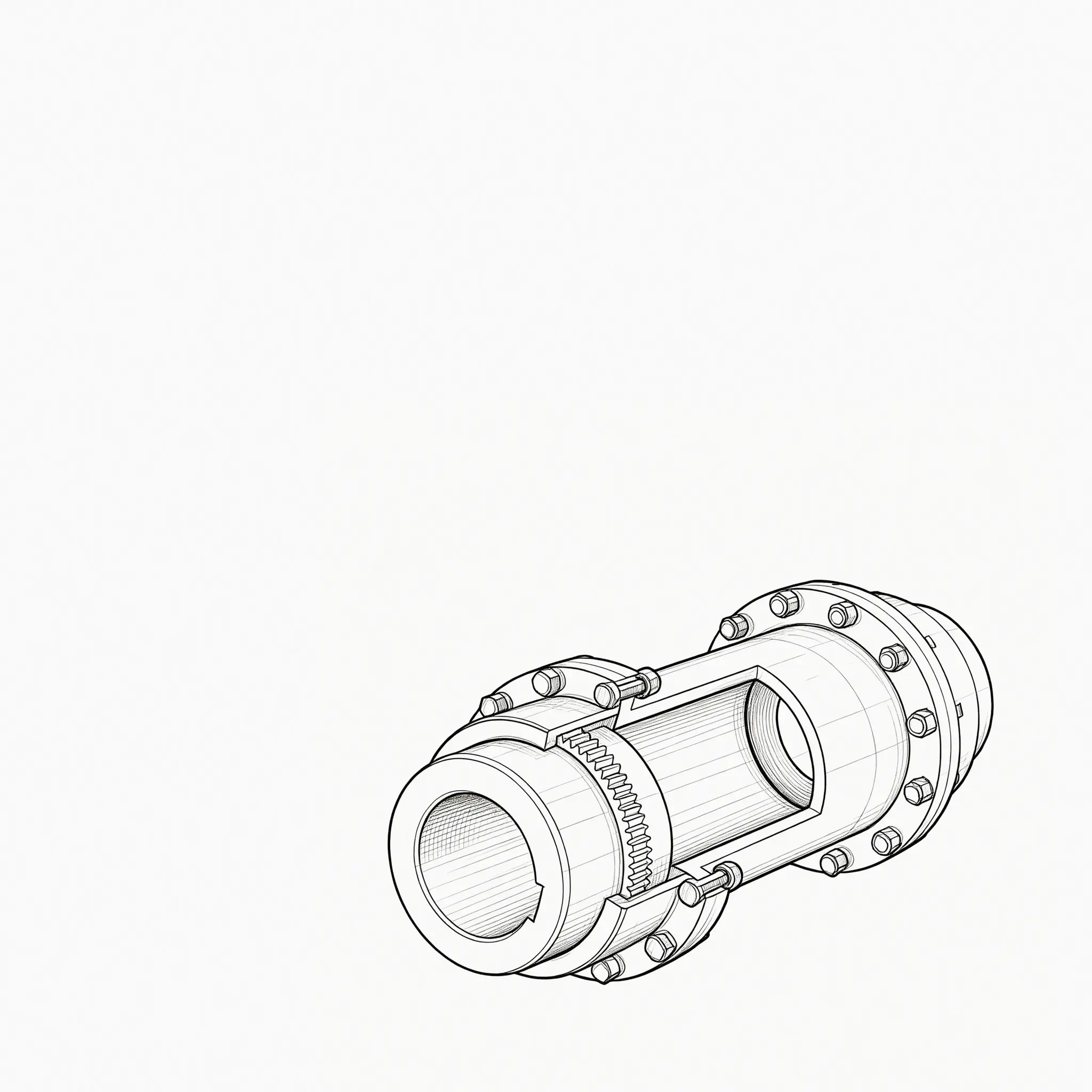
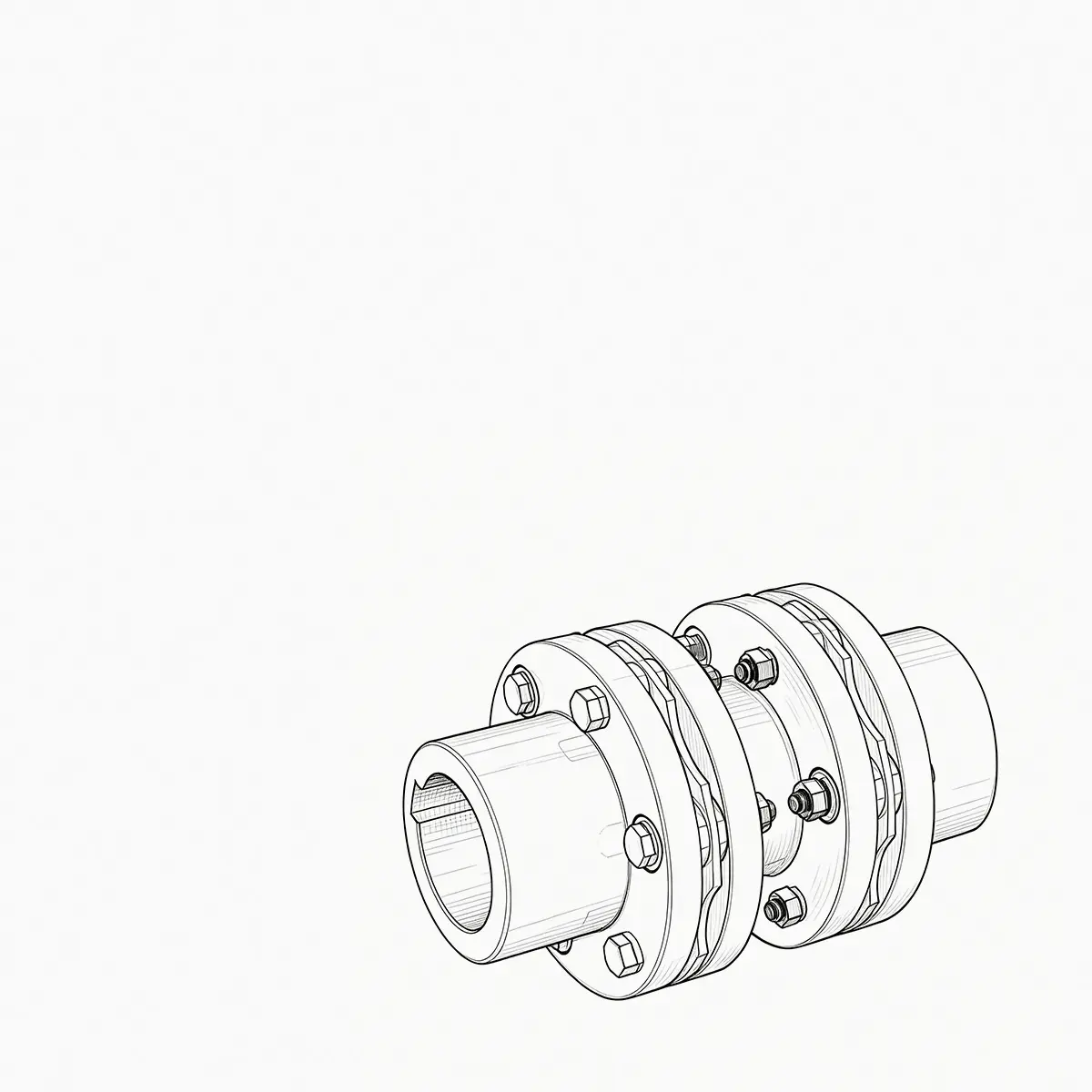
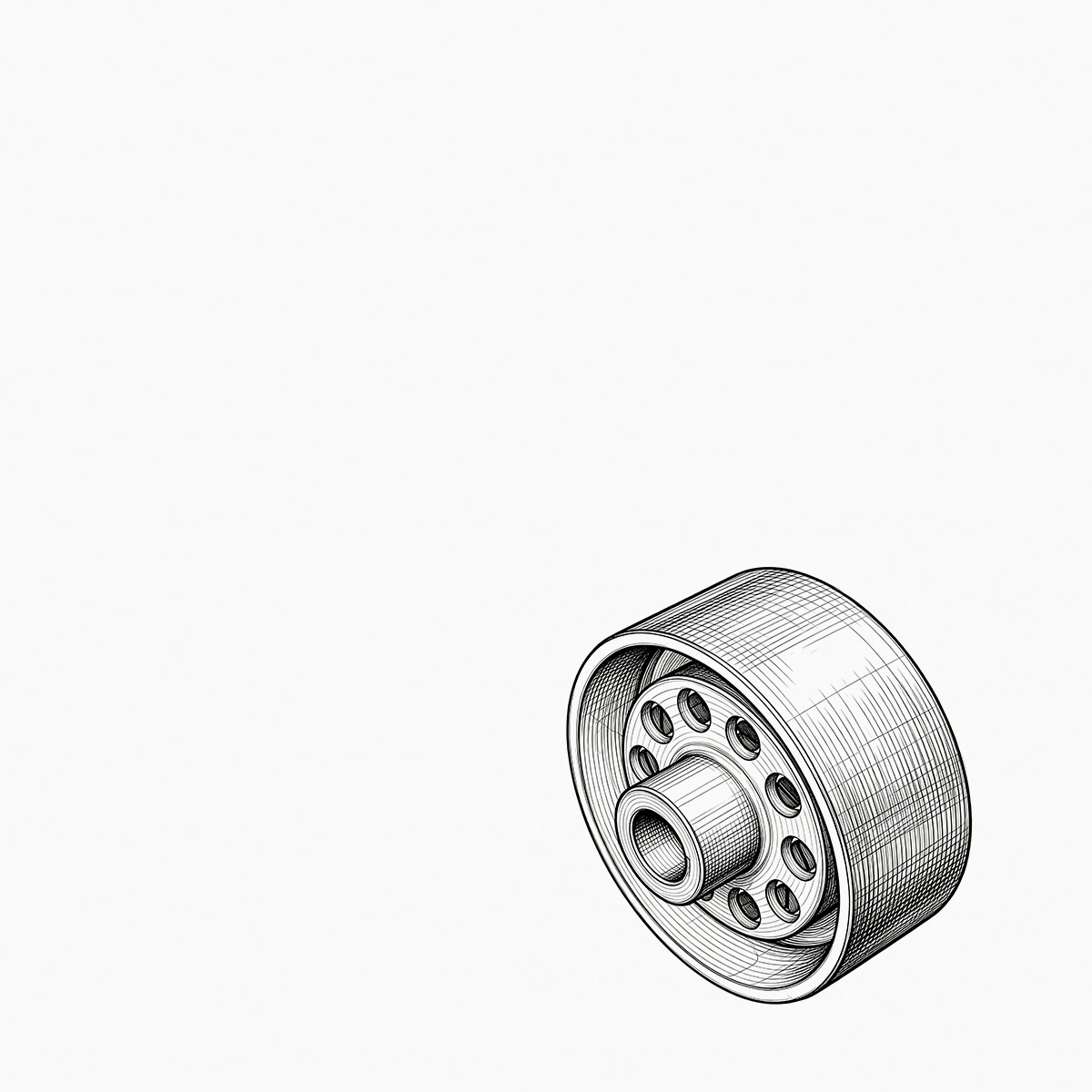
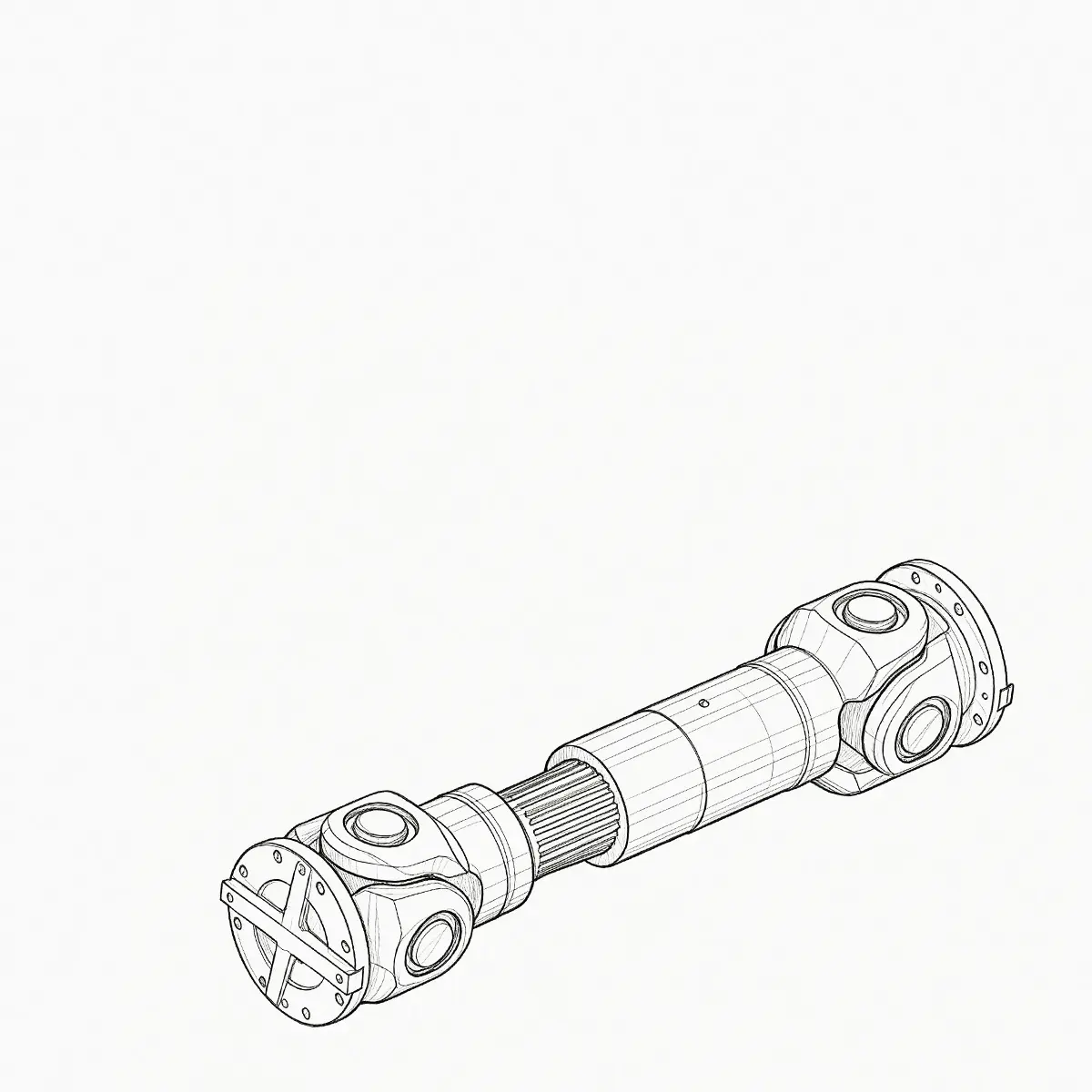

Industrial Couplings: The Definitive Technical Encyclopedia – Classification, Sizing, Failure Prevention, and Lifecycle...
READ MORE
JMII Double-Diaphragm Coupling: Precision Torque Transmission for Demanding Industrial Systems
Admin 2026-09-09Content
- 1 1. The Role of a Coupling in an Industrial Transmission System
- 2 2. Product Construction and Operating Principle
- 3 3. How the JMII Coupling Compensates for Misalignment
- 4 4. Advantages Over Conventional Coupling Designs
- 4.1 4.1 No Non-Metallic Elastic Insert
- 4.2 4.2 Improved High- and Low-Temperature Suitability
- 4.3 4.3 Corrosion and Environmental Resistance
- 4.4 4.4 Low Backlash and Accurate Motion Transmission
- 4.5 4.5 No Lubrication Requirement for the Flexible Element
- 4.6 4.6 Compact Installation
- 4.7 4.7 Stable Dynamic Performance
- 5 5. Comparison with Other Common Coupling Categories
- 6 6. Applications in Industrial Machinery
- 7 7. Manufacturing Strengths and Quality Control
- 8 8. Installation and Commissioning Considerations
- 9 9. Maintenance and Service Life
- 10 10. Selecting the Right Configuration
- 11 11. Why Partner with an Experienced Coupling Manufacturer?
- 12 12. Practical Benefits for Equipment Owners
- 13 13. Frequently Asked Questions
- 13.1 Q1: What is the JMII Double-Diaphragm Coupling?
- 13.2 Q2: Why is it called a double-diaphragm coupling?
- 13.3 Q3: Is the JMII coupling made with rubber or nylon?
- 13.4 Q4: What are the main advantages of the stainless-steel disc design?
- 13.5 Q5: Can the coupling compensate for shaft misalignment?
- 13.6 Q6: Is the JMII coupling suitable for high-precision equipment?
- 13.7 Q7: Does the coupling require regular lubrication?
- 13.8 Q8: What equipment can use this coupling?
- 13.9 Q9: Can the coupling be customized?
- 13.10 Q10: What should be checked before ordering?
- 13.11 Q11: How does the coupling compare with an elastomeric coupling?
- 13.12 Q12: How does it compare with a gear coupling?
- 13.13 Q13: Does a flexible coupling eliminate the need for alignment?
- 13.14 Q14: What manufacturing strengths support the product?
- 14 14. Conclusion
- 15 References
- 16 Product: JMII Double-Diaphragm Coupling
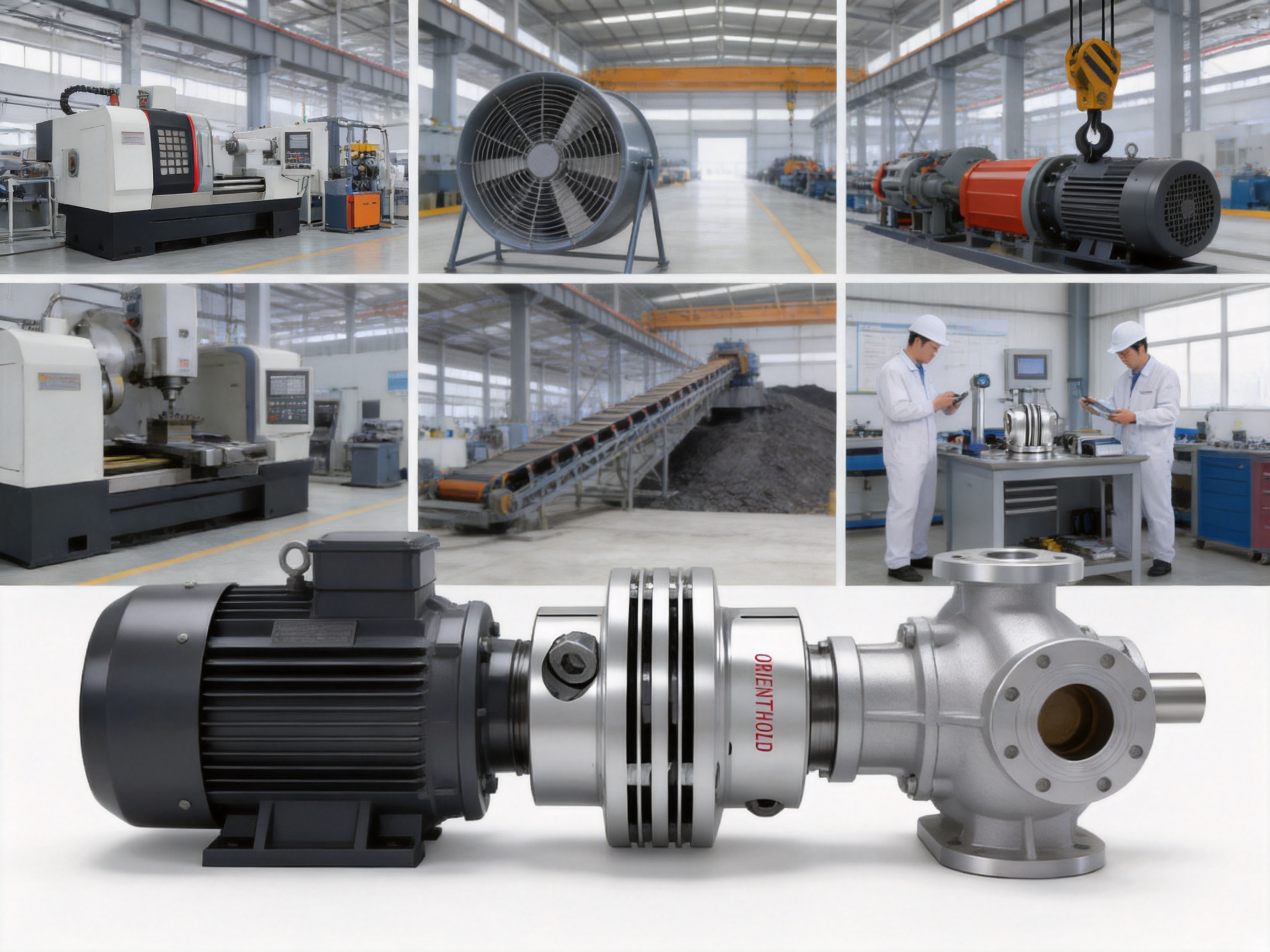
Modern industrial machinery increasingly depends on transmission components that can operate accurately, reliably, and continuously under changing loads. A coupling may appear to be a relatively small part of a complete machine, yet its influence on overall performance is considerable. It connects a driving shaft to a driven shaft, transfers torque, accommodates inevitable alignment errors, and helps protect connected equipment from excessive mechanical stress. When the coupling is poorly selected, the result may be vibration, premature bearing wear, inaccurate positioning, unplanned downtime, or repeated maintenance.
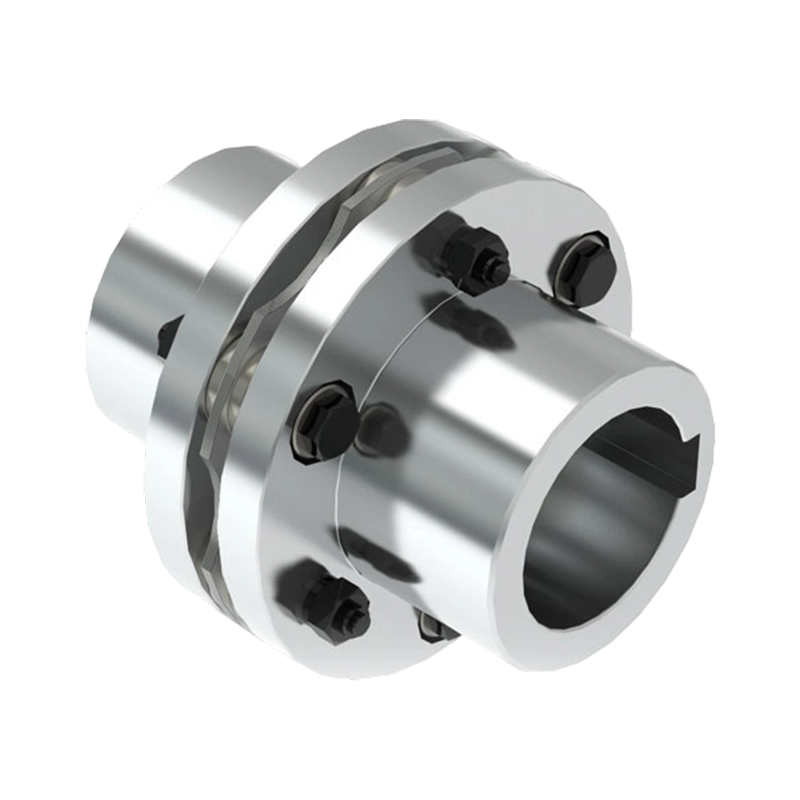
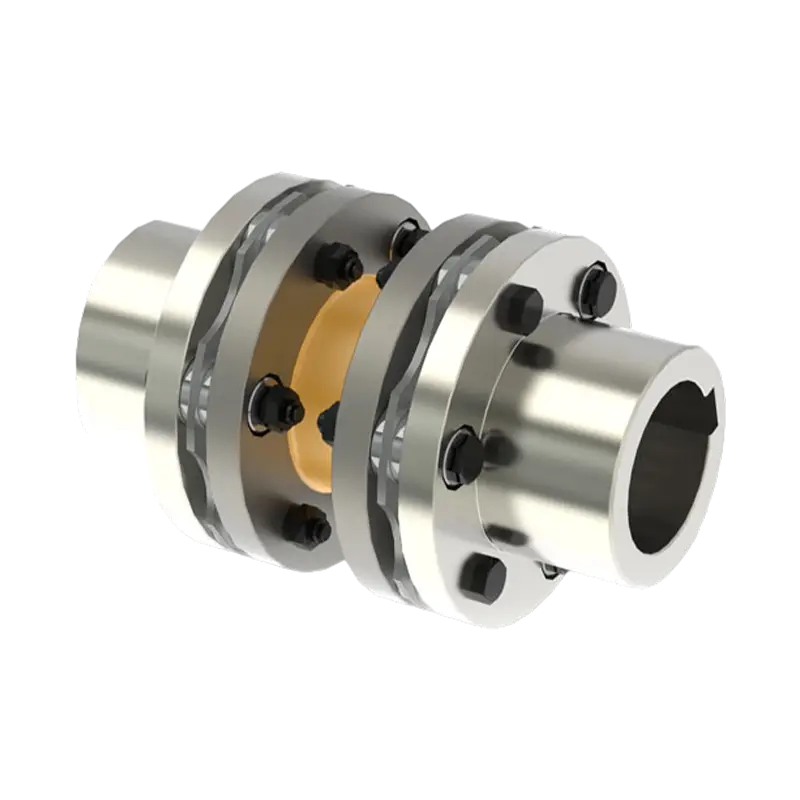
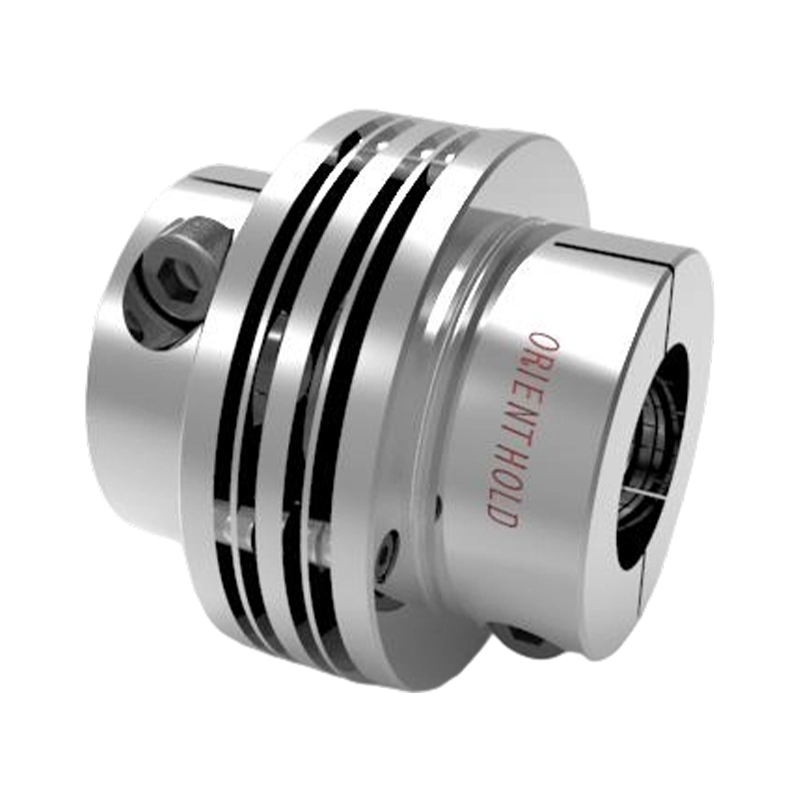
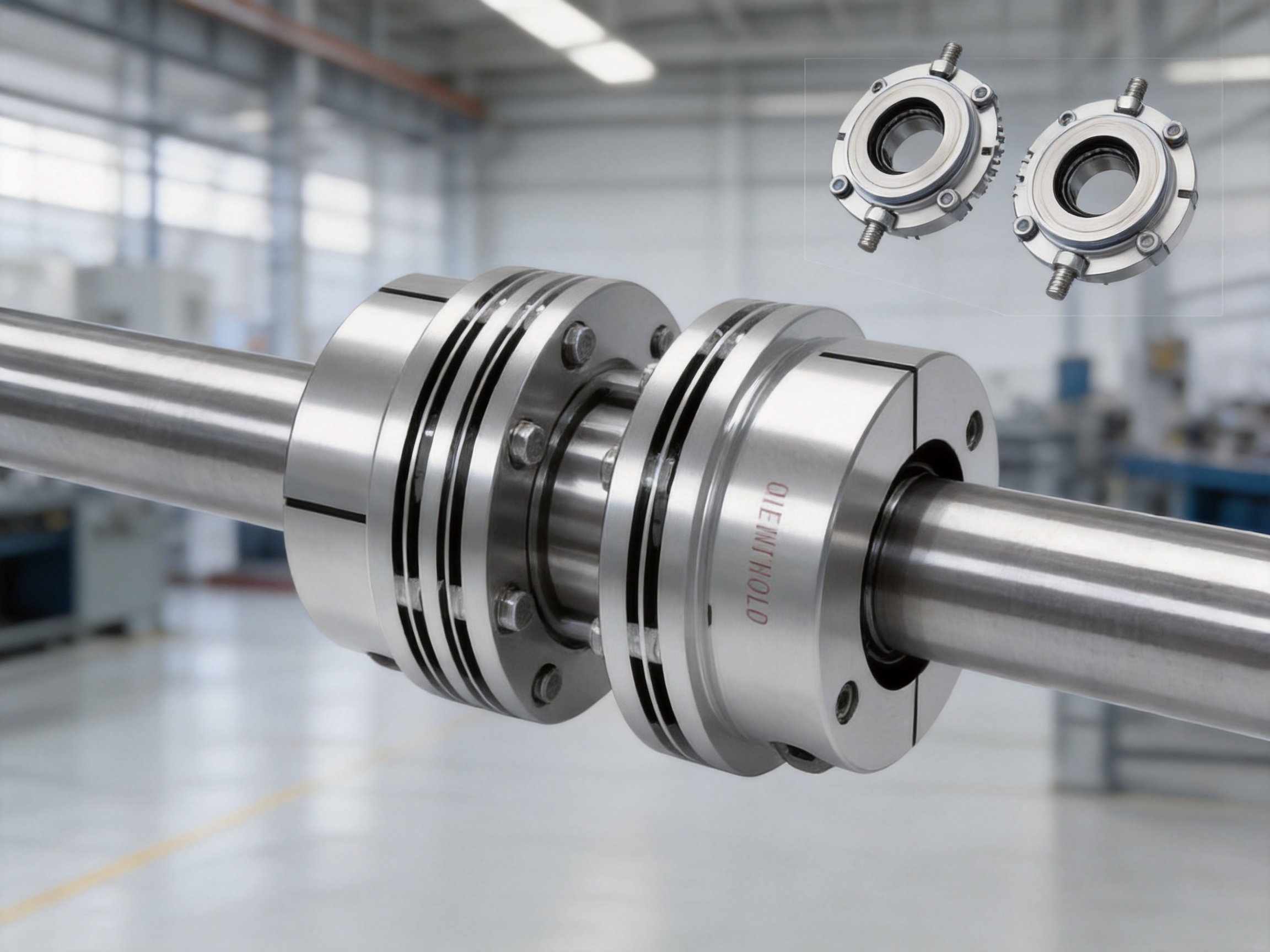
The JMII Double-Diaphragm Coupling is a high-performance metal disc coupling developed for these demanding conditions. Its structure combines two sets of stainless-steel diaphragm or disc components with two half couplings connected through bolts. The single-piece, non-sunk-hole design creates a compact transmission solution for systems where the available distance between shafts is limited. At the same time, its flexible metal disc assemblies compensate for axial, radial, and angular shaft misalignment without relying on rubber, nylon, or other non-metallic elastic elements.
This design makes the coupling suitable for industrial automation, machine tools, fans, pumps, transportation equipment, metallurgy, mining, construction machinery, and hoisting systems. Its all-metal construction offers advantages in temperature resistance, corrosion resistance, service stability, and maintenance requirements when compared with many conventional elastomeric or pin-based couplings. It also provides a practical answer for applications requiring accurate torque transmission and predictable mechanical behavior.
JMII Double-Diaphragm Coupling
1. The Role of a Coupling in an Industrial Transmission System
A coupling is installed between a power source and a driven mechanism. The power source may be an electric motor, servo motor, turbine, engine, or another rotating machine, while the driven mechanism may be a pump, fan, gearbox, compressor, conveyor, rolling system, machine-tool spindle, or hoisting device. The coupling transfers rotational torque from one shaft to the other while allowing the complete system to function as a connected mechanical unit.
In an ideal design, the two shafts would be perfectly aligned and would rotate under identical conditions. In actual equipment, perfect alignment is difficult to achieve. Manufacturing tolerances, foundation deformation, thermal expansion, bearing clearance, installation error, and changing operating loads can all create shaft misalignment. This misalignment may occur in three primary forms: axial misalignment, radial or parallel misalignment, and angular misalignment.
Axial misalignment occurs when the shafts move toward or away from each other along their common centerline. Radial misalignment occurs when the centerlines of the two shafts are parallel but offset. Angular misalignment occurs when the centerlines intersect at an angle rather than remaining parallel. A practical coupling must accommodate these movements without generating excessive reaction forces or losing its ability to transmit torque.
The coupling must also satisfy several competing requirements. It should be sufficiently rigid to transmit torque efficiently, yet flexible enough to compensate for alignment errors. It should have low backlash where precision positioning is important, but it must also withstand repeated cyclic loading. It should resist fatigue, but it should not introduce excessive vibration. It should be compact, easy to install, and economical to maintain.
The JMII Double-Diaphragm Coupling addresses these requirements through the elastic deformation of precision stainless-steel disc assemblies. Instead of depending on a soft non-metallic insert to absorb movement, the coupling uses carefully arranged metal sheets to provide controlled flexibility. This allows the transmission behavior to remain stable over a broad range of industrial operating environments.
2. Product Construction and Operating Principle
2.1 Double-Diaphragm Architecture
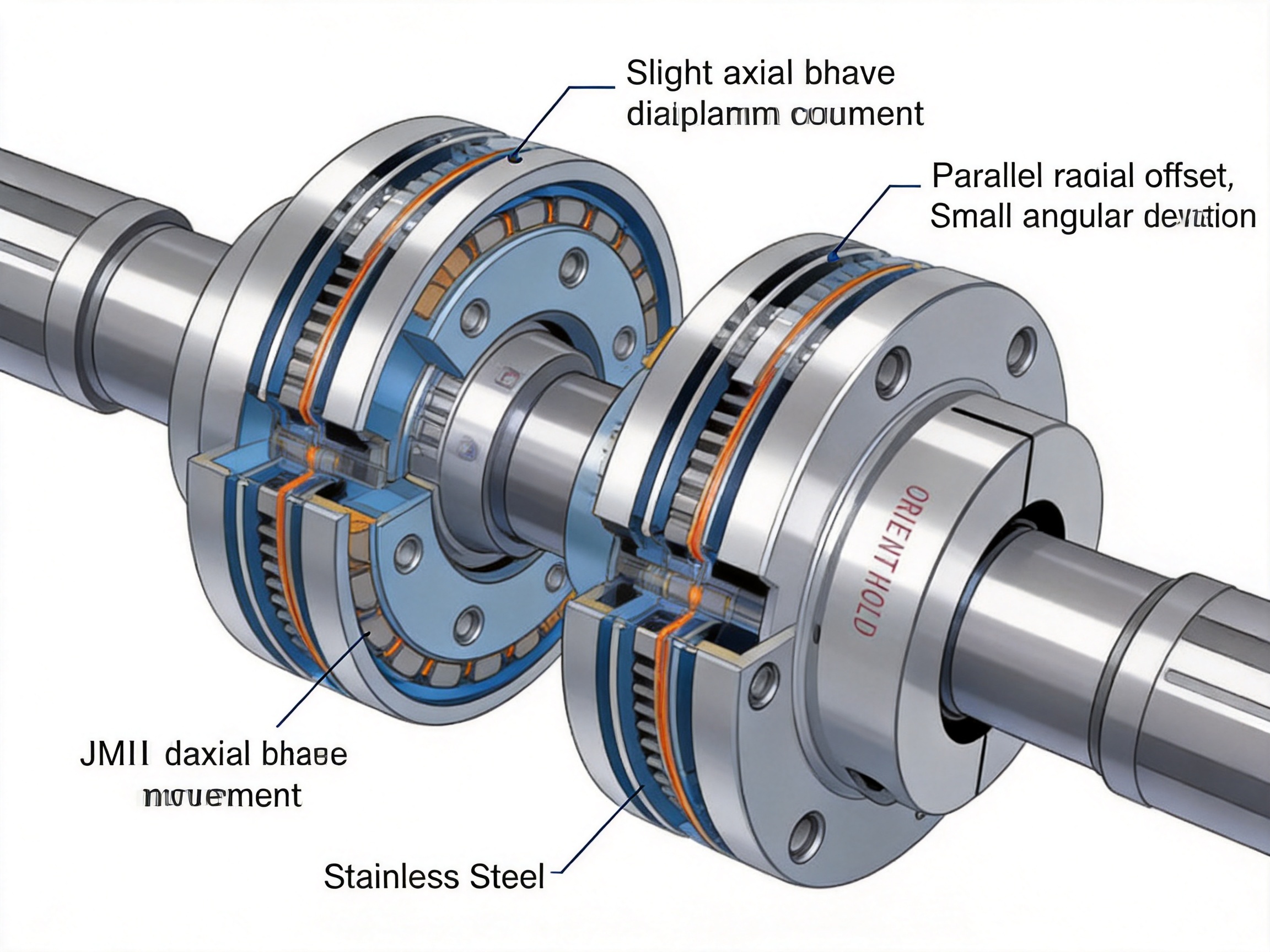
The JMII coupling consists primarily of two half couplings and two sets of stainless-steel disc components. The disc sets are connected alternately with bolts, creating a flexible mechanical connection between the two shaft ends. The double-diaphragm arrangement distributes the effects of misalignment across two flexible sections rather than concentrating all movement at a single point.
This arrangement is important because it separates the coupling’s torque-transmission function from its misalignment-compensation function. The bolted connection carries torque through the metal assembly, while the thin stainless-steel discs flex within their designed elastic range to accommodate shaft movement. Because the deformation is controlled and distributed, the coupling can maintain a stable connection while reducing the possibility of excessive localized stress.
The disc components are produced from multiple layers of stainless-steel sheets with typical thicknesses ranging from 0.2 to 0.6 millimeters. Depending on the specific configuration, the disc assemblies may use a link-style or full-plate style. These structural options allow the coupling to be adapted to different transmission requirements, installation conditions, and performance expectations.
2.2 Single-Piece, Non-Sunk-Hole Design
A distinctive feature of the JMII Series is its single-piece design without a sunk hole. This structure is intended for applications with shorter transmission distances, where a compact coupling is preferred. By reducing unnecessary structural complexity, the design can help conserve installation space and simplify the arrangement of connected machinery.
Compactness is especially valuable in machine tools, automation equipment, pump assemblies, and other systems where the distance between shafts is restricted. A shorter coupling arrangement can support more efficient equipment layout, reduce interference with surrounding components, and make inspection or replacement easier. The compact form also supports the design of machinery in which the coupling must fit inside a limited guard or housing.
The non-sunk-hole configuration also contributes to a direct and clean force-transmission path. Rather than depending on a recessed structural arrangement, the coupling uses the coordinated connection of its half couplings, bolts, and disc assemblies. This helps maintain a straightforward mechanical design while supporting high-precision applications.
2.3 Stainless-Steel Disc Components
The stainless-steel discs are the core flexible elements of the product. Their thin, layered construction allows them to undergo controlled elastic deformation. This deformation compensates for axial, radial, and angular misalignment while preserving torque transmission between the shafts.
Stainless steel is well suited to this role because it combines mechanical strength with corrosion resistance and stable elastic behavior. Compared with many polymeric materials, stainless steel is less affected by temperature changes, aging, oil exposure, and general industrial contamination. The discs therefore provide a more predictable service response in applications where the operating environment is demanding.
The layered construction also provides design flexibility. The number, shape, and arrangement of discs can be selected according to the required torque capacity, flexibility, shaft arrangement, and service conditions. Link-style and full-plate configurations provide alternative ways to balance flexibility, strength, and transmission stability.
3. How the JMII Coupling Compensates for Misalignment
3.1 Axial Misalignment
Axial movement can arise from thermal expansion, shaft positioning, bearing movement, or changes in machine structure. If the coupling is unable to accommodate this movement, the connected equipment may experience unwanted thrust loads. These loads can be transmitted to bearings, seals, gear elements, or other sensitive components.
The flexible disc packs in the JMII coupling can deform in the axial direction within their elastic range. This allows the connected shafts to experience a limited amount of axial movement without forcing the coupling to act as a rigid spacer. The result is a more tolerant transmission system that can operate with less additional axial loading caused by ordinary installation and operating changes.
3.2 Radial Misalignment
Radial or parallel misalignment occurs when two shaft centerlines are offset from one another. It may be caused by imperfect installation, foundation settlement, bearing wear, structural deflection, or thermal movement. A rigid coupling would resist this offset and produce substantial reaction forces, while a flexible coupling must absorb the movement in a controlled manner.
The double-disc arrangement enables the JMII coupling to accommodate radial movement through the elastic flexing of its disc assemblies. Because the flexible sections are positioned on both sides of the central connection, the movement can be shared across the coupling rather than being concentrated at one disc pack. This supports smooth operation and helps reduce the mechanical burden on connected shafts and bearings.
3.3 Angular Misalignment
Angular misalignment occurs when the two connected shafts are not collinear. It may be present after installation or develop because of changing loads, thermal gradients, or equipment movement. Angular misalignment can cause cyclical bending forces and vibration if it is not properly accommodated.
The stainless-steel disc sets flex to allow the shafts to operate at a small angle relative to one another. Their controlled elastic response helps the coupling maintain torque transmission while reducing the harmful effects associated with angular error. Proper alignment remains essential, but the coupling provides an important operational tolerance that conventional rigid connections cannot offer.
3.4 Combined Misalignment
In real equipment, axial, radial, and angular misalignment rarely occur independently. A pump shaft may move axially during thermal expansion while also experiencing a small angular offset. A machine-tool drive may be exposed to installation tolerance and dynamic deflection at the same time. The coupling therefore must accommodate combined movement, not just one isolated form of error.
The JMII Double-Diaphragm Coupling is designed as a flexible metal coupling capable of compensating for the combined effects of these misalignment types within its allowable operating limits. This capability supports more stable operation and helps engineers design transmission systems that remain reliable under practical, changing conditions.
4. Advantages Over Conventional Coupling Designs
4.1 No Non-Metallic Elastic Insert
Many traditional flexible couplings use rubber, nylon, polyurethane, or another polymeric component to provide flexibility. These materials can be effective in suitable environments, but their service life may be influenced by temperature, humidity, oil, chemicals, ultraviolet exposure, and natural aging. Over time, an elastomer may harden, soften, crack, swell, or lose its original flexibility.
The JMII coupling uses an all-metal transmission structure and does not depend on a non-metallic elastic insert. This removes a common source of material aging and reduces concerns about the replacement of rubber or plastic elements. The metal disc components can maintain more consistent mechanical behavior across a wider range of operating conditions, provided the coupling is correctly selected and operated.
4.2 Improved High- and Low-Temperature Suitability
Elastomeric coupling elements can experience significant changes in flexibility when exposed to high or low temperatures. A material that performs well at room temperature may become too soft at elevated temperatures or too brittle in cold conditions. Such changes can affect torque transmission, vibration behavior, and alignment compensation.
The stainless-steel disc structure of the JMII coupling is better suited to applications requiring stable performance across changing temperatures. Although every application still requires a review of operating temperature and material compatibility, the absence of a rubber or nylon insert provides a valuable advantage in environments where temperature variation is a concern.
4.3 Corrosion and Environmental Resistance
Industrial equipment may operate in humid, dusty, chemically exposed, or contaminated environments. Non-metallic coupling components can deteriorate when exposed to oils, solvents, cleaning agents, or aggressive atmospheres. Stainless steel generally provides better resistance to corrosion and environmental degradation than many ordinary coupling insert materials.
This characteristic is useful in chemical engineering, metallurgy, mining, transportation, and outdoor or semi-outdoor equipment. It can help maintain the integrity of the flexible elements and reduce the frequency of replacement caused by environmental damage. The exact corrosion performance depends on the specific stainless-steel grade, operating medium, and maintenance conditions, so application-specific evaluation remains important.
4.4 Low Backlash and Accurate Motion Transmission
Precision systems require the driving shaft and driven shaft to respond together without excessive lost motion. Backlash can reduce positioning accuracy, cause delays in reversing motion, and create vibration during alternating operation. Couplings that use clearance-dependent or worn flexible elements may experience an increase in backlash over time.
The bolted metal disc construction of the JMII coupling supports direct torque transmission and controlled flexibility. When properly installed, it can provide low-backlash performance suitable for applications where motion accuracy and repeatability are important. This makes it a strong candidate for machine tools, industrial automation, and other precision transmission systems.
4.5 No Lubrication Requirement for the Flexible Element
Many gear couplings require periodic lubrication to limit tooth wear and maintain smooth operation. Some other coupling designs include wear components that must be inspected and replaced at regular intervals. The JMII coupling’s disc assemblies operate through elastic deformation rather than sliding tooth contact or a sacrificial elastomeric insert.
As a result, the flexible disc element does not require the same type of routine lubrication associated with gear couplings. This can simplify maintenance planning, reduce the possibility of lubricant contamination, and improve cleanliness around sensitive machinery. The shaft hubs, bolts, guards, and surrounding equipment should still be inspected according to the system’s maintenance program.
4.6 Compact Installation
The single-piece, non-sunk-hole design is particularly beneficial where installation space is limited. A compact coupling can reduce the overall length of the drive assembly and provide more freedom when arranging bearings, guards, housings, and other components. It may also simplify access during installation and inspection.
In comparison with longer or more complex coupling arrangements, the JMII design is well suited to short transmission distances. Its compact structure does not eliminate the need for correct alignment, but it can make the overall equipment package more efficient and easier to integrate.
4.7 Stable Dynamic Performance
Coupling balance and structural consistency are important in rotating machinery. Excessive unbalance can create vibration, increase bearing loads, and reduce the service life of connected equipment. The JMII coupling uses a symmetrical metal-disc architecture and a direct bolted connection to support stable rotation.
For high-speed applications, the complete coupling assembly must be correctly balanced and installed according to the applicable design requirements. When these conditions are met, the coupling can support smooth torque transmission and help limit vibration generated by the connection itself.
5. Comparison with Other Common Coupling Categories
Different coupling families are designed for different operating priorities. There is no single coupling that is ideal for every machine. Gear couplings may offer high torque density, elastomeric couplings may provide excellent damping, and pin or sleeve couplings may be economical for general-purpose machinery. The advantage of the JMII coupling is its balanced combination of precision, compactness, misalignment compensation, and metal-material durability.
| Coupling type | Typical flexibility source | Key advantage | Potential consideration | JMII design distinction |
|---|---|---|---|---|
| JMII double-diaphragm coupling | Elastic deformation of stainless-steel discs | Precision transmission, compact construction, and stable metal performance | Requires correct alignment, bolt installation, and selection within allowable misalignment | Uses an all-metal double-disc structure without a non-metallic insert |
| Gear coupling | Tooth engagement with lubricated sliding action | High torque capacity and compact torque density | Usually requires lubrication and periodic tooth inspection | Provides a cleaner, low-maintenance alternative where metal-disc flexibility is suitable |
| Elastomeric coupling | Compression, shear, or deformation of polymer material | Good vibration and shock absorption | Elastomer aging and temperature or chemical sensitivity may affect service life | Offers metal-based flexibility and more stable environmental performance |
| Pin and sleeve coupling | Flexible pins, bushes, or sleeves | Simple construction and broad general-purpose use | Flexible elements may wear and require replacement | Reduces dependence on replaceable non-metallic wear elements |
| Tire coupling | Deformation of a rubber tire element | Strong vibration isolation and shock absorption | Requires space and may be affected by temperature, aging, and chemical exposure | Provides a more compact precision-oriented metal solution |
The comparison shows that the JMII coupling is not intended to replace every other coupling design. Instead, it is especially valuable when an application prioritizes accurate torque transmission, low maintenance, resistance to material aging, compact dimensions, and controlled compensation of shaft misalignment.
6. Applications in Industrial Machinery
6.1 Industrial Automation
Automation equipment often requires repeatable positioning, fast acceleration and deceleration, frequent start-stop cycles, and accurate synchronization between components. Excessive coupling backlash or variable flexibility can reduce positioning accuracy and create instability in servo-driven systems.
The JMII coupling provides a low-backlash metal connection with controlled flexibility. Its compact structure can also support the integration of motors, gearboxes, ball screws, rollers, and other transmission elements within limited machine frames. For automated production lines, the reduced need for replacement of elastomeric components can support more predictable maintenance planning.
6.2 Machine Tools
Machine tools place high demands on precision, rigidity, speed, and vibration control. The coupling must transmit motor torque accurately while accommodating small assembly errors and operational movement. It should also avoid introducing unnecessary compliance or backlash into the drive system.
The JMII double-diaphragm arrangement is suitable for applications in which the connection between the motor and driven spindle or auxiliary transmission must remain compact and precise. Its metal-disc construction can provide reliable performance in a clean industrial environment, while its ability to compensate for misalignment helps protect connected bearings and shafts.
6.3 Fans and Pumps
Fans and pumps commonly experience continuous operation, changing loads, and shaft movement caused by thermal effects or equipment vibration. A coupling used in these systems must withstand long operating periods while maintaining stable torque transfer.
The JMII coupling can be applied to fan and pump drives where its misalignment compensation and low-maintenance construction are appropriate. Its resistance to aging is particularly useful when the equipment is expected to operate for extended periods or when frequent shutdowns for coupling-element replacement would be costly.
6.4 Transportation and Conveying Equipment
Transportation and conveying systems may include rollers, drive units, gearboxes, elevators, and other rotating machinery. These installations can be exposed to dust, vibration, repeated loading, and structural movement. A coupling must be robust enough to withstand the operating environment while remaining serviceable.
The stainless-steel disc design provides a practical option for transmission systems that require dependable operation and reduced dependence on polymeric elements. It can be considered for equipment used in material handling, transportation machinery, and related industrial systems after torque, speed, environmental, and misalignment requirements have been reviewed.
6.5 Metallurgy, Mining, and Construction Equipment
Metallurgical, mining, and construction equipment often operates under heavy loads and challenging environmental conditions. Dust, temperature variation, impact, vibration, and difficult maintenance access can all increase the demands placed on a coupling.
In these sectors, the JMII coupling’s all-metal design can reduce concerns associated with the aging or deterioration of rubber and plastic components. Its compact configuration may also simplify equipment layout. For severe-duty applications, engineers must verify the required torque, peak loads, speed, operating temperature, shaft dimensions, and allowable misalignment before final selection.
6.6 Hoisting Equipment
Hoisting machinery requires dependable torque transmission because drive failure can interrupt production and create significant safety risks. Couplings in cranes, lifting systems, and related equipment must be selected with attention to load cycles, starting torque, braking conditions, shock loads, and service factors.
The JMII coupling may be appropriate for selected hoisting and crane-drive applications where accurate metal-disc transmission and controlled misalignment compensation are desired. The complete system must be engineered carefully, and the coupling should not be treated as a substitute for proper braking, overload protection, guarding, or safety procedures.
7. Manufacturing Strengths and Quality Control
7.1 Integrated Design and Production Capability
The manufacturer behind the JMII coupling is a medium-sized industrial enterprise specializing in couplings and papermaking machinery. Its business combines product design, production, testing, and service. This integrated structure is valuable because coupling performance depends not only on the basic concept but also on dimensional accuracy, material quality, machining consistency, assembly control, and final inspection.
Design and production teams can work together to evaluate application requirements and translate them into a suitable coupling configuration. This is particularly important for custom precision couplings, where shaft diameter, keyway arrangement, transmission distance, speed, torque, misalignment, and environmental conditions may differ from standard catalog assumptions.
7.2 Advanced Production Equipment
Reliable disc coupling production requires consistent machining and forming processes. The half couplings must be manufactured accurately so that the shaft connection, bolt pattern, concentricity, and balance remain within the required tolerances. The stainless-steel discs must also be produced and assembled carefully to preserve their intended flexibility and load distribution.
Advanced production equipment supports repeatable manufacturing, accurate dimensional control, and efficient processing of different coupling sizes and configurations. It also helps the manufacturer respond to customized requirements without sacrificing consistency. For industrial buyers, this capability is important because a coupling is often part of a larger system with strict interface and installation constraints.
7.3 Comprehensive Inspection and Testing
The company operates under a strict quality supervision system and maintains complete inspection and testing equipment. Such a system can include dimensional inspection, material verification, bolt and assembly checks, surface inspection, runout measurement, and other evaluations appropriate to the coupling design and customer requirements.
Quality control should cover the entire manufacturing chain rather than only the final product. Incoming material inspection helps verify the stainless-steel disc material and other components. In-process inspection confirms machining and forming accuracy. Assembly inspection verifies the correct arrangement and tightening of the disc packs and bolts. Final inspection ensures that the finished coupling meets the specified technical and interface requirements.
7.4 Compliance with Applicable Standards
The manufacturer states that its products comply with national standards. Standards-based production provides a foundation for consistent dimensions, technical documentation, material control, and quality expectations. It also helps customers evaluate products within their own engineering, procurement, and maintenance systems.
For international projects, buyers should confirm the exact standards, inspection documents, material certificates, balance requirements, and acceptance criteria applicable to their equipment. The manufacturer’s technical team can support the preparation of the required documentation and the customization of the product to meet project-specific expectations.
7.5 Technical Service and Customization
A coupling should be selected as part of a complete transmission system, not simply by comparing outside diameter or nominal torque. The manufacturer provides pre-sales consultation and customization support to help customers determine an appropriate design. This service may include reviewing shaft dimensions, connection methods, operating speed, torque characteristics, temperature, installation space, and misalignment conditions.
Customization is especially useful for equipment manufacturers, engineering contractors, and maintenance departments replacing an existing coupling with a non-standard interface. A suitable replacement may require modified bore dimensions, keyways, bolt patterns, spacer lengths, materials, surface treatments, or other design details.
The company also provides flexible logistics and payment options, as well as maintenance support. These services can be important for international customers managing delivery schedules, spare parts, project coordination, and after-sales requirements across different locations.
8. Installation and Commissioning Considerations
8.1 Verify the Technical Data
Before installation, the user should confirm that the selected coupling is suitable for the motor power, nominal torque, peak torque, rotational speed, shaft diameters, bore lengths, keyways, and operating environment. The coupling should also be checked against starting and stopping conditions, reversing operation, cyclic loads, and possible overloads.
The required misalignment values should be identified in advance. A flexible coupling is designed to compensate for a limited amount of misalignment; it is not intended to correct major installation errors. Excessive misalignment can cause continuous disc stress, fatigue, vibration, and premature failure.
8.2 Prepare the Shaft Ends
Shaft ends should be clean, free of burrs, and within the specified dimensional tolerances. Keyways, shoulders, threads, and retaining features should be checked before the coupling is mounted. Any oil, dirt, paint, or corrosion that could affect seating or concentricity should be removed.
The coupling bores should be inspected to ensure that they match the shaft dimensions. For interference or clearance fits, the installation method should follow the applicable engineering instructions. Excessive force should not be applied directly to the disc packs, because the flexible elements are designed for controlled operating deformation rather than installation impact.
8.3 Align the Connected Equipment
Initial shaft alignment is essential even when a flexible coupling is used. The motor and driven machine should be positioned so that the shaft centerlines are as close as practical to the specified alignment condition. Dial indicators, laser alignment tools, or other suitable instruments may be used depending on the precision required.
Alignment should be checked in both the horizontal and vertical planes. Soft foot, foundation movement, loose mounting bolts, bearing condition, and thermal growth should also be considered. Correct alignment reduces the continuous load placed on the disc assemblies and improves the service life of the entire drive system.
8.4 Inspect the Bolted Connections
The bolts connecting the disc sets and half couplings are critical load-bearing elements. They should be clean, correctly positioned, and tightened using the specified sequence and torque. Incorrect bolt tightening can create uneven load distribution, local stress concentration, or loosening during operation.
During commissioning, the coupling should be rotated manually when possible to confirm that there is no interference, binding, or abnormal resistance. After the first operating period, the user should inspect the mounting condition, surrounding guard, bolt security, and signs of unusual vibration or contact.
8.5 Use Appropriate Guarding
Rotating couplings must be protected by suitable guards in accordance with applicable workplace safety requirements. The guard should prevent contact with rotating parts while allowing sufficient space for normal movement, ventilation, inspection, and maintenance. The coupling should never be operated in an exposed condition where personnel could contact the rotating assembly.
9. Maintenance and Service Life
The JMII coupling is designed to reduce maintenance requirements, but low maintenance does not mean no inspection is necessary. A regular inspection program helps identify abnormal conditions before they develop into equipment failure. Inspection frequency should be based on operating speed, load severity, duty cycle, environment, and the importance of the connected machine.
During inspection, users should look for loose or damaged bolts, corrosion, cracks, permanent deformation, unusual disc marks, fretting, excessive vibration, and contact between the coupling and guard. Any change in operating noise or temperature should also be investigated. If the coupling is subjected to an overload or sudden impact, it should be inspected before the equipment is returned to normal service.
The stainless-steel discs should remain within their intended elastic operating range. Permanent deformation, visible cracking, or significant surface damage may indicate that the coupling has experienced excessive misalignment, overload, resonance, incorrect assembly, or another abnormal condition. Damaged disc elements should not be repaired by unapproved welding, drilling, or reshaping.
Because the flexible elements do not rely on rubber or nylon, users can avoid routine replacement associated with many elastomeric couplings. Nevertheless, metal components can still experience fatigue if exposed to repeated excessive stress. Correct selection, alignment, bolt installation, and inspection remain the most important factors in achieving long service life.
10. Selecting the Right Configuration
10.1 Torque and Service Factor
The first selection consideration is the torque required by the driven equipment. Engineers should evaluate both normal operating torque and peak or transient torque. Starting, braking, reversing, impact loading, and cyclic operation may produce torque levels considerably higher than the continuous value.
A suitable service factor should be applied according to the operating conditions. Heavy-duty equipment, frequent starts, shock loads, and irregular duty cycles generally require a higher design margin than smooth, continuously running machinery. The coupling should be selected using verified manufacturer data rather than an estimate based only on motor power.
10.2 Speed and Dynamic Balance
Rotational speed affects coupling stress, vibration, and balance requirements. High-speed systems require particular attention to concentricity, runout, bolt arrangement, and dynamic balance. The coupling’s rated speed must be compatible with the complete rotating assembly, including the shafts, hubs, and connected equipment.
10.3 Shaft and Bore Dimensions
The coupling must fit the shafts securely and maintain the required axial position. Bore size, keyway dimensions, hub length, shaft extension, and retaining method should all be verified. If standard dimensions do not match the machinery, a customized design can be considered.
10.4 Misalignment and Thermal Movement
Expected radial, angular, and axial movement should be estimated during equipment design. Thermal expansion is particularly important when the motor and driven machine operate at different temperatures or are mounted on structures with different expansion characteristics.
The coupling should be selected with adequate misalignment capacity, but the allowable values should not be treated as normal alignment targets. The objective is to install the shafts accurately and use the coupling’s flexibility to accommodate unavoidable operating movement.
10.5 Environmental Conditions
Temperature, humidity, dust, chemicals, washdown procedures, and surrounding media all influence coupling selection. The stainless-steel disc construction is advantageous in many challenging environments, but the complete coupling, including bolts, hubs, keyways, and surface treatments, must be evaluated as a system.
11. Why Partner with an Experienced Coupling Manufacturer?
Product quality is influenced by more than the design shown in a drawing. It also depends on material sourcing, production control, machining accuracy, assembly discipline, inspection capability, and technical communication. An experienced manufacturer can help customers avoid mismatches between the coupling and the rest of the transmission system.
Orienthold Machinery combines coupling manufacturing with the production of papermaking machinery. This broader industrial background contributes to an understanding of demanding rotating equipment, continuous production environments, and the importance of dependable mechanical transmission. Its products are used in transportation, metallurgy, chemical engineering, mining, construction, and hoisting industries, as well as by large enterprises in different markets.
The company’s technical capabilities support both standard products and custom precision coupling requirements. Customers can obtain assistance with product selection, interface dimensions, application analysis, documentation, logistics, and maintenance support. This one-stop approach can reduce communication gaps between design, purchasing, installation, and service teams.
For original equipment manufacturers, customized coupling production can help ensure that the coupling matches the machine architecture from the beginning. For maintenance departments, engineering support can help identify the causes of repeated coupling failure, such as excessive misalignment, incorrect bolt tightening, overload, resonance, or unsuitable environmental conditions.
12. Practical Benefits for Equipment Owners
Equipment owners evaluate couplings not only by purchase price but also by total operating cost. A coupling that requires frequent replacement, lubrication, alignment correction, or emergency shutdowns may be more expensive over its life than a precision coupling with a higher initial cost.
The JMII design can help reduce total maintenance demands by eliminating common non-metallic flexible inserts, minimizing the need for lubrication of the flexible element, and providing stable performance under changing environmental conditions. Its compact structure may also reduce the physical size of the transmission package and simplify equipment integration.
Reliable misalignment compensation can support longer bearing and shaft life by reducing unnecessary reaction forces. Accurate torque transmission can improve machine response and reduce lost motion. Stable metal components can provide more consistent behavior over time than materials that gradually age or change hardness.
These advantages are most valuable when the coupling is correctly matched to the application. Product selection, installation, guarding, alignment, and scheduled inspection should be considered together as part of a complete reliability strategy.
13. Frequently Asked Questions
Q1: What is the JMII Double-Diaphragm Coupling?
The JMII Double-Diaphragm Coupling is a high-performance metal disc coupling that connects two shafts, transmits torque, and compensates for axial, radial, and angular misalignment. It uses two sets of stainless-steel disc components and two half couplings connected alternately with bolts.
Q2: Why is it called a double-diaphragm coupling?
The coupling contains two flexible disc or diaphragm assemblies. These assemblies distribute shaft movement across two flexible sections and allow the coupling to accommodate misalignment while maintaining torque transmission.
Q3: Is the JMII coupling made with rubber or nylon?
No. The coupling uses an all-metal structure based on stainless-steel disc components. It does not rely on rubber, nylon, or another non-metallic elastic insert for its primary flexibility.
Q4: What are the main advantages of the stainless-steel disc design?
The stainless-steel disc design provides controlled elastic deformation, accurate torque transmission, resistance to material aging, improved suitability for temperature variation, and reduced dependence on replaceable polymeric elements. It can also support low-backlash operation in precision systems.
Q5: Can the coupling compensate for shaft misalignment?
Yes. The flexible disc assemblies are designed to compensate for axial, radial, and angular misalignment within the allowable limits of the selected model. The shafts should still be aligned as accurately as possible during installation.
Q6: Is the JMII coupling suitable for high-precision equipment?
It is suitable for many high-precision applications, including industrial automation and machine tools, because its bolted metal construction supports accurate torque transmission and low-backlash performance. Final suitability depends on speed, torque, dimensions, misalignment, and the complete machine design.
Q7: Does the coupling require regular lubrication?
The stainless-steel disc assemblies do not require the same lubrication routine as gear coupling teeth. However, the complete installation should still be inspected regularly, including bolts, hubs, shaft connections, guards, and signs of vibration or damage.
Q8: What equipment can use this coupling?
Potential applications include industrial automation equipment, machine tools, fans, pumps, transportation machinery, metallurgy equipment, mining machinery, construction equipment, crane drives, and hoisting systems. The coupling must be selected according to the actual operating conditions.
Q9: Can the coupling be customized?
Customization may be available for shaft bores, keyways, bolt patterns, dimensions, materials, and other interface requirements. Customers should provide technical information such as torque, speed, shaft dimensions, operating temperature, misalignment, and installation space.
Q10: What should be checked before ordering?
Users should confirm continuous and peak torque, rotational speed, shaft diameters, bore and keyway requirements, shaft spacing, axial movement, radial and angular misalignment, temperature, corrosion exposure, duty cycle, and any applicable balance or inspection requirements.
Q11: How does the coupling compare with an elastomeric coupling?
An elastomeric coupling may provide strong vibration damping, but its flexible element can age or change properties because of temperature, chemicals, and long-term use. The JMII coupling uses stainless-steel discs, offering more stable metal-based behavior and reduced reliance on a replaceable polymeric element.
Q12: How does it compare with a gear coupling?
A gear coupling can provide high torque capacity but commonly requires tooth lubrication and periodic inspection. The JMII coupling uses flexible metal discs instead of lubricated gear teeth, making it attractive where clean operation, compactness, precision, and lower routine maintenance are priorities.
Q13: Does a flexible coupling eliminate the need for alignment?
No. Flexibility provides operating tolerance; it does not replace proper installation. Excessive misalignment can produce fatigue, vibration, and premature damage. Accurate alignment is essential for achieving the expected coupling life.
Q14: What manufacturing strengths support the product?
The manufacturer integrates design, production, testing, and service. It has advanced equipment, comprehensive inspection and testing methods, a strict quality supervision system, and experience supplying couplings for transportation, metallurgy, chemical engineering, mining, construction, and hoisting applications.
14. Conclusion
The JMII Double-Diaphragm Coupling provides a compact, precise, and durable solution for industrial shaft connection. Its single-piece, non-sunk-hole design is well suited to short transmission distances, while its two stainless-steel disc assemblies compensate for axial, radial, and angular misalignment. The all-metal construction avoids many limitations associated with rubber, nylon, and other non-metallic elastic components.
Compared with conventional gear, elastomeric, pin, sleeve, and tire couplings, the JMII design offers a distinct combination of low-backlash transmission, temperature stability, corrosion resistance, compact installation, and reduced flexible-element maintenance. These characteristics make it a strong option for industrial automation, machine tools, fans, pumps, transportation systems, metallurgy, mining, construction, and hoisting equipment.
The manufacturer’s integrated design and production capability, advanced equipment, comprehensive inspection methods, national-standard production, customization support, and after-sales service further strengthen the product’s value. By combining appropriate product selection with accurate alignment, controlled assembly, proper guarding, and periodic inspection, users can improve transmission reliability and reduce the long-term cost of machinery operation.
For equipment builders and industrial maintenance teams seeking a precision coupling for demanding service, the JMII Double-Diaphragm Coupling represents a dependable metal-based approach to torque transmission and shaft misalignment compensation.
References
1. General principles of mechanical power transmission and shaft coupling design.
2. Industrial practices for flexible coupling selection, installation, alignment, and maintenance.
3. Engineering guidance on fatigue behavior and elastic deformation of thin stainless-steel components.
4. Technical principles of axial, radial, and angular shaft misalignment compensation.
5. Industrial rotating machinery maintenance and vibration control practices.
6. Manufacturer-provided product information for the JMII Series Double-Diaphragm Disc Coupling.
7. Manufacturer-provided information concerning coupling production, inspection, customization, and service capabilities.
Product: JMII Double-Diaphragm Coupling
PREV: Heavy-Duty Drum Gear Couplings for High-Torque Industrial DrivesNEXT: High-Performance Diaphragm Couplings for Accurate and Reliable Power Transmission
Be the First to Know
For exclusive deals and latest offers, sign up by entering your email address below.
Related products
News
-
-
During a routine vibration survey on a high-speed compressor train, engineers found a 4.5 mm/s velocity spike at the mo...
READ MORE -
Your compressor train is running at 9,800 rpm when the vibration monitor triggers an alarm. The first component your ma...
READ MORE -
A coupling fails at 2:10 a.m. on a continuous production line. The drive train stops, alarms sound, and every idle minu...
READ MORE -
China's coupling industry is at a critical historical juncture of transformation from scale expansion to quality and eff...
READ MORE -
A rotating equipment engineer at a steel finishing mill recently described a flexible coupling that had failed twice in...
READ MORE


ABOUT US
PRODUCTS
INDUSTRIES
CONTACT US
- Phone: +86-18652865511
- Email: sales@ohmach.com
- Address: No.1, Minying Developing Zone, Zhenjiang, Jiangsu, China
Copyright Zhenjiang Orienthold Machinery Co., Ltd. All Rights Reserved.
 Custom Industrial Shaft Coupling Manufacturers