 English
 русский
 Português
 عربى

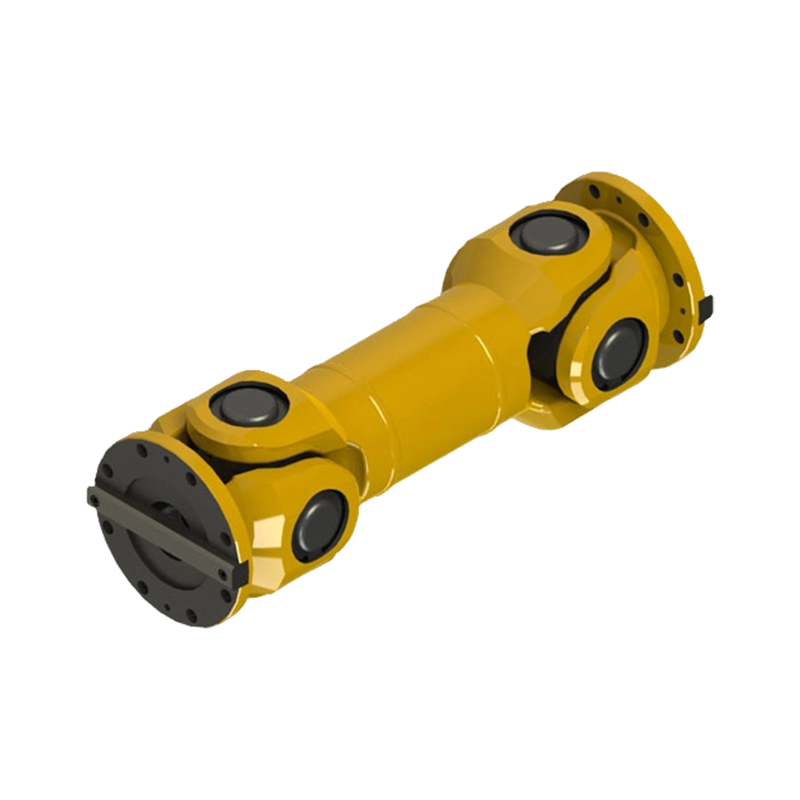
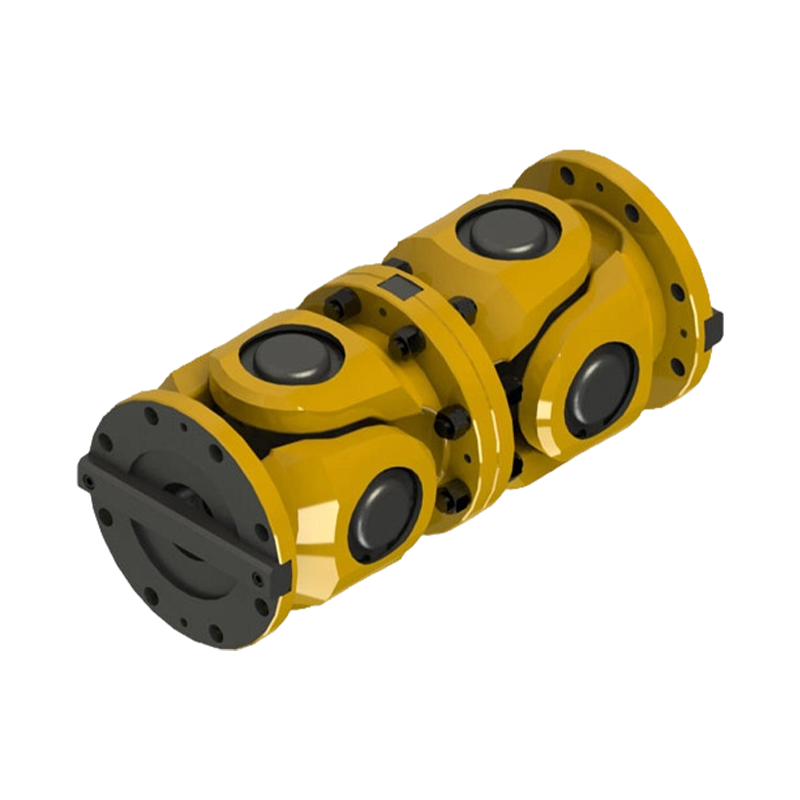
Consider a 250 kW crane hoist that begins to vibrate only when the load is lifted. The drum gear coupling is inspected ...
READ MORE
SWC-BH Standard Telescopic Welded Universal Coupling: Structure, Performance, and Industrial Applications
Admin 2026-09-15Content
- 1 1. The Role of a Universal Coupling in Heavy-Duty Machinery
- 2 2. Product Construction and Operating Principle
- 3 3. Main Advantages of the SWC-BH Coupling
- 4 4. Comparison with Conventional Coupling Designs
- 5 5. Manufacturing Process and Quality Control
- 6 6. Applications in Different Industries
- 7 7. Installation and Maintenance Recommendations
- 8 8. Why Manufacturing Expertise Matters
- 9 9. Customization and Selection Support
- 10 10. Total Cost of Ownership Benefits
- 11 11. Safety and Reliability Considerations
- 12 12. Frequently Asked Questions
- 12.1 Q1: What is the main purpose of the SWC-BH coupling?
- 12.2 Q2: What industries commonly use this coupling?
- 12.3 Q3: Why is the coupling welded instead of relying entirely on bolts?
- 12.4 Q4: What is the function of the cross bearing?
- 12.5 Q5: How does the telescopic section work?
- 12.6 Q6: Is the SWC-BH suitable for shock-load applications?
- 12.7 Q7: What information is needed to select the correct coupling?
- 12.8 Q8: Can the coupling be customized?
- 12.9 Q9: What maintenance does the coupling require?
- 12.10 Q10: What makes this coupling different from an elastomeric coupling?
- 12.11 Q11: How does the company support customers after delivery?
- 13 13. Conclusion
- 14 References
- 15 Product: SWC-BH Standard Telescopic Welded Universal Coupling
In heavy-duty mechanical transmission systems, the coupling is far more than a simple connector between two shafts. It is a precision component responsible for transferring torque, accommodating installation and operating misalignment, absorbing mechanical stress, and supporting stable operation over long production cycles. When a machine works under high loads, frequent starts and stops, vibration, impact, temperature changes, or axial movement, the quality of the coupling directly affects efficiency, reliability, maintenance requirements, and overall equipment life.
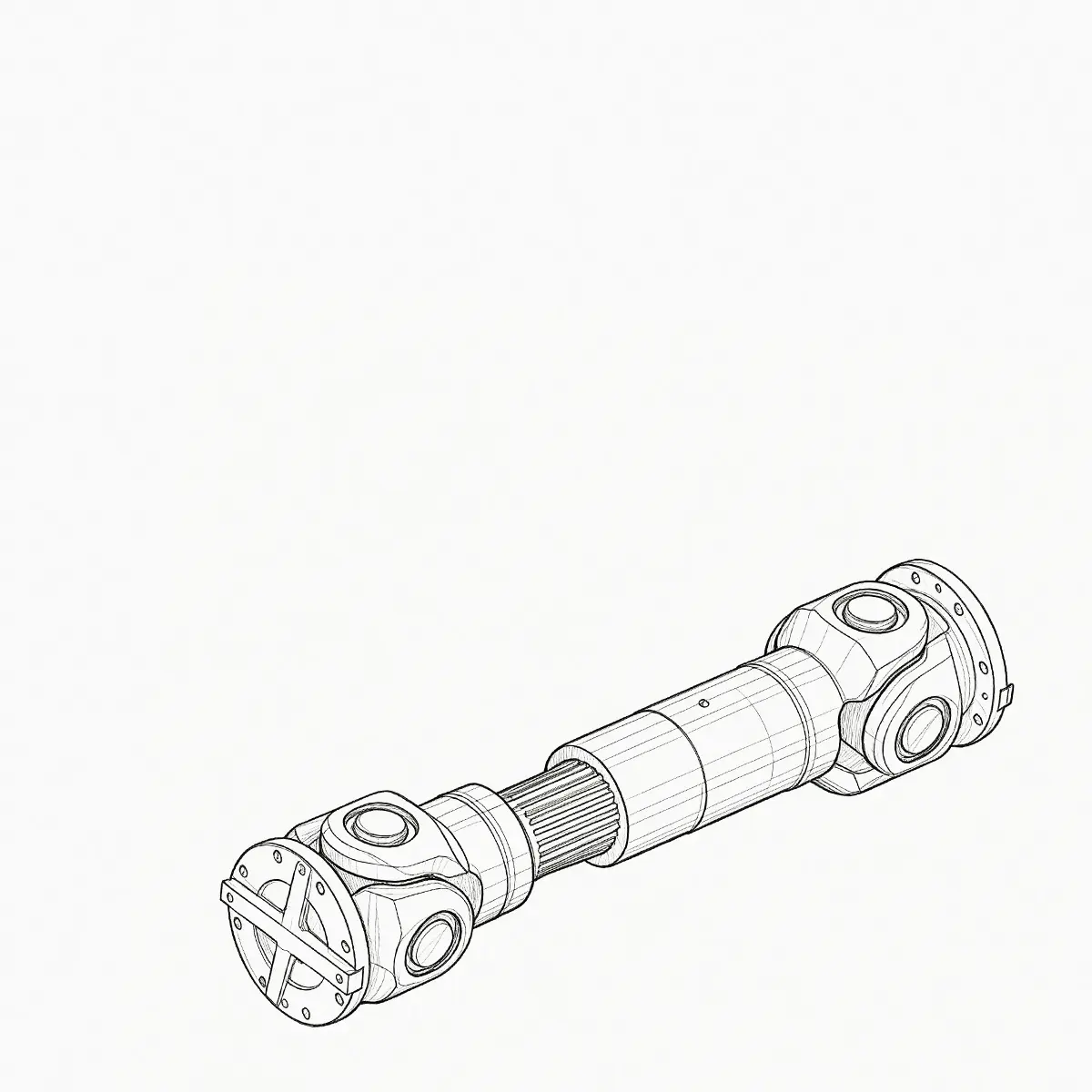
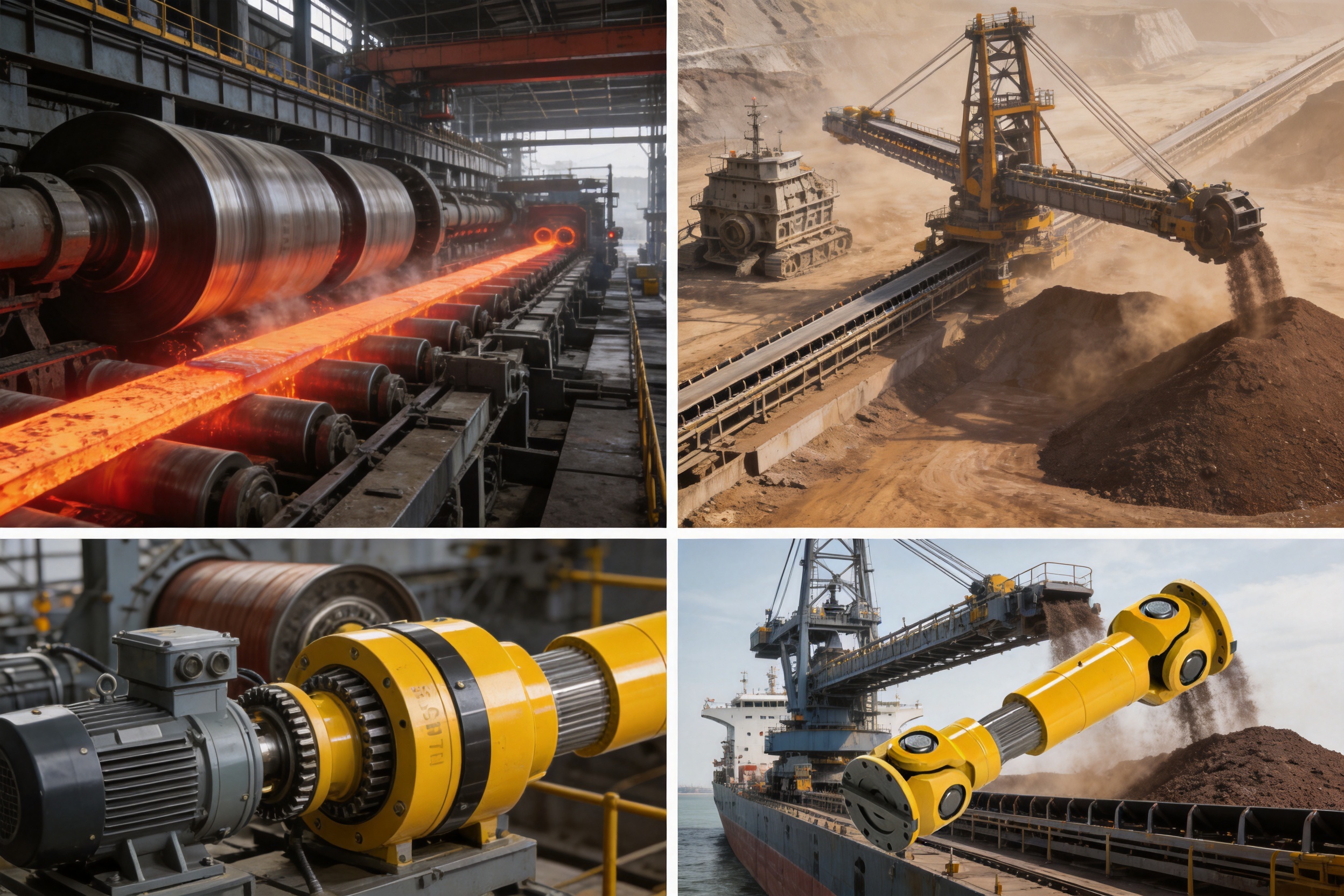
The SWC-BH Standard Telescopic Welded Universal Coupling is designed for demanding transmission duties in metallurgy, lifting equipment, mining machinery, oil-related equipment, shipping, transportation, construction, and other industrial fields. Its telescopic and welded construction allows it to manage axial movement while maintaining dependable torque transmission. At the same time, its cross universal joint structure enables angular misalignment between connected shafts, making it suitable for machinery in which shafts cannot remain perfectly aligned during operation.
Unlike basic rigid shaft connectors, the SWC-BH combines a welded body, flange yokes, sleeve yokes, cross bearings, drive splines, and spline sleeves into an integrated transmission assembly. These components cooperate to transmit motion smoothly while accommodating changes in shaft position. The result is a robust industrial coupling that can operate in complex mechanical environments where ordinary couplings may experience excessive stress, rapid wear, or frequent maintenance problems.
The product is manufactured and supplied by Zhenjiang Orienthold Machinery Co., Ltd., a specialist enterprise engaged in the production of industrial couplings and papermaking machinery. The company integrates product design, manufacturing, quality inspection, technical service, and customer support. Its products are used in transportation, metallurgy, chemical engineering, mining, construction, and hoisting applications, with solutions supplied to large industrial enterprises in different markets.
1. The Role of a Universal Coupling in Heavy-Duty Machinery
A universal coupling is installed between shafts that may operate at an angle or experience relative movement. In an ideal transmission system, two shafts would remain perfectly concentric and parallel. Real industrial equipment rarely provides such conditions. Large machines deform slightly under load, foundations may settle, structural frames may flex, and connected components can move axially as temperature and operating conditions change.
These movements can create several types of misalignment. Angular misalignment occurs when the centerlines of two shafts intersect at an angle. Axial displacement occurs when one shaft moves along its centerline in relation to the other. In some installations, the distance between shafts also changes during operation. A suitable universal coupling must accommodate these changes without interrupting torque transmission or creating excessive loads on bearings, gears, shafts, and connected machinery.
The SWC-BH coupling addresses these requirements through a cross universal joint arrangement and a telescopic spline assembly. The cross bearing allows angular movement between the yokes, while the drive spline and spline sleeve allow controlled axial movement. This combination makes the coupling suitable for heavy industrial transmission systems where conventional fixed-length or rigid couplings may not be adequate.
In addition to accommodating movement, the coupling must transmit torque with minimum energy loss. Every unnecessary clearance, weak fastening point, poorly machined spline, or inadequately hardened bearing surface can reduce transmission efficiency. For that reason, the design of the SWC-BH focuses on structural continuity, precision machining, durable materials, and stable component interaction.
2. Product Construction and Operating Principle
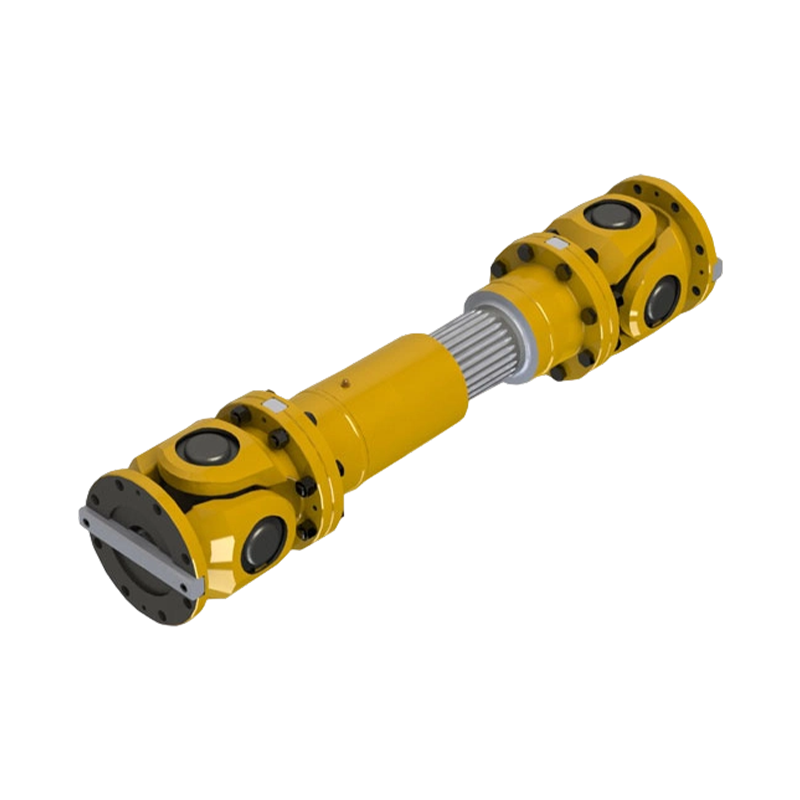
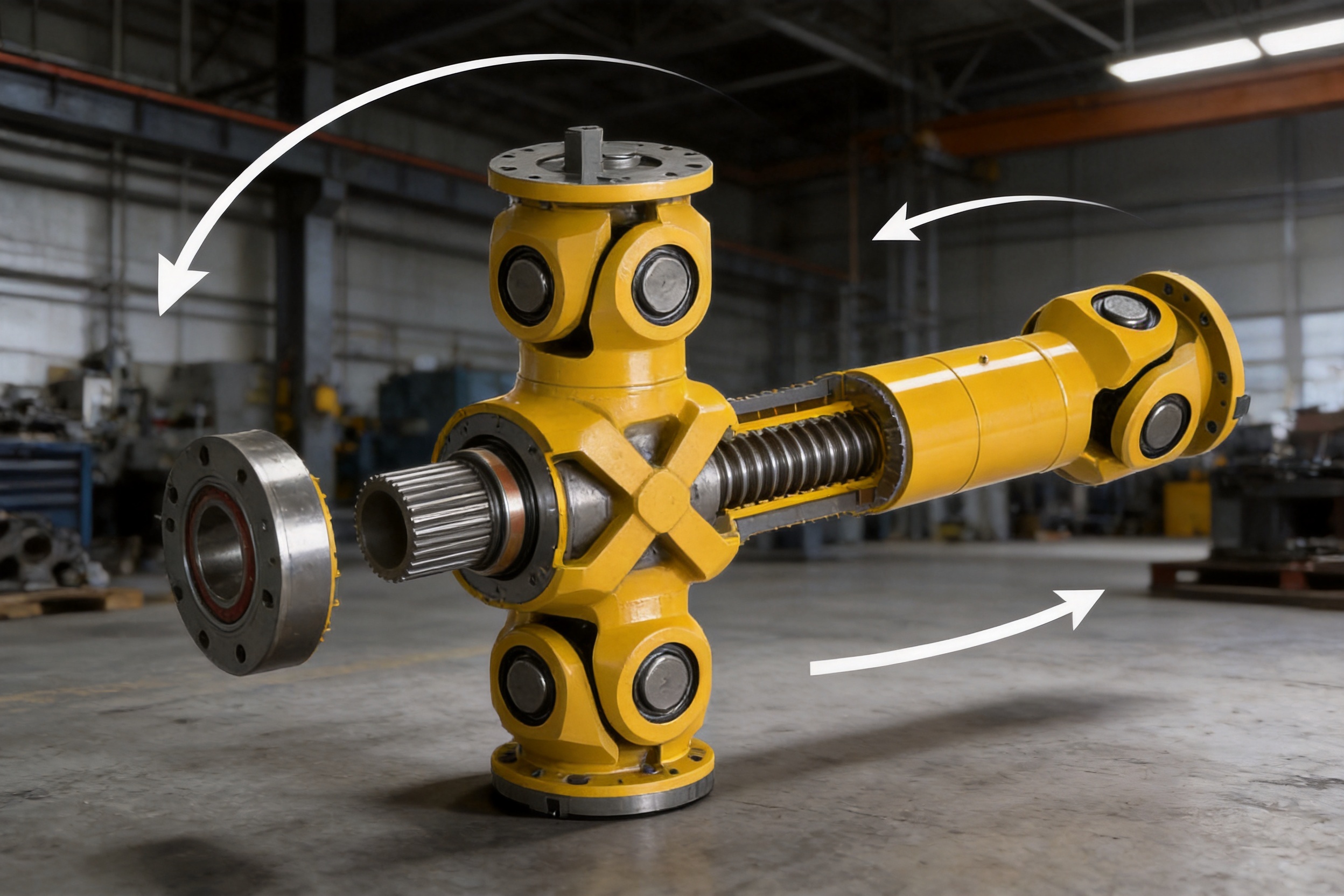
The SWC-BH Standard Telescopic Welded Universal Coupling is composed of several primary elements: flange yokes, sleeve yokes, cross bearings, drive splines, and spline sleeves. Each part performs a specific function, but the final performance depends on the accuracy and compatibility of the entire assembly.
2.1 Flange Yokes
The flange yokes provide the connection between the coupling and the shafts or flanges of the driven and driving equipment. They also form one side of the universal joint mechanism. Their geometry is designed to provide strength around the cross-bearing connection while maintaining an efficient load path through the coupling.
In a heavy-duty transmission system, a yoke must resist torque, bending forces, impact loads, and repeated changes in angular position. The integrated construction of the SWC-BH flange yoke reduces the dependence on separate fastening components. This helps create a more continuous structural body and reduces potential stress concentration around bolted connections.
2.2 Sleeve Yokes
The sleeve yokes cooperate with the flange yokes and cross bearings to form the universal joint. They also connect with the telescopic shaft section. During operation, the yoke assembly permits the shafts to operate with angular variation while continuing to transmit rotational motion.
The yoke components are manufactured to maintain accurate alignment with the cross bearing and spline assembly. This precision is important because uneven alignment can produce vibration, additional bearing loads, and accelerated wear. A properly manufactured yoke helps distribute transmitted forces more evenly through the coupling.
2.3 Cross Bearings
The cross bearing is the central transmission component of the universal joint. It connects the forked ends of the yokes and allows relative angular movement. Because the cross bearing experiences repeated rotational and oscillating loads, its material and surface condition are critical to coupling life.
For the SWC-BH coupling, the cross bearing is made from low-alloy structural steel and receives surface carburizing treatment. Carburizing increases the hardness and wear resistance of the surface while retaining toughness in the core. This combination is valuable in heavy machinery because the component must withstand shock and repeated load changes without becoming excessively brittle.
After heat treatment, precision machining helps achieve the required dimensional accuracy and surface quality. The hardened surface supports reliable contact and reduces friction-related losses. The tougher core helps the bearing resist impact loading and subsurface damage. Together, these characteristics provide a balanced performance profile for demanding industrial applications.
2.4 Drive Splines and Spline Sleeves
The drive spline and spline sleeve form the telescopic section of the coupling. Their main function is to transmit torque while permitting axial movement between connected shafts. The splined connection provides multiple contact surfaces around the circumference, allowing torque to be distributed more evenly than with a simple keyed connection.
Axial telescopic movement is particularly useful in machinery where shaft spacing changes during operation or where installation and maintenance require controlled movement. By allowing the coupling to extend and retract along its axis, the spline assembly reduces the risk that axial displacement will be transferred directly into the bearings or connected machine shafts.
Correct spline manufacturing is essential. The tooth profile, surface finish, hardness, fit, and lubrication condition all influence the service life of the telescopic assembly. Orienthold Machinery applies controlled machining and inspection practices to ensure that the spline components operate smoothly and maintain effective torque contact throughout their working range.
2.5 Welded Structural Body
The welded construction is one of the defining features of the SWC-BH design. Welding creates a strong connection between structural sections and can provide a compact, rigid body with fewer separate fastening points. In high-torque applications, a rigid welded structure helps maintain the intended geometry of the coupling and reduces deformation under load.
Compared with assemblies that rely heavily on bolts, a carefully produced welded construction can reduce the number of detachable joints that may loosen, shift, or develop clearance during repeated vibration. The elimination of certain bolt-fastened connections also reduces the risk of local weak points associated with holes, bolt preload variation, and fastener fatigue.
Welding must be supported by appropriate process control. Material preparation, joint design, welding sequence, heat input, distortion control, and inspection all affect the final quality of the product. The manufacturing process must ensure that the welded structure remains dimensionally accurate and sufficiently strong for the intended torque and operating conditions.
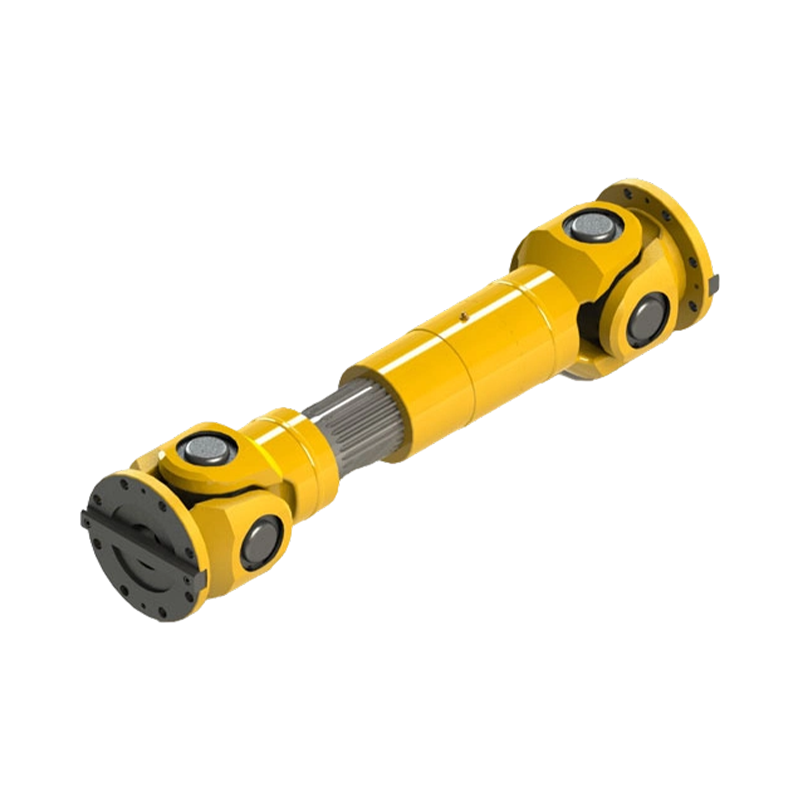
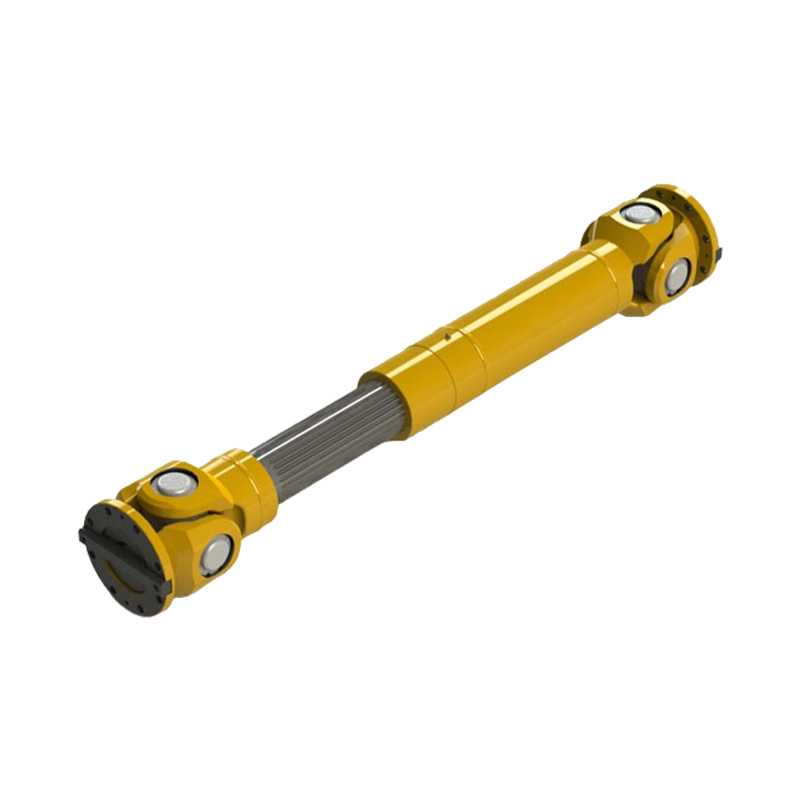
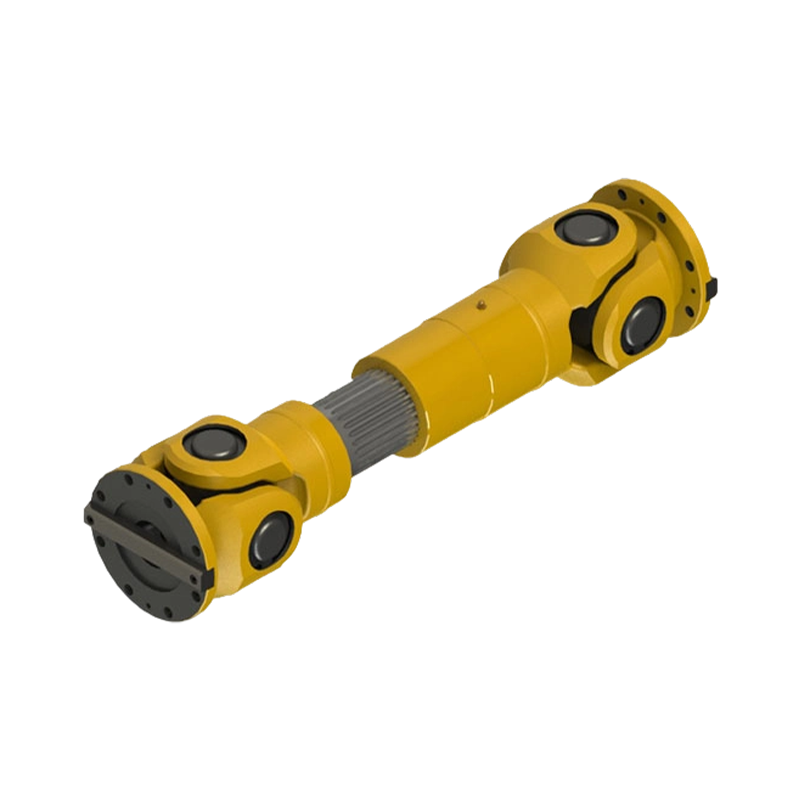
SWC-BH Standard Telescopic Welded Universal Coupling
3. Main Advantages of the SWC-BH Coupling
3.1 Capability for Angular Misalignment
The cross universal joint structure allows the coupling to transmit torque when the connected shafts operate at an angle. This feature is important in large machinery, where the drive and driven components may not be installed on the same centerline or where structural movement creates angular variation during operation.
By accommodating angular misalignment, the coupling helps reduce the transmission of unwanted bending forces into the connected equipment. This can protect shaft ends, bearings, gearboxes, motors, and other components. It also gives equipment designers greater flexibility when arranging machinery within limited installation spaces.
3.2 Telescopic Axial Movement
The telescopic spline assembly allows axial movement while maintaining torque transmission. This is a significant advantage over rigid couplings, which may impose substantial axial forces when shaft spacing changes. Axial movement can result from thermal expansion, structural deflection, machine adjustment, or operating displacement.
The telescopic design also simplifies installation and maintenance. A coupling with controlled axial movement can be positioned more easily during assembly, and connected equipment may be separated without requiring excessive dismantling. This can reduce downtime during planned maintenance and make replacement work more efficient.
3.3 Strong Torque Transmission
The SWC-BH is intended for heavy-duty torque transmission. Its yokes, cross bearings, splines, and welded body work together to create a continuous load path. The structure is designed to transmit rotational power reliably even when the operating environment includes impact loads, vibration, or periodic changes in torque.
The spline connection distributes torque across multiple teeth, while the cross-bearing arrangement supports universal movement. The welded body contributes rigidity, helping the coupling retain its mechanical shape under load. These features make the product suitable for large-scale machinery in which a coupling failure could interrupt an entire production line.
3.4 Bolt-Free Fork Connection
The forked ends of the flange yoke and sleeve yoke are connected through the cross bearing in an integrated, bolt-free arrangement. This design avoids some of the reliability concerns associated with traditional bolted fork connections. Bolts can experience loosening, fatigue, thread damage, or preload variation, especially in machines subject to vibration and impact.
Reducing the number of bolt-fastened structural points can improve mechanical continuity and lower the risk of unexpected clearance. It also simplifies the inspection process because maintenance personnel do not need to monitor as many structural fasteners for loosening or damage. The bolt-free connection is therefore both a structural and maintenance-related advantage.
3.5 Wear Resistance and Impact Strength
The carburized cross bearing combines a hard wear-resistant exterior with a tough internal structure. This is particularly beneficial where the bearing experiences alternating loads and shock. A surface that is too soft may wear quickly, while a component that is hardened throughout may be more vulnerable to cracking under impact. The selected treatment seeks to balance these competing requirements.
Precision machining after treatment further supports reliable performance. Accurate dimensions help maintain proper bearing contact, reduce uneven loading, and control friction. When combined with appropriate lubrication and regular inspection, the treated cross bearing can contribute to longer operating life and reduced maintenance frequency.
3.6 Improved Structural Rigidity
The welded connection enhances the rigidity of the coupling body. High rigidity helps the coupling resist deformation when torque rises or when the connected machinery experiences complex operating forces. Maintaining structural stiffness is important because excessive deformation can affect alignment, increase vibration, and place additional stress on bearings and spline teeth.
In high-torque applications, structural rigidity is also related to operator confidence and system stability. A coupling that retains its geometry under load can provide more predictable behavior across different operating conditions. This supports the reliable performance of the complete transmission system rather than only the coupling itself.
3.7 Reduced Maintenance Complexity
The SWC-BH design reduces maintenance complexity through its integrated yoke structure, robust welded body, and controlled telescopic assembly. Fewer vulnerable fastening points mean fewer components requiring routine tightening or replacement. The strong cross-bearing material and precision-machined components can also reduce the frequency of corrective maintenance when the coupling is correctly selected and serviced.
Maintenance requirements still depend on operating conditions. Lubrication, alignment checks, inspection of spline wear, examination of bearing seals, and monitoring of vibration remain important. However, a coupling designed with fewer structural weak points can make these maintenance activities more manageable and predictable.
4. Comparison with Conventional Coupling Designs
Different coupling types are suitable for different mechanical conditions. A rigid coupling may offer simple torque transmission but has limited ability to accommodate misalignment. An elastomeric coupling can provide damping and flexibility but may be affected by temperature, chemical exposure, aging, or high shock loads. A gear coupling can transmit high torque and accommodate misalignment, but it generally requires careful lubrication and inspection of toothed components.
The SWC-BH occupies a distinct position among these solutions. It is intended for systems that require universal angular movement, telescopic axial displacement, and high mechanical strength. Its cross universal construction offers movement capability, while its welded body and carburized bearing components support heavy-duty durability.
| Performance Requirement | SWC-BH Telescopic Welded Universal Coupling | Potential Limitation of Basic Conventional Designs |
|---|---|---|
| Angular shaft movement | Supported through the cross universal joint and yoke assembly | Rigid couplings have limited tolerance for angular misalignment |
| Axial displacement | Managed through the drive spline and spline sleeve | Rigid designs may transfer axial forces into connected equipment |
| High torque operation | Supported by the welded body, yokes, cross bearing, and spline connection | Light-duty flexible designs may not be suitable for severe shock loads |
| Shock-load resistance | Enhanced by the tough core of the carburized cross bearing | Overly hard or lightweight components may be more vulnerable to impact |
| Structural connection | Integrated and bolt-free fork connection | Bolted joints may require additional monitoring for loosening |
| Maintenance requirements | Fewer structural fasteners and robust transmission components | More detachable parts can increase inspection and adjustment tasks |
| Industrial suitability | Metallurgy, lifting, mining, oil, shipping, transportation, and construction | Some coupling types are limited by environment, torque, or movement conditions |
This comparison does not mean that one coupling design is appropriate for every machine. Selection must consider torque, speed, shaft diameter, angle, axial travel, installation conditions, lubrication, temperature, environment, and service factor. However, where heavy loads and complex shaft movement occur together, the SWC-BH provides a strong combination of flexibility and structural durability.
5. Manufacturing Process and Quality Control
5.1 Engineering Design and Application Assessment
A dependable coupling begins with correct engineering. Before production, the application should be assessed according to transmitted torque, rotational speed, shaft dimensions, angular movement, axial displacement, load variation, operating temperature, installation arrangement, and environmental conditions. These factors determine the required structural dimensions, material selection, spline design, bearing configuration, and protective measures.
Orienthold Machinery combines product design capability with manufacturing experience. This allows the company to provide more than a standard catalog item when an application requires special dimensions, connection arrangements, or operating adaptations. Engineering communication during the early stage helps ensure that the selected coupling matches the actual machine rather than only the nominal shaft size.
5.2 Material Preparation
Material quality affects the strength, durability, and dimensional stability of the finished coupling. Low-alloy structural steel is used for the cross bearing because it can provide a useful combination of strength, toughness, hardenability, and machinability. Materials for yokes, welded sections, splines, and sleeves must also be selected according to their load-bearing and manufacturing requirements.
Material preparation includes identification, cutting, forming, and preliminary inspection. Controlling these stages helps prevent defects from entering later processes. For critical components, material traceability and inspection records can support consistent production and customer quality documentation.
5.3 Precision Machining
Machining establishes the dimensions and geometry that allow the coupling components to work together. The yoke bores, cross-bearing seats, spline teeth, flange surfaces, and connecting features must be produced within appropriate tolerances. Poor machining can lead to uneven contact, excessive clearance, vibration, and premature wear.
Modern machining equipment supports repeatable production and improves consistency between batches. Skilled technicians and process engineers remain important because the correct tooling, machining sequence, clamping method, and inspection plan must be selected for each component. Precision machining is especially significant after heat treatment, when controlled finishing may be required to achieve final dimensional accuracy.
5.4 Welding Process Control
The welded construction of the SWC-BH requires careful process management. Before welding, joint surfaces must be clean and properly prepared. Welding parameters should be selected according to material type and section thickness. Heat input must be controlled to reduce distortion and to maintain suitable mechanical properties in and around the weld.
Welding sequence is also important. An unsuitable sequence can pull the structure out of alignment and create additional machining or correction requirements. Fixtures and positioning tools help maintain dimensional stability during welding. After welding, visual inspection and appropriate non-destructive or dimensional checks can be used to verify structural integrity and accuracy.
5.5 Carburizing and Heat Treatment
The cross bearing receives surface carburizing treatment to improve its wear resistance. During carburizing, carbon is introduced into the surface layer of the steel, followed by heat treatment that develops a hardened exterior. The process must be carefully controlled because surface hardness, case depth, distortion, and core properties all influence the performance of the finished bearing.
A successful treatment produces a surface capable of resisting repeated contact and friction while preserving a tougher interior that can absorb shock. Quality control may include hardness testing, dimensional inspection, metallographic examination, and verification of heat-treatment records. These checks help confirm that the component has achieved the intended balance of hardness and toughness.
5.6 Assembly and Functional Inspection
During assembly, the cross bearings, yokes, splines, sleeves, and other components must be installed in the correct orientation and with suitable fits. The assembly process should prevent contamination, damage to sealing surfaces, and improper lubrication. Technicians inspect movement, clearances, rotational smoothness, and alignment as the coupling is assembled.
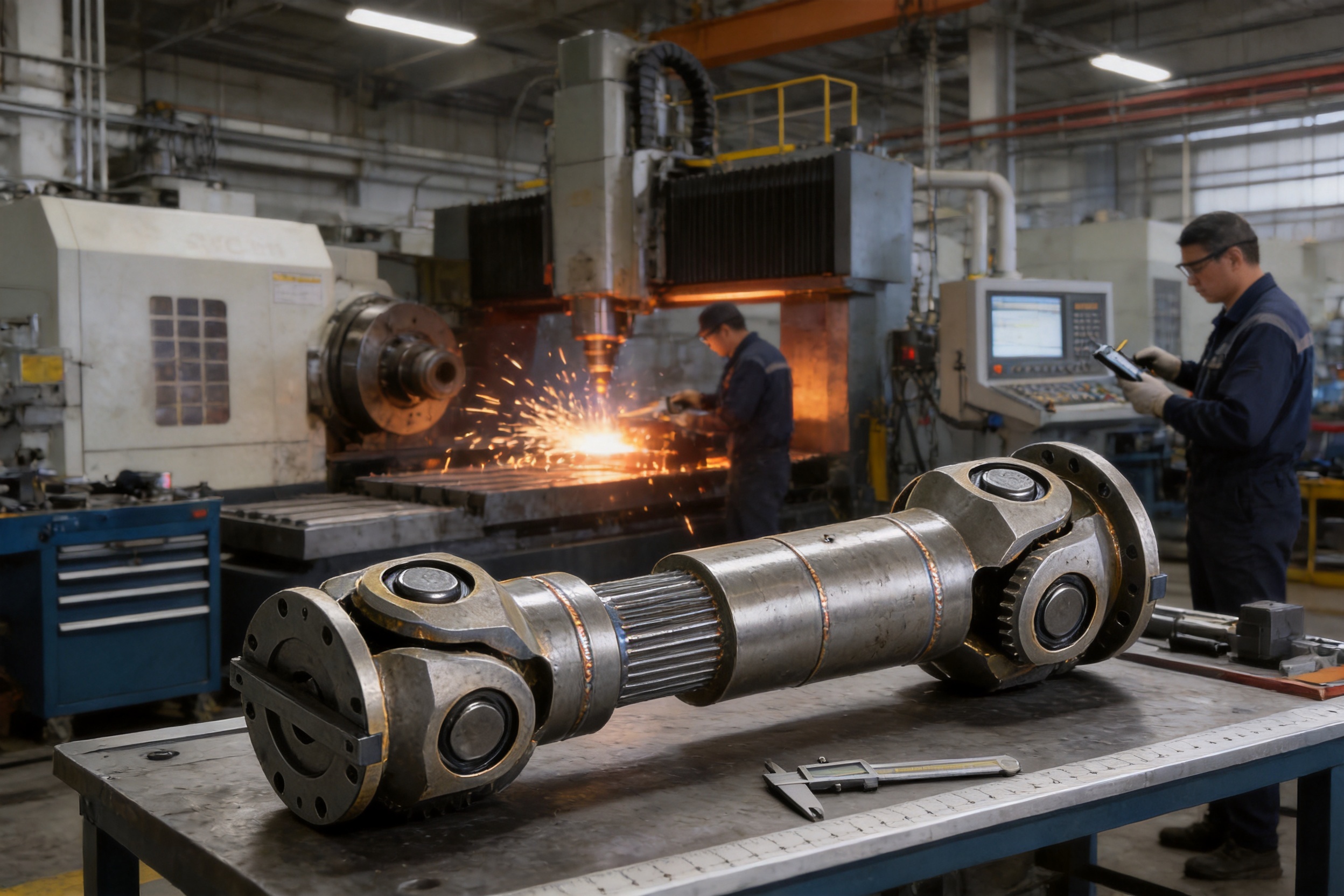
Functional inspection may include checking the telescopic movement of the spline section and the angular movement of the universal joint. The coupling should move smoothly without binding, excessive clearance, or abnormal resistance. Dimensional checks of flange connections and shaft interfaces help ensure that the finished product can be installed accurately in the customer’s equipment.
5.7 Complete Testing Capability
Orienthold Machinery operates with a quality supervision system supported by inspection and testing equipment. The company’s products are manufactured according to applicable national standards and are subject to quality checks throughout the production process. A complete testing approach helps identify defects earlier and provides greater confidence in the reliability of the finished product.
Testing is not limited to the final assembly. Raw materials, machined parts, welded structures, heat-treated components, and completed couplings may each require different inspection methods. This process-based approach is important for heavy industrial products because the final performance depends on many interconnected manufacturing stages.
6. Applications in Different Industries
6.1 Metallurgical Equipment
Metallurgical production lines often include large rollers, conveyors, furnaces, cooling systems, and material-handling equipment. These machines may operate continuously under high torque, high temperature, vibration, and substantial shock loads. Shaft positions can also change as equipment expands thermally or responds to heavy material loads.
The SWC-BH coupling is suitable for such environments because it can accommodate angular and axial movement while transmitting substantial torque. Its welded construction supports rigidity, and its carburized cross-bearing components are designed to resist wear under demanding operating conditions. Proper shielding, lubrication, and maintenance planning should be applied where the coupling is exposed to scale, dust, heat, or water.
6.2 Lifting and Hoisting Equipment
Cranes and hoisting systems require dependable transmission because a coupling failure can affect both productivity and safety. Starting and stopping cycles may create impact loads, and the machinery may experience changing shaft alignment as structures deflect under load. Crane drum couplings and related transmission arrangements must therefore provide reliable torque transfer and appropriate movement compensation.
The universal and telescopic characteristics of the SWC-BH make it useful in heavy lifting machinery where shafts are not perfectly fixed. The integrated structure reduces the number of potential fastening-related problems, while the strong spline and cross-bearing arrangement supports repeated operating cycles.
6.3 Mining Machinery
Mining equipment works in environments characterized by dust, vibration, impact, uneven foundations, and heavy material loads. Conveyors, crushers, winches, hoists, and processing machines may operate continuously and may be difficult to access for maintenance. A coupling used in such equipment must be robust, easy to inspect, and capable of tolerating movement in the supporting structure.
The SWC-BH can support these requirements through its durable welded body, telescopic movement, and angular compensation. Selection should account for contamination control, sealing, lubrication, operating speed, and the machine’s actual shock-load profile. A properly protected and maintained coupling can help reduce unplanned shutdowns in remote or difficult-to-access installations.
6.4 Oil and Energy-Related Equipment
Oil-related machinery and energy equipment often place high demands on mechanical reliability. Pumps, processing systems, material-handling units, and auxiliary machinery may operate for long periods with limited opportunities for maintenance. The coupling must remain stable under torque changes, vibration, and environmental variation.
The SWC-BH provides a strong mechanical solution for applications that require shaft movement compensation and high torque capacity. The precise spline assembly and treated cross bearing help support reliable operation, while the company’s customization capability can assist with special connection dimensions or installation requirements.
6.5 Shipping and Port Machinery
Marine and port equipment includes conveyors, winches, cranes, loaders, and shipboard mechanical systems. Such equipment may experience vibration, variable loading, movement from structural flexibility, humidity, and corrosive atmospheres. Coupling selection must consider both mechanical loads and environmental protection.
The SWC-BH’s universal joint structure can help accommodate movement between shafts, while its welded body supports strength in heavy transmission applications. In marine or coastal installations, surface protection, sealing, corrosion control, and appropriate maintenance schedules are necessary to preserve the performance of the coupling.
6.6 Construction and Transportation Equipment
Construction machinery and transportation systems often operate under changing loads and uneven working conditions. Equipment may be frequently started, stopped, repositioned, or subjected to impact. The ability to accommodate shaft movement and maintain torque transmission is valuable in these environments.
The SWC-BH may be used where a high-strength universal coupling is needed between drive components. Its telescopic feature can help address changes in shaft spacing, while the integrated yoke and welded body provide a robust alternative to less durable coupling arrangements.
7. Installation and Maintenance Recommendations
Correct installation is essential for achieving the expected service life of any industrial coupling. Before installation, technicians should verify the coupling model, shaft dimensions, flange pattern, spline condition, rotation direction, and available axial travel. The connected shafts should be inspected for damage, contamination, burrs, and excessive runout.
The coupling should be installed according to the applicable technical documentation and customer-specific engineering requirements. Flange faces must be clean and properly seated. The shafts should be positioned within the permitted angular and axial conditions. Forced assembly, hammering on precision components, or operating the coupling outside its movement range should be avoided.
Lubrication requirements depend on the specific construction and operating environment. The spline section and cross-bearing areas should receive the recommended lubricant in the correct quantity and at the proper intervals. Excessive lubricant may attract dust or create sealing problems, while insufficient lubricant can accelerate friction and wear.
Regular inspection should include checking for abnormal noise, vibration, heat, looseness, spline wear, damaged seals, corrosion, and changes in telescopic movement. Any unusual increase in resistance or clearance should be investigated before the coupling is returned to full service. Inspection intervals should be shortened for applications involving severe shock, continuous operation, high contamination, or difficult environmental conditions.
Maintenance personnel should also inspect the surrounding equipment. Misalignment may be caused by worn bearings, loose foundations, damaged shaft supports, or deformation in the machine frame. Replacing the coupling without correcting the underlying problem may result in repeated failure. A complete maintenance program therefore considers the coupling and the entire transmission system together.
8. Why Manufacturing Expertise Matters
A universal coupling may appear mechanically simple from the outside, but its performance depends on the interaction of many precision elements. The cross bearing must match the yokes accurately. The spline teeth must carry torque while moving axially. The welded body must retain alignment after fabrication. Heat treatment must improve surface properties without causing unacceptable distortion. Each stage requires technical control.
Orienthold Machinery is a medium-sized enterprise specializing in industrial couplings and papermaking machinery. Its integrated approach combines design, production, testing, and service. This structure allows the company to manage product development and manufacturing more directly, which can be beneficial when customers require non-standard dimensions, application consultation, or customized transmission solutions.
The company maintains advanced production equipment and comprehensive inspection methods. Its products are manufactured under a strict quality supervision system and are designed to comply with national standards. The company’s experience across transportation, metallurgy, chemical engineering, mining, construction, and hoisting applications provides a practical foundation for understanding different operating conditions.
Another important strength is the availability of one-stop service. Industrial customers may require assistance before ordering, technical confirmation during production, flexible logistics and payment arrangements, and maintenance support after delivery. By combining these services with manufacturing capability, the company can help reduce communication gaps between the equipment user, engineering department, purchasing team, and maintenance personnel.
9. Customization and Selection Support
Although the SWC-BH is a standard telescopic welded universal coupling, industrial machinery does not always conform to a single standard installation. Customers may require specific flange dimensions, shaft interfaces, spline arrangements, overall lengths, movement ranges, materials, surface treatments, or protective measures. Technical confirmation is therefore important before production.
When requesting a coupling, customers should provide as much application information as possible. Useful data includes transmitted power, torque, rotational speed, shaft diameter, shaft-end dimensions, operating angle, axial movement, installation distance, working temperature, ambient conditions, start-stop frequency, and the presence of shock loads or vibration.
Photographs, drawings, existing coupling dimensions, and equipment manuals can also help engineers evaluate the application. If an old coupling is being replaced, records of its service life, failure mode, lubrication condition, and operating history may provide valuable information. A replacement should not be selected only by matching the external length if the original design was underspecified or if operating conditions have changed.
Orienthold Machinery can support customers with product consultation and customization. This is particularly useful for large machinery, replacement projects, and equipment upgrades where installation space or shaft geometry differs from a standard arrangement.
10. Total Cost of Ownership Benefits
The purchase price of a coupling is only one part of its economic value. A more durable coupling may reduce the frequency of replacement, minimize production interruptions, and protect expensive connected equipment. Maintenance labor, spare parts, emergency repair, and downtime can represent a much larger cost than the original coupling investment.
The SWC-BH is designed to support a lower total cost of ownership through structural durability, wear-resistant cross-bearing components, reduced dependence on bolted fork connections, and telescopic movement capability. By accommodating operating displacement, the coupling can help reduce additional loads on shafts and bearings. By maintaining stable torque transmission, it can support the consistent operation of the complete machine.
Economic benefits depend on correct selection and maintenance. A coupling that is too small, incorrectly aligned, poorly lubricated, or operated beyond its permitted conditions may fail regardless of its basic design. For this reason, lifecycle value should be considered together with engineering assessment, installation quality, inspection, and service support.
11. Safety and Reliability Considerations
Couplings are rotating components and must be installed and operated with appropriate safety precautions. Guards should be provided wherever required to prevent contact with rotating parts. Maintenance work must be performed with the equipment isolated, locked out, and verified to be in a safe condition. Personnel should not approach an operating coupling to investigate noise, vibration, or heat.
Reliability also depends on preventing secondary damage. If a coupling shows signs of severe wear, cracking, deformation, or excessive clearance, the connected machine should be inspected before continued operation. A damaged coupling can indicate misalignment, overload, insufficient lubrication, bearing failure, or a structural problem elsewhere in the equipment.
The integrated and welded construction of the SWC-BH supports mechanical reliability, but it does not eliminate the need for responsible operation. Correct load calculation, service-factor selection, protective guarding, scheduled lubrication, and condition monitoring remain essential parts of a safe transmission system.
12. Frequently Asked Questions
Q1: What is the main purpose of the SWC-BH coupling?
The SWC-BH is designed to transmit torque between shafts while accommodating angular misalignment and axial movement. Its cross universal joint manages angular variation, and its telescopic spline assembly allows controlled axial displacement.
Q2: What industries commonly use this coupling?
The coupling is suitable for metallurgy, lifting and hoisting, mining, oil-related equipment, shipping, transportation, construction, and other heavy industrial applications. It is especially useful where high torque, structural movement, and demanding operating conditions occur together.
Q3: Why is the coupling welded instead of relying entirely on bolts?
The welded structure improves rigidity and reduces the number of detachable joints that may loosen or develop clearance under vibration. The bolt-free fork connection also reduces potential weak points associated with traditional fastening arrangements.
Q4: What is the function of the cross bearing?
The cross bearing connects the yokes and allows the universal joint to operate at an angle. It is a key load-bearing and motion-transmitting component. In the SWC-BH design, it is made from low-alloy structural steel and treated through carburizing to improve surface wear resistance while retaining core toughness.
Q5: How does the telescopic section work?
The drive spline and spline sleeve engage through multiple spline teeth to transmit torque. At the same time, they permit axial movement between the connected shafts. This helps compensate for changes in shaft spacing caused by thermal expansion, structural deflection, adjustment, or operating displacement.
Q6: Is the SWC-BH suitable for shock-load applications?
It is designed for heavy-duty machinery and includes a robust welded body, strong yoke structure, and carburized cross-bearing components. These features support operation under significant loads and impact conditions. The final suitability should be confirmed using the actual torque, speed, shock factor, and operating cycle of the equipment.
Q7: What information is needed to select the correct coupling?
Important information includes power, torque, rotational speed, shaft diameter, flange dimensions, installation length, angular misalignment, axial travel, operating temperature, environmental conditions, and the frequency of starts, stops, and shock loads. Drawings or photographs of the existing installation can also assist with selection.
Q8: Can the coupling be customized?
Industrial coupling applications may require special dimensions, interfaces, lengths, or protective treatments. Orienthold Machinery provides design and customization support to help match the coupling to specific equipment requirements. Technical details should be confirmed before production.
Q9: What maintenance does the coupling require?
Maintenance generally includes lubrication according to the recommended schedule, inspection of the spline assembly and cross bearings, checking for abnormal noise or vibration, examining seals and protective surfaces, and verifying that movement remains smooth. The exact maintenance interval depends on load, speed, environment, and operating hours.
Q10: What makes this coupling different from an elastomeric coupling?
An elastomeric coupling uses a flexible polymer element to transmit torque and often provides damping. The SWC-BH uses a mechanical cross universal joint and telescopic spline arrangement, making it more appropriate for applications that require substantial angular movement, axial travel, high structural strength, and resistance to heavy shock loads.
Q11: How does the company support customers after delivery?
The company provides pre-sales consultation, product customization, flexible logistics and payment options, and maintenance support. Its integrated design and manufacturing capability helps customers communicate technical requirements and obtain a complete transmission solution.
13. Conclusion
The SWC-BH Standard Telescopic Welded Universal Coupling is engineered for industrial transmission systems that demand more than basic shaft connection. Its cross universal joint accommodates angular misalignment, while the telescopic spline assembly permits axial movement. The welded body provides structural rigidity, and the integrated bolt-free fork connection reduces potential fastening-related weaknesses.
The coupling’s cross bearing is manufactured from low-alloy structural steel and treated through carburizing to achieve a useful balance between surface hardness, wear resistance, and core toughness. Precision machining, controlled welding, careful assembly, and comprehensive inspection contribute to stable transmission performance and extended service life.
These characteristics make the SWC-BH suitable for metallurgy, lifting, mining, oil, shipping, construction, transportation, and other heavy-duty industries. Compared with simpler rigid or light-duty flexible designs, it offers a stronger combination of torque capacity, movement compensation, structural durability, and maintenance practicality.
Zhenjiang Orienthold Machinery Co., Ltd. strengthens this product offering through integrated design and production capabilities, advanced manufacturing equipment, quality supervision, testing resources, customization support, and after-sales service. For customers seeking a dependable coupling solution for complex shaft arrangements and demanding operating environments, the SWC-BH provides a technically robust foundation for reliable mechanical transmission.
References
1. Industrial Coupling Design Principles, Mechanical Power Transmission Engineering Reference.
2. Universal Joint and Cross-Bearing Transmission Technology, Heavy Machinery Components Handbook.
3. Gear and Spline Manufacturing Practices, Industrial Drive Systems Technical Reference.
4. Carburizing and Case-Hardening Methods for Low-Alloy Steels, Heat Treatment Engineering Guide.
5. Welding Quality Control for Fabricated Mechanical Structures, Industrial Fabrication Standards Reference.
6. Maintenance Planning for Heavy-Duty Rotating Equipment, Plant Reliability Management Manual.
7. National Standards and Technical Requirements for Industrial Couplings and Mechanical Transmission Components.
8. Product and manufacturing information supplied by Zhenjiang Orienthold Machinery Co., Ltd.
Product: SWC-BH Standard Telescopic Welded Universal Coupling
PREV: WGZ Type Crowned-Gear Coupling with Brake Wheel: Integrated Torque Transmission and Reliable Braking for Heavy-Duty MachineryNEXT: Elastic Pin Gear Coupling with Brake Wheel: Integrated Torque Transmission and Reliable Industrial Braking
Be the First to Know
For exclusive deals and latest offers, sign up by entering your email address below.
Related products
News
-
-
China's coupling industry is at a critical historical juncture of transformation from scale expansion to quality and eff...
READ MORE -
Industrial Couplings: The Definitive Technical Encyclopedia – Classification, Sizing, Failure Prevention, and Lifecycle...
READ MORE -
During a routine vibration survey on a high-speed compressor train, engineers found a 4.5 mm/s velocity spike at the mo...
READ MORE -
Your compressor train is running at 9,800 rpm when the vibration monitor triggers an alarm. The first component your ma...
READ MORE -
A maintenance engineer pulls a failed coupling from a pump drive. The elastomer sleeves are cracked, the pin bolts are ...
READ MORE


ABOUT US
PRODUCTS
INDUSTRIES
CONTACT US
- Phone: +86-18652865511
- Email: sales@ohmach.com
- Address: No.1, Minying Developing Zone, Zhenjiang, Jiangsu, China
Copyright Zhenjiang Orienthold Machinery Co., Ltd. All Rights Reserved.
 Custom Industrial Shaft Coupling Manufacturers